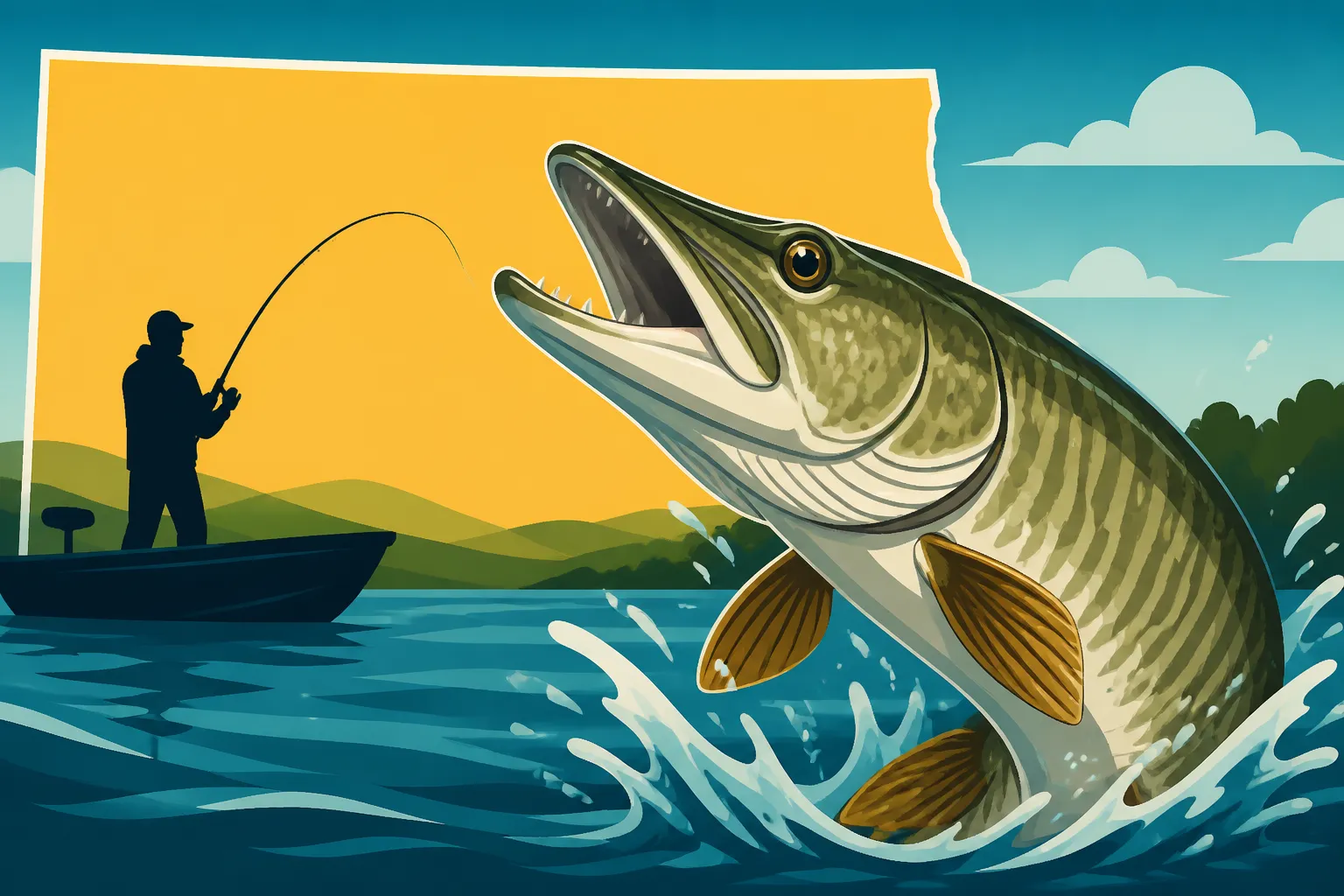
Does North Dakota Have a Muskie Fishery?
It's completely understandable why you might be wondering about muskie fishing in North Dakota. Many anglers, especially those coming from states known for their robust muskie populations, often arrive in the Peace Garden State with dreams of battling these legendary "fish of a thousand casts." The truth is, North Dakota isn't exactly a muskie mecca, and that can be a real head-scratcher when you're used to seeing them touted as a premier game fish elsewhere. But don't let that dampen your spirits entirely! While the opportunities are certainly more limited compared to its eastern neighbors, there's still an intriguing story to tell about muskie in North Dakota, and this guide will shed some light on what you can realistically expect.
The Reality of Muskie Fishing in North Dakota: A Limited but Intriguing Opportunity
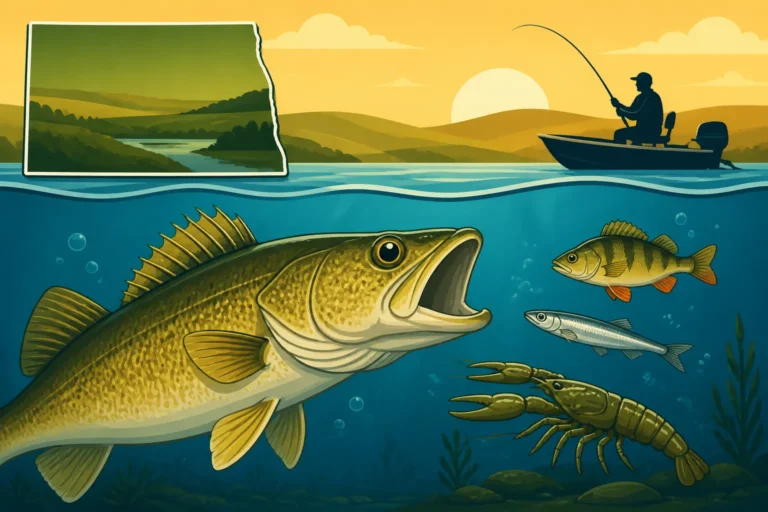
Let's cut right to the chase: North Dakota doesn't boast a widespread, thriving muskie fishery like, say, Minnesota or Wisconsin. If you're envisioning endless lakes full of these toothy critters, you might need to adjust your expectations a bit. The state's natural waters are historically more suited to walleye, northern pike, and perch, which are plentiful and provide fantastic angling experiences. However, that doesn't mean muskie are completely absent. The North Dakota Game and Fish Department has, at various times, introduced and managed small muskie populations in specific water bodies.
These efforts are often part of targeted management plans, sometimes to add a unique trophy species to certain lakes, or to create a specialized angling experience. It's not about creating a primary muskie destination, but rather offering a niche opportunity for those dedicated anglers willing to put in the time. The very nature of muskie—their elusive behavior, slow growth rate, and specific habitat requirements—makes establishing a widespread, self-sustaining fishery a significant challenge, especially in a state with North Dakota's climate and hydrological characteristics.
Why Muskie Are So Elusive Here
Muskellunge are apex predators that demand a lot from their environment. They need large bodies of water with ample forage, suitable spawning habitat, and conditions that support their growth to trophy sizes. North Dakota's sometimes harsh winters, fluctuating water levels in certain reservoirs, and the dominance of other established predator species like northern pike can make it tough for muskie to truly thrive and reproduce naturally on a large scale.
Think about it: muskie are known for their slow growth. A 40-inch muskie might be well over a decade old. For these fish to reach that kind of size, they need stable conditions and a plentiful food source for many years. When you have waters that might experience winterkills or significant changes in prey populations, it creates a very challenging environment for a top-tier predator like the muskie. This is why when you do find them, they are often a result of stocking programs rather than natural reproduction.
The Appeal of the North Dakota Muskie Chase
Despite the challenges and limited numbers, there's a certain allure to chasing muskie in North Dakota. It's not about catching dozens; it's about the hunt, the dedication, and the sheer thrill of hooking into one of these magnificent fish where they are less common. It becomes a testament to patience and persistence. For those who love the "fish of a thousand casts" moniker, North Dakota offers that challenge in spades.
The fact that they are rarer here can make a successful outing even more rewarding. Imagine telling your fishing buddies you landed a respectable muskie from a North Dakota lake—it's a story that carries a bit more mystique than if you were fishing a widely known muskie hotspot. Plus, the landscapes you'll encounter while pursuing them are often stunning, adding to the overall experience.
Where to Potentially Find Muskie in North Dakota's Waters
Given the limited nature of muskie fisheries in North Dakota, pinpointing exact locations isn't like naming the best walleye lakes, which are abundant. Instead, you're looking for specific, managed impoundments that have historically seen muskie introductions or currently have a small, maintained population. These aren't secrets, but they also aren't heavily advertised given the specific type of fishing they offer.
Historically, efforts have been made to introduce tiger muskies (a sterile hybrid of northern pike and muskellunge) or pure strain muskies into a select few waters. These programs are usually designed to provide a "trophy" fish opportunity rather than build a self-sustaining population that can withstand heavy angling pressure. The North Dakota Game and Fish Department is the best source for current stocking information and which specific lakes might contain muskie.
Key Characteristics of Potential Muskie Waters
If you're on the hunt for muskie, even in a state with limited opportunities, you'll want to focus on waters that share certain characteristics. These generally include:
- Larger Impoundments: Muskie need space. While they might be stocked in smaller lakes, the potential for trophy fish often lies in larger reservoirs that can support a bigger forage base and provide diverse habitat.
- Good Forage Base: Muskie are voracious eaters. Lakes with healthy populations of suckers, perch, cisco, and other baitfish are essential for them to grow.
- Structured Habitat: Look for areas with weed beds, submerged timber, rock piles, and distinct drop-offs. These structures provide ambush points and cover for muskie.
- Managed Populations: In North Dakota, you're almost exclusively looking for waters where muskie have been specifically stocked. Always check the latest fishing proclamation or contact the NDGFD for current information on specific lakes.
It's not uncommon for anglers to spend a lot of time on waters like the larger reservoirs, which certainly hold the potential for a surprise encounter, though it might not be a primary muskie fishery. Understanding the general fish habitat can always help, so reading up on What Fish Species Live in Lake Sakakawea? might give you clues about the forage base.
The Role of Hybrid Muskies
Sometimes, when people talk about muskie in North Dakota, they might actually be referring to tiger muskies. These hybrids are created by crossing a northern pike with a muskellunge. They are sterile, which means they won't reproduce, but they grow fast and fight hard, offering a unique angling experience without the concerns of establishing a naturally reproducing, potentially invasive population.
Tiger muskies are often stocked as a put-grow-take fishery in waters where pure strain muskies might struggle or where managers want to control population growth. They can be found in a handful of lakes and ponds throughout the state, often providing an exciting challenge for anglers seeking a different kind of fight. Identifying the difference can be tricky, but knowing that hybrids exist helps set expectations. For similar species, you might find information on Northern Pike Identification in North Dakota helpful, as pike are often confused with their muskie cousins.
| Feature | Muskie (Pure Strain) | Tiger Muskie (Hybrid) | Northern Pike |
|---|---|---|---|
| Markings | Dark spots or bars on a lighter body, can be faint | Distinct vertical bars/tiger stripes | Light spots/beans on a darker body |
| Tail Fin | Pointed lobes | Rounded lobes | Rounded lobes |
| Scales | Cheek fully scaled, opercle scaled on upper half | Cheek fully scaled, opercle scaled on upper half | Cheek fully scaled, opercle scaled on upper half |
| Pores | 6-9 pores on underside of jaw | 6-9 pores on underside of jaw | 5 pores or less on underside of jaw |
| Overall Shape | Long, slender, more streamlined | Similar to muskie but can be stockier | Shorter, stockier, more duck-bill shaped |
Note: Identifying these fish can sometimes be challenging, especially for less experienced anglers. When in doubt, it's always best to practice catch and release and consult local regulations.
Tackling the Challenge: Essential Gear and Techniques for North Dakota Muskie
If you decide to pursue muskie in North Dakota, whether pure strain or tiger muskie, you'll need to gear up properly. This isn't light tackle fishing. Muskie are powerful, aggressive fish, and your equipment needs to be able to handle explosive strikes and strong fights. Given the limited numbers, you also need tackle that can effectively present large baits and withstand repeated, heavy casting.
Finding the right gear means thinking about durability and power. You wouldn't use a panfish rod for this kind of action. This is where you might find yourself browsing the extensive fishing gear sections on platforms like Amazon, searching for specific heavy-duty items not always available at every local bait shop.
Rods, Reels, and Line: Built for Battle
For muskie, you're looking at heavy-duty gear:
- Rods: Think long and stout. Rods in the 8-to-10-foot range are common, with heavy or extra-heavy power ratings. These long rods help cast large baits and absorb the shock of a powerful muskie strike. You'll want a rod with a fast or extra-fast action to really drive those big hooks home. You can often find a good selection of specialized muskie rods by brands that cater to serious anglers, and checking user reviews on sites like Amazon can help you narrow down options. If you're looking for more general rod advice, refer to Best Fishing Rods for North Dakota Anglers.
- Reels: A high-quality baitcasting reel designed for muskie or saltwater use is essential. Look for models with a strong drag system, high line capacity, and durable gears. Gear ratios are often in the medium range to allow for both fast retrieves and powerful cranking.
- Line: Braided line is the standard for muskie fishing due to its incredible strength and lack of stretch, which helps with hook sets. Most anglers use 80-100 pound test braided line. This might seem like overkill, but it's necessary for handling powerful fish and heavy lures, and to prevent break-offs on sharp teeth or abrasive structures.
- Leaders: A heavy-duty fluorocarbon or wire leader is absolutely non-negotiable. Muskie have incredibly sharp teeth that will easily slice through monofilament or braided line. Leaders typically range from 100-200 pound test and are at least 12-18 inches long.
Lures and Baits: Go Big or Go Home
Muskie lures are notorious for their size. You're trying to appeal to a top predator looking for a substantial meal.
- Bucktails and Spinnerbaits: These are classic muskie lures. They create a lot of flash and vibration, triggering aggressive strikes. Sizes can range from 8 to 14 inches.
- Crankbaits and Jerkbaits: Large, deep-diving crankbaits or glide baits that imitate large baitfish are also very effective. They can be worked through various depths and paused to entice strikes.
- Soft Plastics and Swimbaits: Massive soft plastic baits or large swimbaits, often rigged with heavy jig heads or internal harnesses, can be highly effective, especially when fished slowly or when muskie are finicky.
- Topwater Lures: For explosive surface strikes, large topwater baits like walk-the-dogs, prop baits, or even poppers can be incredibly exciting, particularly in low light conditions or over shallow cover.
Remember, the goal is often to provoke a reaction strike from a fish that might not be actively feeding. Repetitive, powerful casting and varying your retrieve are key. Many anglers swear by specific colors or patterns, so having a good variety is wise. You can often find specialty muskie tackle online, with many options available on Amazon to ensure you're equipped for the challenge. You can also get more general advice in our guide to Best Fishing Tackle for North Dakota Lakes.
Techniques: The Grind is Real
Muskie fishing is often called the "sport of a thousand casts" for a reason. It requires immense patience and persistence.
- Casting and Retrieving: You'll be casting large, heavy lures repeatedly, often for hours on end. Vary your retrieve speed, add pauses, and experiment with different depths.
- Figure Eights: This is a crucial technique. When your lure approaches the boat or shore, don't just lift it out of the water. Instead, plunge your rod tip into the water and draw a large figure eight pattern with your lure right next to the boat. Muskie often follow a lure all the way in and will strike at the last second when it looks like their prey is escaping.
- Targeting Structure: Focus on areas with distinct structure: weed edges, rock reefs, points, submerged timber, or deep breaklines. These are ambush points where muskie lie in wait.
- Seasonal Patterns: Just like other fish, muskie have seasonal patterns. They might be shallower in spring and fall, moving deeper in summer. Understanding general Seasonal Fish Movement Patterns in North Dakota Lakes can help.
- Catch and Release: Muskie are long-lived fish, and their populations are often fragile, especially in managed fisheries. Most serious muskie anglers practice catch and release to preserve these precious resources. Always use large, sturdy nets, long-nose pliers, and jaw spreaders to safely unhook and release fish, minimizing stress.
Conservation and the Future of Muskie in North Dakota
The presence of muskie in North Dakota, even in limited numbers, is a testament to careful fisheries management. Introducing and sustaining populations of a large, long-lived predator like the muskellunge requires significant planning, investment, and ongoing monitoring. For anglers, this means playing an active role in conservation.
Given the efforts involved in establishing and maintaining these fisheries, practicing responsible angling is paramount. This includes adhering strictly to all regulations regarding size limits, possession limits (if any), and ensuring safe handling and release of fish.
Why Conservation Matters
Every muskie caught and released successfully contributes to the future of the fishery. These fish are slow growers, and it takes many years for them to reach trophy sizes. Losing even a few large breeding-age fish can have a disproportionate impact on a limited population.
- Population Stability: Catch and release helps maintain a stable population, allowing fish to grow larger and, in the case of pure strain muskie, contribute to natural reproduction where possible.
- Trophy Potential: The more fish that are released, the higher the chance that anglers will encounter truly large, trophy-sized muskie in the future.
- Research: Angler cooperation, sometimes through reporting catches or participating in tagging programs, provides valuable data to fisheries biologists, helping them understand muskie populations better and refine management strategies.
Looking Ahead
The future of muskie fishing in North Dakota will likely continue to involve careful, targeted management. It's improbable that North Dakota will ever become a muskie hotspot on par with its more easterly counterparts, simply due to natural factors and the existing strong fisheries for species like walleye and pike. However, for those passionate anglers who cherish the challenge and the unique thrill of battling a muskie, North Dakota will likely continue to offer those rare, special opportunities.
Staying informed about North Dakota Fishing Regulations Explained and changes in stocking programs from the North Dakota Game and Fish Department is always a good idea. They are the best resource for understanding which waters are managed for muskie and what rules apply. For a general overview of the fishing landscape, our North Dakota Fishing Season Calendar is a great reference point.
Disclaimer
This article is for general informational purposes only and does not constitute professional advice. Laws, prices and regulations vary by location and change over time. Consult a qualified professional for guidance on your specific situation.