Best Jon Boats for North Dakota Rivers
Navigating North Dakota's diverse river systems, from the broad flows of the Missouri and Red rivers to the winding, sometimes shallow, tributaries, requires a boat that's as versatile and tough as the landscape itself. Many anglers feel frustrated trying to find a craft that can handle both the swift currents and the skinny water without being a pain to transport or launch. This guide is all about helping you understand why jon boats are often the perfect answer for these specific challenges and what to look for to ensure you pick the absolute best one for your North Dakota river fishing adventures.
Why Jon Boats are Perfect for North Dakota Rivers
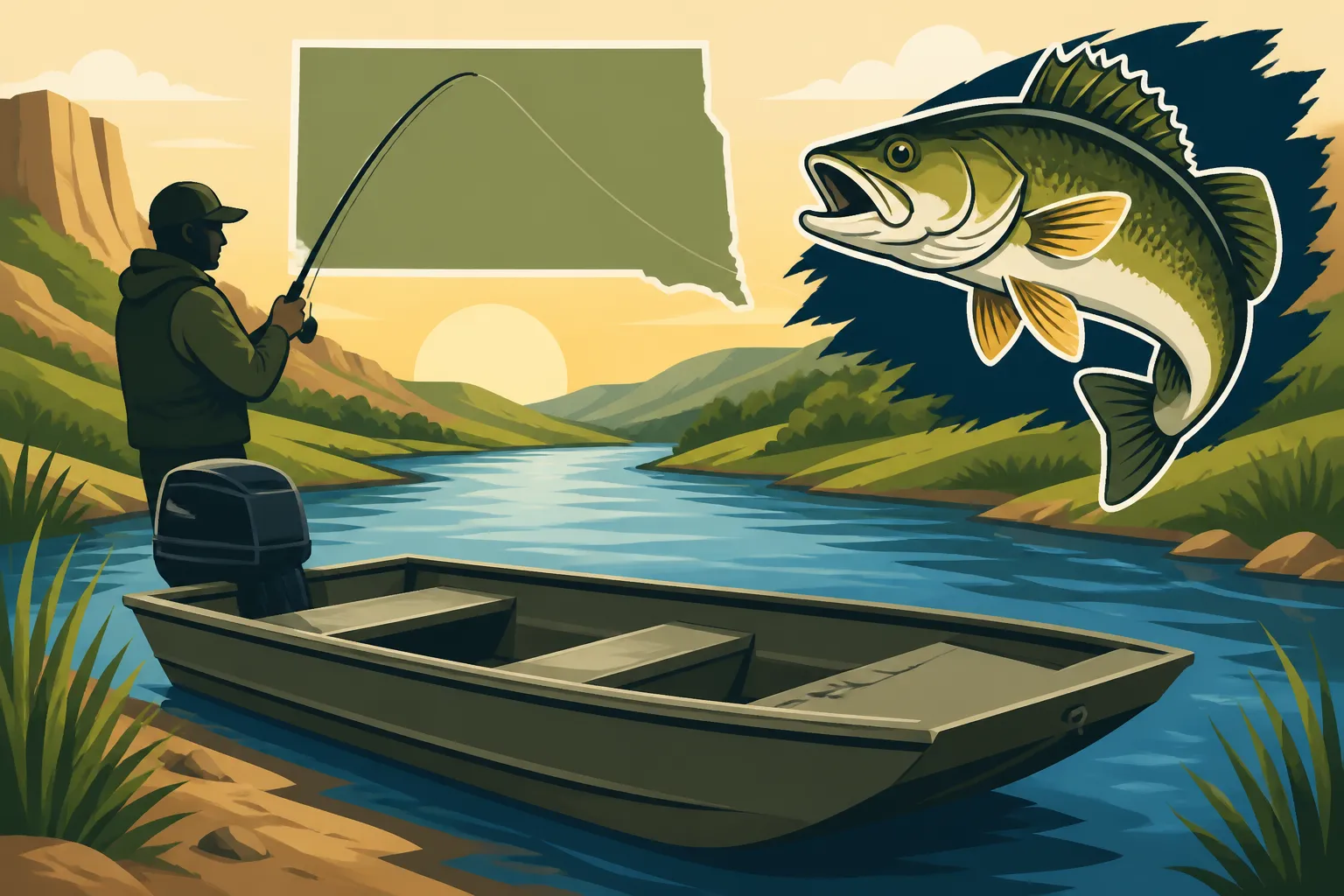
When you think about fishing North Dakota's rivers, whether it's chasing channel catfish on the Red River or looking for smallmouth bass on the Little Missouri, you need a boat that can take a beating, get into shallow spots, and handle varying conditions. Traditional V-hull boats often draw too much water for many river stretches, and bigger multi-species boats can be a nightmare to launch at undeveloped access points. This is where the humble, yet incredibly effective, jon boat shines. They're designed with a flat bottom and sturdy construction, making them remarkably adaptable for the kinds of waters we encounter here.
Shallow Water Access and Stability
One of the biggest headaches for river anglers is getting hung up in shallow water. North Dakota's rivers, especially later in the summer or during dry spells, can expose sandbars and rock gardens that make navigation tricky. Jon boats, with their signature flat bottoms, are built to glide over very little water, often needing only a few inches of depth. This means you can confidently explore back channels, side sloughs, and remote stretches that deeper-draft boats can't even dream of reaching.
Beyond just getting into shallow water, stability is key, especially if you're standing to cast or moving around in the boat. The flat hull design of a jon boat provides an incredibly stable platform. Imagine standing to sight-fish for pike in a slow current or wrestling a big catfish aboard; that solid feeling underfoot makes all the difference. You won't feel like you're constantly fighting to keep your balance, which means a safer and more enjoyable day on the water. This stability is particularly reassuring when you’re dealing with unexpected boat wakes or shifting currents that are common on larger rivers like the Missouri.
Durability and Low Maintenance
River fishing isn't always gentle. You're going to bump into rocks, scrape over submerged logs, and generally put your boat through its paces. This is precisely why jon boats are such a popular choice. Most are constructed from robust aluminum, a material known for its exceptional durability and resistance to corrosion. Unlike fiberglass, which can crack or spiderweb upon impact, aluminum flexes, dents, and typically withstands harsh treatment without major structural damage. You're not going to be constantly worrying about every little scrape or bump, which takes a lot of the stress out of navigating unfamiliar river stretches.
When it comes to maintenance, jon boats are remarkably low-fuss. There's usually no fancy gel coat to polish, intricate wiring systems to troubleshoot, or complex hull designs to clean. A quick rinse with a hose after a day on the water, maybe a scrub to get off any stubborn river muck, and you're pretty much done. This simplicity is a huge advantage for anglers who want to spend more time fishing and less time on boat upkeep. You can easily clean out debris, dry out the interior, and have it ready for the next adventure.
Key Features to Look for in a River Jon Boat
Choosing the right jon boat involves more than just picking the first one you see. There are specific features that can make a huge difference in how well it performs and how much you enjoy your time on North Dakota’s rivers. Thinking about how you fish, where you launch, and what species you target will help guide your decision toward the perfect river companion.
Hull Design and Construction Materials
While all jon boats share that characteristic flat bottom, there are subtle variations in hull design that matter. Some have slightly modified V-bows that can cut through chop a bit better, which is useful if you plan to navigate larger sections of the Missouri River where waves from wind or other boats can kick up. However, a true flat bottom often maximizes shallow water capability. The transom height is also important; ensure it matches the shaft length of your outboard motor for optimal performance and safety.
Regarding construction materials, most river jon boats are made from aluminum, but the gauge (thickness) of that aluminum is a critical factor. Thicker gauge aluminum, like .100 or .125, will be much more resistant to dents and punctures from impacts with rocks or logs – a common occurrence in river environments. While a heavier boat might be slightly slower, the added peace of mind from a more robust hull is often worth it for river use. Some smaller, very basic jon boats might use lighter gauge aluminum, which is fine for calm, very shallow creeks, but for main river channels, lean towards the beefier options.
Deck Space and Layout Configuration
The internal layout of a jon boat is deceptively simple, but how that space is utilized can greatly impact your fishing experience. Most jon boats feature an open layout, which is excellent for maximizing room for gear, coolers, and multiple anglers. Some models, however, come with small casting decks at the bow and/or stern, which can provide elevated platforms for better visibility and casting angles, especially useful if you're chasing walleye or pike. These decks often have storage compartments underneath, which is a huge bonus for keeping tackle boxes, life jackets, and other essentials organized and dry.
Consider how many people you typically fish with and how much gear you bring. If it's usually just you and a buddy, a smaller boat with a simple bench seat might suffice. But if you often have a third person or carry a lot of rods, tackle, and a big cooler for those Red River catfish, you’ll appreciate more open floor space. Think about where you'll mount your Best Fish Finders for Boat Fishing, where your trolling motor battery will go, and how you’ll arrange your rod holders. The beauty of a jon boat is its adaptability; many come as bare-bones shells, allowing you to customize the interior to your exact needs, adding pedestal seats, rod lockers, or even a livewell down the line.
Sizing and Power Considerations for North Dakota Rivers
The size of your jon boat and the power of your outboard motor are intertwined decisions that greatly influence your river fishing capabilities. What works perfectly on a narrow, calm tributary might be wholly inadequate for the expansive and sometimes challenging waters of the Missouri River or the fast currents of the Red. It's all about balancing maneuverability, capacity, and the demands of the specific waterways you plan to fish most often.
Matching Boat Size to River Type
North Dakota offers a spectrum of river fishing experiences, and your jon boat should reflect that. For the smaller, winding rivers and creeks like parts of the Sheyenne or James River, a compact 10 to 12-foot jon boat can be ideal. These smaller vessels are incredibly easy to launch, even from undeveloped bank access points, and their light weight means you can often maneuver them through tight spots or even portage them short distances if needed. They're perfect for a solo angler or two light passengers looking for panfish or smaller pike.
However, if your sights are set on the big water of the Missouri River, especially above Bismarck, or the wider, often windy stretches of the Red River, you'll want to consider a larger jon boat, typically 14 to 16 feet or even longer. These boats offer more stability in rougher water, can handle heavier loads (more gear, more people), and can run more powerful outboards to cover greater distances against current. While less nimble than their smaller counterparts, their increased capacity and comfort for longer runs make them superior for navigating large river systems. For instance, chasing walleye on the main stem of the Missouri river often means covering significant mileage, so a larger, more capable boat is a huge asset.
| Jon Boat Size | Ideal River Type | Primary Advantages | Considerations |
|---|---|---|---|
| 10-12 ft | Small creeks, shallow tributaries, calm backwaters, ponds | Extremely portable, easy to launch, very shallow draft, inexpensive | Limited capacity, less stable in chop, slower with small motors |
| 14 ft | Medium rivers (e.g., Sheyenne, upper Red), larger bays | Good balance of portability & capacity, decent stability, can handle small outboards | May struggle in heavy chop, can feel cramped with 3+ people |
| 16-18+ ft | Large rivers (e.g., Missouri, lower Red), big reservoirs | Excellent stability, high capacity, handles larger outboards, comfortable ride | Heavier to launch & transport, requires more powerful motor, more expensive |
Outboard Motor Power and Trolling Motors
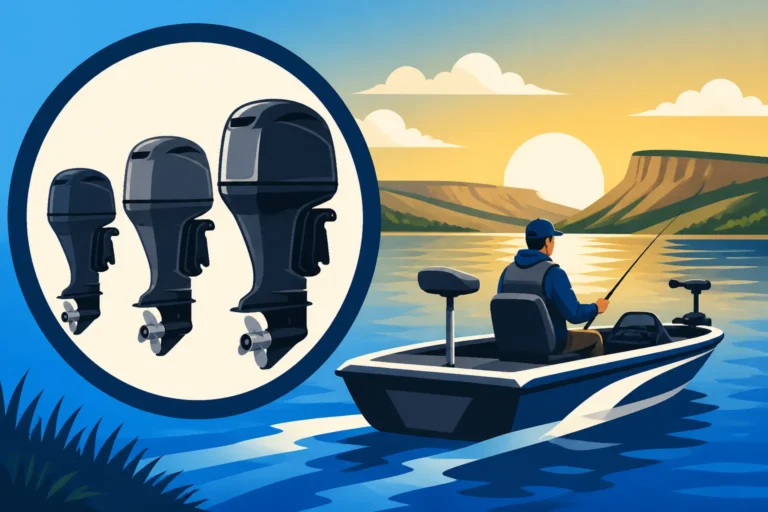
The engine on your jon boat is your lifeline on the river, especially when dealing with current. For smaller jon boats (10-12 ft), a small gas outboard (5-10 HP) or even a powerful electric trolling motor can be sufficient for leisurely cruises or quiet fishing. An electric trolling motor is particularly useful for silently sneaking up on fish in calm backwaters or maintaining position against a gentle current, and you can find a good selection at retailers like Bass Pro Shops or on Amazon. Remember to check out Best Trolling Motors for North Dakota Lakes to match the right thrust to your boat.
For larger jon boats (14-16+ ft) on significant rivers like the Missouri or Red, you'll definitely want a gas outboard in the 15-40 HP range, depending on the boat's maximum rating. It's crucial to have enough power to safely navigate against strong currents, especially if you need to make headway quickly or run long distances. Undersizing your motor can lead to frustration and even unsafe situations. Always check the boat's maximum horsepower rating and try to stay within the recommended range. When selecting an outboard, consider a four-stroke engine for better fuel efficiency and quieter operation, which is always a plus on a peaceful fishing trip.
Essential Accessories and Safety Gear
Having the right jon boat is only part of the equation; equipping it with the necessary accessories and crucial safety gear is equally important for a successful and safe North Dakota river fishing experience. Neglecting these details can quickly turn a fun day into a frustrating or even dangerous situation.
Anchors, Trolling Motors, and Electronics
For river fishing, a good anchoring system is non-negotiable. River currents can be surprisingly strong, and you'll often want to hold your position over a specific fishing spot, whether it's a deep hole for catfish or a submerged structure for walleye. A sturdy anchor, such as a river anchor or a heavier mushroom anchor, combined with plenty of line and chain, is essential. Many anglers also carry a second lighter anchor for quick stops or to use as a drift sock.
A bow-mounted electric trolling motor is a game-changer for precise boat control on rivers. It allows you to silently navigate shallow areas, hold your position against a current, or slowly creep along a weed line or bank. Look for models with ample thrust for your boat size and battery life that will last your typical fishing day. Paired with a quality marine battery, a good trolling motor gives you incredible control. You can find excellent options and batteries from brands available on Amazon, or explore a larger selection at a dedicated outdoor store like Bass Pro Shops. For more precise navigation and fish finding, a portable fish finder with GPS capabilities can help you identify structure, monitor depth, and mark waypoints for your favorite spots. Remember to keep it protected and charged!
Navigation and Safety Equipment
Safety should always be your top priority, especially on unpredictable river systems. Make sure you have the required number of Coast Guard-approved life jackets for everyone on board. For fishing in colder months or on larger, colder waters like the Missouri in spring or fall, consider wearing an inflatable PFD or even a full float suit. These waters can be deceptively cold, and accidental immersion is a real danger. Check out our guide on Best Life Jackets for Cold Water Fishing.
Beyond life jackets, a whistle or horn, a throw cushion, and navigation lights (if you'll be out at dawn, dusk, or night) are legal requirements and crucial safety items. A first-aid kit, a basic toolkit, and a spare paddle are also smart additions. Even with an outboard, a paddle can get you out of a tricky spot if your motor quits or you run into extremely shallow water. For river navigation, a good paper map or a reliable GPS unit with detailed river charts can prevent you from getting lost or running aground, especially on unfamiliar stretches. Understanding the North Dakota Boat Registration Requirements is also key to ensuring you're legally compliant.
Maintaining Your Jon Boat for Longevity
Investing in a good jon boat for North Dakota rivers means you’ll want it to last through many seasons of fishing adventures. Proper maintenance isn't just about keeping your boat looking good; it's about ensuring its reliability, safety, and performance for years to come. Thankfully, jon boats are relatively straightforward to care for, but a little routine attention goes a long way.
Regular Cleaning and Inspection
After every outing, especially on muddy or silty rivers, it's a good habit to give your jon boat a thorough rinse. This removes dirt, debris, and any potential aquatic nuisance species (ANS) that might have hitched a ride. For deeper cleaning, a mild soap and a brush can tackle stubborn grime. Pay particular attention to the bilge area, making sure it's free of standing water, leaves, or other junk that could clog drains or promote corrosion. Regularly inspect the hull for any new dents, scrapes, or potential weak spots. Small nicks can usually be left alone on aluminum, but significant damage might warrant attention to prevent future issues.
It's also crucial to inspect all your hardware. Check that rivets are tight, screws are secure, and any accessory mounts (like those for your fish finder or rod holders) aren't loose or showing signs of stress. Look at your electrical connections for your trolling motor or other electronics to ensure they are clean, corrosion-free, and properly insulated. A quick check of your trailer lights, tire pressure, and winch strap before and after each trip can prevent headaches on the road. Remember, prevention is always easier and cheaper than repair, especially when you're far from home on a remote river access point.
Winterization and Storage Tips
When the North Dakota chill sets in and open water fishing gives way to ice, properly preparing your jon boat for winter storage is essential. The freezing and thawing cycles can be brutal on boats that aren't adequately protected. Start by thoroughly cleaning the boat, inside and out, as mentioned above. Then, ensure all water is completely drained from the bilge and any livewells or baitwells. Even a small amount of trapped water can freeze and cause expansion damage.
For your outboard motor, follow the manufacturer's winterization guidelines, which typically involve flushing the engine, adding fuel stabilizer, fogging the cylinders, and changing the lower unit oil. If you're not comfortable doing this yourself, a marine mechanic can perform the service. Store your boat in a sheltered location if possible, like a garage or shed, to protect it from snow, ice, and harsh winds. If outdoor storage is your only option, invest in a good quality boat cover that fits snugly and allows for air circulation to prevent moisture buildup and mildew. Elevating the tongue of the trailer slightly can help ensure any rain or snow drains off the boat and doesn't pool inside. Taking these steps ensures your jon boat will be ready to hit the water running when the ice-out heralds the return of open water fishing.
Disclaimer
This article is for general informational purposes only and does not constitute professional advice. Laws, prices and regulations vary by location and change over time. Consult a qualified professional for guidance on your specific situation.