Best Kayaks for Devils Lake
Oh, the allure of Devils Lake from the seat of a kayak! It’s an angler's dream, really, offering unparalleled access to those tucked-away coves, flooded timber, and shallow weed beds where the big walleye and perch love to hide. But let's be real, choosing the right kayak for this magnificent, yet often challenging, body of water can feel like a daunting task. The good news is, you don't have to wade through endless reviews alone; this guide is here to walk you through everything you need to know to pick the best kayak for your Devils Lake adventures, ensuring you're stable, comfortable, and ready to reel in the big ones.
Why Kayak Fishing Devils Lake is a Unique Challenge and Reward!
Devils Lake isn't just any lake; it's a dynamic, ever-changing inland sea in North Dakota, famous for its incredible fishing but also its unpredictable nature. If you've ever spent a day out there, you know exactly what I'm talking about. The very things that make it a premier fishing destination also present unique considerations for kayak anglers.
The Unpredictable Nature of Devils Lake
Anyone who’s spent time on Devils Lake knows that the weather can turn on a dime. A glassy surface can quickly become a choppy mess with whitecaps that seem to appear out of nowhere. This isn't your calm, sheltered pond; it's a vast expanse of water where wind can really kick up a fuss. You need a kayak that can handle these conditions, offering stability and confidence when Mother Nature decides to throw a tantrum. The water levels also fluctuate quite a bit, which means what was open water last year might be flooded timber or new shoreline this year. This adaptability is part of its charm, but it means your kayak needs to be versatile.
Then there’s the sheer size of the lake. While it’s often described as a chain of lakes, the interconnectedness creates a massive fishery. You might want to paddle a significant distance to get to those prime Devils Lake Walleye Fishing Spots or chase schools of Devils Lake Perch Fishing Spots. A kayak that tracks well and offers decent speed can save you a lot of effort and energy, especially when paddling against a headwind back to the launch. Without the right vessel, you can quickly find yourself exhausted and battling the elements rather than enjoying the fishing.
Advantages of Kayak Fishing on Devils Lake
Despite the challenges, kayak fishing on Devils Lake offers some truly unbeatable advantages that bigger boats simply can't match. First and foremost, it's about access. Kayaks can slip into those shallow, woody areas, flooded roads, and tight passages that are absolutely impenetrable to even a small jon boat. This means you can reach untouched fishing grounds, often where the biggest, most elusive fish are hiding. Imagine casting into a serene, submerged forest, far from the roar of outboard motors – that's the kayak advantage.
Beyond access, there’s the stealth factor. Kayaks are incredibly quiet, allowing you to approach fish without spooking them. This is particularly crucial for species like walleye, which can be sensitive to noise and vibrations. You can drift silently over a prime structure, making subtle casts and presenting your bait naturally. This quiet approach often leads to more bites and a more authentic, intimate connection with the environment. It's truly a different experience than fishing from a large boat, offering a sense of peace and solitude that's hard to find elsewhere.
Finally, kayak fishing is an amazing workout and provides a wonderful sense of accomplishment. Paddling across open water, battling a strong fish, and navigating through intricate structure all contribute to a rewarding day. It’s an active way to enjoy the outdoors, combining your passion for fishing with physical activity. Plus, the ease of transport and lower operating costs compared to a powerboat make it an attractive option for many anglers. If you're wondering about other fishing opportunities in the area, you can always check out the comprehensive Devils Lake Fishing Guide for North Dakota Anglers.
Key Features to Look for in a Devils Lake Fishing Kayak
When you're trying to figure out which kayak will be your trusty steed on Devils Lake, it's not just about what looks good. You need to consider functionality, safety, and how it will perform in the specific conditions you'll encounter. Think about those windy afternoons and those long paddles, and these features will start to make a lot of sense.
Stability for Open Water and Landing Fish
On a big, open water body like Devils Lake, stability is king. You're not just sitting still; you're casting, reeling, perhaps even standing up to sight fish in shallower areas. And when you hook into a trophy walleye or a feisty northern pike, you need a stable platform that won't make you feel like you're about to take an unexpected swim. Look for kayaks with wider hulls and a flatter, pontoon-style bottom. These designs displace more water and resist tipping, giving you the confidence to move around, retrieve gear, and manage a thrashing fish without feeling precarious. Some kayaks even advertise "stand-up stability," which is a huge plus for comfort and visibility.
It's not just about staying dry; it's about being able to fish effectively. A wobbly kayak makes accurate casting difficult and can turn the simple act of reaching for a lure into a balancing act. Many seasoned anglers will tell you that sacrificing a little bit of speed for superior stability is a trade-off worth making on big, open lakes. When you're dealing with wind chop or navigating boat wakes, that extra bit of confidence in your stability will make your entire day more enjoyable and productive. Plus, in an emergency, having a stable platform is a significant safety advantage.
Length and Hull Design for Tracking and Speed
While stability is crucial, you also need to cover water, and that's where length and hull design come into play. Longer kayaks generally track better (stay in a straight line with less effort) and are more efficient through the water, meaning less paddling for more distance. This is a huge benefit when you’re paddling across a large bay or against a current on Devils Lake. A kayak that constantly wants to turn or takes immense effort to keep straight can quickly sap your energy and frustrate your efforts to reach your desired fishing grounds.
However, there’s a balance to strike. Very long kayaks can be harder to transport and maneuver in tight spots, which you might encounter around submerged trees or narrow channels. Generally, a fishing kayak between 12 and 14 feet offers a good compromise of speed, tracking, and manageability for a lake the size of Devils Lake. Look for kayaks with a more pronounced keel or sharper bow/stern lines, as these features help the kayak cut through the water and resist being pushed around by the wind. Consider what kind of distances you plan to cover and how much effort you're willing to put into paddling. For tips on navigating specific areas, check out Devils Lake Ice Fishing Access Points, which, while focused on winter, highlights key areas of the lake.
Storage and Rigging Options for Gear
Fishing means gear, and lots of it! Rods, tackle boxes, bait, electronics, anchor, safety equipment – it all needs a place. A good Devils Lake fishing kayak will have ample and intelligently designed storage. Look for features like large bow and stern hatches, a roomy tankwell (an open storage area often with bungee cords) behind the seat, and integrated rod holders. Many modern fishing kayaks also come with track systems, which are incredibly versatile for mounting accessories like fish finders, GPS, extra rod holders, or camera mounts. This allows for customization and ensures your essential gear is always within easy reach.
Think about how you fish. Do you carry multiple rods for different techniques? Do you need a cooler for your catch or lunch? Do you prefer a tackle crate or separate tackle boxes? The kayak should accommodate your personal fishing style. Watertight hatches are critical for protecting electronics, your phone, and extra clothing from splashes and unexpected waves. Easy access to gear, without having to twist awkwardly or risk instability, is paramount for a smooth and enjoyable fishing experience. Retailers like Bass Pro Shops and Amazon often have detailed product descriptions that highlight these storage and rigging features, making it easier to compare options.
Comfort for Long Days on the Water
Fishing from a kayak often means spending hours in the seat, so comfort is non-negotiable. An uncomfortable seat can quickly turn a fantastic day on the water into a painful ordeal, forcing you to cut your trip short. Look for adjustable, elevated seating systems that offer back support and adequate padding. Many high-end fishing kayaks feature stadium-style seats that are breathable and can be adjusted for height and recline, allowing you to find the perfect ergonomic position. Being able to shift your weight and change positions is also key to preventing fatigue.
Beyond the seat, consider footpeg systems. Adjustable footpegs allow you to brace yourself effectively while paddling or fighting a fish, transferring power more efficiently and reducing strain on your back and core. A comfortable setup means you can focus on fishing rather than fidgeting and trying to get comfortable. Remember, a happy angler is a productive angler, and comfort plays a massive role in extending your time on the water and maximizing your enjoyment, especially during long paddles or when waiting for that elusive bite.
Types of Kayaks Best Suited for Devils Lake
Now that we've covered the essential features, let's dive into the different types of kayaks that are popular among anglers and see how they stack up for the specific demands of Devils Lake. Each type has its own pros and cons, and the "best" choice really depends on your personal preferences and fishing style.
Sit-on-Top Fishing Kayaks
Sit-on-top kayaks are arguably the most popular choice for fishing, and for good reason. They are generally wider and more stable than traditional sit-in kayaks, making them ideal for casting, standing (on some models), and fighting fish without feeling like you're going to flip. The open deck design means you're not enclosed, which can be a huge comfort for many anglers, especially if you're worried about feeling confined or needing to exit quickly. Water simply drains through scupper holes, so splashes aren't an issue.
The elevated seating often found on modern sit-on-tops also enhances comfort and visibility, allowing you to see further into the water and spot structure or cruising fish. Many come factory-rigged with rod holders, gear tracks, and large tankwells, making them incredibly customizable. For Devils Lake, the stability and open deck are major advantages when dealing with chop or needing to quickly access gear. The ability to easily re-enter the kayak from the water, if you do happen to take a spill, is another often-overlooked safety benefit that adds peace of mind when fishing big water.
Pedal-Drive Kayaks for Hands-Free Angling
For many serious kayak anglers, pedal-drive kayaks are a game-changer, especially on large lakes like Devils Lake. The ability to propel yourself using your legs, rather than a paddle, frees up your hands entirely for fishing. Imagine this: you're trolling a crankbait, watching your fish finder, and constantly adjusting your course, all without putting down your rod. It’s incredibly efficient for covering large distances, maintaining a specific speed for trolling, or holding your position against wind or current. This is a huge asset when targeting species that require precise boat control, like walleye.
There are two main types of pedal drives: fin drives (like those from Hobie) and propeller drives (like those from Old Town or Native Watercraft). Both are highly effective, though they have slightly different advantages in terms of navigating shallow water or reversing. While pedal-drive kayaks tend to be heavier and more expensive than traditional paddle kayaks, the hands-free advantage and reduced fatigue on long days make them a worthwhile investment for many. Just remember to have a paddle as a backup for navigating super shallow areas or in case of mechanical issues. When you're spending long hours on the water, whether it's Fishing From a Kayak on Devils Lake or elsewhere, this hands-free approach can significantly improve your experience.
Inflatable Kayaks: A Niche Option?
Inflatable kayaks have come a long way from being simple pool toys. Modern fishing-specific inflatables are robust, made from durable materials, and surprisingly stable. Their main advantage is portability and storage; they can be deflated and packed into a car trunk or closet, making them an excellent option if you have limited storage space or need to transport your kayak frequently. They often inflate quickly with a good pump and can offer a surprisingly solid platform for fishing.
However, for Devils Lake, inflatables present a few considerations. While durable, they are still more susceptible to punctures from sharp objects (like submerged timber or hooks) than rigid kayaks. Their performance in strong winds and choppy conditions can also be less predictable compared to their rigid counterparts, as they tend to be lighter and sit higher on the water. While some anglers successfully use them for specific situations, they might not be the primary choice for regular, all-conditions fishing on a large, windy lake like Devils Lake. They are a good niche option for quick trips or if you prioritize extreme portability, but perhaps not the most robust choice for daily use in diverse conditions.
Essential Kayak Accessories for Devils Lake Safety and Success
Getting the right kayak is a great start, but to truly maximize your Devils Lake fishing experience – and, more importantly, stay safe – you'll need a few key accessories. These aren't just add-ons; they're integral parts of your setup that address the unique challenges of the lake and enhance your chances of success.
Anchoring Systems for Windy Conditions
Devils Lake is notorious for its wind. If you want to effectively fish a specific spot, whether it's a weed line, a rocky point, or a piece of flooded structure, you'll need an anchoring system that can hold you firmly in place. Simply dropping a weight off the bow isn't always enough, especially with kayak rotation. A good anchor trolley system is a game-changer here. This system allows you to run your anchor line from bow to stern (or anywhere in between) via a ring and pulley system, letting you adjust your position relative to the wind and current without having to re-anchor. It’s incredibly versatile and lets you present your bait precisely.
For the anchor itself, a grapple or folding anchor is a popular choice for kayaks, as they bite well into various bottoms and are compact. However, consider bringing enough anchor rope (at least 50-75 feet) to handle deeper water or areas with significant currents, allowing for a good scope (the ratio of anchor line out to water depth). Alternatively, for lighter winds or shallower water, a stake-out pole can be very effective, allowing you to quickly stick yourself into the bottom and hold your position. Just be mindful of the bottom composition; a stake-out pole won't work in soft mud or very rocky areas. For other anchor considerations, check out Best Kayak Anchors for River Current, as many principles apply to strong lake currents as well.
Safety Gear and Visibility Aids
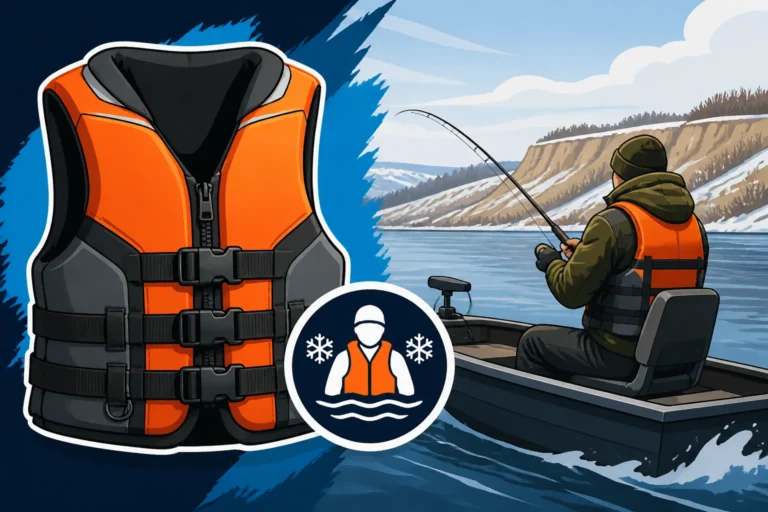
Safety should always be your number one priority, especially on a large, potentially unpredictable lake like Devils Lake. A Coast Guard-approved Personal Flotation Device (PFD), or life jacket, is not just recommended, it's often legally required and absolutely essential. Wear it at all times; a PFD in your storage compartment won't help if you unexpectedly end up in the water. Beyond the PFD, a whistle or air horn is crucial for signaling other boaters or rescuers. Remember, larger boats can easily overlook a kayak, especially in choppy conditions or low light.
Visibility aids are also incredibly important. A brightly colored kayak and PFD are a good start, but consider adding a safety flag or light pole, especially if you'll be on the water during dawn, dusk, or in foggy conditions. A brightly colored flag mounted on a tall pole makes you much more visible to powerboats. In cold weather, a dry suit or immersion gear is also a critical consideration, as cold water exposure can quickly become life-threatening. Always check the water temperature before heading out, and dress for the water, not just the air. For more on staying safe, especially in colder conditions, look into Best Life Jackets for Cold Water Fishing.
Electronics and Navigation
While a simple compass and map can get you by, modern electronics can vastly improve your efficiency and safety on Devils Lake. A good fish finder is almost essential for locating structure, identifying baitfish, and marking individual fish. Look for units with GPS capabilities, as these can help you navigate back to your launch point, mark productive fishing spots (waypoints), and show you contours of the lake bottom. Some fish finders even offer side-imaging or down-imaging, giving you a clearer picture of what's beneath and around your kayak. Companies like Humminbird and Garmin offer excellent marine electronics that are popular among kayak anglers.
A waterproof phone case or a dedicated marine VHF radio is also a smart idea for communication, especially if you venture far from shore or fish alone. A handheld GPS unit can serve as a reliable backup if your fish finder or phone battery dies. Powering these electronics will require a compact, waterproof 12V battery, often stored in a dry bag. Take the time to properly rig your electronics, ensuring all connections are waterproof and secure. Having these tools will not only help you catch more fish but also give you greater confidence in navigating the vastness of Devils Lake. For more general advice on electronics, consider reading about Best Fish Finders for Boat Fishing.
Choosing Your Kayak: Factors to Consider Beyond the Boat
Beyond the kayak itself and the immediate accessories, there are personal considerations that play a huge role in making the right choice. Your individual fishing habits, where you store your kayak, and your financial plan all contribute to the overall picture.
Your Fishing Style and Target Species
Your personal fishing style and the species you primarily target on Devils Lake should heavily influence your kayak choice. Are you a minimalist, content with a single rod and a small tackle box, paddling to serene spots for panfish? Or are you a gear-heavy angler, with multiple rods, a robust tackle system, and a passion for trolling for trophy walleye? If you're chasing bigger fish like northern pike or large walleye, a more stable platform with plenty of room to fight a fish is paramount. If you love to stand and cast, then stand-up stability becomes a key feature.
If you enjoy actively moving around and covering vast areas, a pedal-drive kayak might be worth the investment for its efficiency and hands-free operation. If you prefer to slowly drift or anchor and cast, a paddle kayak might be perfectly sufficient. Think about how you enjoy fishing most and let that guide your decision. There's no single "best" kayak; there's only the best kayak for you and your unique approach to angling on North Dakota Walleye Fishing Techniques.
Transport and Launching Logistics
A fantastic kayak is useless if you can't easily get it to the water. Consider your vehicle: Do you have a roof rack capable of safely transporting a rigid kayak? Will a longer, heavier kayak require a trailer? If you drive a smaller car or have limited storage at home, an inflatable kayak, or a shorter, lighter rigid kayak, might be a more practical choice. Keep in mind that longer pedal-drive kayaks can be quite heavy, sometimes weighing over 100 pounds, making solo loading and unloading a challenge without a specialized cart or a second person.
Launching conditions on Devils Lake can vary widely, from concrete boat ramps at popular North Dakota Fishing Access Sites on Lake Sakakawea (which are also often found on Devils Lake) to primitive shoreline access points with mud or rocks. A kayak that's easy to drag or can be easily launched from diverse terrains will expand your fishing opportunities. A good kayak cart is almost an essential accessory, allowing you to transport your kayak from your vehicle to the water without straining your back. Factor in these practicalities, as they will significantly impact how often you actually get out on the water.
Budgeting for Your Kayak Fishing Setup
Let's talk money, because a kayak fishing setup can range from quite affordable to a significant investment. It's not just the kayak itself; you need to budget for essential safety gear, paddles (even for pedal drives), a PFD, an anchor, and potentially a fish finder, rod holders, and a cart. Trying to cut corners on safety gear or key accessories is never a good idea. Instead, prioritize your needs. Maybe start with a solid paddle kayak and add a fish finder later, or invest in a used pedal-drive kayak to save on the initial cost.
Think about the long-term value and your expected frequency of use. A more expensive kayak might offer superior comfort, features, and durability, making it a better value over many years of enjoyment. Retailers like Amazon and Bass Pro Shops offer a wide range of options at different price points, allowing you to compare and find something that fits your budget. Don't forget that many accessories can be added over time as you identify your needs and save up. It's better to start with a solid, safe foundation and build up your dream setup rather than buying everything at once and compromising on quality.
Top Kayak Models for Devils Lake (by Feature and Type)
Instead of listing specific models that can change seasonally, let's talk about the types of kayaks you'll commonly find that excel on Devils Lake, focusing on their inherent design advantages. This way, you can look for similar features when you're shopping, regardless of the brand name on the side.
Stable, Feature-Rich Sit-on-Tops
When we talk about the best sit-on-tops for Devils Lake, we're really focusing on those wider, flatter-hulled boats that prioritize stability above all else. These kayaks are often in the 11 to 13-foot range, giving them enough length to track reasonably well, but their primary design goal is to create a rock-solid platform. They'll typically feature spacious, open decks with large tankwells at the stern, perfect for a tackle crate or a cooler for your catch. Integrated gear tracks along the gunwales are a common sight, allowing you to easily add and adjust rod holders, electronics mounts, and other accessories without drilling holes.
The seating in these kayaks is usually elevated, often a framed, mesh-style seat that sits a few inches off the deck. This not only keeps you drier but also provides better visibility and comfort for long days of fishing. Think of them as miniature fishing platforms. Brands that focus on fishing often equip these models with multiple flush-mount rod holders and sometimes even a designated spot for a transducer for your fish finder. Their robust construction means they can handle a bit of rough and tumble against shoreline rocks or submerged timber, which is a common occurrence when exploring the nooks and crannies of best fishing lakes in North Dakota.
| Feature | Ideal for Devils Lake Sit-on-Top | Benefits |
|---|---|---|
| Length | 11-13 feet | Good balance of tracking, speed, and maneuverability. Easier to transport than longer boats. |
| Width | 32-36 inches | Provides superior primary and secondary stability, crucial for open water, standing, and fighting fish. |
| Hull Design | Flatter, pontoon-style | Maximizes stability, minimizes rocking motion, allows for stand-up fishing in many models. |
| Seating | Elevated, framed mesh seat | Increased comfort, better visibility, keeps you dry, often adjustable for height/recline. |
| Storage | Large tankwell, front/rear hatches | Ample space for tackle, cooler, dry bags. Easy access to gear. |
| Rigging | Integrated gear tracks | Highly customizable for rod holders, fish finders, camera mounts, allows for easy adjustment. |
| Weight Capacity | 350-500+ lbs | Accommodates angler, gear, and potential catch with a good safety margin. |
Performance-Oriented Pedal-Drive Kayaks
For those who want to cover serious ground, troll effectively, and keep their hands on their rod, performance-oriented pedal-drive kayaks are the clear front-runners for Devils Lake. These kayaks are typically longer, often in the 12 to 14-foot range, with designs optimized for tracking and speed. The hull might be a bit narrower than a super-stable paddle sit-on-top, but the trade-off is superior efficiency through the water, especially when propelled by pedals. Many will have a more defined keel or a narrower entry point at the bow to help cut through waves rather than riding over them, which is a big plus on windy days.
The pedal drive system is the star here, allowing for seamless forward movement, and in many designs, instant reverse, which is incredibly useful for battling fish or navigating tight spots. The steering is usually controlled by a rudder system operated by a hand lever next to the seat, offering precise directional control. These kayaks often come with advanced features like transducer mounts built into the hull, dedicated battery storage, and even pre-wired options for electronics. While the initial cost is higher, the sheer fishing efficiency and reduced fatigue often make them the top choice for dedicated anglers tackling large, species-rich waters like Devils Lake. If you're looking for gear to go with this type of kayak, check out Best Kayak Fishing Gear for North Dakota Lakes.
Disclaimer
This article is for general informational purposes only and does not constitute professional advice. Laws, prices and regulations vary by location and change over time. Consult a qualified professional for guidance on your specific situation.