How to Keep Minnows Alive Longer
There's nothing more frustrating than arriving at your favorite North Dakota fishing spot, excited to drop a line, only to find your bucket of lively minnows has turned into a sad collection of floating casualties. Keeping live bait, especially minnows, alive and kicking is crucial for a successful day on the water, whether you're chasing walleye on Lake Sakakawea or perch on Devils Lake. This guide is all about giving you the practical know-how to keep those minnows vibrant and irresistible, from the bait shop to your hook, ensuring your bait stays lively for longer.
The Unseen Killers: Why Minnows Don't Make It
Before we dive into solutions, it's important to understand why minnows often perish too soon. It’s not usually one single factor, but a combination of environmental stressors that, when compounded, turn your lively bait into dead weight. Understanding these common culprits will empower you to take proactive steps, rather than just reacting when it's too late.
Temperature Shock and Extremes
Minnows, like most fish, are incredibly sensitive to rapid changes in water temperature. Imagine stepping from a warm house into a blizzard without a coat – that’s similar to what a minnow experiences when suddenly moved from a cool bait shop tank to scorching hot summer lake water, or vice-versa during the freezing North Dakota winters. Even subtle shifts can trigger stress, weaken their immune system, and ultimately lead to death.
Beyond sudden changes, prolonged exposure to extreme temperatures is equally detrimental. In the summer, a bait bucket left in direct sunlight can quickly heat up, depleting oxygen and essentially cooking your minnows. Conversely, in deep winter during How to Ice Fish in North Dakota season, inadequate insulation can lead to the water freezing, or becoming so cold that the minnows simply shut down and die from hypothermia. Maintaining a stable, moderate temperature is paramount to their survival.
Oxygen Deprivation
This is arguably the most common and fastest killer of live minnows. Just like us, fish need oxygen to survive, and they extract it from the water through their gills. When too many minnows are crammed into a small bucket, or the water isn't circulated, the available oxygen quickly gets used up. The warmer the water, the less oxygen it can hold, making summer days particularly challenging.
You'll notice signs of oxygen deprivation when minnows start gasping at the surface, which is a clear indication that they are struggling. Without sufficient oxygen, their metabolic processes falter, leading to organ failure and death. An active aerator is your best friend in this battle, continuously bubbling air into the water and ensuring your bait can breathe easy.
Waste Buildup and Water Quality
Every living creature produces waste, and minnows are no exception. Their bodily waste, primarily ammonia, quickly accumulates in stagnant or uncirculated water. Ammonia is highly toxic to fish, even in small concentrations, burning their gills and making it impossible for them to properly take in oxygen. This toxic soup also promotes bacterial growth, further deteriorating water quality and introducing diseases.
Beyond ammonia, the slime coat on fish, which protects them from infections and parasites, can be sloughed off when stressed or crowded. This slime contributes to water fouling and uses up oxygen as it decomposes. Regular water changes, using properly conditioned water, are essential to dilute these harmful substances and provide a healthier environment for your bait. You can't just keep adding fresh minnows to dirty water and expect them to thrive.
Stress and Handling
Minnows are prey animals, and they are easily stressed. Rough handling, being netted aggressively, or even excessive light can send them into a state of shock. When stressed, fish release cortisol, a hormone that suppresses their immune system and makes them more susceptible to disease and death. The jostling of a car ride, loud noises, and even the vibration of a boat motor can contribute to this stress.
Minimizing handling is crucial. Use a soft, fine-mesh net to transfer them gently, and try to only handle them when absolutely necessary. Providing a dark, calm environment in their bucket can significantly reduce stress levels. A calm minnow is a healthy, lively minnow, and a lively minnow is what you want on your hook.
Gearing Up for Lively Bait: Essential Equipment
You wouldn't head out on the ice without proper attire, and you shouldn't head out fishing without the right gear to keep your minnows alive. Investing in a few key items can make all the difference in bait longevity, transforming your fishing experience from frustrating to fantastic. Think of these as essential tools in your Essential Gear Checklist for North Dakota Fishing for live bait.
The Right Bait Bucket
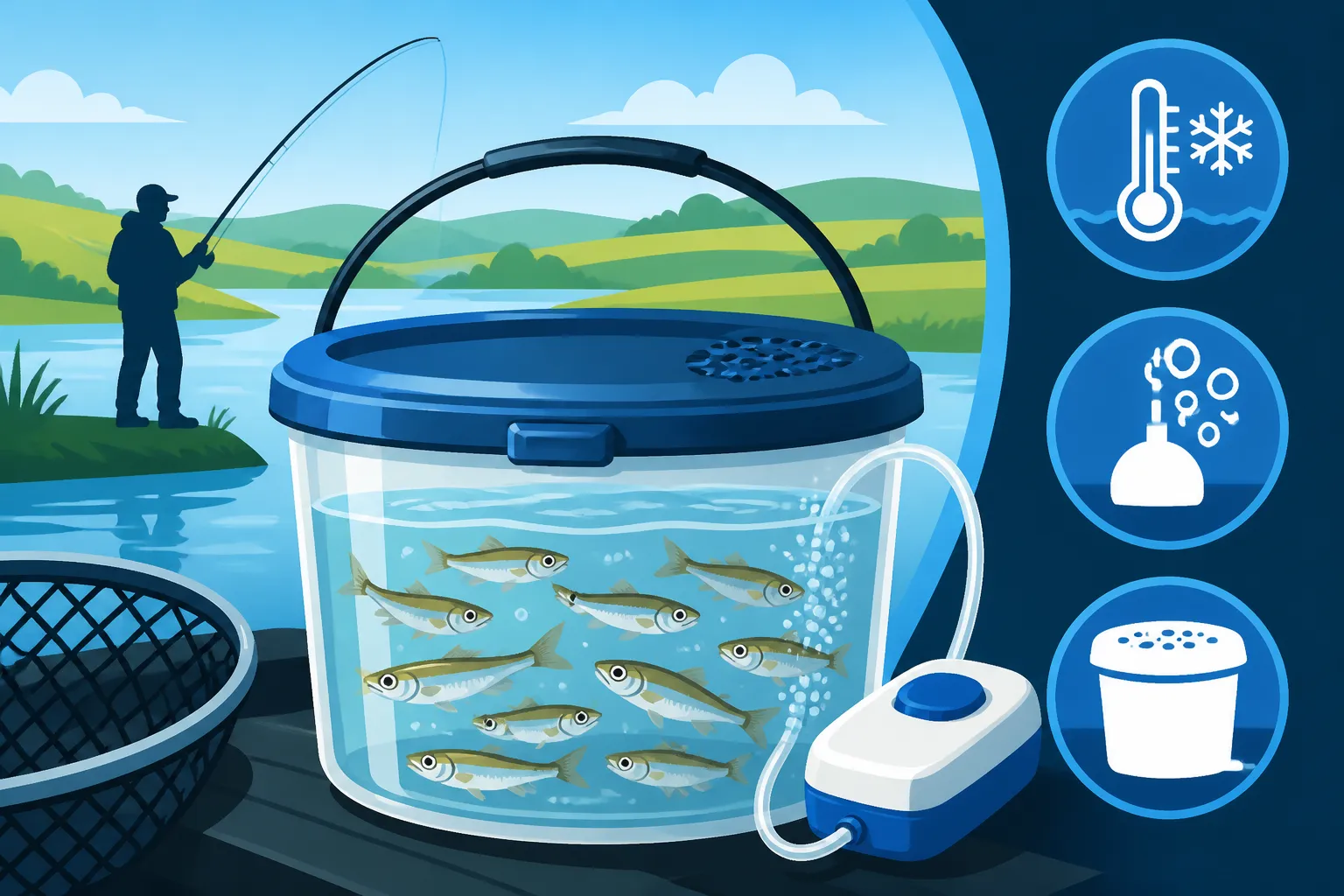
Not all bait buckets are created equal. Forget those flimsy, uninsulated plastic buckets if you're serious about keeping minnows alive. What you need is an insulated bait container that can help stabilize water temperature, keeping it cool in summer and preventing freezing in winter. Many anglers swear by insulated coolers modified for bait, or purpose-built bait buckets from reputable brands.
Look for a bucket that's dark in color on the inside (to reduce light stress on the minnows) and has a secure, yet easy-to-access lid. A capacity of 5-gallon is often a good starting point for a day's worth of fishing. Some advanced models even come with integrated aerators or compartments for ice packs. Brands like Frabill and Engel offer excellent insulated options that can be found at local bait shops, or easily ordered through Bass Pro Shops or online through Amazon.
Portable Aerators: A Must-Have
If there's one piece of equipment you absolutely must have for keeping minnows alive, it's a portable aerator. These battery-operated devices continuously bubble air into the water, replenishing dissolved oxygen and preventing your minnows from suffocating. They are non-negotiable for anyone serious about using live bait for species like walleye or northern pike in North Dakota.
Aerators come in various forms: clip-on models that attach to any bucket, built-in units on specialized bait containers, or even submersible pumps. Look for one with a strong, reliable motor and sufficient battery life for your trip. An air stone at the end of the air hose will create finer bubbles, which are more efficient at diffusing oxygen into the water. Having a spare set of batteries is always a smart move, especially when you're out on the ice far from civilization. You can often find a wide variety of these essential devices, including top-rated models, at Bass Pro Shops.
Temperature Control Aids
Managing water temperature is critical. In summer, you'll need ways to keep the water cool without directly adding ice that can shock your minnows or introduce chlorine if it's tap water. Frozen plastic water bottles or freezer packs are perfect for this. Simply freeze them solid and place them directly into the minnow water. As they melt, they slowly cool the water without diluting it or releasing harmful chemicals.
For colder seasons, especially when Ice Fishing Shelter Rules on North Dakota Lakes are in effect, you might need to prevent the water from freezing. An insulated bucket is the first line of defense. In extreme cold, you might even use a chemical hand warmer taped to the outside of the bucket (never inside!) or store the bucket inside your ice shelter near a heater, ensuring the temperature remains stable but doesn't get too warm. The goal is stability, not extreme hot or cold.
Water Conditioners and Nets
Tap water often contains chlorine and chloramines, chemicals that are lethal to minnows. A small bottle of minnow saver drops or a similar water conditioner can quickly neutralize these harmful substances, making tap water safe for your bait. It’s a small investment that pays huge dividends in minnow health. Always follow the product's instructions for dosage.
When it comes to handling your minnows, ditch the heavy, coarse fishing net. You need a small, fine-mesh net, sometimes called a minnow dip net. This type of net allows you to scoop individual minnows gently without damaging their delicate slime coat or fins. Minimizing physical trauma is key to reducing stress and keeping them robust and lively. Think about how important Best Bait for North Dakota Fishing is; taking care of it properly ensures it performs its best.
From Shop to Shore: Transport and On-the-Water Care
The journey from the bait shop to your fishing spot, and the care you provide while out on the water, are pivotal to keeping your minnows alive. It’s not just about having the right gear, but knowing how to use it effectively and adopting best practices every step of the way.
Initial Pickup and Transport
Your minnows' journey begins at the bait shop. Always try to buy them from a reputable dealer known for healthy, active bait. Don't be shy about observing the minnows in the shop's tank – are they lively, swimming naturally, or are there a lot of dead or struggling ones? A good start makes all the difference. When you purchase them, ask for a bag of the shop's water, as it’s already acclimated to the minnows.
For transport, immediately transfer the bagged minnows into your insulated bait bucket with the aerator running. If it's a warm day, a frozen water bottle or gel pack in the bucket will help keep the temperature stable during the drive. Avoid direct sunlight on the bucket in your vehicle and make the trip to your fishing destination as quickly and smoothly as possible. The less time they spend stressed in transit, the better their chances of long-term survival. This is especially true for delicate bait often used in North Dakota Walleye Fishing Techniques.
Acclimation and Water Changes
Once you arrive at your fishing spot, resist the urge to immediately dump out the bait shop water and replace it with lake water, especially if there's a significant temperature difference. Instead, float the sealed bag of minnows in the lake water inside your bait bucket for 15-20 minutes. This allows the water temperatures to equalize, preventing a sudden thermal shock. After acclimation, you can gently release them into the main bucket with lake water.
Regular water changes are paramount. Even with an aerator, waste still builds up. Instead of one large water change at the end of the day, aim for smaller, more frequent changes throughout your trip, especially if you have a lot of minnows in the bucket. Scoop out about a third of the water and replace it with fresh lake water. Remember, if you're using water from a tap, always use a water conditioner. For optimal conditions, consider having a look at options for Best Bait Bucket With an Aerator to make these changes easier and more effective.
On the Ice or Open Water
Whether you're battling the elements during a North Dakota winter or enjoying a calm summer day, maintaining the right environment for your minnows is crucial. On open water, keep your bait bucket out of direct sunlight and in the coolest, shadiest part of your boat. For ice fishing, position your bucket inside your ice shelter, away from direct heater vents but in a spot where it won't freeze. Best Live Bait Storage for Ice Fishing often involves insulated containers that help regulate temperature in extreme cold.
Keep your aerator running continuously. This cannot be stressed enough – a constant supply of oxygen is life for your minnows. Only take out the minnows you plan to use immediately, using your soft-mesh net. Avoid putting used minnows back into the main bucket, as they may be stressed, injured, or carry diseases that could contaminate the healthy ones. By being mindful of these practices, your bait will stay lively, ready for enticing that next big North Dakota Northern Pike Fishing Guide trophy.
Advanced Tips for Extended Minnow Life
Sometimes, a single day of fishing just isn't enough, or you want to keep a larger supply of minnows on hand for multiple trips. With a little extra effort and the right setup, you can extend the life of your live bait considerably, making sure you always have fresh, active minnows when you hit the water.
The Minnow Pen or Cage
For serious anglers or those planning multi-day excursions on big bodies of water like Lake Sakakawea, a minnow pen or cage can be a game-changer. These are essentially floating mesh cages that you can anchor in the lake or river, allowing fresh, naturally oxygenated water to flow through. This setup provides a much larger, more natural environment for your minnows than any bucket could, significantly extending their lifespan.
When choosing a minnow pen, look for one with fine mesh to prevent escape and protect your minnows from predators. Position it in a shady, protected area with good water circulation, but out of strong currents that could stress the fish. Remember to check on them regularly, and if you're leaving them for an extended period, ensure the pen is securely anchored and won't drift away. This can be an excellent option for long weekends when you're targeting species like the North Dakota Yellow Perch Fishing Guide over several days.
Minimalist Approach for Quick Trips
Not every fishing trip requires a full-blown minnow spa. For those quick, spontaneous outings where you might only need a couple dozen minnows for a few hours, a minimalist approach can still be effective. The key here is not necessarily to extend their life for days, but to ensure they survive the few hours you need them.
In this scenario, a smaller, insulated bait bucket with a reliable, clip-on aerator is often sufficient. Focus heavily on keeping the water temperature stable with a small frozen bottle. If you're only out for an hour or two, frequent water changes might not be necessary, but constant aeration is still critical. The goal is efficiency and practicality, ensuring your bait stays lively just long enough to get the job done without overcomplicating your setup.
Recognizing and Reacting to Stressed Minnows
Being observant is a crucial skill for any angler, and it extends to the health of your bait. Learn to recognize the signs of stressed or dying minnows so you can react quickly. Gasping at the surface, lying on their sides at the bottom, or swimming erratically are all red flags. A cloudy film over their eyes or a dulling of their natural color can also indicate poor health.
If you notice these signs, immediately assess the situation. Is the aerator working? Is the water temperature too high or too low? Does the water look cloudy or smell foul, indicating a need for a water change? Address the most likely culprit first. Sometimes, simply changing a portion of the water and adding a fresh frozen bottle (or removing one if it's too cold) can revive them. Acting swiftly can save your bait and your fishing trip.
| Method | Best Use Case | Pros | Cons |
|---|---|---|---|
| Insulated Bait Bucket + Aerator | Most fishing trips (1-2 days) | Portable, effective, common | Requires battery upkeep, limited capacity |
| Cooler (Modified) + Aerator | Longer trips, more minnows | Excellent temperature control, durable | Bulkier, can be heavier, more DIY |
| Minnow Pen/Cage (in water) | Multi-day trips, shore fishing | Natural environment, large capacity, no batteries | Stationary, requires access to water, vulnerable to predators |
| Frozen Water Bottles/Packs | Temperature control (hot or cold) | Simple, safe, reusable | Takes up space, needs pre-freezing/heating |
| Water Conditioners | Tap water for changes | Neutralizes harmful chemicals | Must remember to use, adds small cost |
Disclaimer
This article is for general informational purposes only and does not constitute professional advice. Laws, prices and regulations vary by location and change over time. Consult a qualified professional for guidance on your specific situation.