Budget Gear Setup for New Anglers
Stepping into the world of fishing can feel incredibly overwhelming, especially when you start looking at all the gear out there. It seems like every angler has a dozen different rods, a tackle box overflowing with lures, and a boat that costs more than a house. If you're new to the game, or simply want to try your hand at casting a line without having to take out a second mortgage, you're probably wondering how to even begin. This guide is all about cutting through that noise and showing you how to put together a perfectly capable, budget-friendly fishing setup that will get you out on the beautiful waters of North Dakota without breaking the bank.
Your First Setup: Rod, Reel, and Line for North Dakota
The rod, reel, and line are the holy trinity of your fishing setup. Getting these right as a beginner, especially on a budget, means focusing on versatility. You want gear that can handle a variety of situations and species you'll encounter in North Dakota, from a feisty walleye in Lake Sakakawea to a hungry perch in Devils Lake, without having to buy a specialized setup for every single fish.
Choosing Your First Rod and Reel Combo
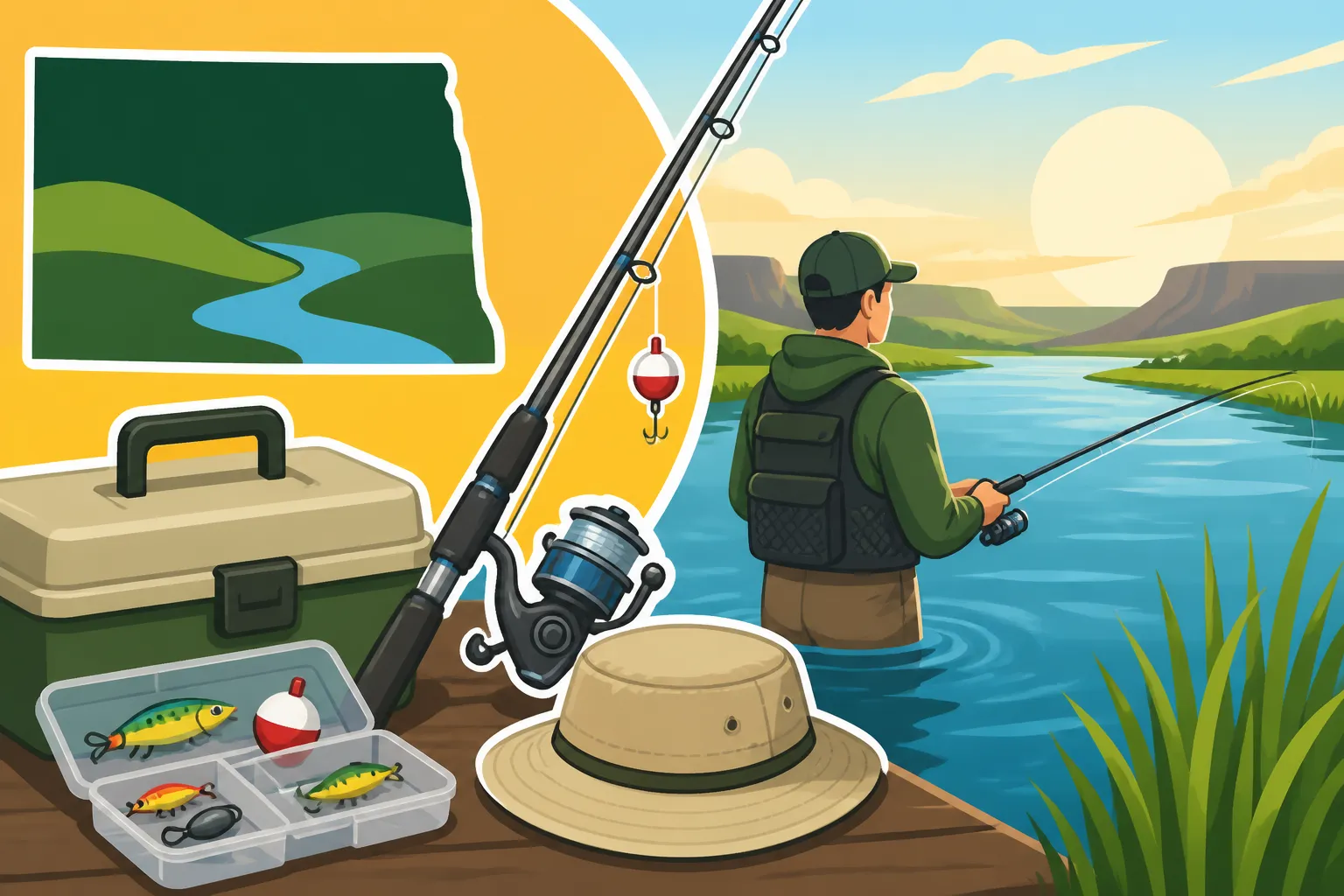
For a new angler, a spinning rod and reel combo is almost always the way to go. They are incredibly user-friendly, forgiving of casting errors, and versatile enough for most common North Dakota fishing scenarios. When you're looking at combos, don't just grab the cheapest one you see. Instead, look for a "medium power, fast action" setup in the 6'6" to 7' length range. This combination offers a sweet spot of sensitivity to feel those subtle bites and enough backbone to handle larger fish like northern pike, yet it’s light enough to enjoy reeling in smaller perch or crappies. The fast action means the rod bends mostly in the top third, giving you good casting distance and quick hook sets, which is crucial for many of our local species.
Think about it like this: if you go too light, you'll struggle to cast heavier lures or fight larger fish. Go too heavy, and you won't feel a panfish nibbling, making it a frustrating experience. A medium power rod is your all-around workhorse. You can find excellent quality starter combos from reputable brands at places like Bass Pro Shops or even online at Amazon, often bundled together for a lower price than buying components separately. Many of these beginner combos are surprisingly durable and will serve you well for several seasons as you hone your skills. For more options, check out our guide on Best Rod and Reel Combo for Beginners in North Dakota.
Understanding Fishing Line: Mono vs. Braid for North Dakota Waters
Once you have your rod and reel, the next critical component is your fishing line. This is where many new anglers get confused, but it doesn't have to be complicated. For a budget-friendly and beginner-friendly approach in North Dakota, you generally have two main choices: monofilament (mono) or braided line.
Monofilament is often the default for many beginner combos because it's inexpensive, easy to tie knots with, and has a bit of stretch, which can be forgiving when fighting a fish or when you make a mistake setting the hook. A 6-10 pound test monofilament line is a great starting point for most walleye, perch, and small northern pike fishing. The stretch in mono also acts as a shock absorber, which can prevent hooks from tearing out of a fish's mouth, especially if you're a little heavy-handed on the retrieve. However, it can have more memory (coiling off the reel) and less sensitivity than braid.
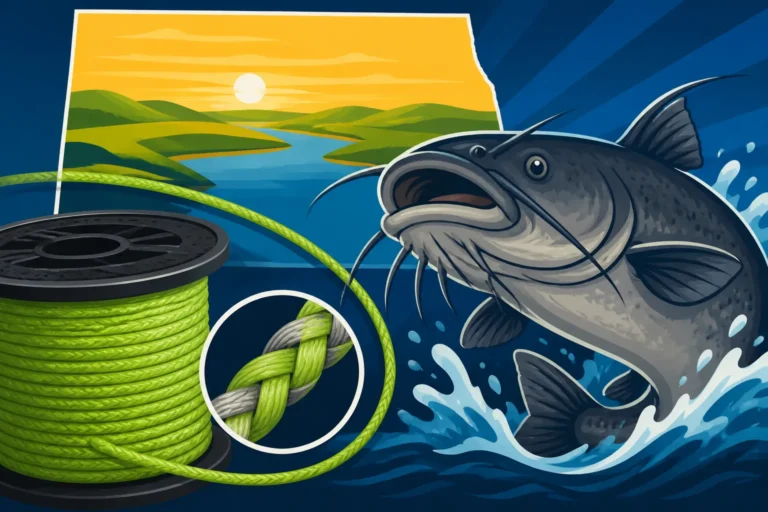
Braided line, while a bit pricier upfront, offers superior strength for its diameter, no stretch, and incredible sensitivity. This means you can feel every little bump, twitch, and bite much more clearly. For North Dakota waters, many experienced anglers spool their reels with 10-20 pound test braid and then add a short leader (3-5 feet) of fluorocarbon line (6-12 pound test). The fluorocarbon leader is virtually invisible underwater and offers abrasion resistance, which is fantastic when fishing around rocks, weeds, or for toothy critters like northern pike. While a bit more advanced to tie the braid-to-fluoro knot, the benefits in terms of bite detection and fighting power are undeniable, especially if you're targeting wary walleye. Don't worry, there are plenty of simple knot tutorials online to get you started! If you're looking to dive deeper into line choices, our article on Best Fishing Line for North Dakota Lakes has more detailed information.
Smart Tackle Box Choices: Lures and Bait on a Shoestring Budget
The tackle box is often where new anglers go overboard, buying every shiny lure they see. The trick to a budget-friendly tackle box, especially in North Dakota, is to focus on versatile lures and the undeniable effectiveness of live bait. You don't need a thousand options, just a few reliable ones that consistently catch fish.
Versatile Lures for North Dakota's Most Popular Fish
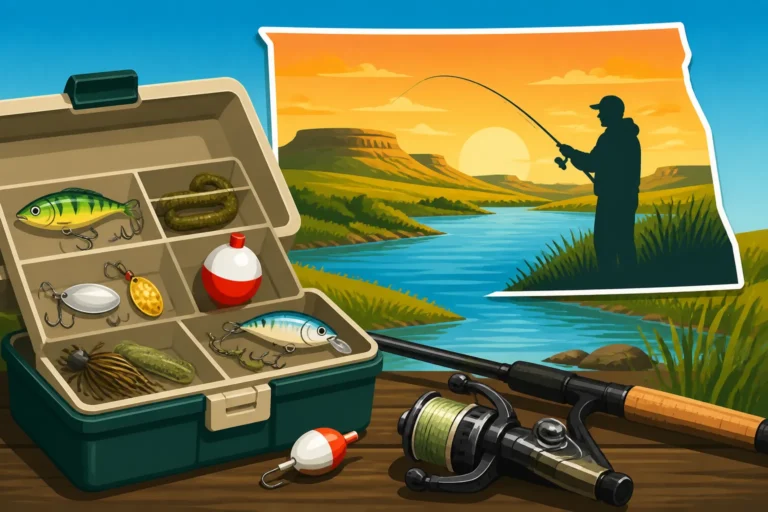
For a starter tackle box, prioritize lures that are effective for walleye, perch, and northern pike – the big three that most North Dakota anglers pursue.
- Jigs: These are perhaps the most versatile lure out there. Stock up on a variety of jig head weights (1/8 oz to 1/2 oz) and colors (chartreuse, white, black, pink, orange). Pair them with soft plastic bodies like curly tail grubs, paddle tails, or minnow imitations in natural or bright colors. Jigs can be cast and retrieved, jigged vertically from a boat, or even worked effectively from shore. They're a staple for walleye and perch, and even pike will hit a larger jig. For more specific lure recommendations, check out Best Jigs for North Dakota Walleye.
- Crankbaits: A few shallow-diving and medium-diving crankbaits are excellent for covering water, especially when trolling from a boat or kayak, or casting from shore. Look for colors that mimic baitfish (silver, perch patterns) or bright attractor colors (firetiger, hot pink). Brands often have budget-friendly options that still run true. These are fantastic for walleye and northern pike, allowing you to present a bait at a consistent depth.
- Spoons: Simple metal spoons are incredibly effective for northern pike and even walleye. Silver, gold, or red-and-white patterns are classics. They cast a mile and have an enticing wobble on the retrieve that predatory fish can't resist. They're particularly good when you're looking to cast long distances from a bank or cover a lot of water.
Remember, the goal isn't to buy everything. Start with a few of each type and expand as you learn what works best in the specific waters you fish.
Affordable Live Bait and Its Importance
While artificial lures are fun to cast, never underestimate the power of live bait, especially for new anglers. Sometimes, fish are just finicky, and nothing beats the real thing. Plus, live bait often gives you more time to react to a bite since fish tend to hold onto it longer.
- Minnows: Minnows are gold for walleye, perch, and even northern pike. You can buy them by the dozen or by the pound at most local bait shops. Keeping them alive requires a simple aerated bait bucket, which is a worthwhile small investment.
- Nightcrawlers/Worms: These are universal fish catchers. Bluegill, perch, walleye, and even smaller catfish can't resist a plump worm. You can buy them by the dozen, or if you're really on a budget, you can often find them in your own garden after a rain shower!
- Cut Bait: For larger species like channel catfish, especially on the Red River or Lake Oahe, using cut bait from rough fish like suckers or even store-bought chicken livers can be incredibly effective and very economical.
The beauty of live bait is its simplicity. Often, a hook, a sinker, and a bobber are all you need to present it effectively. This simple rig is perfect for beginners and often outperforms complex lure presentations. For more details on what bait works best in various North Dakota scenarios, our Best Bait for North Dakota Fishing guide is a fantastic resource.
Beyond the Rod: Essential Accessories for New Anglers
Fishing isn't just about the rod and reel; there are some essential accessories that ensure safety, comfort, and make your trip more enjoyable and successful. And yes, you can get these without spending a fortune.
Basic Safety and Comfort Gear
Your safety and comfort are paramount, even when you're trying to keep costs down. Don't skimp on these items.
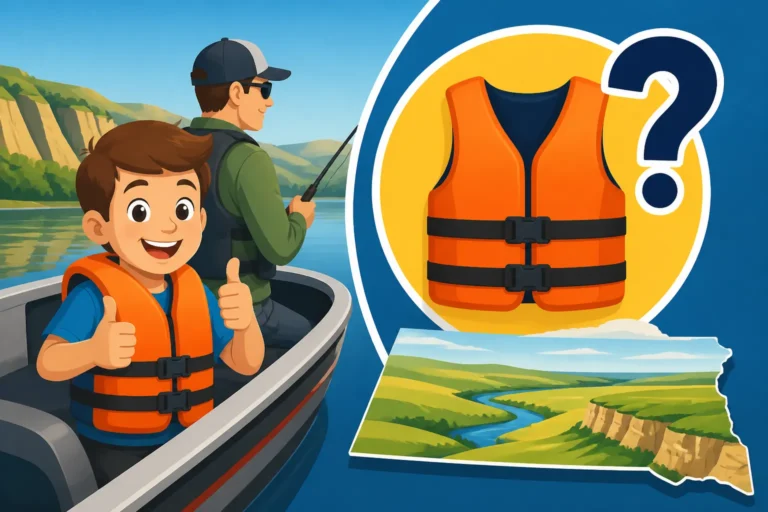
- Life Jacket (PFD): If you're going to be in any kind of boat, kayak, or even fishing from slippery banks near deep water, a U.S. Coast Guard-approved life jacket is non-negotiable. You can find affordable, comfortable models that will literally save your life. North Dakota's waters can be unpredictable, especially the large reservoirs like Lake Sakakawea, and cold water is a real danger. It’s always better to be safe than sorry, even on a calm day.
- Sun Protection: North Dakota summers can be brutal with intense sun. A wide-brimmed hat, sunglasses (polarized ones, if you can swing it, make a huge difference in seeing through the water!), and good quality sunscreen are vital. Sunburn and eye strain will cut your trip short and make you miserable.
- Bug Spray: Mosquitoes and other biting insects can be relentless, especially during dawn and dusk or in marshy areas. A strong insect repellent can make the difference between a pleasant evening on the water and a frantic retreat.
- First-Aid Kit: A small, basic kit with bandages, antiseptic wipes, pain relievers, and tweezers for hook removal is a smart addition to any tackle bag. Accidents happen, and being prepared means you can deal with minor cuts or scrapes quickly.
These items aren't glamorous, but they are foundational to a positive fishing experience. Think of them as an investment in your well-being.
The Right Tools for Handling Your Catch
Once you start catching fish (and you will!), you'll need a few tools to handle them ethically and safely, for both you and the fish.
- Pliers: A good pair of needle-nose pliers or specialized fishing pliers is a must-have. They help you quickly and safely remove hooks from fish, minimizing stress on the fish and keeping your fingers away from sharp teeth. They're also handy for cutting line, bending hooks, or crimping split shots.
- Landing Net: While not always strictly necessary, especially for smaller fish, a landing net makes landing larger fish much easier and safer, particularly if you're fishing alone or from a boat. It reduces the chance of losing a fish right at the boat and also protects the fish from being dragged onto rough surfaces. You don't need a huge, expensive net; a moderately sized, collapsible model will do the trick.
- Stringer or Cooler: If you plan on keeping your catch for dinner (and many North Dakota species are delicious!), you'll need a way to keep them fresh. A simple fish stringer, which allows you to keep fish alive in the water, is very inexpensive. If you're keeping multiple fish or fishing on a hot day, a small cooler with ice is a better option. Even a budget-friendly cooler can keep your fish chilled until you get home. For keeping your hard-earned catch fresh, check out Best Coolers for Keeping Fish Fresh.
- Fillet Knife: If you plan to clean your own fish, a sharp fillet knife is essential. You can find decent ones that hold an edge for a reasonable price. Learning to fillet your catch is a rewarding part of the fishing experience!
| Gear Category | Essential Items | Why it's important for beginners in ND | Budget Tip |
|---|---|---|---|
| Rod & Reel | Spinning Combo (6'6" – 7', Medium Power, Fast Action) | Versatile for walleye, perch, pike; easy to cast, forgiving. | Look for bundled combos from reputable brands. |
| Fishing Line | Monofilament (6-10 lb test) OR Braided (10-20 lb) with Fluorocarbon Leader | Mono is cheap and forgiving; Braid offers sensitivity. Both handle common ND species. | Start with mono; upgrade to braid + fluoro leader later if budget allows. |
| Lures | Jigs (1/8-1/2 oz, various colors), Soft Plastics (grubs, paddle tails) | Extremely versatile for walleye, perch, pike; can be fished many ways. | Buy multi-packs of jig heads and plastics. |
| Shallow/Medium Diving Crankbaits, Spoons | Good for covering water, targeting walleye/pike. | Choose 2-3 reliable colors/patterns. | |
| Live Bait | Minnows, Nightcrawlers/Worms, Cut Bait (optional) | Often the most effective for picky fish; easy to use. | Buy locally; dig your own worms; use cut bait for catfish. |
| Safety/Comfort | Life Jacket (PFD), Sunscreen, Hat, Sunglasses, Bug Spray, Basic First-Aid Kit | Non-negotiable for safety, comfort, and protection from elements. | Check for sales; buy generic brands for sunscreen/bug spray. |
| Fish Handling | Needle-Nose Pliers, Small Landing Net, Stringer/Cooler, Fillet Knife | For safe hook removal, landing fish, keeping catch fresh, and processing for dinner. | Simple tools are often just as effective as expensive ones. |
Saving Smart: Where to Buy and How to Stretch Your Dollar
Now that you know what to buy, let's talk about where and how to do it smartly. Getting into North Dakota fishing on a budget is absolutely doable if you shop strategically.
Retailers and Online Options
You don't need specialty shops to get good gear for a good price.
- Big Box Retailers: Stores like Walmart or Target often carry basic fishing gear at very competitive prices. You might find entry-level rod and reel combos, tackle boxes, and basic lures that are perfect for starting out.
- Sporting Goods Chains: Larger sporting goods stores such as Bass Pro Shops are excellent resources. They have a wider selection, often run sales, and their staff can sometimes offer advice on budget-friendly options. You can physically hold the rods and reels to get a feel for them before buying.
- Online Marketplaces: Websites like Amazon are treasure troves for fishing gear. You can often find great deals on individual components or combo kits. Just be sure to read reviews to ensure you're getting decent quality. The sheer volume of options can be overwhelming, but if you know what you're looking for (e.g., "medium power spinning combo"), you can filter effectively.
- Local Bait and Tackle Shops: While they might not always have the absolute cheapest prices on all gear, supporting your local bait shop is invaluable. They are a fantastic source for fresh live bait and, more importantly, hyper-local advice on what's biting, where to go, and what specific lures are working in your area. This local knowledge can save you money by preventing you from buying ineffective gear.
- Second-Hand Market: Don't overlook garage sales, online marketplaces (like Facebook Marketplace), or consignment shops for used fishing gear. You can often find perfectly good rods, reels, or even tackle boxes for a fraction of the cost. Just inspect them thoroughly for damage before buying.
Maximizing Your Budget with Smart Choices
The key to a budget setup isn't just finding cheap items, but finding value in your purchases.
- Prioritize Versatility: As mentioned earlier, choose gear that can handle multiple species and fishing styles. That one medium-power spinning combo will get you through most of your early fishing adventures, from casting from shore at a local pond to jigging for walleye from a boat. Avoid buying highly specialized gear until you've gained experience and know exactly what you need.
- Start Small, Expand Later: You don't need a massive tackle box right away. Begin with a handful of proven lures and expand your collection slowly as you learn more about what you like to fish for and what works in your favorite spots. Many new anglers just need a small utility box to hold their jigs, hooks, sinkers, and a few lures.
- Consider Starter Kits: Some retailers offer beginner fishing kits that include a rod and reel combo, a small assortment of tackle, and sometimes even a basic tackle box. These can be a good value and take some of the guesswork out of assembling your first setup. Just make sure the quality isn't too cheap.
- Learn to Tie Knots: This might sound basic, but mastering a few reliable fishing knots (like the improved clinch knot or palomar knot) will save you money by preventing lost lures and fish due to weak connections. There are tons of great video tutorials online, and it's a fundamental skill for any angler. You might want to check out How to Tie a Fishing Knot for Beginners for some easy-to-follow instructions.
- Maintenance is Key: Learn how to properly care for your gear. Rinsing your rod and reel with fresh water after each use, especially if you've been in murky or silty North Dakota waters, and storing them properly will extend their lifespan and save you from having to replace them prematurely.
Fishing in North Dakota is a fantastic experience, filled with beautiful scenery and exciting catches. Don't let the perceived cost of gear deter you from getting started. With a little bit of smart shopping and a focus on the essentials, you can build a perfectly capable and affordable setup that will bring you years of enjoyment on the water.
Disclaimer
This article is for general informational purposes only and does not constitute professional advice. Laws, prices and regulations vary by location and change over time. Consult a qualified professional for guidance on your specific situation.