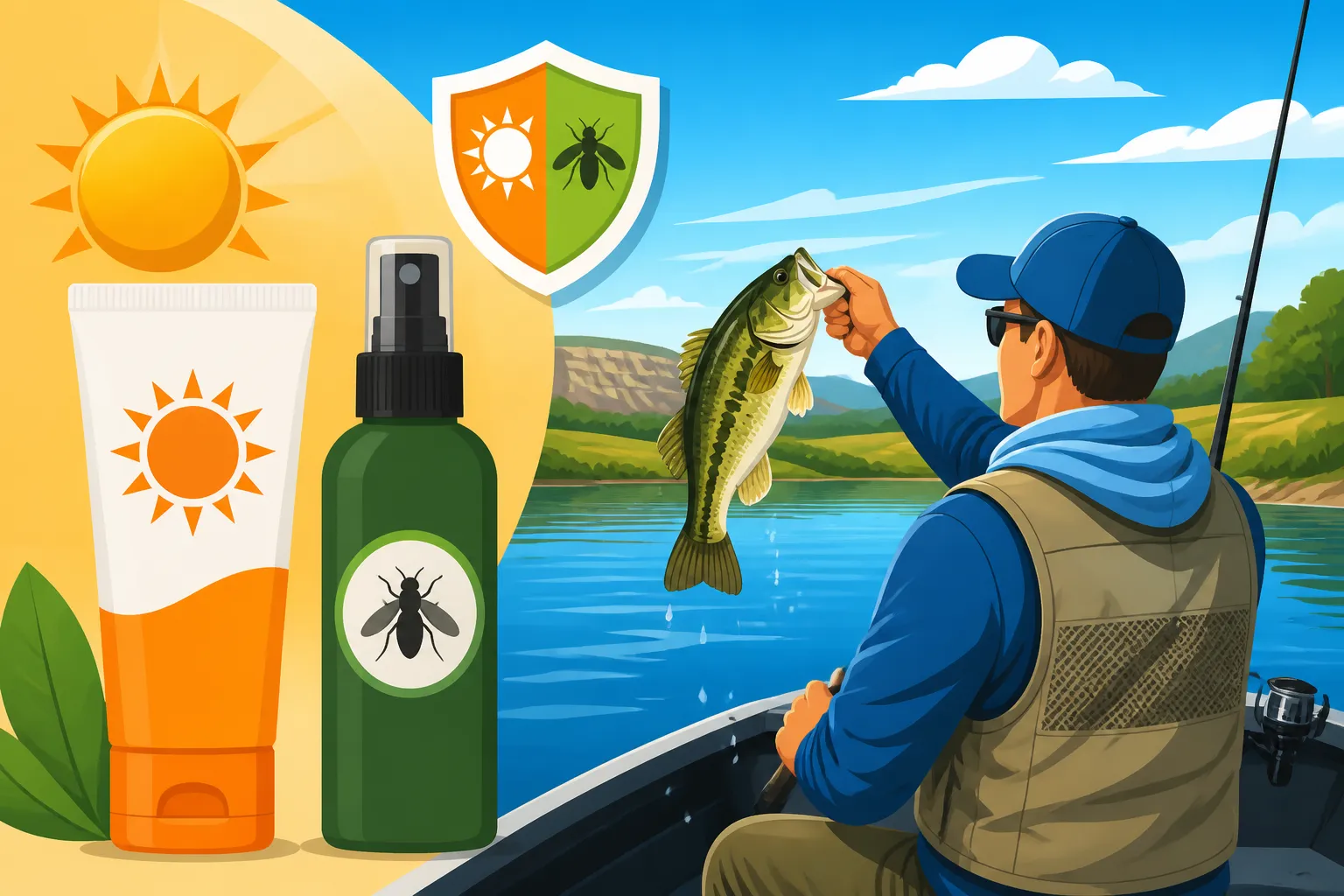
Best Sunscreen and Bug Spray for Summer Fishing
There's nothing quite like a beautiful summer day out on a North Dakota lake or river, casting lines for walleye or chasing giant channel cats. But let's be honest, those idyllic scenes can quickly turn miserable if you're battling relentless mosquitoes, gnats, or the searing North Dakota sun. This guide is all about making sure your summer fishing trips are memorable for the fish you catch, not for the sunburns and bug bites you endure, by helping you choose and use the best sunscreen and bug spray.
The Unavoidable Duo: Why Sun Protection and Bug Defense are Essential for North Dakota Anglers
When you're out on the water, whether it's the vast expanse of Lake Sakakawea or the winding stretches of the Red River, you're exposed to the elements in a way many land-based activities simply don't match. The sun's rays reflect off the water, intensifying their impact, and North Dakota's bug populations, particularly after a good rain, can be surprisingly fierce. Neglecting proper protection isn't just uncomfortable; it can lead to health risks and completely ruin an otherwise perfect day of fishing.
Protecting Your Skin from North Dakota's Sun
That bright, beautiful North Dakota sky might seem inviting, but the sun's UV radiation is a powerful force, especially when you're on a boat or standing on a wide-open shore with no shade. The sun reflecting off the water acts like a magnifying glass, increasing your exposure significantly. Many anglers make the mistake of only applying sunscreen to their faces, forgetting about their necks, ears, the tops of their hands, or even the backs of their knees if wearing shorts. These often-overlooked spots are prime real estate for painful sunburns, which can range from a mild redness to blistering, skin-peeling agony.
A sunburn isn't just a temporary discomfort; it's actual damage to your skin cells. Repeated exposure, especially to intense sun, accumulates over time and significantly increases your risk of long-term skin problems, including premature aging and various forms of skin cancer. Think about those long days fishing for North Dakota Walleye Fishing Techniques – if you’re out there for eight, ten, or even twelve hours, that's a huge amount of exposure. It’s not just about avoiding immediate pain; it’s about protecting your skin for many fishing seasons to come.
Battling North Dakota's Biting Bugs
Ah, the symphony of summer: the gentle lapping of waves, the call of a loon, and the high-pitched whine of a mosquito buzzing past your ear. North Dakota might be known for its stunning landscapes and incredible fishing, but it's also home to a healthy population of biting insects. Mosquitoes are arguably the most notorious, especially around lakes, wetlands, and rivers, making areas like Devils Lake or the Missouri River a prime hunting ground for these tiny vampires. But it's not just mosquitoes; you might encounter gnats, stable flies, or deer flies, all eager to sample a bit of your blood.
Beyond the sheer annoyance, which can drive even the most patient angler absolutely crazy, these bites come with potential health risks. Mosquitoes, in particular, can transmit diseases like West Nile virus, which, while rare, is a serious concern. Imagine finally hooking into a monster Red River Catfish Fishing Spots in North Dakota, only to be so distracted by swarms of biting insects that you can't focus on the fight. Or trying to enjoy a quiet evening on the bank, only to retreat to your tent covered in itchy welts. A good bug spray isn't just a luxury; it's a necessary piece of gear, right up there with your tackle box and fishing rod.
Choosing the Right Sunscreen for Your Fishing Adventures
Selecting the right sunscreen can feel like a daunting task with so many options on the market. But for anglers, there are specific features that elevate a good sunscreen to an essential piece of your gear. It's not just about slathering something on; it's about making an informed choice that stands up to the rigors of a day on the water.
Key Sunscreen Features for Water-Bound Adventures
When you're staring at the rows of sunscreens at your local store or browsing online, keep a few crucial factors in mind. First and foremost, you want an SPF (Sun Protection Factor) of at least 30, but preferably 50 or higher. SPF indicates how long it would take for your skin to redden when exposed to the sun compared to not wearing any sunscreen. A higher SPF provides proportionally better protection against UVB rays, which are the primary cause of sunburn. On the water, where reflections intensify UV, that extra protection is a game-changer.
Next, ensure it's "broad-spectrum" protection. This means it defends against both UVA and UVB rays. While UVB rays cause sunburn, UVA rays contribute to skin aging and can also play a role in skin cancer development. You need both types of protection, especially for prolonged exposure. Finally, and this is absolutely critical for fishing, your sunscreen must be water and sweat resistant. Labels often specify "water resistant" for 40 minutes or "very water resistant" for 80 minutes. For a long day of casting, reeling, handling fish, and potentially getting splashed, anything less simply won't cut it. You'll sweat, you'll get splashed, and if your sunscreen isn't designed to stick around, it's essentially useless after an hour or two. Many outdoor-focused retailers like Bass Pro Shops will have a dedicated section for sunscreens specifically designed for active, water-based sports, often featuring higher water resistance ratings.
Application Tips for Maximum Protection
Even the best sunscreen is useless if not applied correctly. The cardinal rule for anglers: apply your sunscreen before you even step foot outside. Give it at least 15-20 minutes to fully absorb and create that protective barrier on your skin. Don't wait until you're already on the boat or at the fishing hole. By then, you've likely already had some unprotected exposure, and your skin is warm and possibly sweaty, which can hinder proper absorption.
When applying, be generous! Most people don't use enough. Think about a shot glass full for your entire body, and don't skimp on those easily forgotten spots. Your ears, the back of your neck (especially if your hair isn't long), your scalp if you have thinning hair or are bald, and the tops of your feet and hands are all highly susceptible to sunburn. Reapplication is just as important as the initial application. Even water-resistant sunscreens wear off. Plan to reapply at least every two hours, or more frequently if you're sweating heavily, wiping your face, or getting soaked by spray from the lake. A small timer on your phone can be a helpful reminder.
Selecting Effective Bug Repellents for North Dakota's Outdoors
Just like sunscreen, choosing bug spray isn't a one-size-fits-all situation. Different active ingredients offer varying levels of protection and have different considerations, so understanding your options will help you pick the best defense against North Dakota's buzzing battalions.
Understanding Active Ingredients and Their Effectiveness
The world of bug spray boils down to a few key active ingredients, each with its own fan club and detractors. DEET is arguably the most well-known and potent bug repellent. It's incredibly effective against a wide range of biting insects, including mosquitoes, ticks, chiggers, and flies. Concentrations vary, but even lower percentages (around 15-30%) can provide several hours of protection. The downside? DEET can have a strong, distinct odor, and it's known to damage certain plastics, synthetic fabrics, and painted surfaces, so be careful spraying it near your expensive fishing gear or boat upholstery.
Picaridin is another highly effective option that's gaining popularity. It's often compared to DEET in terms of efficacy but has a milder scent and doesn't typically damage plastics or synthetics. This makes it a great choice for anglers who are concerned about their gear. Picaridin-based repellents usually come in concentrations around 10-20% and offer similar protection times to DEET. Then there's Oil of Lemon Eucalyptus (OLE), which is derived from the gum eucalyptus plant. It's often marketed as a "natural" alternative and is recognized by some health organizations as an effective repellent. It's great if you prefer to avoid synthetic chemicals, but its protection typically doesn't last as long as DEET or Picaridin, meaning you'll need to reapply more frequently. You can find a huge variety of these options, with different active ingredients and formulations, on online marketplaces like Amazon, often with user reviews that can help inform your decision based on what others in similar climates have experienced.
Application Strategies and Best Practices
Applying bug spray correctly is crucial for maximizing its effectiveness and minimizing potential downsides. The general rule of thumb is to apply bug spray to all exposed skin and even to your clothing. Bugs, especially mosquitoes, can bite through thin fabrics, so a light spray over your clothes can add an extra layer of defense. However, always spray bug repellent in a well-ventilated area, away from food, and avoid getting it in your eyes, mouth, or on any open wounds. If you're spraying children, apply it to your own hands first and then rub it onto their skin, avoiding their hands so they don't accidentally transfer it to their mouths or eyes.
As with sunscreen, reapplication is key. Always follow the product's specific instructions, as duration of effectiveness varies by active ingredient and concentration. If you're sweating heavily, wading through brush, or getting wet, you'll likely need to reapply sooner than the label suggests. And remember, bug spray doesn't kill bugs; it just makes you less attractive to them. So, if you're still seeing them land, it's probably time for another application. Checking what fellow anglers are saying about different products on outdoor forums or through product reviews on sites like Bass Pro Shops can offer valuable anecdotal evidence on what holds up best during a long day of Ice Fishing for Northern Pike With Tip-Ups or Catfishing at Night in North Dakota when the bugs are often at their worst.
| Active Ingredient | Common Concentration Range | Effectiveness (Mosquitoes/Ticks) | Scent | Material Impact | Reapplication Frequency (General) | Notes |
|---|---|---|---|---|---|---|
| DEET | 10% – 100% | High | Strong, sometimes oily | Can damage plastics, synthetics, painted surfaces | Every 2-8 hours (varies by conc.) | Most studied, very effective, but use with caution around gear. |
| Picaridin | 5% – 20% | High | Mild, odorless | Generally safe for plastics and synthetics | Every 4-8 hours (varies by conc.) | Good alternative to DEET, less irritating. |
| Oil of Lemon Eucalyptus | 30% | Moderate-High | Herbal, strong lemon | Safe for most materials | Every 2-6 hours | Natural alternative, but may require more frequent application. |
| IR3535 | 10% – 20% | Moderate | Mild | Generally safe for plastics | Every 2-4 hours | Good for casual protection, less potent than DEET/Picaridin. |
Maximizing Your Protection: Application and Beyond
Getting the right products is only half the battle. Knowing how to use them together, and what other protective measures you can take, will truly make a difference in your comfort and safety on the water.
The Right Order: Sunscreen First, Then Bug Spray
A common question many anglers have is: which one goes on first? The general consensus among dermatologists and outdoor experts is to apply sunscreen first, let it dry completely, and then apply bug spray. Here's why: sunscreen needs to form a protective layer on your skin to be effective against UV rays. If you apply bug spray first, it can interfere with the sunscreen's ability to bind to your skin properly, reducing its efficacy.
Allow the sunscreen at least 15-20 minutes to set and absorb into your skin before moving on to the bug repellent. This ensures your skin gets the full benefit of the UV protection. Once the sunscreen has dried, then apply your bug spray. This layering approach creates the most effective defense system, keeping both the sun's harmful rays and biting insects at bay, so you can focus on fishing the Best Walleye Lakes in North Dakota or exploring a new river stretch.
Considerations for Sensitive Skin and Children
For those with sensitive skin, or when fishing with kids, extra caution is always a good idea. Look for sunscreens labeled "mineral" or "physical" sunscreens, which use zinc oxide and titanium dioxide. These sit on top of the skin and physically block UV rays, making them generally less irritating than chemical sunscreens that absorb into the skin. Many brands offer hypoallergenic and fragrance-free options. Always do a patch test on a small, inconspicuous area of skin a day before full application to check for any adverse reactions.
When it comes to children, specific products are often formulated for their delicate skin. Avoid using bug sprays with high concentrations of DEET on very young children; picaridin or OLE might be more suitable alternatives. Again, apply the bug spray to your hands first and then rub it onto the child, avoiding their hands, eyes, and mouth. The goal is to provide effective protection without causing irritation, ensuring their outdoor experience is positive and safe. Remember, if you're taking youngsters along, it's always good to be familiar with specific guidelines, like those found in North Dakota Fishing Rules for Kids and Families.
Beyond Sprays and Lotions: Other Protective Measures
While sunscreen and bug spray are essential, they are just two tools in your arsenal. Smart clothing choices can significantly enhance your protection and comfort. Investing in UPF (Ultraviolet Protection Factor) rated clothing is a game-changer for anglers. These long-sleeve shirts, pants, and neck gaiters are specifically designed to block UV radiation, often equivalent to SPF 30-50+, and they don't wash off or wear out like sunscreen. They also provide a physical barrier against bug bites, reducing the amount of skin you need to cover with repellent.
A wide-brimmed hat is non-negotiable for shielding your face, ears, and neck from the sun. Look for hats with a dark underside to reduce glare off the water. Polarized sunglasses are also crucial, not just for seeing through the glare to spot fish or structure, but for protecting your eyes from harmful UV rays. For those truly extreme bug days, especially in marshy areas or during dawn/dusk, a head net can be a lifesaver, providing a physical barrier that bug spray alone might not completely achieve. Combining these gear choices with your chosen sprays ensures you're as protected as possible, allowing you to fully enjoy everything from early season walleye to a late summer evening bite. For a comprehensive list of what to bring on any fishing trip, checking an Essential Gear Checklist for North Dakota Fishing can be very helpful.
Disclaimer
This article is for general informational purposes only and does not constitute professional advice. Laws, prices and regulations vary by location and change over time. Consult a qualified professional for guidance on your specific situation.