Lake Sakakawea Walleye Fishing Spots
Figuring out where to even start looking for walleye on Lake Sakakawea can feel like an impossible task. This colossal reservoir, stretching for miles across North Dakota, holds incredible fishing potential, but its sheer size and diverse structure can leave even experienced anglers feeling overwhelmed. This comprehensive guide is here to break down the best walleye fishing spots across Lake Sakakawea, giving you the local insights and detailed explanations you need to confidently target those elusive golden-eyed beauties, no matter the season.
Understanding Lake Sakakawea's Walleye Dynamics
Lake Sakakawea is a true gem in North Dakota's fishing scene, renowned for its incredible walleye fishery. But it’s not just a big lake; it’s a dynamic ecosystem where walleye movements are heavily influenced by water levels, forage availability, and, of course, the changing seasons. What works in one bay might be totally ineffective in another, and what’s hot in spring won’t cut it in summer. It’s a puzzle, but once you start understanding the pieces, it becomes incredibly rewarding.
The Impact of Water Levels and Forage
Water levels on Lake Sakakawea can fluctuate dramatically, and these changes directly impact where walleye will hold. When water levels are high, walleye tend to spread out, moving into flooded timber and newly submerged vegetation, often in shallower areas. Lower water levels, on the other hand, concentrate fish into more defined structures like old river channels, points, and humps that remain submerged. Keeping an eye on the lake's current water level is crucial for predicting fish location. You can often find real-time water level data online, which is a game-changer for planning your trips.
Beyond water levels, forage is king. Walleye are predators, and they'll always be close to their food source. Lake Sakakawea is teeming with various baitfish, including smelt, shiners, and yellow perch. Smelt are particularly important, as they represent a primary food source for larger walleye and Chinook salmon. Understanding the baitfish movements—whether they're congregating in certain depths or bays—will give you a huge advantage in locating walleye. Often, if you mark large schools of baitfish on your Best Fish Finders for North Dakota Lakes, walleye are not far behind, lurking beneath or on the edges, ready to ambush.
General Walleye Behavior Across Seasons
Walleye are notoriously sensitive to light and temperature, which dictates their movements throughout the year. In spring, as ice recedes and water temperatures rise, walleye move towards shallower, rocky areas and tributary mouths for spawning. This is often an aggressive bite in relatively shallow water. As summer heats up, they generally retreat to deeper, cooler waters, often congregating around submerged structure, main lake points, and river channels. Fall sees them return to shallower feeding flats and points as they gorge on baitfish in preparation for winter, offering some of the most consistent fishing of the year. During winter, they can be found suspended or on structure, still actively feeding through the ice. Knowing these general patterns is the first step in narrowing down the vastness of Lake Sakakawea. For a broader overview of seasonal trends, check out our North Dakota Fishing Season Calendar.
Prime Walleye Fishing Regions on Lake Sakakawea
Lake Sakakawea is so immense that it's often divided into three general sections: the upper (western) end, the middle lake, and the lower (eastern) end near the Garrison Dam. Each section presents unique characteristics and fishing opportunities, and understanding these differences can help you focus your efforts.
The Upper Lake: Williston to Van Hook Arm
The upper reaches of Lake Sakakawea, extending roughly from the Williston area east to the Van Hook Arm, are characterized by numerous large, winding bays and a somewhat shallower overall profile compared to the lower lake. This section tends to warm up faster in the spring, making it a prime location for early-season walleye action. The nutrient-rich waters here support an abundance of baitfish, and the countless points, submerged humps, and old creek channels offer fantastic structure.
Popular spots in this area include Van Hook Arm, a legendary walleye factory known for its vast expanses of shallow flats, submerged weed beds (when water levels allow), and distinct channel edges. Anglers often find success here casting jigs and plastics or trolling crankbaits along the contours, especially during the spring and fall transitions. Further west, bays like Tobacco Garden and Little Missouri Bay also offer excellent opportunities, particularly around their many points and shoreline breaks that drop into deeper water. These areas can be fantastic for early spring walleye where fish congregate before and after spawning. For those seeking local guidance, you might even find experienced guides listed on platforms like FishingBooker who specialize in the unique characteristics of this part of the lake.
The Middle Lake: Van Hook to Garrison Bay
Moving eastward, the middle section of Lake Sakakawea deepens considerably and features more pronounced main lake points, islands, and a more defined old Missouri River channel. This area offers a blend of shallower bay fishing and deeper, big-water tactics. The sheer volume of water here can be intimidating, but it also holds immense schools of walleye, particularly during the summer months when they seek cooler temperatures and suspended baitfish.
Key areas in the middle lake include the sprawling Deepwater Bay, which lives up to its name with significant depths and complex underwater topography. This bay is a summer hotspot, where walleye might be found suspended over deep water, following schools of smelt, or holding tight to submerged humps and rock piles. The main lake points around the Indian Hills area and Nishu Bay are also highly productive, especially when pitching jigs or live bait rigs to steep breaks and rocky outcrops. These structures act as natural ambush points for walleye feeding on passing baitfish. During periods of lower water, the exposed points become even more crucial as they concentrate fish.
The Lower Lake: Garrison Dam Area
The lower end of Lake Sakakawea, from Garrison Bay down to the Garrison Dam, is the deepest and often clearest section of the reservoir. This area is heavily influenced by the dam's operation and the flow of the Missouri River. While it might not have the extensive shallow flats of the upper lake, it boasts formidable structure, including massive points, underwater islands, and the deepest sections of the old river channel. The constant flow near the dam also creates unique current breaks and oxygenated waters that attract bait and predatory fish.
The areas immediately above the Garrison Dam, including the main lake basin and large points like the one near the Four Bears Bridge, are perennial favorites. Walleye here can often be found suspended in open water, particularly in summer, or relating to the steep drops and current breaks. Trolling large crankbaits and bottom bouncers with spinner rigs are common and effective methods here, especially when targeting those suspended fish. During the late fall and early winter, walleye often stack up in these deeper sections before the ice forms. The adjacent Lake Audubon also offers a unique fishing experience, but for true Lake Sakakawea giants, the dam area is hard to beat. The sheer scale of this area means having a reliable boat is key; you can read more about Best Boat Size for Lake Sakakawea to ensure you're equipped for these conditions.
Seasonal Walleye Hotspots and Techniques
Walleye fishing on Lake Sakakawea isn't a one-size-fits-all endeavor. The tactics and locations shift dramatically with the seasons. Understanding these changes is paramount to consistent success and prevents you from pounding unproductive water.
Spring Walleye: Post-Spawn Feasts
After the long North Dakota winter, spring brings a resurgence of life, and walleye are no exception. As the ice melts and water temperatures slowly climb into the 40s and 50s Fahrenheit, walleye move from their deep wintering holes to shallower spawning areas. The exact timing of the ice-out varies, but generally, early spring fishing is about finding those transitional zones.
The most productive spring walleye fishing typically occurs in the upper and middle sections of the lake, particularly in the backs of large bays and near the mouths of inflowing rivers and creeks like the Little Missouri River. These areas warm up first and offer vital spawning habitat, often consisting of rocky shorelines, gravel points, and submerged rubble. Walleye will congregate here to spawn, and afterward, they remain in the vicinity, recovering and actively feeding in shallower water before moving to deeper haunts. Pitching jigs tipped with minnows or soft plastics (like Berkley Gulp! minnows) to these rocky points and shallow flats is incredibly effective. Slowly retrieving shallow-diving crankbaits can also draw aggressive strikes from hungry post-spawn fish. For more specific tactics, delve into Early Spring Walleye Techniques in North Dakota.
Summer Walleye: Deep Water and Open Water Pursuits
Once summer truly sets in and water temperatures soar into the 60s and 70s, walleye behavior shifts dramatically. They seek out the cooler, more oxygenated waters found in deeper sections of the lake. This often means they’ll be congregating around prominent underwater structure, along the old river channel, or suspending in open water, following schools of smelt.
The middle and lower sections of Lake Sakakawea become prime real estate for summer walleye. Look for submerged humps, deep points that extend into the main lake basin, and the edges of the old Missouri River channel. Using your fish finder to identify these structures and locate bait balls is critical. Trolling is a dominant strategy in summer, allowing anglers to cover vast amounts of water and present baits at specific depths. Deep-diving crankbaits (like those from Rapala or Reef Runner) or bottom bouncers with spinner rigs tipped with leeches or nightcrawlers are highly effective. For those who prefer a more active approach, jigging spoons or blade baits vertically over deep structure can entice strikes. Understanding Summer Walleye Trolling Techniques is key to unlocking these summer patterns.
Fall Walleye: The Pre-Winter Feeding Frenzy
Autumn on Lake Sakakawea offers some of the most exciting and consistent walleye fishing of the year. As water temperatures begin to cool, walleye enter a pre-winter feeding frenzy, actively gorging themselves on baitfish to build up fat reserves for the lean months ahead. This period sees them often returning to shallower, yet still structured, areas.
Focus your fall efforts on the numerous main lake points, submerged humps, and extended flats in all sections of the lake, particularly where they drop off into deeper water. Walleye will cruise these areas, ambushing baitfish. Trolling crankbaits remains highly effective, but don't overlook pitching jigs and plastics to the tips of points and along transitions. Live bait rigs, such as Lindy Rigs with large minnows, can also be deadly when fished slowly along contours. The fish are often aggressive and willing to chase, making for fast action. For a detailed breakdown of how these patterns unfold, consult our guide on Fall Walleye Fishing Patterns in North Dakota.
Winter Walleye: Ice Fishing Opportunities
When Lake Sakakawea finally locks up under a thick sheet of ice, the walleye action doesn't stop; it merely changes form. Ice fishing for walleye is a beloved tradition in North Dakota, and Sakakawea offers some fantastic opportunities for those willing to brave the cold. Walleye can be found in various depths during winter, but generally, they will relate to structure.
Early ice often sees walleye in shallower areas, similar to their fall patterns, before they move to deeper main lake points, humps, and the edges of the river channel as winter progresses. Popular ice fishing locations include the main lake basin areas near Garrison Dam, the larger bays like Van Hook Arm, and Deepwater Bay. Jigging spoons (like a Northland Forage Minnow or a Custom Jigs & Spins Shiver Minnow) tipped with a minnow head or a small minnow itself are classic walleye producers through the ice. Tip-ups set with larger live minnows are also incredibly effective for targeting larger, cruising walleye. Just remember to prioritize safety on the ice and check ice thickness regularly. You can also explore specific tactics for Jigging for Walleye on Lake Sakakawea which can apply well to ice fishing.
Navigating Key Walleye Structures
Lake Sakakawea is a structural fisherman's paradise, but it’s so vast that pinpointing the right structure at the right time is paramount. Walleye are creatures of cover and contour, always seeking ambush points or areas where baitfish congregate.
Points and Ledges: Classic Walleye Magnets
Points are arguably the most consistent walleye producers on Lake Sakakawea, especially those that extend far out into the main lake or a large bay. Walleye will use these points as highways to move from shallow feeding areas to deeper resting spots, and they provide excellent ambush points for baitfish. Ledges, which are sharp drop-offs in depth, serve a similar purpose.
When fishing points, focus on the breakline where the shallower water transitions to deeper water. Walleye will often be positioned right along this break, especially during low-light conditions or when there's a good wind blowing baitfish onto the point. You can effectively fish points by trolling crankbaits parallel to the break, casting jigs up onto the shallow flat and working them down the break, or by using bottom bouncers and spinner rigs. Consider points that have some added cover, like scattered rocks or old stumps, as these offer extra appeal for hiding walleye. The key is to find the subtle nuances—a small inside turn, a sudden rock pile, or a gravel patch—that make one point more productive than another.
Humps and Reefs: Underwater Goldmines
Submerged humps and reefs are truly underwater goldmines for walleye anglers on Sakakawea. These isolated rises in the lake bottom act like magnets, attracting baitfish and, consequently, walleye. They can be tricky to find on such a large body of water, but once you locate a productive one, it can be a phenomenal spot.
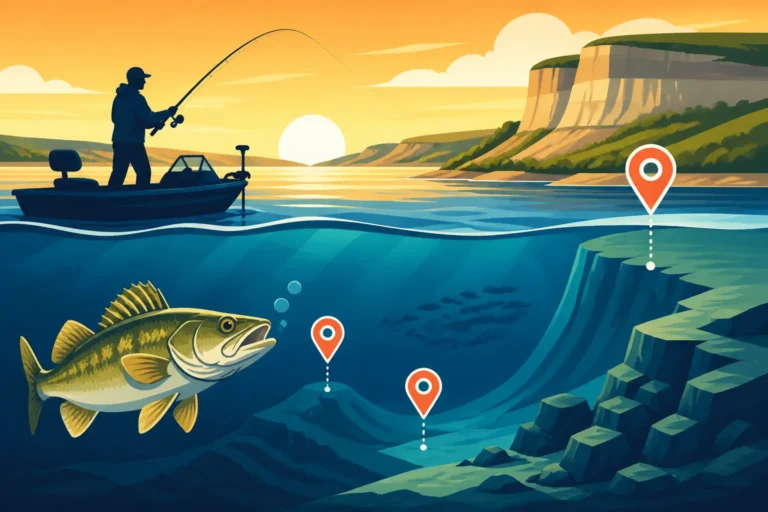
Humps can vary dramatically in size and depth, from large, football-field-sized rises to smaller, more isolated rock piles. The most productive humps often have varying depths on top, sharp breaks on their edges, and potentially some rock or gravel. Walleye will hold on the top, along the breaks, or even suspended just off the sides, depending on the time of day and year. Your sonar is your best friend here; spend time idling over suspicious areas on your map to confirm the structure and look for fish. Vertically jigging spoons or blade baits, or slowly pulling live bait rigs over the top and around the edges, can be incredibly effective. The challenge is often finding them among the sprawling depths, but once you do, you've found a honey hole.
Bays and Inflow Areas: Spring and Fall Sanctuaries
While main lake structure is vital, the numerous bays and river/creek inflow areas of Lake Sakakawea cannot be overlooked, especially during the spring and fall. These areas typically offer shallower, more protected waters that warm and cool faster than the main lake, making them crucial transitional zones for walleye.
In spring, bays like Van Hook Arm, Tobacco Garden, and others along the upper and middle lake act as critical spawning and post-spawn recovery areas. The shallower depths and abundant forage draw walleye in. Focus on points within these bays, gradual sloping flats, and any submerged vegetation or timber. In the fall, these same bays often see a resurgence of walleye as they follow baitfish schools seeking warmer water and protection from strong winds. Casting soft plastics or trolling shallow- to medium-diving crankbaits are go-to methods. The protected nature of many bays also makes them popular choices when strong winds whip up the main lake, providing safer and more comfortable fishing opportunities.
Advanced Tips for Locating Walleye on Sakakawea
Beyond the obvious structural elements, seasoned Sakakawea walleye anglers often pay attention to subtle cues and employ advanced tactics to consistently put fish in the boat. It's about combining technology with an understanding of the environment.
The Power of Electronics and Mapping
In a lake the size of Sakakawea, reliable electronics and detailed mapping are not just helpful; they are absolutely essential. Modern fish finders with GPS and high-definition mapping allow you to literally see the underwater world. High-resolution lake maps, often preloaded on units from brands like Humminbird or Lowrance, reveal contours, humps, points, and old river channels that would be impossible to find otherwise.
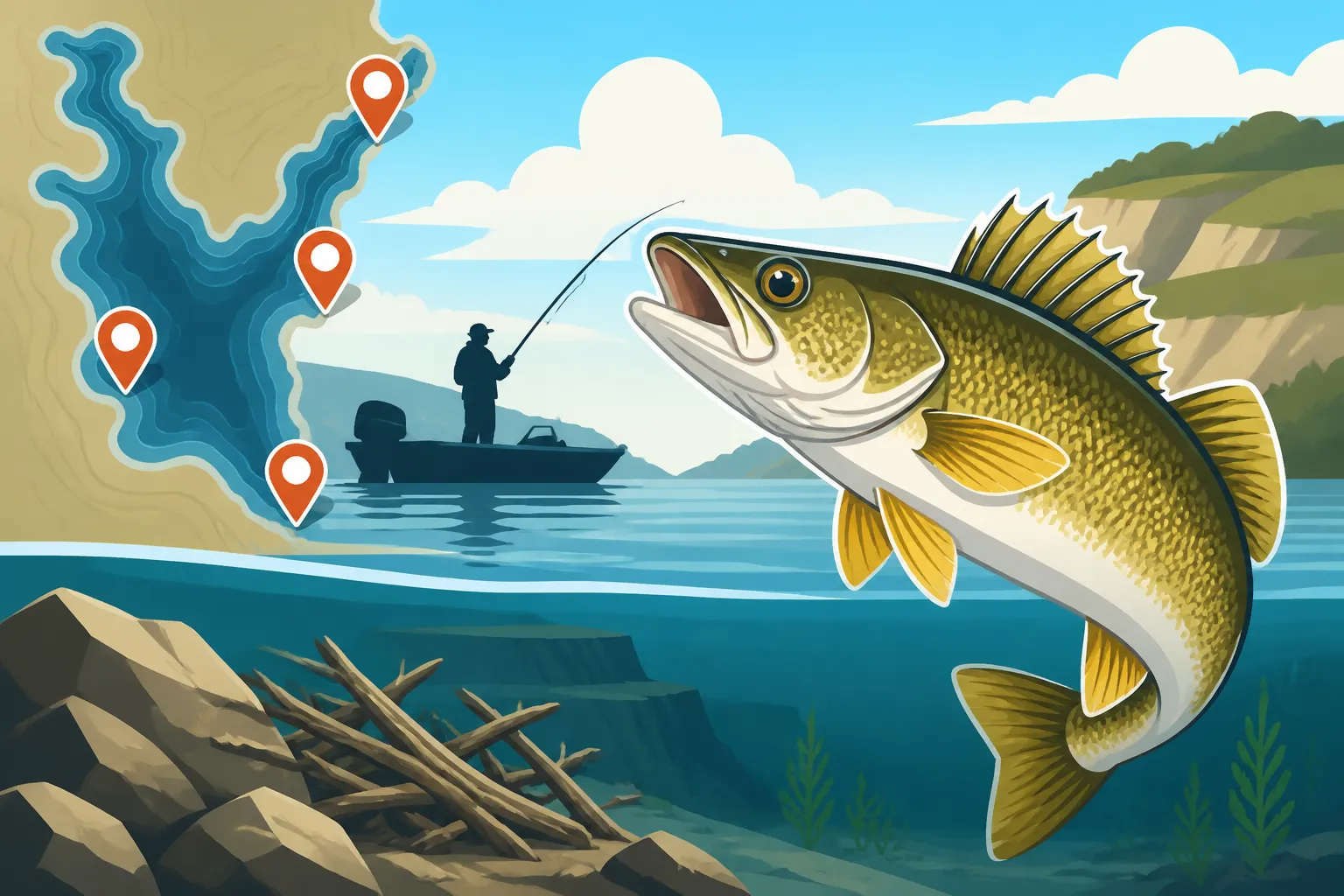
Before you even launch your boat, spend time studying these maps. Look for sharp drop-offs, isolated humps, and areas where multiple structural elements converge. Mark potential waypoints. Once on the water, use your sonar in combination with your GPS to confirm these structures and scan for schools of baitfish and walleye. Side imaging and down imaging technologies can show you a much wider swath of the bottom, helping you identify subtle changes in bottom composition or scattered timber that traditional 2D sonar might miss. Don't be afraid to experiment with your Best Fish Finder Settings for Walleye to get the clearest picture of what's beneath you. This technological edge is what separates consistent anglers from those just hoping for a lucky bite.
Wind, Current, and Water Color
Walleye are heavily influenced by environmental factors, and understanding how wind, current, and water color affect them can be a huge advantage. Wind, in particular, can be your best friend or worst enemy on Sakakawea. A consistent, moderate wind (often referred to as a "walleye chop") can push baitfish against shorelines and points, concentrating them and, by extension, the walleye. Always consider fishing the "wind-blown" side of a structure.
Current, especially in the lower lake near the dam or in the old river channels, can also be a major factor. Walleye often position themselves in current breaks, expending minimal energy while waiting for food to be swept past them. Look for eddies, submerged points deflecting current, or the lee side of islands. Water color also plays a role. Walleye prefer somewhat stained water, which gives them a light advantage over their prey. Extremely clear water might push them deeper or make them more nocturnal, while excessively muddy water can disperse them. Adapting your lure colors and presentation to match the water clarity is crucial. For instance, brighter colors might excel in stained water, while more natural hues might be better in clear conditions.
Hiring a Local Guide or Asking for Tips
Sometimes, the best way to cut through the learning curve on a massive and complex lake like Sakakawea is to leverage local expertise. Hiring a professional fishing guide, even for just one day, can be an invaluable investment. A good guide will not only put you on fish but will also teach you specific techniques, show you key spots, and help you understand the lake's nuances. Many excellent guides operate on Lake Sakakawea, and you can often find reputable ones through services like FishingBooker or by asking at local bait shops in towns like Garrison, New Town, or Williston.
Don't underestimate the power of simply asking around. Local bait shops are treasure troves of information, and the people working there often have their fingers on the pulse of what's biting and where. Be polite, buy some bait or tackle, and ask specific, well-thought-out questions. Forums and social media groups dedicated to North Dakota fishing can also offer up-to-date reports and tips from fellow anglers. Just remember, some spots are closely guarded secrets, so always be respectful of local knowledge and fishing etiquette.
Table of Lake Sakakawea Walleye Hotspots by Season
| Hotspot Area (General) | Primary Season(s) | Key Structural Features | Typical Depth Range | Notes & Tips |
|---|---|---|---|---|
| Van Hook Arm | Spring, Fall, Winter | Flats, old river channels, points, submerged weeds (high water) | 5-25 feet | Excellent early & late season. Troll crankbaits or jig soft plastics along channels. |
| Tobacco Garden Bay | Spring, Fall | Points, gravel shorelines, inflow areas | 5-20 feet | Good post-spawn area. Pitch jigs to rocky points. Wind-blown sides often best. |
| Deepwater Bay | Summer, Winter | Deep humps, main lake points, open water basin | 20-50+ feet | Summer trolling hotspot for suspended walleye. Vertical jigging over humps in winter. |
| Indian Hills Area | Summer, Fall | Steep breaklines, main lake points, rocky outcrops | 15-40 feet | Reliable for structure-oriented walleye. Bottom bouncers & spinner rigs are effective. |
| Nishu Bay | Spring, Fall | Points, submerged timber, gradual slopes | 10-30 feet | Transitional area. Look for baitfish schools. Good for casting and trolling. |
| Garrison Dam Area | Summer, Fall, Winter | Deep main lake basin, massive points, current breaks | 30-70+ feet | Excellent for larger, suspended walleye. Troll deep crankbaits or jig heavy. |
| Little Missouri Bay | Spring | Inflow areas, shallower flats, rocky points | 5-15 feet | One of the first areas to warm up. Good for early season casting and slip bobbers. |
Conclusion: Embracing the Challenge of Sakakawea
Fishing for walleye on Lake Sakakawea is an experience unlike any other. Its vastness can be daunting, but it also means there's always a new spot to explore, a new pattern to unlock, and the potential for a truly trophy-sized walleye lurking around the next point. By understanding the lake's seasonal dynamics, focusing on key structural elements, and leveraging modern technology, you can significantly increase your chances of success.
Remember, consistent success on Sakakawea comes from patience, adaptability, and a willingness to learn. Don't be afraid to try new techniques or explore unfamiliar areas. Every trip out on the water is an opportunity to learn something new about this magnificent fishery. Whether you're chasing the first walleyes of spring or jigging through the ice in winter, Lake Sakakawea offers a rewarding challenge for every angler. For comprehensive information on North Dakota's fishing rules, make sure to review the North Dakota Fishing Regulations Explained before you head out.
Disclaimer
The information provided in this guide is for general informational purposes only and does not constitute professional advice. Fishing conditions, regulations, and access points can change rapidly. Always consult the official North Dakota Game and Fish Department regulations and current local conditions before planning any fishing trip. Safety is paramount, especially on large bodies of water and during ice fishing.