Lake Sakakawea Chinook Salmon Fishing
There's nothing quite like the thrill of chasing a trophy Chinook salmon, especially when you're out on the vast, beautiful waters of Lake Sakakawea. Many anglers come here with high hopes, only to feel overwhelmed by the sheer size of the lake or unsure where to even begin looking for these powerful fish. This comprehensive guide is designed to cut through that uncertainty, offering you detailed insights into everything you need to know for a successful Chinook salmon fishing adventure on North Dakota's largest reservoir.
The Allure of Chinook Salmon in Lake Sakakawea
Lake Sakakawea, often referred to as North Dakota's "Great Lake," isn't just a walleye factory; it's also home to a thriving population of Chinook salmon, a species that offers an entirely different kind of angling challenge. The thought of hooking into a hard-fighting salmon that peels line off your reel is what draws many dedicated anglers to this massive reservoir. These fish aren't native to North Dakota, but their introduction has created a unique and exciting fishery that rivals some coastal experiences, providing a true big-water thrill right here in the prairies.
Why Chinook Salmon Thrive Here
The success of Chinook salmon in Lake Sakakawea is a testament to careful management and the lake's unique ecosystem. Originally stocked in the early 1970s, the salmon have adapted remarkably well to this freshwater environment. Lake Sakakawea’s deep, cold waters, particularly its western reaches and main lake basin, mimic the oceanic conditions salmon prefer, especially during the warmer summer months. Crucially, the lake boasts an abundant forage base of rainbow smelt, which are the primary food source for these voracious predators. The smelt provide the necessary nutrition for salmon to grow to impressive sizes, making the lake an ideal, albeit artificial, habitat for these ocean-going fish. This delicate balance of cool, deep water and plentiful food is what allows the North Dakota Game and Fish Department to continue its successful stocking program, ensuring a vibrant fishery for years to come.
Identifying Chinook Salmon in North Dakota Waters
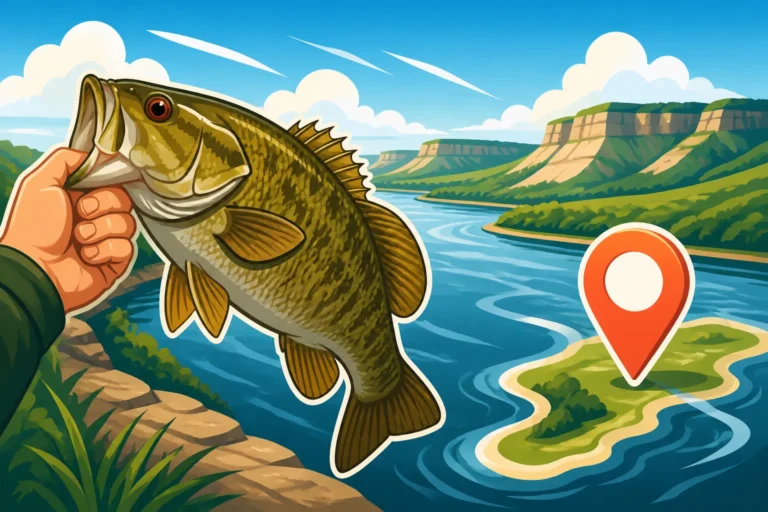
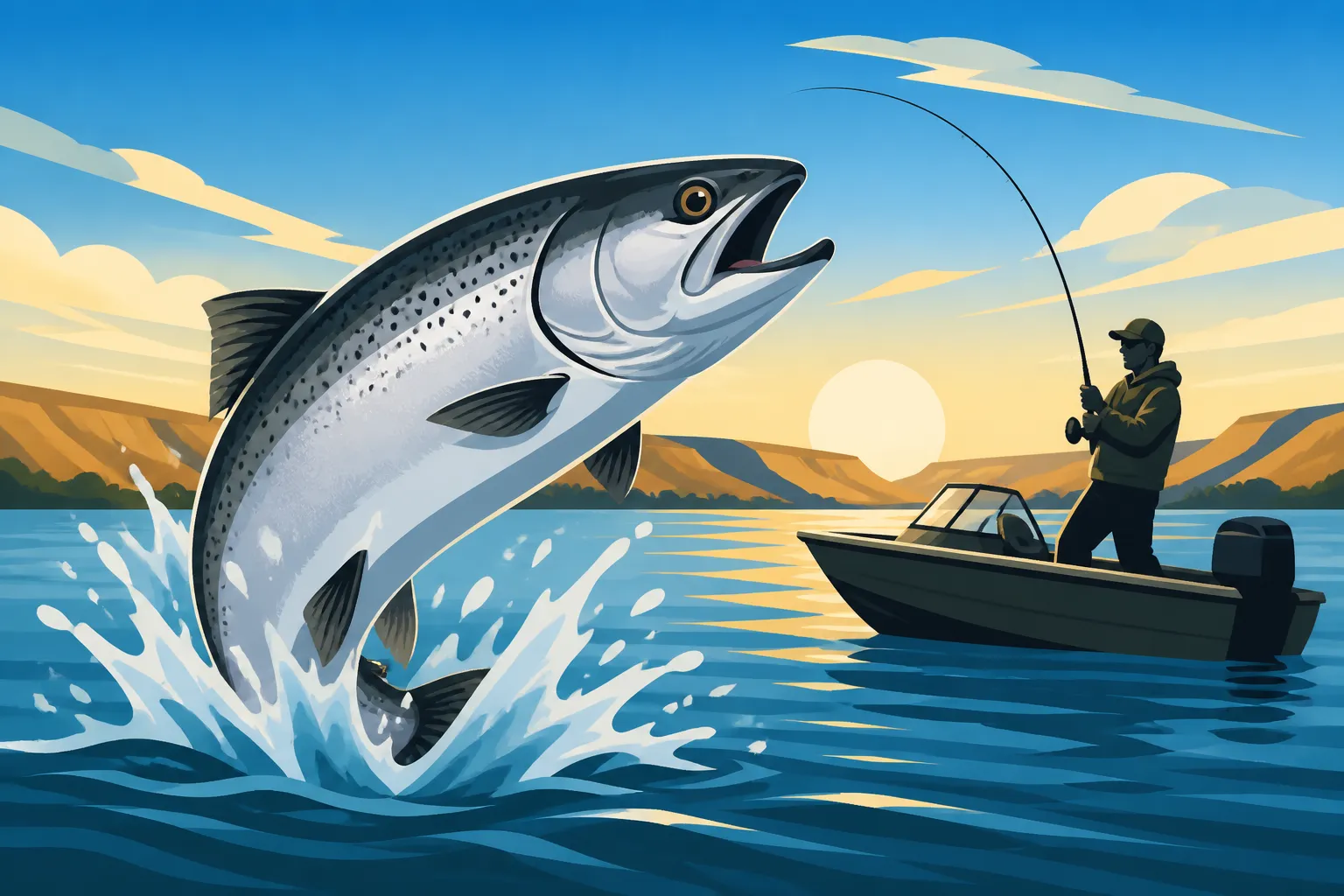
When you're reeling in a powerful fish from the depths of Lake Sakakawea, it's exciting to know exactly what you've got on the line. Chinook salmon have some distinct characteristics that help differentiate them from other species you might encounter, like trout or even large walleye. They typically have a dark, iridescent blue-green back that fades to silvery sides and a white belly. A key identifier is their spotting pattern: Chinook salmon have irregular black spots on their back, dorsal fin, and both lobes of their caudal (tail) fin. Their mouth is often dark-pigmented, sometimes described as a "sooty" mouth, with teeth set in a black gum line. They generally have a more stout body profile compared to the leaner rainbow trout. Understanding these features is not just for bragging rights; it's important for adhering to specific North Dakota fishing regulations concerning different species.
Best Seasons and Times for Lake Sakakawea Chinook Salmon
Timing is everything when it comes to consistently catching Chinook salmon on Lake Sakakawea. Unlike walleye that can be found in various depths and areas throughout the season, salmon tend to follow a more predictable pattern driven by water temperature and their primary food source, rainbow smelt. Knowing when and where to focus your efforts can significantly increase your chances of success, transforming a hopeful outing into a memorable one filled with screaming reels and heavy fish.
Spring and Early Summer Opportunities
As the ice retreats and the waters of Lake Sakakawea begin to warm up, the spring and early summer months (typically April through June) offer some fantastic, albeit often overlooked, opportunities for Chinook salmon. During this period, salmon are often found shallower than later in the summer, as the entire water column is still relatively cool. They will follow schools of rainbow smelt into bays and along main lake points where the smelt are congregating, often near newly emerging baitfish. Trolling spoons or stickbaits in the upper 30 feet of the water column can be very effective, especially during low-light conditions at dawn and dusk. Anglers often find success focusing on the western portions of the lake around areas like the Little Missouri arm or near the Van Hook arm, as these areas tend to warm slightly faster and attract baitfish early in the season. These cooler, more accessible depths make for a great start to the salmon fishing season.
The Peak of Summer and Early Fall Action
The real prime time for Lake Sakakawea Chinook salmon fishing truly kicks off as summer progresses, usually from July through September, extending into early October before water temperatures drop significantly. This is when the thermocline fully sets up, and salmon will hold tight to specific temperature bands, often between 45 and 60 degrees Fahrenheit, which usually means deeper water. They will often be suspended over depths of 60 to 120 feet, sometimes even deeper, chasing those abundant rainbow smelt. This requires specialized deep-trolling gear like downriggers, divers, or heavy lead core line to get your lures into the strike zone. Concentrating efforts on the main lake basin, particularly near the Garrison Dam or along deep channel edges and humps, becomes crucial. This period is when you're most likely to connect with those hard-fighting, larger Chinook salmon that Lake Sakakawea is famous for. For more insights on the best times to target specific species, you might want to check out our comprehensive guide on the Best Time of Year to Fish in North Dakota.
Top Fishing Spots for Chinook Salmon on Lake Sakakawea
Lake Sakakawea is immense, stretching over 178 miles with more than 1,300 miles of shoreline. Trying to find Chinook salmon without some guidance on specific locations can feel like searching for a needle in a haystack. Understanding the types of structures they prefer and knowing a few key areas to start can dramatically narrow your search and put you over fish. These majestic fish tend to congregate in certain parts of the lake, driven by temperature, depth, and the availability of their favorite meal: rainbow smelt.
Understanding Key Structures and Depths
Chinook salmon are pelagic fish, meaning they typically live in the open water column rather than hugging the bottom like walleye. However, they are still drawn to certain underwater structures that create current breaks, hold baitfish, or provide vertical relief in the vast expanse of the lake. Key structures to look for include the original Missouri River channel, especially where it winds through the main lake basin, as well as significant humps, points, and sudden depth changes. These features concentrate the rainbow smelt, which in turn attracts the salmon. Anglers often target depths ranging from 40 to 100 feet or more, particularly during the hot summer months, but it's important to monitor your fish finder for baitfish schools and temperature breaks. Salmon will often be suspended at specific depths above these structures, rather than directly on them. Using a good GPS chartplotter and sonar to mark these underwater contours and baitfish concentrations is absolutely critical for success.
Notable Bays and Arms for Chinook Activity
While the main lake basin often holds the largest concentrations of Chinook salmon, several specific bays and arms of Lake Sakakawea are renowned for their salmon fishing potential, especially during certain times of the year. The Garrison Dam area, and the deeper waters just west of it, are perhaps the most famous, as this is a consistent holding area for salmon year-round due to the stable cold water and smelt populations. Further west, the Deepwater Bay area and the Van Hook Arm are popular, particularly in spring and early summer when salmon might be found in shallower, yet still cool, waters before retreating to the main lake basin's depths. The Little Missouri Bay can also offer some action, especially for migrating fish.
Here's a quick reference table for general guidance:
| Season | Primary Location Type | Typical Depth Range | Notes |
|---|---|---|---|
| Spring | Bays, Main Lake Points | 15-40 feet | Salmon follow smelt into shallower areas as water warms. |
| Early Summer | Main Lake Basin, Deeper Bays | 30-60 feet | Transition period, salmon start moving deeper with rising temperatures. |
| Mid-Summer | Main Lake Basin (Garrison Dam, Deepwater Bay) | 50-100+ feet | Peak season, salmon stack in cool, deep water over structure. |
| Early Fall | Main Lake Basin, River Channel | 40-80 feet | Salmon remain deep but may rise higher in the water column as surface cools. |
Remember, these are general guidelines. The fish will always tell you where they are, so constant monitoring of your electronics and adapting to conditions is key. If you're looking for specific access points or further details, our guide on North Dakota Fishing Access Sites on Lake Sakakawea could be very helpful.
Essential Gear and Proven Techniques for Success
Chasing Chinook salmon on Lake Sakakawea is not your typical panfish outing; it requires specialized gear and honed techniques to consistently trick these powerful, deep-water predators. The sheer size of the lake, coupled with the salmon's preference for specific depths and speeds, means that having the right equipment and understanding how to use it effectively are paramount. Many anglers get frustrated trying to adapt their walleye gear, but salmon fishing demands a different approach.
Trolling Strategies and Lure Choices
Trolling is by far the most effective method for targeting Chinook salmon on Lake Sakakawea. This isn't just about dragging a lure; it's a precision game. You'll need to cover large expanses of water and present your lure at the exact depth where the salmon are feeding. Downriggers are indispensable tools, allowing you to consistently place your lure at precise depths, often 50 to 100 feet down or more. Alternatively, Dipsy Divers or Slide Divers can be used to achieve depth and spread lures out to the sides of the boat without the need for downriggers. For those without specialized gear, lead core line can also get lures deep, though with less depth control.
When it comes to lures, spoons are king for Sakakawea Chinook. Brands like Dreamweaver, Michigan Stinger, and Northern King in various sizes and vibrant, reflective colors are popular choices. Think shades of blue, green, silver, and chartreuse, especially when mimicking rainbow smelt. Speed is also critical; a trolling speed of 2.0 to 3.5 mph is a good starting point, but you'll need to experiment to find what the fish prefer on any given day. Sometimes, a subtle S-turn or a slight change in speed can trigger a strike. It's often beneficial to run multiple lines at different depths and with various lure colors until you find what's working. Many experienced anglers find that consulting with local guides, easily found through services like FishingBooker, can provide invaluable real-time insights into current patterns and hot lure colors.
Rods, Reels, and Line for Lake Sakakawea Salmon
Your rod and reel setup needs to be up to the task of handling hard-fighting Chinook salmon in deep water. This means durable, specialized equipment designed for trolling and battling strong fish.
- Rods: Look for trolling rods that are typically 8 to 10.5 feet long with a medium-heavy action. A longer rod helps spread lines out, absorb shock, and keep fish hooked during the fight. Graphite or fiberglass composite rods are common, offering a good balance of sensitivity and backbone. A good example is a rod designed for Great Lakes salmon trolling.
- Reels: Level-wind baitcasting reels are the standard for salmon trolling. They need to have a high line capacity (holding at least 300 yards of line, sometimes more, depending on your setup) and a smooth, reliable drag system. Reels in the 20 to 30 size class, such as those from reputable brands like Shimano Tekota or Daiwa Sealine, are excellent choices. A line counter feature on your reel is extremely helpful for repeatable depth presentations, especially when running lead core or various divers.
- Line: The choice of fishing line is crucial. Many anglers opt for a main line of 20-30 lb monofilament or braided line, often with a fluorocarbon leader of 15-25 lb test. Monofilament offers some stretch, which can be forgiving during head shakes, while braid provides excellent sensitivity and strength with minimal stretch, which is great for feeling subtle bites at deep depths. For downriggers, some anglers use braided line for their main line because of its lack of stretch and thin diameter, which reduces water resistance. Ensure your line is fresh and regularly inspected for nicks and abrasions, as a powerful salmon can quickly find any weak spot. For more detail on line selection, check out our guide on the Best Fishing Line for North Dakota Lakes.
North Dakota Regulations and Conservation Efforts
Fishing for Chinook salmon in Lake Sakakawea is a privilege that comes with responsibility. Adhering to the North Dakota Game and Fish Department's regulations isn't just about avoiding penalties; it's about contributing to the sustained health and quality of this unique fishery for future generations. These rules are put in place to manage fish populations, ensure fair chase, and promote good conservation practices. It’s always smart to have a copy of the current fishing proclamation, whether it’s the physical booklet or accessible on your phone, before you head out on the water.
Understanding Catch Limits and Size Restrictions
North Dakota's fishing regulations for Chinook salmon on Lake Sakakawea are designed to maintain a healthy and sustainable population, particularly since they are a stocked, not native, species. Anglers typically face a specific daily creel limit and a possession limit for Chinook salmon. For example, it's common for the daily limit to be 5 salmon, with a possession limit of 10. This means you can keep up to five fish in a single day, and you can have no more than ten fish in your possession at any given time (this includes fish at home or in your freezer).
Generally, there isn't a strict length limit on Chinook salmon in Lake Sakakawea, allowing anglers to keep fish of varying sizes within their daily and possession limits. However, regulations can change, and it is imperative to consult the most current North Dakota Fishing Guide or visit the North Dakota Game and Fish Department website before each fishing season. They provide a comprehensive document outlining all species-specific rules. Additionally, remember that a valid North Dakota fishing license is always required, and you might find useful information on how to obtain one in our article, How to Get a North Dakota Fishing License.
Protecting the Future of Chinook Salmon in Sakakawea
Conservation is a shared responsibility among all anglers who enjoy the incredible resource that Lake Sakakawea's Chinook salmon fishery provides. The North Dakota Game and Fish Department invests significant resources into stocking salmon and monitoring their health and population dynamics. As anglers, we play a crucial role in supporting these efforts. This includes practicing responsible catch-and-release, especially for any fish you don't intend to keep for the dinner table. Handle fish gently, minimize their time out of the water, and use proper release techniques to ensure their survival.
Beyond direct interaction with fish, preventing the spread of aquatic nuisance species (ANS) is vital. Zebra mussels, for instance, can drastically alter ecosystems and threaten native baitfish populations, ultimately impacting salmon. Always clean, drain, and dry your boat, trailer, and all fishing gear after leaving the lake. Familiarize yourself with the Aquatic Nuisance Species Rules for Boaters to do your part. By following regulations, respecting the resource, and actively participating in conservation, we help ensure that the thrill of Lake Sakakawea Chinook salmon fishing remains a cherished experience for generations to come.
Planning Your Lake Sakakawea Chinook Salmon Adventure
Embarking on a fishing trip for Chinook salmon on Lake Sakakawea is an exciting prospect, but the vastness of the lake and the specialized nature of salmon fishing mean that a little planning goes a long way. Whether you're a seasoned angler with your own deep-water boat or someone looking to experience this unique fishery for the first time, careful preparation will enhance your chances of a successful and enjoyable outing. From finding the right guidance to ensuring you have all your bases covered, foresight is your best friend.
Hiring a Professional Salmon Guide
For many anglers, especially those new to Lake Sakakawea or to deep-water salmon trolling, hiring a professional fishing guide is an invaluable investment. A good guide offers several advantages: they possess intimate knowledge of current fish patterns, hot spots, and effective techniques, saving you countless hours of trial and error. Guides come equipped with all the specialized gear – the boat, downriggers, divers, and an array of proven lures – so you don't have to worry about purchasing or transporting expensive equipment. They can also teach you the nuances of salmon fishing, from reading sonar to setting lines and fighting these powerful fish, making it a valuable learning experience.
Finding a reputable guide is easier than ever. Online platforms like FishingBooker allow you to browse local guides who specialize in Lake Sakakawea Chinook salmon, read reviews from other anglers, and book trips directly. They often highlight guides who run larger, more stable boats suitable for Sakakawea's potentially choppy waters. A half-day or full-day trip with an experienced guide can provide an incredible introduction to this fishery or help seasoned anglers dial in on changing conditions.
Essential Safety and Preparation Checklist
Fishing on a large body of water like Lake Sakakawea demands a strong emphasis on safety. Conditions can change rapidly, with winds whipping up significant waves in a short amount of time. Always check the marine weather forecast before heading out and be prepared to cut your trip short if conditions deteriorate.
Here's a checklist to ensure you're well-prepared:
- Life Jackets: Ensure everyone on board has a properly fitting life jacket. In North Dakota, children under 13 must wear a U.S. Coast Guard-approved life jacket while on board any vessel that is underway.
- Safety Gear: Carry all required boat safety equipment, including fire extinguisher, horn/whistle, distress signals, navigation lights, and a throwable flotation device.
- Communication: Have a fully charged cell phone (in a waterproof case) and consider a VHF marine radio for reliable communication in areas with spotty cell service.
- First Aid Kit: A well-stocked first aid kit is a must for any outing.
- Hydration and Snacks: Bring plenty of water and food, especially for long days on the water.
- Sun Protection: Sunscreen, hats, and polarized sunglasses are essential, as the sun's reflection off the water can be intense.
- Appropriate Clothing: Dress in layers, as temperatures can fluctuate. Even on summer days, a waterproof jacket and pants are wise to have on hand.
- Navigation: While guides have this covered, if you're in your own boat, ensure your GPS and chartplotter are updated with current maps of Lake Sakakawea. Knowing the Best Boat Ramps on Lake Sakakawea is also crucial for efficient launch and retrieval.
- Boat Condition: Verify your boat and motor are in good working order, with enough fuel for your trip and a little extra. For more details on boat requirements, refer to the North Dakota Boat Registration Requirements.
By taking these precautions and planning ahead, your Lake Sakakawea Chinook salmon fishing trip will not only be productive but also safe and enjoyable for everyone.
Disclaimer
This article is for general informational purposes only and does not constitute professional advice. Laws, prices and regulations vary by location and change over time. Consult a qualified professional for guidance on your specific situation.