Best Shore Fishing Spots Near Grand Forks
It can feel like a real challenge to find those perfect, tranquil spots where you can just cast a line from the bank, especially if you're new to the Grand Forks area or simply looking for fresh ideas. This guide is all about helping you discover the best shore fishing spots near Grand Forks, giving you the lowdown on where to go, what to expect, and how to make the most of your angling adventure without needing a boat.
Understanding Shore Fishing in the Grand Forks Area
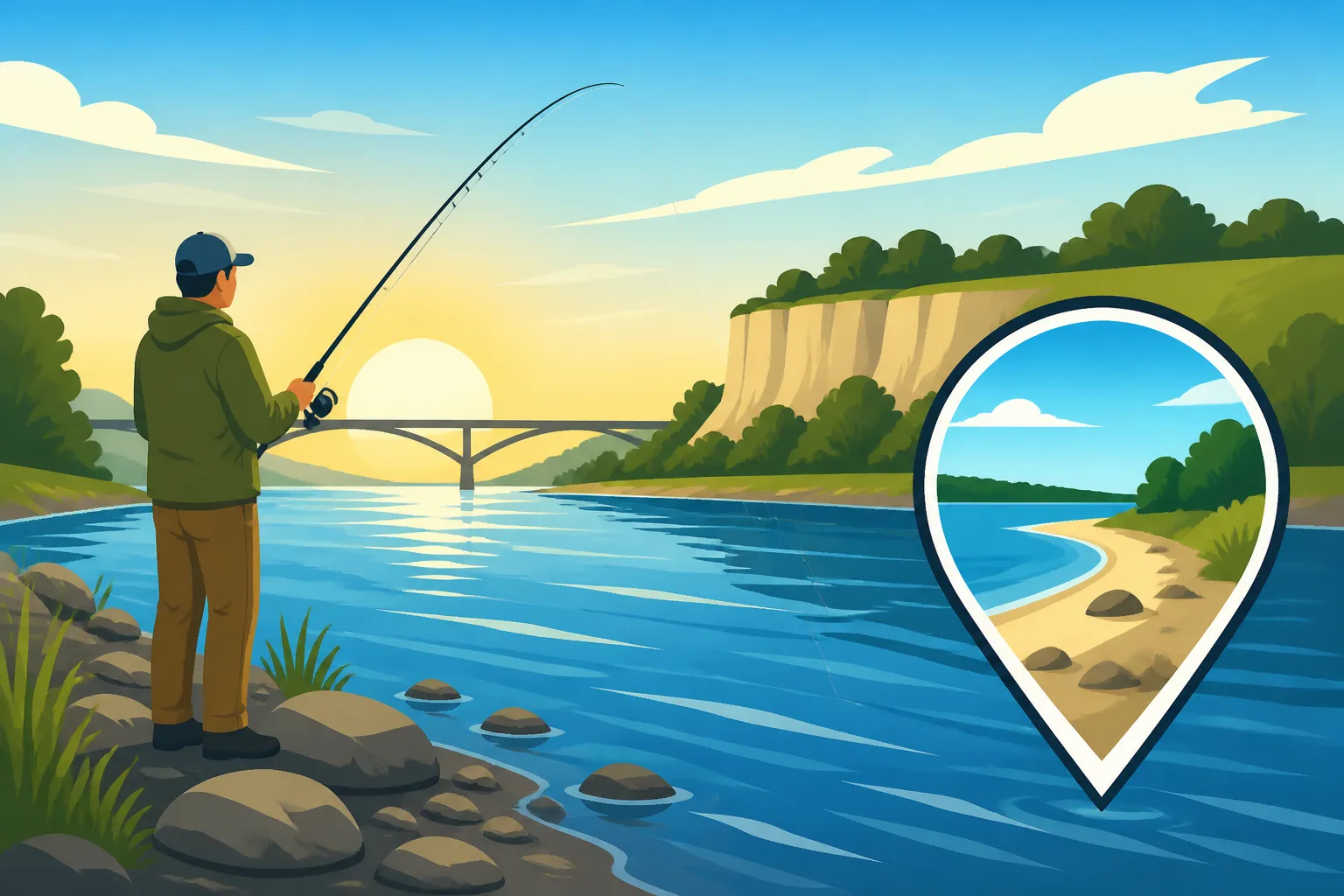
Shore fishing in and around Grand Forks offers a unique experience, primarily shaped by the mighty Red River of the North, but also complemented by various smaller bodies of water. Unlike large reservoirs with vast open water, the focus here is often on riverine environments and more intimate ponds. It's about finding those accessible public areas where you can set up a comfortable basecamp for the day and enjoy the peaceful rhythm of the water. You don't need a fancy boat or expensive electronics to have a successful outing; sometimes, a simple spinning rod, a chair, and a bucket of bait are all it takes.
The Red River's Unique Opportunities
The Red River of the North is the lifeblood of Grand Forks fishing, especially for those casting from shore. This isn't your typical clear-water river; the Red is known for its slow current and often murky, nutrient-rich waters. While some might be put off by the lack of crystal-clear visibility, it's precisely these conditions that make it a phenomenal fishery, particularly for bottom-dwelling species. The river itself winds through the city, offering numerous public parks and access points where anglers can find a spot along its banks. The fishing here is often dictated by water levels and current, which can fluctuate with rainfall and spring thaws. Understanding these dynamics is key to success on the Red.
The most sought-after species in the Red River from shore is undoubtedly the channel catfish, which thrive in these rich waters and can grow to impressive sizes. It's not uncommon to pull out trophy-sized cats right from the city limits. Beyond catfish, anglers also find success with northern pike, walleye, and various panfish, especially in calmer backwater areas or eddies. The beauty of the Red is its accessibility within the city, making it easy to pop down for a few hours after work or on a lazy weekend afternoon.
Smaller Lakes and Ponds for Easy Access
While the Red River gets most of the attention, don't overlook the smaller lakes and ponds scattered within a reasonable drive of Grand Forks. These often provide a different kind of shore fishing experience, typically with calmer waters and a focus on panfish or stocked trout, depending on the specific location. These spots are fantastic for beginners, families, or anyone looking for a more relaxed fishing trip away from the river's current. They are usually well-maintained, often feature designated fishing piers, and can be excellent places to teach kids how to cast a line without worrying about strong currents or snags.
Some of these smaller water bodies might be managed by local park districts or the North Dakota Game and Fish Department, often featuring regular stockings to ensure a healthy fish population. Species like bluegill, crappie, and yellow perch are common targets, offering consistent action that can be incredibly rewarding. If you're looking for a quick bite or a peaceful setting with guaranteed access, these smaller spots are absolutely worth exploring. They can be a delightful change of pace from the big river and often provide a more immediate sense of success for new anglers.
Top Shore Fishing Spots Near Grand Forks
Finding the perfect spot often comes down to accessibility, target species, and the overall fishing experience you're after. Luckily, Grand Forks and its immediate surroundings offer several excellent choices for anglers who prefer to keep their feet on solid ground.
Riverside Park and Lincoln Drive Park (Red River)
Right within the heart of Grand Forks, Riverside Park and Lincoln Drive Park are two of the most popular and accessible shore fishing destinations on the Red River. These parks stretch along the riverbanks, offering plenty of green space, mature trees, and relatively stable banks for casting.
- Riverside Park: Located on the eastern side of the river, Riverside Park offers extensive shoreline access. You'll find numerous spots to cast from, whether you prefer open banks or areas with some tree cover. The river here flows at a moderate pace, creating current breaks and eddies that attract fish. This area is particularly renowned for its channel catfish. Anglers often set up with heavy bottom rigs, using cut bait, stink baits, or worms. It's also a decent spot for northern pike, especially during cooler months when they might be cruising closer to shore. The park is well-maintained, with amenities like restrooms and picnic areas, making it comfortable for a full day of fishing. You can easily spend an entire afternoon here, enjoying the scenery and the chance to reel in a big cat. For more on these incredible fish, check out our North Dakota Channel Catfish Fishing Guide.
- Lincoln Drive Park: Situated on the western bank of the Red River, Lincoln Drive Park mirrors many of the advantages of Riverside. It offers beautiful views, paved walking trails, and ample opportunities for bank fishing. Access is straightforward, and parking is usually not an issue. This side of the river also holds a strong population of catfish and pike. Many anglers here utilize similar techniques as in Riverside, focusing on bottom fishing. The slow current near the banks makes it manageable for various casting distances, and you can often find slight variations in depth or current that hold fish. Both parks are excellent examples of the Fishing Piers and Shore Access in North Dakota available right in urban settings.
Turtle River State Park
About 20 minutes west of Grand Forks, Turtle River State Park provides a completely different, more natural shore fishing experience. Instead of the wide Red River, you'll be fishing the much smaller, more intimate Turtle River. This state park is a gem, offering picturesque scenery, hiking trails, and several spots where you can access the river from shore.
The Turtle River itself is narrower and shallower than the Red, with a faster flow in some areas. Here, you're more likely to encounter smaller species like brook trout, brown trout, and rainbow trout, especially if the river has been stocked. Panfish and smaller northern pike can also be present. Fishing here often involves lighter tackle, perhaps a simple bobber and worm, or even fly fishing in the clearer sections. The river winds through forested areas, giving anglers a sense of solitude and immersion in nature. When planning your trip, keep in mind that state park regulations might apply in addition to general North Dakota Fishing Regulations Explained. It's a fantastic spot for a peaceful day out, especially if you enjoy the tranquility of a smaller stream.
Ryan Park and Kelly's Slough National Wildlife Refuge
Beyond the immediate river parks, a couple of other spots offer unique shore fishing possibilities near Grand Forks, providing diversity in your angling pursuits.
- Ryan Park Pond (Grand Forks): Located in the southwestern part of Grand Forks, Ryan Park often features a small pond that can be a good spot for family fishing or for those looking for panfish. While not a massive fishery, these city ponds are often stocked with bluegill and sometimes trout, providing easy action for younger anglers or a quick afternoon escape. Access is simple, and the park setting makes it very comfortable. These types of urban ponds are ideal for introducing kids to fishing, and understanding North Dakota Fishing Rules for Kids and Families is always a good idea.
- Kelly's Slough National Wildlife Refuge (East Grand Forks, MN – North Dakota Border): Just across the border, and a short drive from Grand Forks, Kelly's Slough offers unique opportunities. While primarily a bird sanctuary, some parts of the refuge and surrounding sloughs or ditches connected to the Red River system can provide shore fishing. This area often has more emergent vegetation and shallower waters, which can be excellent for northern pike and various panfish. It's a wilder experience than the city parks, so be prepared for some walking and potentially more rugged access. Always check the specific regulations and access points for national wildlife refuges, as they can differ from state or local parks. If you're looking to explore new horizons or unique locations for guided trips, services like FishingBooker can sometimes offer insights into less conventional spots or connect you with local experts who know the intricacies of such unique areas.
Essential Gear and Techniques for Grand Forks Shore Anglers
You don't need a boatload of gear to enjoy shore fishing around Grand Forks, but having the right essentials can make a huge difference in your comfort and success.
Recommended Gear for Bank Fishing
For most shore fishing scenarios in the Grand Forks area, simplicity and durability are key.
- Rods and Reels: A medium-heavy spinning rod (7-8 feet) paired with a reliable spinning reel spooled with 15-20 lb monofilament or braided line is perfect for the Red River. This setup provides the backbone needed to cast heavier weights and handle the larger channel catfish or northern pike you might encounter. For smaller ponds or the Turtle River, a medium-light spinning combo (6-7 feet) with 6-10 lb test line will be more appropriate for panfish and trout. If you're just starting, check out our guide on Best Fishing Rods for North Dakota Anglers.
- Terminal Tackle:
- Red River Catfish/Pike: Essential items include heavy sinkers (1/2 oz to 2 oz pyramid or no-roll sinkers), sturdy Kahle or circle hooks (sizes 2/0 to 6/0), and barrel swivels. A basic Carolina rig or a three-way swivel rig is common here.
- Ponds/Turtle River: Lighter tackle like small bobbers, split shot weights, and smaller hooks (sizes 6-10) are ideal for panfish. Small jigs (1/32 oz to 1/8 oz) are also versatile.
- Bait:
- Red River: Cut bait (sucker, goldeye, shad), chicken liver, commercial stink baits, and large nightcrawlers are top choices for catfish. For pike, a frozen smelt or large spoon can work well.
- Ponds/Turtle River: Live worms (nightcrawlers, red wigglers), small minnows (where legal), corn, or small artificial baits like micro jigs or tiny spoons are effective for panfish and trout. For a comprehensive look at what works, consult our article on the Best Bait for North Dakota Fishing.
- Comfort and Convenience: A comfortable folding chair, a cooler for drinks and bait (and fish!), a landing net (especially for catfish and pike), a small tackle box with essential tools (pliers, hook remover), and sunscreen/bug spray are all highly recommended. Don't forget your valid North Dakota Fishing License Guide!
Effective Techniques for River and Lake Shores
Adapting your technique to the specific water body is crucial for successful shore fishing.
- Red River Strategy (Bottom Fishing for Catfish): The most effective method for catfish on the Red River is bottom fishing. Cast your baited rig out into the current, allowing the weight to sink and hold the bait on the bottom. Focus on areas where the current slows down, like eddies, seams where fast water meets slow water, or deeper holes near the bank. Catfish often lurk in these areas, waiting for food to drift by. Patience is key! Once you cast, let your bait sit for 15-30 minutes before checking or recasting. Sometimes, moving just 20-30 feet along the bank can make a big difference. Many anglers find the hours around dusk and into the night to be particularly productive for Red River catfish. If you're serious about targeting these whiskered giants, delve into Red River Catfish Fishing Spots in North Dakota for more specific advice.
- Smaller Lakes and Ponds (Bobber Fishing and Light Lures): For panfish in calmer waters, a simple bobber rig is incredibly effective. Suspend a worm or a small jig a few feet under a bobber, casting it near weed lines, submerged structures, or drop-offs. Watch the bobber closely for any dips or subtle movements. Light jigs tipped with a small piece of worm or scented soft plastic can also be retrieved slowly along the bottom or jigged vertically from a pier. These spots are excellent for Shore Fishing Techniques for Beginners, allowing for easy casting and often frequent bites.
- Turtle River (Trout and Panfish): On the Turtle River, especially for trout, consider using very light spinning gear with small spinners, spoons, or a fly rod if you're into fly fishing. Casting upstream and letting your lure drift naturally downstream through deeper pools or around structure can be very productive. For panfish, a similar bobber-and-worm setup works well in slower sections. Remember that trout can be skittish, so a stealthy approach can pay off.
Rules, Regulations, and Local Etiquette
Before you even think about casting a line, it's absolutely vital to be aware of North Dakota's fishing rules. This not only keeps you on the right side of the law but also helps preserve our precious fisheries for everyone to enjoy.
North Dakota Fishing Regulations Overview
No matter where you choose to fish in North Dakota, you must have a valid North Dakota fishing license if you are 16 years of age or older. Non-residents have several options, including annual licenses or shorter-term permits, which can be found in our comprehensive North Dakota Nonresident Fishing License Guide. Always carry your license with you when fishing, as game wardens do check.
Beyond the license, you need to be familiar with species-specific regulations. These include daily limits (how many fish you can keep in a 24-hour period), possession limits (how many fish you can have at any given time, including those at home), and sometimes length limits for certain species like walleye. For instance, the Red River has specific limits for catfish that differ from other bodies of water. You can find detailed information in the official North Dakota Fishing Regulations Explained document published by the North Dakota Game and Fish Department. Penalties for fishing without a license in North Dakota can be quite significant, so it's best to be prepared.
It's also important to understand the general fishing season calendar. While many species can be caught year-round, certain seasons might have specific rules. Always double-check the current proclamation for any changes or special restrictions that might apply to the specific body of water you're targeting. Online resources and local bait shops are great places to get the latest updates.
Respecting the Environment and Other Anglers
Part of being a responsible angler is showing respect for the environment and for your fellow fishermen and women. Many of the shore fishing spots near Grand Forks are public parks and shared spaces, so common courtesy goes a long way.
- Leave No Trace: Whatever you bring with you, take it back out. This includes fishing line, bait containers, food wrappers, and anything else. Litter not only detracts from the beauty of the outdoors but can also be harmful to wildlife. Consider carrying a small trash bag to pack out any refuse.
- Be Mindful of Others: When fishing in popular areas like Riverside or Lincoln Drive Parks, be aware of other anglers. Don't crowd someone's spot, and give plenty of space for casting. If you're playing music, keep it at a respectful volume. Remember, everyone is out there to enjoy the peace and quiet. If you encounter an area that is already busy, consider exploring a different section of the park or even moving to another spot entirely. Many anglers find great success exploring less crowded sections, sometimes with the help of online resources or guides from platforms like FishingBooker that highlight diverse angling opportunities.
- Handle Fish Responsibly: If you plan to release fish, do so quickly and gently. Minimize their time out of the water, use wet hands when handling them, and release them carefully. This helps ensure their survival and contributes to a healthy fishery. If you're keeping fish, understand how to properly care for them so they remain fresh until you can clean them.
- Respect Private Property: Always ensure you are fishing on public land or have permission if you're near private property. Trespassing can lead to fines and unhappy landowners.
- Aquatic Nuisance Species (ANS): North Dakota takes ANS seriously. Always clean, drain, and dry your gear, including buckets and nets, after leaving a water body, especially if you plan to move to another lake or river. This helps prevent the spread of invasive species like zebra mussels or Eurasian watermilfoil.
| Shore Fishing Spot | Primary Species | Key Features | Best Time to Fish | Access Notes |
|---|---|---|---|---|
| Riverside Park | Channel Catfish, Pike | Extensive Red River bank access, amenities | Summer/Fall (Catfish) | Easy, paved parking, walk-in |
| Lincoln Drive Park | Channel Catfish, Pike | Red River bank access, walking trails | Summer/Fall (Catfish) | Easy, paved parking, walk-in |
| Turtle River State Park | Trout, Panfish, Small Pike | Scenic river, peaceful, forested setting | Spring/Summer/Fall | Drive-in, designated bank access, state park pass |
| Ryan Park Pond | Panfish, (stocked) Trout | Small, calm pond, family-friendly | Spring/Summer | Easy, urban park access |
| Kelly's Slough NWR | Pike, Panfish | Wildlife refuge, slough/ditch system | Spring/Fall (Pike) | Potentially more rugged, check refuge rules |
Remember, the thrill of fishing isn't just about the catch; it's about the entire experience of being outdoors, enjoying nature, and perhaps reeling in a story or two. Grand Forks offers a surprising array of shore fishing opportunities, so grab your gear, consult the regulations, and get out there to explore! If you're looking for an even broader view of fishing locations, our guide on the Best Places to Fish in North Dakota might spark some ideas for future adventures.
Disclaimer
The information provided in this guide is for general informational purposes only and is subject to change. Always consult the most current North Dakota Game and Fish Department regulations and local ordinances before fishing. Fishing conditions, species availability, and access may vary.