Fort Stevenson State Park Fishing Access
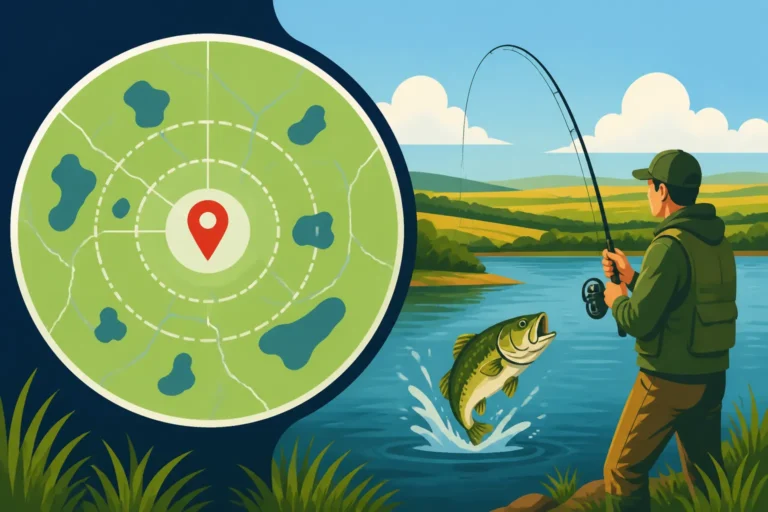
Finding the perfect fishing spot in North Dakota can sometimes feel like searching for a needle in a haystack, especially when you're looking for somewhere that offers both great angling opportunities and convenient access. Many anglers struggle with identifying locations that are well-equipped for boats, provide ample shore fishing, and boast a diverse array of fish. This guide is dedicated to shedding light on Fort Stevenson State Park, a gem on Lake Sakakawea, detailing its fishing access, the species you can target, and how to make your visit a memorable one.
Fort Stevenson State Park: A Premier Fishing Destination on Lake Sakakawea
Fort Stevenson State Park isn't just a patch of pretty scenery; it's a genuine haven for anglers looking to experience the vastness and bounty of Lake Sakakawea. Nestled on the northern shore of one of the largest man-made lakes in the country, this park offers an unparalleled blend of natural beauty and top-tier fishing amenities. For many, it's the gateway to some of the best fishing North Dakota has to offer, a place where trophy walleye and salmon are not just dreams but tangible possibilities.
Where to Find Fort Stevenson State Park
This incredible park is situated just three miles south of Garrison, North Dakota, making it relatively easy to access for both local and out-of-state visitors. You'll find it proudly sitting on the northern reaches of Lake Sakakawea, a massive reservoir formed by the damming of the Missouri River. The address itself will point you to 12908 41st St NW, Garrison, ND 58540, but honestly, once you get near Garrison, the signs will lead you right to its welcoming entrance. Its strategic location means you're immediately immersed in prime fishing territory, with vast expanses of water stretching out before you. The sheer size of Lake Sakakawea can be intimidating, but Fort Stevenson acts as an excellent basecamp, providing direct and varied access to this enormous fishery.
Why Fort Stevenson Stands Out for Anglers
What truly sets Fort Stevenson State Park apart for anglers is its combination of robust infrastructure, diverse fish populations, and its position on such a significant body of water. Unlike some smaller, more constrained lakes, Lake Sakakawea, accessed from Fort Stevenson, offers everything from deep-water trolling for salmon to structure fishing for walleye and targeting bass along rocky points. The park itself is incredibly well-maintained by the North Dakota Parks and Recreation Department, meaning you'll find reliable boat ramps, clean facilities, and often helpful staff.
The frustration of arriving at a promising fishing spot only to find inadequate launch facilities or limited shore access is a common one. Fort Stevenson largely mitigates this. Moreover, its location means you're in the heart of the action, whether you're chasing the legendary walleye or seeking out other challenging species like Northern Pike or Chinook Salmon. It’s not just a place to launch a boat; it’s a full-service experience that caters to serious anglers and families alike, making it one of the Best Places to Fish in North Dakota.
Accessing the Water at Fort Stevenson State Park
One of the biggest draws of Fort Stevenson State Park is the sheer variety and quality of its fishing access points. Whether you're hauling a large fishing boat, paddling a quiet kayak, or simply looking to cast a line from the bank, the park has provisions designed to get you on the water and to the fish. Understanding these access points is key to planning a successful and enjoyable trip, particularly on a body of water as expansive and dynamic as Lake Sakakawea.
Boat Ramps and Launching Facilities
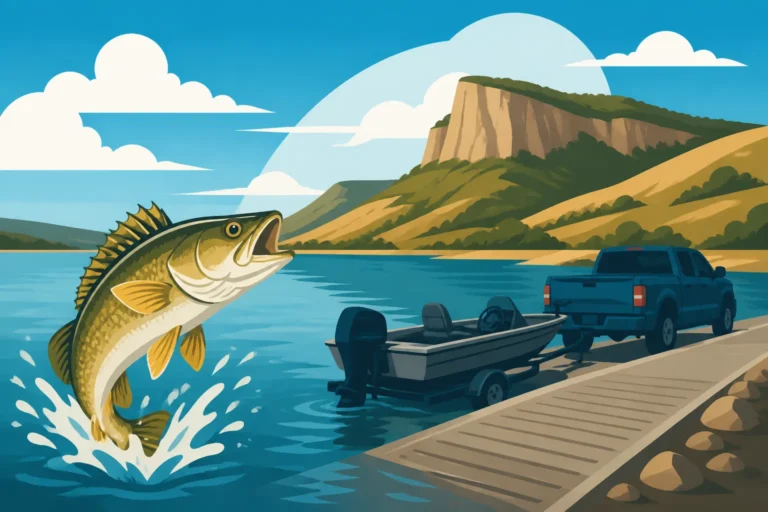
For those who prefer to explore Lake Sakakawea from the comfort of their own vessel, Fort Stevenson State Park boasts excellent boat launching facilities. The main boat ramp area is well-maintained and typically features multiple lanes, allowing several boats to launch or retrieve simultaneously, which significantly reduces wait times on busy weekends. There are usually sturdy docks available for temporary mooring while you park your trailer.
However, a crucial aspect of fishing Lake Sakakawea is understanding its fluctuating water levels. The Missouri River system is managed, and water levels can vary throughout the year and from season to season. Fort Stevenson has done a commendable job of providing launch options that generally accommodate these changes, with extensions or adjustments often made to ensure access even during lower water periods. Always check current lake levels before your trip, especially if you have a deep-draft boat. Ample parking for trucks and trailers is available, which is a huge relief when you're trying to find a spot after a long drive. Remember that all motorized boats need to meet North Dakota Boat Registration Requirements before hitting the water.
Shore Fishing Opportunities and Piers
Not everyone has a boat, and honestly, sometimes it’s just nice to kick back and cast from solid ground. Fort Stevenson State Park excels in offering fantastic shore fishing opportunities, making it one of the Best Fishing Spots for Families in North Dakota. Around the main recreation areas and campgrounds, you'll find numerous spots where the shoreline is easily accessible, providing plenty of room to spread out. These areas are often adjacent to deeper water, especially near points or drop-offs, making them productive for various species.
The park also features designated fishing piers, which are a godsend for anglers without boats, for those with mobility challenges, or for families with young children. These piers often extend into deeper water, giving shore anglers an advantage they wouldn't have from the immediate bank. They usually come equipped with benches for comfort and offer a safe, stable platform to cast from. From these piers and accessible shorelines, anglers frequently catch Yellow Perch, smaller Walleye, and even opportunistic Northern Pike, especially during cooler months or early mornings. It's an ideal way to enjoy the lake without the hassle of launching a boat, and you'd be surprised what you can reel in with a simple slip bobber rig or a bottom bouncer.
Kayak and Canoe Access
For those who prefer a more intimate and quiet experience on the water, kayaking and canoeing offer a fantastic way to fish the nooks and crannies of Lake Sakakawea from Fort Stevenson. While you can certainly launch paddle craft from the main boat ramps, many kayakers and canoers prefer finding quieter, more protected coves or designated beach areas for easier entry and exit. The park's extensive shoreline provides numerous informal access points that are perfect for this.
It's important to remember that Lake Sakakawea is a massive body of water, and conditions can change rapidly. Wind can pick up quickly, turning calm waters into challenging waves. If you're heading out in a kayak or canoe, always stay aware of weather forecasts and consider sticking to sheltered bays or closer to shore, especially if you're not experienced with big water. Safety should always be your top priority, so ensure you have appropriate personal flotation devices and alert someone to your float plan. Despite the challenges, paddle craft provide incredible stealth and access to areas that larger boats might overlook, opening up opportunities for Smallmouth Bass and Walleye in shallower, rocky zones.
| Access Point Type | Best For | Key Amenities | Considerations |
|---|---|---|---|
| Main Boat Ramps | Powerboats, large vessels | Multiple lanes, docks, ample parking | Check lake levels, can be busy |
| Shorelines | Walk-in anglers, families | Easy access, scenic views | Limited casting range |
| Fishing Piers | All ages, mobility-friendly | Benches, extended reach into water | Can get crowded |
| Informal Beaches/Coves | Kayaks, canoes | Quiet launch, stealth access | Exposure to wind on main lake |
What You Can Expect to Catch at Fort Stevenson
Fort Stevenson State Park, by virtue of its prime location on Lake Sakakawea, is a gateway to an incredibly diverse and productive fishery. Anglers come from all over for a chance at the famous catches found here, and the park’s accessibility makes it easier than ever to get after them. From battling hard-fighting predators to filling a bucket with tasty panfish, there’s something for every type of angler.
Target Species and Prime Seasons
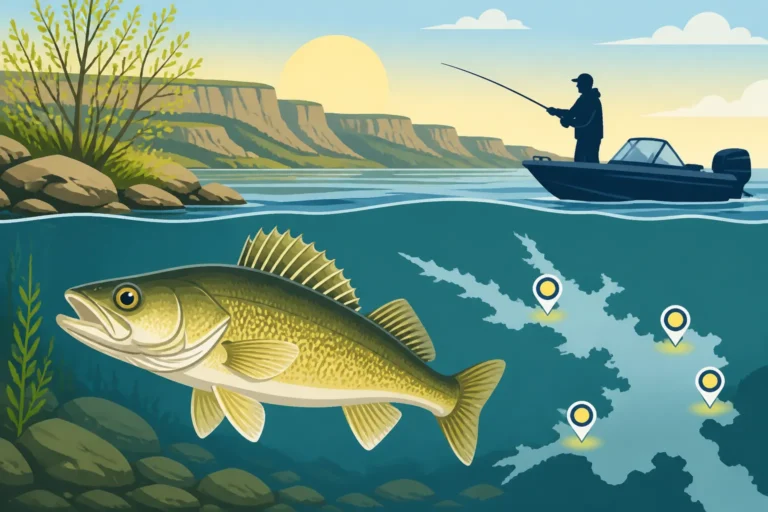
The undisputed king of Lake Sakakawea, and thus Fort Stevenson, is the Walleye. These delicious, elusive fish draw thousands of anglers each year. Spring and fall are often considered prime times for Walleye, with fish moving into shallower bays and points during the spawn and then feeding aggressively before winter. Summer sees them retreat to deeper, cooler waters, often found on humps and along the main river channel. For detailed strategies, check out North Dakota Walleye Fishing Techniques.
Another highly sought-after species is the Northern Pike. These aggressive predators are abundant in Lake Sakakawea and can grow to impressive sizes. Pike are often found in weed beds or around submerged structures, and they offer a thrilling fight. They're active year-round, including through the ice. If you're keen on targeting these toothy giants, our North Dakota Northern Pike Fishing Guide has all the tips.
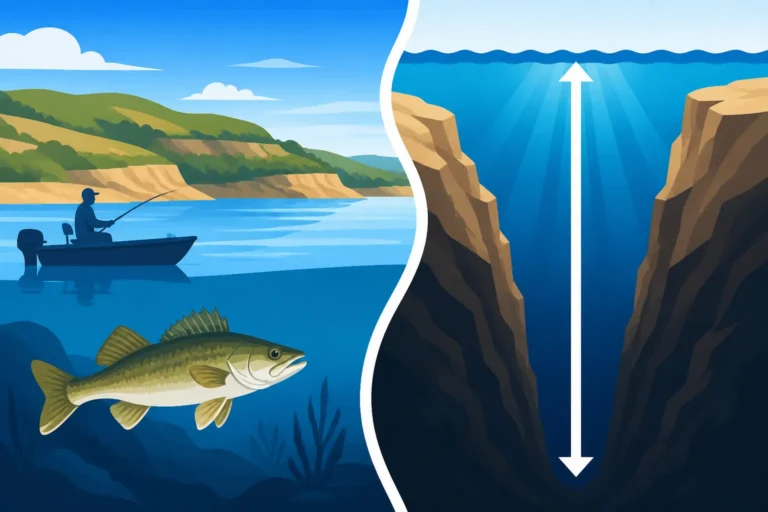
For a unique big-water experience, Chinook Salmon are a special treat. Lake Sakakawea is one of the few places in the Midwest where you can consistently target these Pacific salmon. They are typically found in the deeper, cooler waters of the main lake, often suspended over open water, and are usually caught by trolling. The late summer and fall, especially as water temperatures begin to drop, are excellent times for salmon. Learn more in our North Dakota Chinook Salmon Fishing Guide.
You'll also find a healthy population of Smallmouth Bass, particularly around rocky shorelines, rip-rap, and submerged structures. These feisty fighters are a blast on light tackle and are often overlooked by anglers focused solely on walleye. And of course, Yellow Perch are a staple, especially popular for ice fishing but also catchable from shore or boat during open water seasons. They make for excellent table fare and provide consistent action.
The beauty of fishing at Fort Stevenson is that many of these species adhere to North Dakota's generous year-round open season, though specific limits and sizes vary. Always consult the North Dakota Fishing Season Calendar for the most up-to-date regulations.
Techniques and Tactics for Fort Stevenson's Waters
Success at Fort Stevenson, like anywhere on Lake Sakakawea, often comes down to adapting your techniques to the conditions and the target species. For Walleye, trolling with crankbaits or bottom bouncers with spinner rigs is hugely popular, especially when covering large expanses of water or trying to locate active fish in the summer. When fish are concentrated on structure or during the spawn, jigging with live bait (minnows, nightcrawlers) or artificial plastics can be incredibly effective. Shore anglers often find success with slip bobber rigs baited with leeches or worms.
Northern Pike respond well to casting large spoons, spinnerbaits, or swimbaits near weed lines or rocky points. For ice fishing, tip-ups rigged with large live bait (smelt or shiners) are classic pike producers. Salmon fishing is almost exclusively done by trolling with downriggers or leadcore line, using spoons or flasher-and-fly combinations to reach the depths where these fish lurk. For Smallmouth Bass, look for rocky areas and cast crankbaits, jerkbaits, or soft plastics like tubes and grubs. For Perch, small jigs tipped with wax worms or a piece of minnow fished below a bobber works wonders, especially when ice fishing.
FishingBooker can be a great resource if you’re considering hiring a local guide to show you the ropes on Lake Sakakawea. Many experienced guides operate in the Garrison area and can dramatically shorten your learning curve, especially if you’re new to the big water or targeting a specific species. They can provide invaluable insight into the nuances of fishing Fort Stevenson and the broader Lake Sakakawea.
Beyond the Fish: Park Amenities and Regulations
While the fishing is undoubtedly the main event at Fort Stevenson State Park, the facilities and rules of the park itself play a huge role in the overall quality of your experience. Understanding what's available and what's expected will help ensure your trip is smooth and enjoyable, whether you're a seasoned camper or just passing through for a day of angling.
On-Site Facilities and Camping
Fort Stevenson State Park is truly a full-service destination. Beyond the boat ramps and fishing access, you’ll find a range of amenities that make it perfect for extended stays. There are numerous campgrounds offering both primitive and developed sites with electrical hookups, showers, and modern restrooms. Many sites offer stunning views of Lake Sakakawea, allowing you to wake up just steps from the water. Making camping reservations, especially during peak season, is highly recommended to secure your spot.
For day visitors, the park provides well-maintained picnic areas with tables and grills, perfect for a shore lunch after a morning of fishing. There are also playgrounds for children, hiking trails, and even historical exhibits at the Fort Stevenson Guardhouse Museum, offering a break from the angling action. The availability of clean, accessible facilities—restrooms, potable water, and sometimes even a small convenience store or bait shop—adds significant comfort, validating the need for places that cater to more than just the fish themselves.
Essential Rules and Regulations
Visiting a state park, especially one with a vast fishery like Lake Sakakawea, means adhering to specific rules designed to protect both the natural environment and public safety. Beyond general state park etiquette (leave no trace, respect quiet hours in campgrounds), anglers must be particularly mindful of fishing regulations. This includes possessing a valid North Dakota Fishing License Guide, understanding species-specific size and creel limits (which can vary by water body), and knowing about any special regulations for certain areas or seasons. The park's staff can usually provide a copy of the current fishing proclamation if you don't have it.
Boat owners also need to be aware of boating regulations, including speed limits in certain zones, proper display of registration numbers, and mandatory safety equipment. Lake Sakakawea is a huge lake, and it can get rough, so always prioritize safety on the water. Additionally, North Dakota has strict Aquatic Nuisance Species (ANS) prevention rules, requiring all boaters to clean, drain, and dry their boats and gear when moving between bodies of water to prevent the spread of invasive species like zebra mussels. These rules are crucial for maintaining the health of the fishery for future generations.
Planning Your Trip to Fort Stevenson State Park
A successful fishing trip isn't just about showing up with a rod and reel; it's about preparation, understanding the local conditions, and making the most of your time. Fort Stevenson State Park offers an incredible experience, but a little foresight goes a long way, especially when dealing with the vastness of Lake Sakakawea.
Best Times to Visit for Fishing
The "best" time to visit Fort Stevenson for fishing really depends on what you're hoping to catch and what kind of experience you're looking for. Generally, spring (April-May) and fall (September-October) are considered prime for Walleye and Northern Pike, as fish are more active in shallower waters and feeding aggressively. Spring also brings the highly anticipated ice-out period, which can be fantastic for early-season action. However, these periods can also be windy, so be prepared for some chop on the lake.
Summer (June-August) offers consistent fishing, especially for Walleye (often in deeper water), Smallmouth Bass, and Chinook Salmon. It’s also the warmest time, perfect for camping and enjoying all the park amenities, though it can also be the busiest. For detailed insights into seasonal patterns, check out our Best Time of Year to Fish in North Dakota guide. Even winter provides excellent opportunities for How to Ice Fish in North Dakota for Perch, Walleye, and Pike, with the park serving as a popular access point for many anglers willing to brave the cold. No matter the season, checking local fishing reports or consulting with bait shops in Garrison can give you an edge.
Preparing for North Dakota's Conditions
North Dakota weather can be unpredictable, especially on large, exposed bodies of water like Lake Sakakawea. Dressing in layers is always a good strategy, regardless of the season. In spring and fall, expect cool mornings and potentially windy afternoons. Summer can be hot, but sudden thunderstorms are common. Always pack rain gear, even if the forecast looks clear. Sunscreen, hats, and polarized sunglasses are essential year-round.
For boaters, having appropriate safety gear (life jackets, signaling devices, anchor) is non-negotiable. Lake Sakakawea can get rough, and waves can build quickly, making a small boat feel very vulnerable. Checking wind forecasts before heading out is paramount. Consider bringing extra fuel and plenty of water. If you're planning an extended stay or need specialized gear, local shops in Garrison or nearby Minot can often help. For those who want local expertise, sites like FishingBooker connect you with guides who know the lake inside and out and can help you navigate its vastness safely and productively. They’re often equipped with the Best Boats for Lake Sakakawea's Big Water and know exactly where the fish are hiding.
Ultimately, Fort Stevenson State Park provides an exceptional blend of easy access, diverse fishing opportunities, and great amenities. With a little planning and respect for the regulations, your trip to this North Dakota fishing paradise is sure to be a rewarding one.
Disclaimer
Please remember that fishing regulations, park rules, and environmental conditions can change. Always consult the official North Dakota Game and Fish Department website and the North Dakota Parks and Recreation Department website for the most current information before planning your trip. Safety on the water is paramount; always wear a life jacket and be aware of weather conditions.