Fishing Spots That Freeze First in North Dakota
Waiting for safe ice in North Dakota can feel like an eternity, especially when that first cold snap hits and you're itching to drop a line. Many of us have spent countless hours staring at weather forecasts, hoping for consistent sub-zero temperatures to solidify our favorite fishing spots. This guide is all about cutting down that waiting time, helping you identify and understand which North Dakota fishing spots tend to freeze first, allowing you to hit the hardwater earlier and extend your ice fishing season.
Understanding North Dakota's Early Ice Dynamics
The magic of early ice isn't just about a sudden temperature drop; it's a complex dance between a body of water and the elements. Some lakes just seem to lock up faster than others, and it's not always the biggest or most obvious ones. Knowing these dynamics can give you a real edge in finding that first safe hardwater.
Factors Influencing Ice Formation
Several crucial factors play into how quickly a lake or pond will freeze solid enough for safe ice fishing. It’s a bit like a recipe, and if one ingredient is off, the whole thing takes longer.
First and foremost, depth is a huge factor. Shallow water has less thermal mass to cool down, meaning it loses heat to the frigid air much faster than deep water. Think about a puddle versus a swimming pool – the puddle freezes overnight, while the pool takes much longer. This principle applies directly to lakes. A small pond with an average depth of 5-8 feet will always freeze quicker than a massive reservoir like Lake Sakakawea, which boasts depths over 100 feet in many areas. The sun's energy stored in deeper water takes longer to dissipate, delaying ice formation.
Next up, surface area and wind exposure play a significant role. Smaller lakes, especially those nestled in valleys or surrounded by trees, are more sheltered from wind. Wind actively churns the water, mixing warmer subsurface water with colder surface water, which inhibits freezing. On large, open bodies of water, relentless North Dakota winds can keep ice from forming, or even break up newly formed skim ice, frustrating early season efforts. A smaller, protected lake will often develop a stable ice sheet far more rapidly because the wind has less impact on its surface.
Finally, current is a deal-breaker. Rivers and areas with strong inflows or outflows will generally be the last to freeze, if they ever completely do. Moving water is incredibly difficult to freeze, which is why sections of the Missouri River, particularly below dams, often remain open even during the coldest parts of winter. Look for stagnant backwaters, coves, and areas completely cut off from main currents if you're seeking early ice.
The Urge for Early Ice and Safety Concerns
That undeniable itch to get out on the ice after a long open-water season is a feeling every North Dakota angler knows well. The thought of being the first one out, finding those eager panfish or hungry walleyes before the crowds arrive, is a powerful draw. It's exhilarating to step onto that fresh, clear ice, often with fantastic fishing opportunities as fish haven't seen much pressure. This initial period, usually from late November through December, is often when some of the most memorable catches happen.
However, this excitement absolutely must be balanced with an unwavering commitment to safety. Early ice is notoriously unpredictable and can change rapidly. What was safe in one spot might be dangerously thin just yards away. We've all heard the stories, or perhaps even had a close call ourselves, about falling through skim ice or stepping onto a pressure ridge that wasn't there an hour ago. It's a humbling and often frightening experience that serves as a stark reminder that no fish is worth risking your life. Always remember that the adage "no ice is safe ice" holds particular truth in the early season. For more detailed advice, check out our guide on Early Ice Fishing Safety Tips.
Prime Locations for Early Ice Fishing in North Dakota
When you're scanning maps and watching the temperatures drop, there are specific types of water bodies and areas within larger lakes that consistently offer the first safe ice of the season. Knowing these general categories will steer you in the right direction.
Smaller, Shallow Lakes and Ponds
This is the bread and butter for early ice anglers. Any body of water that’s relatively small in surface area and doesn’t have significant deep pockets is a prime candidate. These tend to be county lakes, smaller wildlife management area (WMA) ponds, or even private farm ponds if you have permission. Their limited volume of water cools down quickly and consistently.
Consider lakes like Alkali Lake near Grenora, which is a relatively shallow basin that often freezes over swiftly. Or perhaps some of the smaller, lesser-known fishing spots scattered across the state, such as those within the Sheyenne National Grassland area, which can be fantastic if conditions are right. These hidden gems might not hold monster walleyes, but they can offer fast and furious action for yellow perch or northern pike, providing that much-needed early season fix.
These smaller fisheries are usually less affected by strong winds and have less current, creating ideal conditions for a quick freeze. They're often overlooked by anglers targeting the big waters, making them excellent spots for solitude and reliable early action. Just make sure to verify public access rules if exploring new, smaller spots.
Protected Bays and Backwaters
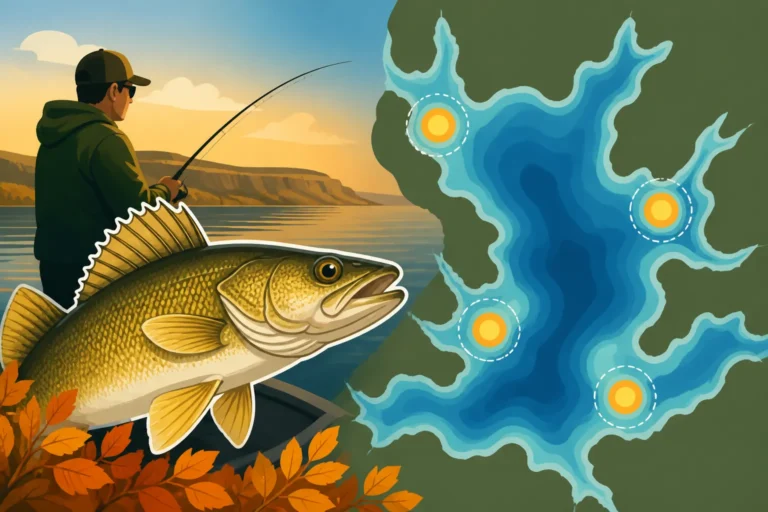
Even large lakes, which generally take a long time to freeze completely, have sections that will lock up well before the main body. These are typically protected bays, shallow arms, or backwater areas that are sheltered from strong winds and have minimal current. These spots act almost like mini-lakes within the larger system.
Take Devils Lake, for instance. While its expansive, often windy main lake can take weeks, even months, to freeze completely, certain bays and shallower stretches along its southern and eastern shores will often cap over much earlier. Places like Creel Bay or East Bay, particularly in their shallower reaches, might offer fishable ice when the main lake is still churning. Similarly, on the massive Lake Sakakawea, arms like Van Hook Arm or the Snake Creek Embayment have vast shallow sections that tend to freeze first, especially in the upper reaches of those arms where depths are more consistent and current is reduced. These areas offer the dual benefit of early ice along with the potential for bigger fish that the larger lakes are known for. Always consult local reports; a quick search on FishingBooker for guides in the Devils Lake area can often yield valuable insights into which specific bays are seeing early ice.
Northern-most Waters
Geography plays a straightforward role in ice formation. Lakes located further north in the state generally experience colder temperatures earlier and more consistently than those in the south. This means their freezing process gets a head start and is less likely to be interrupted by warmer spells.
The Turtle Mountains region, in particular, is renowned for its early ice. Lakes such as Lake Metigoshe, Lake Lord, and Pelican Lake are often among the first to offer safe, fishable ice in North Dakota. These lakes are situated in the state's northern tier and benefit from persistent colder air masses flowing down from Canada. They tend to be relatively shallow and are often surrounded by protective tree lines, further aiding rapid ice formation. If you're really eager to get out, keeping an eye on the weather patterns in the Bottineau and Rolla areas is a good strategy.
Specific North Dakota Fishing Spots Known for Early Ice
While general principles are helpful, knowing specific spots that fit the bill can save you a lot of guesswork. North Dakota has a fantastic array of lakes and reservoirs, and some consistently deliver that coveted early ice.
Lake Metigoshe and Turtle Mountain Area Lakes
The Turtle Mountains are a true gem for early ice anglers. Lake Metigoshe, near Bottineau, is often one of the very first larger lakes to become fishable. Its relatively shallow nature and location in the northern part of the state mean it experiences colder temperatures sooner and more consistently. The lake's bays and shallower edges typically cap over first, providing excellent opportunities for yellow perch, northern pike, and walleye. Many anglers target the shallower reeds and weed edges in these early weeks, as fish are often still relating to these structures before retreating to deeper water. If you want to plan an early ice trip, checking out a Lake Metigoshe Fishing Guide, North Dakota can offer more specific, up-to-date details.
Beyond Metigoshe, other lakes in the Turtle Mountain region, like Lake Lord, Strawberry Lake, and Pelican Lake, also tend to freeze quickly. These smaller, generally shallower waters are perfect for a scouting trip as soon as temperatures permit. They often see less pressure than the big lakes and can provide incredible action for panfish, making them ideal for families or those just looking to get a bend in their rod. Remember to layer up, as these northern areas can get brutally cold.
Eastern North Dakota Small Water Bodies
Moving east, while the region might not have the same number of large fishing destinations as central or western North Dakota, it's dotted with numerous smaller lakes and reservoirs that are excellent early ice candidates. Think about places like Lake Ashtabula, while a larger system, its shallower upper reaches and protected coves can freeze sooner. Similarly, smaller county lakes and wildlife department ponds spread across eastern North Dakota are good bets.
The key here is their size and general lack of significant current. These smaller waters, particularly those near communities like Valley City or Jamestown, often provide the first safe ice for anglers eager to chase yellow perch and northern pike. Jamestown Reservoir and Pipestem Reservoir, while not tiny, have shallower sections and protected areas that often form safe ice ahead of the massive lakes to the west. Local bait shops in these areas are often the best resource for real-time ice conditions.
Protected Sections of Larger Systems
Even on North Dakota’s titans like Devils Lake and Lake Sakakawea, specific areas consistently provide early ice. On Devils Lake, for instance, the many bays and flooded timber areas, especially those less exposed to the main lake’s vastness and wind, will freeze first. The areas around East Bay, Six Mile Bay, or even sections of the Pelican Lake area that connect to Devils Lake often yield the earliest hard water. These spots benefit from being shallower and having natural windbreaks from surrounding terrain or dense timber.
For Lake Sakakawea, which is truly a massive body of water, focusing on the shallow upper ends of its long arms is crucial. The Van Hook Arm near New Town, or the Snake Creek Embayment near Riverdale, are prime examples. These areas significantly narrow and shallow out as you move upstream, becoming much more susceptible to freezing. While the main body of Sakakawea can remain open well into winter, these arms can offer several feet of safe ice surprisingly early. Always remember that even within these "early freezing" zones, ice conditions can vary dramatically, so constant vigilance and checking thickness are paramount. Anglers sometimes use services like FishingBooker to connect with local guides who specialize in early ice fishing on these specific sections.
| Lake Type/Characteristic | Typical Freeze Time | Average Depth | Wind Exposure | Current Influence | Primary Species (Early Ice) |
|---|---|---|---|---|---|
| Small, Shallow Lakes/Ponds | Earliest | < 15 ft | Low | None | Perch, Pike, Crappie |
| Protected Bays/Backwaters | Early | 5-30 ft | Low/Moderate | Low | Walleye, Perch, Pike |
| Northern Lakes | Early | Varies | Moderate | Low | Walleye, Perch, Pike |
| Large, Open Lakes | Latest | > 30 ft | High | Moderate | Walleye, Salmon, Sauger |
| Rivers/Flowing Water | Rarely/Never | Varies | High | High | Catfish, Walleye |
Essential Considerations for Early Ice Anglers
Getting out on early ice is exciting, but it demands extra caution and preparation. It's not just about knowing where to go, but how to go safely and effectively.
Prioritizing Ice Safety
I can't stress this enough: ice safety is non-negotiable, especially during the early season. No fish is worth the risk of falling through. The recommended minimum ice thickness for a single angler on foot is 4 inches of clear, solid ice. For snowmobiles or ATVs, you need at least 5-7 inches. And for vehicles? Forget about it until you're absolutely certain the ice is a foot thick or more, and even then, exercise extreme caution. You can learn more about How Thick Ice Needs to Be for Ice Fishing.
Always carry ice picks around your neck, a spud bar to test ice ahead of you, and a throw rope. Go with a buddy, or at least let someone know exactly where you’re going and when you expect to be back. Be aware of pressure ridges, areas where ice heaves due to expansion and contraction, which can be dangerously thin. Fishing near natural inlets or outlets, or over springs, is also extremely risky due to constantly changing current patterns that can create weak spots. For comprehensive guidelines, consult the official North Dakota Ice Fishing Rules and always review your North Dakota Fishing Season Dates and Limits.
Gear and Preparation for Early Season
Your gear checklist for early ice fishing will be a bit different than for mid-winter. You'll likely be walking on foot, so portability is key. A good pair of insulated, waterproof boots is paramount, along with layered clothing that can be adjusted as you move or as the day warms up.
A spud bar is your best friend for early ice, allowing you to test the ice strength with every step. You'll want a reliable ice auger – whether it's a hand auger for minimal weight, or a lightweight power auger – to cut your holes. For tips on choosing the right one, check out our guide on Ice Fishing Auger Techniques. A portable ice shelter, often a "flip-over" style, can offer much-needed protection from the elements, even if you're only out for a few hours. For a detailed list, consider our Best Ice Fishing Gear for North Dakota article. Don't forget your fishing license! You can review the general North Dakota Fishing License Guide for details on what's required.
Checking Conditions and Local Reports
The most accurate information about early ice conditions will always come from local sources. Before you head out, call the bait shop closest to your intended destination. These folks live and breathe fishing, and they'll have the most up-to-date, on-the-ground reports about ice thickness, open water, and recent catches.
Online forums and social media groups dedicated to North Dakota ice fishing are also invaluable. Many anglers post daily updates, photos, and warnings about hazardous spots. Be wary of older reports; ice conditions can change significantly overnight with a sudden warm spell or heavy snowfall. Utilize resources like the North Dakota Game and Fish Department's weekly fishing reports, and don't be afraid to drive to a spot and visually inspect the ice before committing to walking out. Sometimes a scout trip without gear is the safest way to assess the conditions. When planning a trip, looking up a local guide through FishingBooker can offer personalized, real-time insights into safe and productive early ice locations. Remember, the general When Does Ice Fishing Season Start in North Dakota? provides an overview, but specific lake conditions are always the deciding factor.
Disclaimer
The information provided in this guide is for general informational purposes only and is not a substitute for checking current, real-time ice conditions or official regulations. Ice conditions can change rapidly and unpredictably. Always prioritize safety, exercise extreme caution, and consult local authorities and resources before venturing onto any ice. Fishing regulations, season dates, and limits are subject to change; always refer to the latest North Dakota Game and Fish Department proclamation.