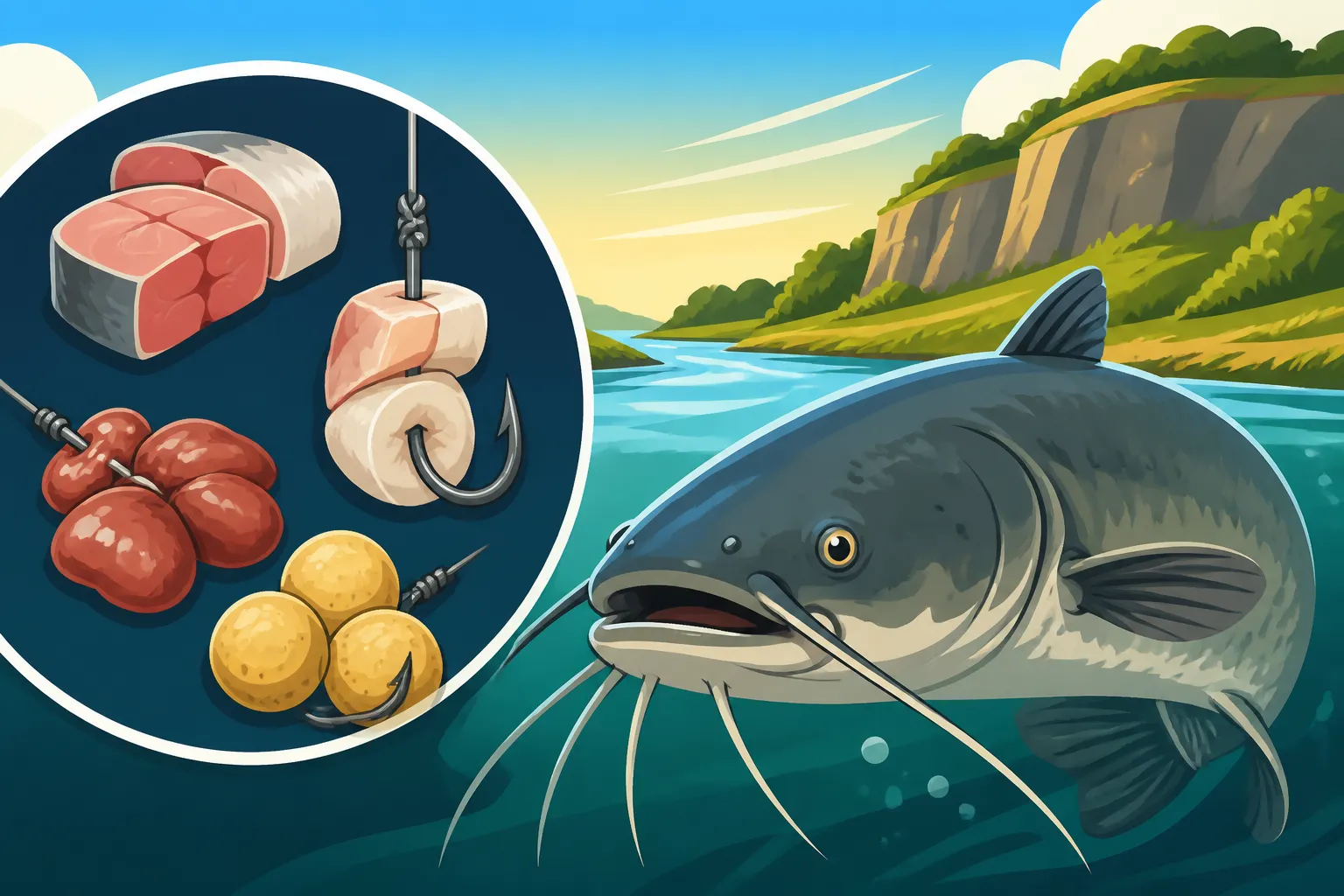
Catfish Bait Techniques for the Red River
Trying to land those legendary channel catfish on the Red River can sometimes feel like you're talking to a brick wall – or in this case, a brick whisker. It's frustrating when you spend hours on the water, only to come up short while stories of massive Red River cats abound. This comprehensive guide will cut through the noise, offering proven bait techniques and strategies specifically tailored for enticing North Dakota's famous Red River channel catfish.
Understanding the Red River Channel Catfish Palate
Fishing the Red River is a truly unique experience, largely due to its distinct ecosystem and the specific feeding habits of its channel catfish. These aren't your average pond cats; the Red River's murky, nutrient-rich waters and strong currents influence everything from what they eat to how they find it. Before we even talk about specific baits, it's crucial to understand what makes a Red River channel catfish tick when it comes to a meal.
The Power of Scent in Murky Waters
One of the most defining characteristics of the Red River is its often turbid or stained water. While this might make sight fishing nearly impossible, it plays directly into the channel catfish's strengths: their incredible sense of smell and taste. Unlike species that rely heavily on sight, channel cats have chemoreceptors all over their bodies, particularly their barbels (whiskers), which act like underwater antennae, detecting even the faintest dissolved odors. This means that a bait's scent trail is paramount on the Red River. A strong, persistent scent that disperses well in current is often more effective than something visually appealing. Think about it: if you can't see your food, you're going to rely on your nose! This is why "stinky" baits often reign supreme.
Preferred Food Sources in the Red River Ecosystem
The Red River is a rich environment, teeming with various food sources that influence the catfish diet. Their natural diet includes smaller fish like shiners and suckers, invertebrates such as crayfish and mussels, and even fallen insects or carrion washed into the river. This diverse natural diet tells us that Red River channel cats are opportunistic scavengers and predators. They're not particularly picky, but they do have preferences based on what's readily available and what provides the most bang for their caloric buck. Understanding this helps us choose baits that mimic or exaggerate these natural food sources, hitting on familiar tastes and smells. For example, if there's a good run of shiners in the river, fresh cut shiners might outperform other baits because it's exactly what they're already looking for.
The Unbeatable King: Cut Bait Techniques
If there's one bait that consistently dominates for channel catfish on the Red River, it's fresh cut bait. It's simple, incredibly effective, and capitalizes perfectly on the catfish's superior sense of smell. But just saying "cut bait" isn't enough; there's an art and a science to it that can significantly impact your success.
Selecting Your Cut Bait Species
The best cut bait is almost always fresh baitfish, ideally something native to or commonly found in the Red River system. Common choices include suckers, goldeye, shad, carp, or even larger minnows. The key is freshness. A recently caught fish will bleed and emit natural oils and scents much more effectively than something that's been frozen for months. Many anglers will head out a day before their catfish trip specifically to catch baitfish like goldeye or suckers. You want something with decent oil content and a strong, natural smell. While you can use store-bought frozen bait, it's generally a distant second to fresh-caught. Remember, the goal is to create a compelling scent trail, and fresh blood and guts are the ultimate calling card for a hungry channel cat.
Preparing and Preserving Cut Bait
Once you have your baitfish, proper preparation is crucial. You want to cut the fish into pieces that are proportional to the size of catfish you're targeting – typically strips or chunks about 1-3 inches long, depending on the size of the baitfish. For larger baitfish, you might cut them into steaks or strips, ensuring each piece has some skin, meat, and ideally, a bit of the internal organs. This maximises the scent dispersion.
Some anglers will score the skin of the baitfish before cutting to further increase the surface area for scent release. Others will lightly bruise the meat to encourage more blood and oil to escape. If you're using smaller fish, you can simply cut them in half or into thirds. For longer trips, keeping your cut bait fresh is paramount. Store it in a cooler on ice, ideally in a separate sealed bag or container to prevent cross-contamination and keep the scent strong. A little trick is to add a small amount of water to the bag with the bait; this creates a "bait juice" that further enhances the scent as it slowly leaks into the river.
Rigging Cut Bait for Maximum Appeal
Rigging cut bait properly ensures it stays on the hook, presents naturally in the current, and maximizes its scent potential. For Red River channel catfish, a single, strong circle hook (sizes 4/0 to 8/0 are common, depending on the bait size and target fish) is usually the best choice. Circle hooks are fantastic because they almost always hook fish in the corner of the mouth, making for easy release and less harm to the fish. Thread your cut bait onto the hook, ensuring the point and barb are exposed. You want the hook to be firmly embedded so the bait doesn't fly off on a hard cast or in strong current.
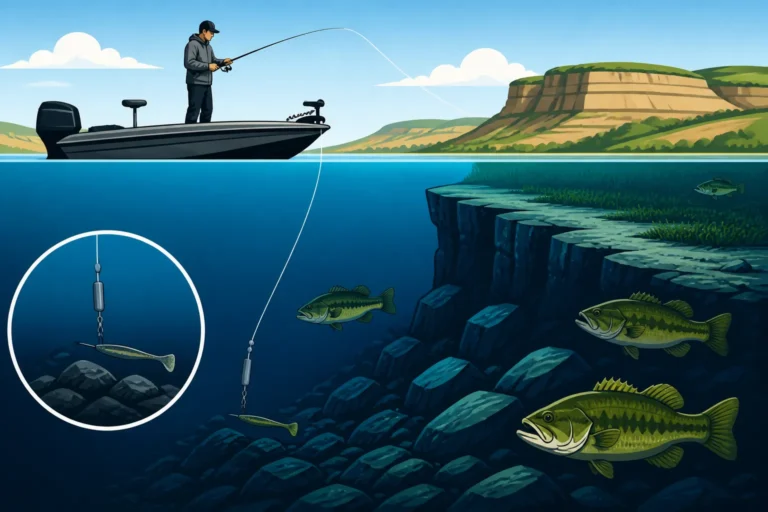
One common and highly effective setup for cut bait on the Red River is the Carolina Rig. This rig consists of a heavy sliding sinker (often 1-4 ounces to battle the current, sometimes more) above a barrel swivel, with a leader (12-24 inches) of slightly lighter monofilament or fluorocarbon tied to the hook. This allows the bait to tumble and move somewhat naturally downstream from the sinker, presenting as a free-floating meal while the weight holds the bottom. Another popular choice, especially if you're trying to fish multiple baits or keep your line clear of snags in certain areas, is the Three-Way Swivel Rig. This rig allows you to attach a sinker on a short dropper line and your bait on a longer leader, keeping your main line elevated.
Stink Baits, Prepared Baits, and Other Temptations
While fresh cut bait is often king, sometimes channel cats are in the mood for something a little different, or conditions might call for a different approach. This is where commercial stink baits, prepared baits, and other specialized options come into play. They offer convenience, potent odors, and can be incredibly effective when used correctly.
Commercial Stink Baits and Dough Baits
The market is flooded with commercial catfish baits, many of which are designed specifically to exploit a catfish's sense of smell. These range from solid "dough baits" that you mold onto a treble hook, to softer "dip baits" that require a special bait holder or sponge. Brands like Tangler, Sonny's, and Catfish Charlie offer popular options that many Red River anglers swear by. The key with these baits is often their incredibly pungent odor – think aged cheese, garlic, or even fermented fish. They're formulated to release a strong, attractive scent trail in the water.
When using commercial stink baits, it's important to match the bait to the presentation. Dough baits are generally easier to handle and stay on the hook better in current, but might not disperse scent as widely. Dip baits, on the other hand, are messier but can create a more powerful and widespread scent cloud. Many anglers will keep a selection of these on hand, especially for different water temperatures or current speeds. You can often find a wide variety of these specialized baits, along with bait holders and other accessories, available on Amazon, making it easy to experiment.
DIY Prepared Baits and Secret Recipes
For the truly dedicated angler, crafting your own prepared baits can be a rewarding and often highly effective endeavor. These "secret recipes" often combine various pungent ingredients to create a unique scent profile that local catfish may not be accustomed to. Common ingredients include cheese, garlic, fish scraps, blood, and various oils. Some popular homemade concoctions involve blending strong cheeses with garlic powder and a bit of flour or cornmeal to create a moldable dough. Others might involve fermenting chicken livers or other meats to intensify the smell.
The beauty of DIY baits is the ability to customize. You can adjust the consistency to make it more or less firm, or add different scent boosters based on your experience or local conditions. Just be prepared for the smell! These baits can be quite potent, and keeping them separate from your other gear, perhaps in a dedicated bait container, is highly recommended. The satisfaction of catching a big channel cat on a bait you made yourself is truly something special.
Natural Baits: Beyond the Usual Suspects
While cut bait and stink baits are often the go-to, don't overlook other natural bait options. Sometimes, the catfish are in a mood for something live and squirmy, or a different texture and scent profile can make all the difference.
Worms and Leeches: Classic Choices
Good old worms and leeches are universal fish catchers, and channel catfish are certainly no exception. Large nightcrawlers, especially a tangled wad of them, can be incredibly enticing. They provide both visual appeal (wiggling) and a subtle, earthy scent that's very natural. Leeches are another fantastic option; they're incredibly tough, stay on the hook well, and emit a natural blood scent that catfish find irresistible.
These baits are particularly effective when the catfish are in a more active feeding mood or when you're targeting slightly smaller cats. They can be presented on a simple jig head or a worm hook, either on the bottom or under a bobber in slower currents. While not always the top choice for monster Red River channels, they can certainly fill a cooler with eaters and provide consistent action, especially during periods when the fish might be more selective. You can often buy them in bulk from local bait shops, or even from sellers on Amazon if you plan ahead.
Live vs. Dead Baitfish
The debate of live vs. dead baitfish is an old one, and for Red River channel catfish, both have their place. Live baitfish, such as shiners, small suckers, or even larger minnows, offer an irresistible natural presentation that predatory catfish can't ignore. The erratic movements and distress signals of a live baitfish can trigger an aggressive strike, especially from larger, more active fish. This is often an excellent choice when targeting trophy-sized channel catfish, as they are often more inclined to chase down a live meal.
However, dead baitfish, particularly when used as cut bait, often excel in the Red River's murky conditions precisely because they create a strong, dispersing scent trail without the need for visual attraction. A dead baitfish, allowed to sit on the bottom and leach its scent, signals an easy meal for a scavenging catfish. When using live bait, remember to check the North Dakota Fishing Regulations Explained to ensure you're using legal species and quantities. The choice between live and dead often comes down to the current conditions, the activity level of the fish, and your personal preference for active vs. passive fishing.
Presentation is Key: Rigging for Success
Having the best bait in the world won't matter if you can't present it effectively. On the Red River, where strong currents and potential snags are common, proper rigging is absolutely essential to ensure your bait stays in the strike zone and signals "easy meal" to a passing catfish.
Choosing the Right Rig for the Current
The Red River is known for its strong currents, especially during certain times of the year or after heavy rains. This makes selecting the correct rig paramount. As mentioned, the Carolina Rig and the Three-Way Swivel Rig are staples. For the Carolina Rig, the heavy sliding sinker (often a flat no-roll sinker or a pyramid sinker) helps hold the bait in place on the bottom without it being swept away. The leader then allows the bait to move somewhat naturally with the flow, creating a dynamic presentation.
For situations with even stronger currents or when fishing over a snaggy bottom, the Three-Way Swivel Rig can be invaluable. By attaching a lighter, break-away sinker to a short dropper line, you can minimize line loss if your sinker gets snagged, while still presenting your bait effectively. Some anglers also find success with a simple slip sinker rig, where a bullet or egg sinker slides freely on the main line down to the hook, allowing the fish to pick up the bait without feeling immediate resistance. Understanding How Many Lines Can You Fish With in North Dakota? is also important for optimizing your spread.
Understanding Weight Selection and Line Management
Matching your weight to the current speed is a constant battle on the Red River. Too light, and your bait will simply be washed downstream; too heavy, and you might not get a natural presentation. Start with enough weight to hold the bottom, then adjust as needed. Sometimes, you'll need as much as 6-8 ounces in truly ripping current, though 2-4 ounces is more common. Flat, no-roll sinkers are excellent for preventing your rig from rolling with the current, keeping your bait in a stable position.
Line management also plays a significant role. Even with heavy weights, current can create a significant bow in your line. This makes bite detection harder and can also cause your bait to move further from your desired spot. Try to keep as much line out of the water as possible by using long rods and keeping your rod tip high. Some anglers also use heavier main lines (like 30-50 lb braided line) for increased abrasion resistance against submerged timber and improved sensitivity, especially when paired with a good quality leader. Strong braided line is readily available for purchase from stores like Amazon.
Seasonal Considerations for Bait Choice
Just like any other species, channel catfish behavior and feeding patterns change throughout the year. What works in the scorching heat of summer might be completely ignored in the chilly waters of spring. Adapting your bait choices to the season is a hallmark of successful Red River catfish anglers.
Spring Warm-Up Bait Choices
As the Red River water temperatures begin to climb in spring, channel catfish become more active after their winter sluggishness. This is often a fantastic time for aggressive feeding. Early spring often sees fish concentrated in deeper holes or slower eddies, looking for easy meals. Fresh cut bait is usually highly effective during this period. Fish that have recently spawned or are preparing to spawn will be looking to replenish energy, making a protein-rich meal hard to pass up.
Focus on baits that release a strong, sustained scent. Pieces of sucker, goldeye, or carp are excellent choices. As the water warms further and baitfish become more active, a live minnow or shiner can also be deadly. You'll often find fish moving into slightly shallower areas as the sun warms the water, making these spots prime targets. Keep an eye on water temperatures and adjust your location and bait size accordingly. Don't be afraid to try some classic worms too, especially if you're exploring smaller tributaries flowing into the main river, as they can be productive for a mixed bag.
Summer Heat and Bait Activity
Summer on the Red River means consistently warm water temperatures and highly active channel catfish. This is often when the biggest fish are caught, as they feed aggressively throughout the day and into the night. During the hottest parts of the day, catfish might retreat to deeper, cooler holes or seek cover under submerged structure. Their metabolism is high, and they'll readily consume a wide variety of baits.
This is prime time for strong-smelling commercial stink baits and homemade concoctions. The warm water helps these pungent baits disperse their scent even more effectively. Catfishing at Night in North Dakota is particularly productive in summer, as catfish often move into shallower feeding flats under the cover of darkness. Cut bait remains a top producer, and don't hesitate to use larger pieces to appeal to trophy fish. You can find excellent bait recipes and tips in our guide on the Best Bait for Channel Catfish in North Dakota. Experiment with different baits and presentations until you find what the fish are keying in on.
Fall Feeding Frenzy Baits
As autumn approaches and water temperatures begin to drop, Red River channel catfish enter a "feeding frenzy" phase, actively packing on calories for the upcoming winter. This is another excellent time to target large catfish, often with similar strategies to summer but with some subtle shifts. Fish may become even more aggressive and less picky, as they are driven by instinct to feed.
Cut bait, especially larger pieces, remains a powerhouse bait. As baitfish like shiners and suckers become less active with the cooling water, they make easy targets for scavenging catfish, so mimicking this natural food source is highly effective. Stink baits can also still work well, particularly on warmer fall days. Focus on targeting traditional deeper holes and bends in the river where fish will congregate as they prepare for winter. Our guide on Red River Catfish Fishing Spots in North Dakota can help you pinpoint those productive areas. The fall bite can be intense and incredibly rewarding, often producing some of the largest channel catfish of the year.
Troubleshooting Common Red River Bait Challenges
Fishing the Red River for channel catfish, while incredibly rewarding, isn't always straightforward. Anglers often face specific challenges related to bait presentation and fish activity. Knowing how to troubleshoot these common issues can make the difference between a frustrating day and a successful outing.
Dealing with Bait Stealers and Nuisance Fish
One of the most common frustrations on the Red River is dealing with bait stealers. Smaller channel cats, goldeye, suckers, and even freshwater drum can peck away at your bait, leaving you with an empty hook without a solid bite. This is particularly annoying when you're targeting larger fish with bigger baits.
To combat bait stealers, consider a few strategies. First, ensure your bait is securely hooked. For cut bait, threading it onto a circle hook so it's firmly attached can prevent smaller fish from easily pulling it off. Second, you might try increasing the size of your bait. While smaller fish might still nibble, a larger chunk of cut bait is harder for them to entirely strip from the hook, leaving more for the intended target. Third, a change in bait type can sometimes help. Some commercial dough baits are tougher and stay on the hook better than softer dip baits. Conversely, if you're not getting any bites, sometimes downsizing your bait or using a worm can get you into some action and help you confirm if fish are present.
Adjusting for High Water and Strong Current
The Red River is notorious for its fluctuating water levels and strong currents, which can make bait presentation incredibly challenging. When the river is running high and fast, getting your bait to stay on the bottom in the strike zone is a major concern.
The primary adjustment here is weight. You might need to significantly increase the weight of your sinkers, often up to 6-8 ounces or even more, to hold your bait in place. Flat, no-roll sinkers or pyramid sinkers are usually the most effective shapes for anchoring in strong current. Furthermore, consider moving to slower current areas if possible. Eddy lines, behind wing dams, or in deeper holes where the current naturally slows down can be more productive during high water. For rigging, a three-way swivel rig might offer more flexibility than a Carolina rig in extreme currents, as you can easily adjust the sinker's weight and the leader length. Finally, keep an eye on debris in the water; high water often brings a lot of floating logs and branches, which can snag your lines. Knowing the North Dakota Catfish Limit Rules will also help you plan your catch for such conditions.
Here's a quick comparison of popular Red River catfish baits:
| Bait Type | Pros | Cons | Best Use Cases |
|---|---|---|---|
| Fresh Cut Bait | Strong, natural scent; highly effective. | Can be messy; requires fresh baitfish. | All seasons, especially for larger fish; murky water. |
| Commercial Stink Bait | Extremely potent; convenient; widely available. | Can be very messy; specific bait holders needed for dip baits. | Warm water, active fish; when scent is paramount. |
| Homemade Prepared Bait | Customizable scent; unique appeal; cost-effective. | Very messy; strong odors; inconsistent results if not perfected. | Experimentation; targeting pressured fish; unique conditions. |
| Worms/Leeches | Easy to obtain; natural wiggling action. | Smaller bites; can attract smaller fish; less scent than cut bait. | Early season; slower currents; mixed bag fishing. |
| Live Baitfish | Irresistible action; targets aggressive fish. | Requires keeping bait alive; legal restrictions on some species. | Targeting trophy fish; clear water; active feeding periods. |
The Value of Local Knowledge and Adaptation
Ultimately, the Red River is a dynamic system, and what worked yesterday might not work today. This is where local knowledge, observation, and a willingness to adapt become your most valuable tools. While general bait techniques are crucial, fine-tuning your approach based on real-time conditions will significantly increase your success rate.
Observing Conditions and Learning from Locals
Pay close attention to river conditions: water level, clarity, temperature, and current speed. All these factors influence where catfish are holding and what they're willing to eat. A rising, muddy river might call for the strongest, stinkiest bait you have, presented in a slower eddy. A stable, clearer river might allow for a more subtle presentation with live bait. Don't be afraid to talk to other anglers at boat ramps or local bait shops. North Dakota anglers are often a friendly bunch, and a simple conversation can provide invaluable insights into recent patterns or productive baits. Places like Scheels or independent bait shops near Grand Forks often have staff with extensive local Red River knowledge.
Sometimes, the best information comes from simply observing. If you see other anglers consistently landing fish, try to subtly observe their setup or the general area they're fishing. Are they using long rods set in rod holders, suggesting a bottom rig? Are they actively casting, implying a different technique? Learning from your surroundings and the experiences of others is a fast track to becoming a more effective Red River catfish angler.
Experimentation and Confidence in Your Bait
While it's good to have a few tried-and-true baits, never be afraid to experiment. If one bait isn't producing, don't sit there for hours hoping for a miracle. Change your bait, change your rig, or change your location. Perhaps the fish are ignoring cut suckers but will hammer a chicken liver. Maybe they want a smaller piece of bait today, or a larger one. Keep a variety of baits on hand and cycle through them until you find what the catfish are biting.
Confidence in your bait is also incredibly important. If you believe your bait is well-presented and appealing, you'll fish it more effectively, pay closer attention to your rod tip, and be more patient. The North Dakota Nonresident Fishing License Guide is a great resource to ensure you're legally prepared for your Red River adventure. By combining tried-and-true Red River bait techniques with a keen eye for conditions and a willingness to adapt, you'll be well on your way to experiencing the thrill of battling those formidable North Dakota channel catfish.
Disclaimer
Please remember that fishing regulations, including limits and permitted baits, can change. Always consult the latest North Dakota Game and Fish Department proclamations before heading out on the water. This guide is for informational purposes only and does not constitute legal advice.