Ice Fishing Electronics and Fish Finders
There's nothing quite as frustrating as bundling up, driving out onto a frozen North Dakota lake, drilling a perfect hole through thick ice, and then staring into the dark water only to find… nothing. You move, drill another, still nothing. This cycle of drilling and hoping can quickly sap the joy out of a beautiful winter day. This guide is dedicated to helping you overcome that common ice fishing dilemma by demystifying the world of ice fishing electronics and fish finders, ensuring you spend more time catching and less time guessing.
The Game Changer: Why Electronics Are Essential for Ice Fishing Success
For decades, ice fishing relied on a blend of local knowledge, instinct, and a whole lot of luck. Anglers would spread out, drill holes, and wait, sometimes for hours, for a bite. But in today's world, that kind of blind fishing is becoming a thing of the past. Modern ice fishing electronics aren't just fancy gadgets; they're truly indispensable tools that can radically transform your success rates and overall enjoyment on the ice. They take the guesswork out of finding fish, allowing you to target productive areas with surgical precision.
Pinpointing Fish and Structure Beneath the Ice
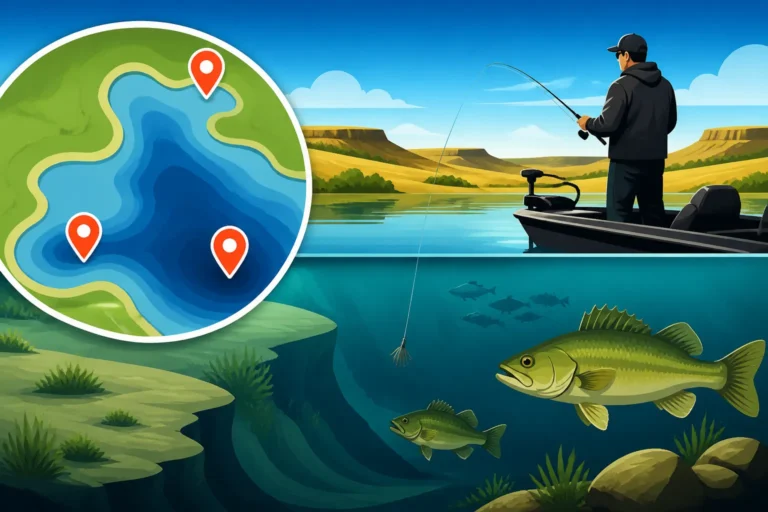
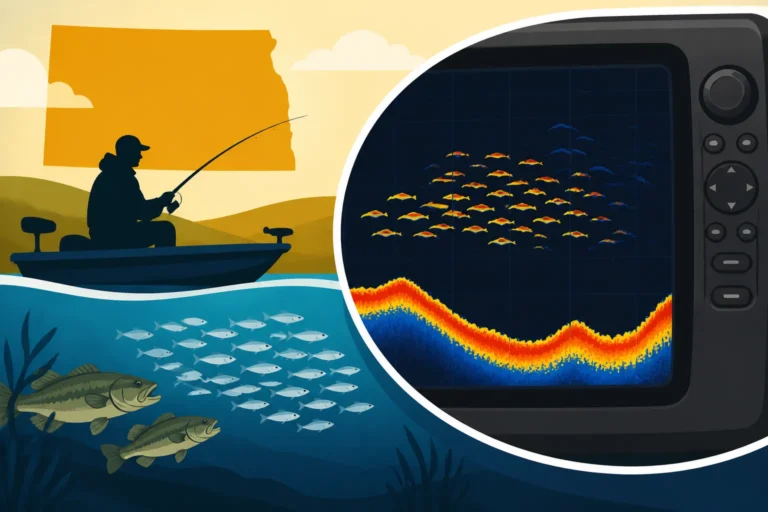
Imagine knowing exactly what's below your hole before your lure even hits the water. That's the power of a good ice fishing fish finder. These devices don't just tell you if fish are present; they reveal the entire underwater landscape. You can identify crucial features like subtle depth changes, submerged weed lines, rock piles, or even old timber, all of which are magnets for hungry fish. Instead of randomly drilling, you can scan an area, locate promising structure or congregations of baitfish, and then drill directly on top of the action. This saves an enormous amount of energy and significantly increases your chances of dropping a line right where the fish are hiding. For instance, on a vast expanse like Devils Lake, knowing where submerged timber or old roadbeds lie can be the difference between a slow day and a hot bite when you're trying to figure out how to find perch schools under the ice.
Understanding Fish Behavior in Real-Time
One of the most profound benefits of ice fishing electronics is the ability to observe fish behavior in real-time. With a flasher or a graph unit, you don't just see a fish; you see it approaching your lure, how it reacts to your jigging cadence, and whether it's aggressive or hesitant. This immediate feedback loop is invaluable. If a fish swims up to your bait and then turns away, you can instantly change your jigging motion, swap lures, or alter your presentation until you find what triggers a strike. It's like having an underwater camera without needing actual visibility. This dynamic interaction allows you to adapt your technique on the fly, learning what works for specific species and conditions, whether you're targeting elusive walleye or aggressive northern pike. This real-time visibility is crucial for truly mastering the art of ice fishing in North Dakota.
Deciphering the Options: Types of Ice Fishing Electronics
The world of ice fishing electronics can seem a bit overwhelming at first, with various technologies promising different advantages. However, it essentially boils down to three main categories: flashers, LCD/graph units, and the newer, revolutionary live sonar systems. Each has its own strengths, ideal use cases, and price points, catering to different styles of anglers and budgets. Understanding these differences is key to choosing the right tool for your specific North Dakota ice fishing adventures.
Flashers: The Traditional Workhorse
Flashers are arguably the most iconic and widely used ice fishing electronics, cherished by many seasoned anglers for their simplicity and lightning-fast real-time display. Brands like Vexilar, Marcum, and Humminbird have built their reputations on these devices. A flasher uses a spinning LED or LCD dial to show you what's happening directly below your transducer at that exact moment. You'll see distinct bands representing the bottom, your lure, and any fish in the water column. The colors often indicate signal strength, helping you differentiate between a small baitfish and a trophy walleye.
The beauty of a flasher lies in its raw, unfiltered, and immediate feedback. There's no lag, no processing time; it's a direct, analog representation of the sonar signal. This makes it incredibly effective for vertical jigging, allowing you to see your lure and watch fish react to it with unparalleled responsiveness. They are generally robust, battery-efficient, and perform exceptionally well in extremely cold temperatures, which is a major plus for those long, bitter days on the ice in North Dakota. For many, the simple, vibrant display of a flasher is all they need to stay on top of the action.
LCD/Graph Units: Detailed Visuals on the Ice
Stepping up from flashers, LCD or graph units offer a more detailed, historical view of the underwater world, much like the fish finders you'd use on an open-water boat. These devices, often from brands like Humminbird, Lowrance, and Garmin, display sonar returns on a digital screen, presenting a scrolling history of what has passed beneath your transducer. This means you can see not only what's happening now, but also what just happened, giving you a broader context of fish movement and bottom contours.
Many modern graph units come equipped with GPS capabilities, allowing you to mark waypoints, track your movements, and even load detailed lake maps. This is incredibly useful for navigating large lakes like Lake Sakakawea or finding your way back to productive spots from previous trips. The more advanced units may also offer features like CHIRP sonar, side imaging, or down imaging, providing incredibly clear and precise images of fish and structure. While they might have a slight delay compared to a flasher's instant readout, the wealth of information, mapping features, and detailed graphical display make them an excellent choice for anglers who want more than just a real-time blip, especially when combined with a good understanding of how to read a fish finder for ice fishing. You can often find a wide range of these units on online retailers like Amazon, offering various features to suit different budgets.
Live Sonar Systems: Seeing the Future Beneath the Ice
The most significant leap in ice fishing electronics in recent years has been the advent of live sonar systems, pioneered by innovations like Garmin's LiveScope and Lowrance's ActiveTarget. These groundbreaking technologies don't just show you what's directly below your hole or a historical view; they provide a real-time, three-dimensional, forward-looking (or down-looking) view of fish and structure around your hole. It's like having an underwater camera that operates in real-time, allowing you to see fish swimming towards your lure, chasing it, or moving away, all before they even enter the traditional sonar cone.
This "future-seeing" capability is revolutionary for target fishing and understanding fish behavior. You can cast your lure out to a fish you see 20 feet away, watch it drop, and then observe the fish's reaction. It completely changes how you approach a fishing spot, enabling you to be incredibly precise and proactive. While these systems come with a significantly higher price tag and require more power and a dedicated setup, the competitive edge they offer is unmatched. They are rapidly becoming the preferred tool for tournament anglers and those who demand the absolute latest technology to maximize their catch rates. When you combine this advanced tech with the best ice fishing gear for North Dakota, you're truly setting yourself up for success.
| Feature / Type | Flasher | LCD/Graph Unit | Live Sonar System |
|---|---|---|---|
| Display Type | Spinning LED/LCD Dial | Digital LCD Screen | Digital LCD Screen (HD) |
| Information Display | Real-time vertical water column | Historical & Real-time vertical, mapping, side/down imaging | Real-time, 3D, forward/down/scout views |
| Response Time | Instantaneous | Minimal lag, often customizable | Instantaneous, high frame rate |
| Fish Identification | Signal strength (color/thickness) | Arches, fish icons, detailed images | Realistic fish shapes, movement |
| Structure Detail | Bottom line, depth changes | Detailed contours, mapping, images | High-definition, 3D structure |
| Mapping/GPS | Generally none | Common feature | Often integrated |
| Power Consumption | Low | Moderate to High | High |
| Learning Curve | Low to Moderate | Moderate | Moderate to High |
| Typical Cost | $200 – $500 | $300 – $1500+ | $1500 – $4000+ |
| Best Use | Vertical jigging, quick hole-hopping | All-around fishing, detailed mapping, versatility | Aggressive target fishing, advanced understanding of fish movement |
What to Look for in an Ice Fishing Fish Finder
Choosing the right ice fishing fish finder isn't just about picking the most expensive one; it's about matching the device's capabilities to your personal fishing style, the conditions you face, and your budget. North Dakota's diverse fishing environments, from the vastness of Lake Sakakawea to the flooded timber of Devils Lake, demand specific considerations. Focusing on a few key features will help you narrow down the perfect electronic companion for your hardwater adventures.
Portability and Power for the Roving Angler
When you're out on the ice, especially in North Dakota's unpredictable winter weather, portability is paramount. You'll be drilling many holes, moving your gear, and often covering significant distances, whether you're pulling a sled or using an ATV. A bulky, heavy unit with a short battery life can quickly become a burden. Look for devices that are designed with ice fishing in mind – compact, lightweight, and housed in durable, all-weather cases that can withstand freezing temperatures and accidental drops.
Battery life is another critical factor. There's nothing worse than having your fish finder die in the middle of a hot bite. Most ice fishing units run on 12-volt batteries, and capacity can vary. Aim for a unit that promises at least 8-10 hours of continuous use on a single charge, or consider carrying a spare battery, especially for longer days or multi-day trips. Many popular models are available as complete "ice bundles" on platforms like Amazon, often including the battery, charger, and a carrying case, making it easy to hit the ice without worrying about additional purchases. When you're constantly on the move, perhaps after setting up an ice fishing shelter or drilling multiple holes with your ice fishing auger techniques, a portable, long-lasting unit is truly invaluable.
Screen Clarity and Transducer Performance
What's the point of having a fish finder if you can't clearly see the display? Screen clarity is crucial, especially when facing bright sunlight reflecting off the snow or trying to discern subtle readings in dim light. Look for units with high-resolution, color displays that are easy to read from various angles. Some flashers and graph units offer specific "ice modes" that optimize the display for vertical presentations and cold-weather conditions.
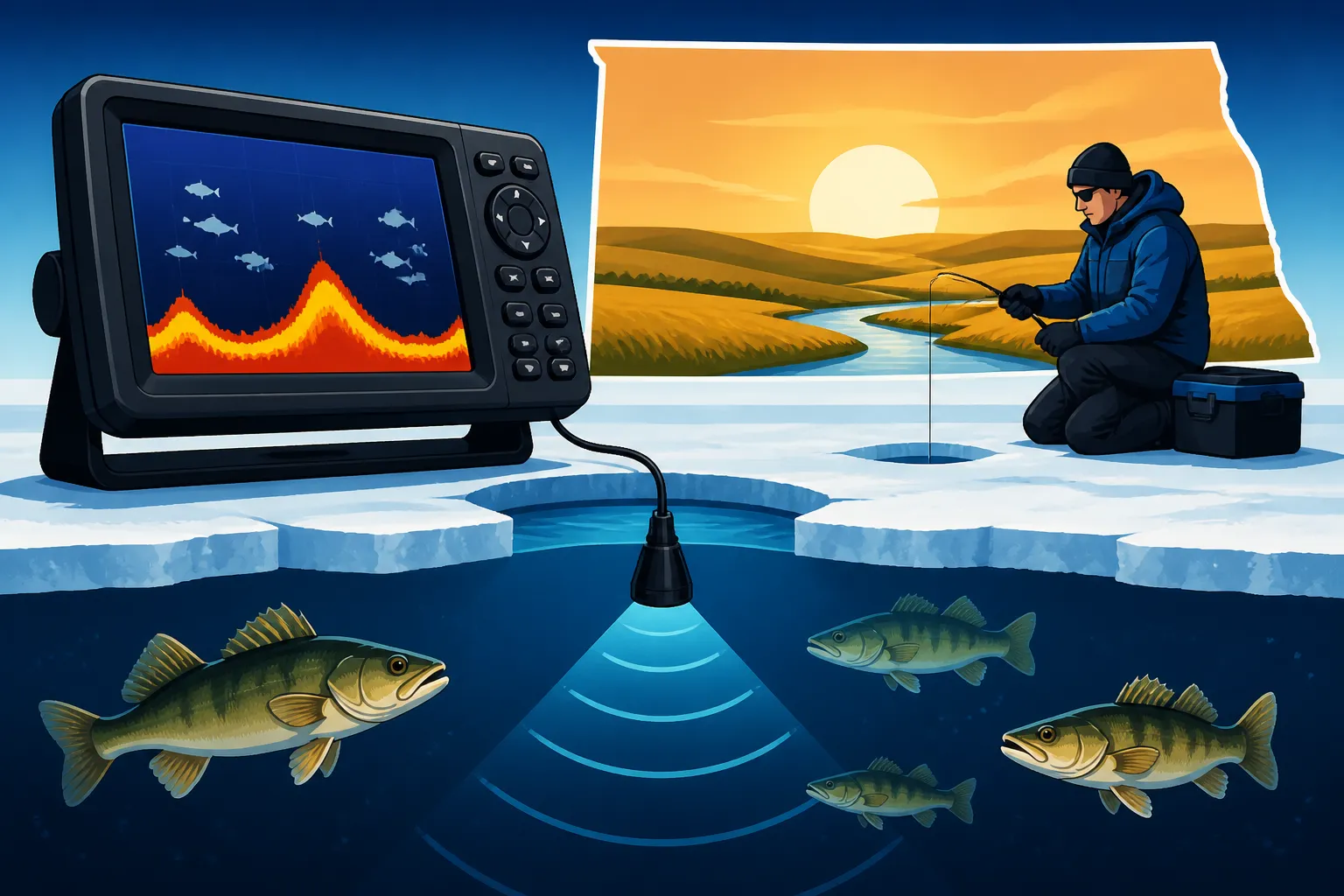
The transducer is the "eye" of your fish finder, and its performance directly impacts what you see. For ice fishing, you'll typically use a conical transducer that hangs down your drilled hole. Pay attention to the beam angle: a narrower beam provides better target separation and clarity in deeper water, while a wider beam covers more area, which can be useful in shallower water or for searching. Some advanced transducers offer multiple beam angles or frequencies, allowing you to switch based on conditions. The quality of the transducer directly affects how well you can differentiate between your lure, baitfish, and larger game fish, ensuring you get the most accurate picture of the underwater action.
Additional Features for North Dakota Anglers
Beyond the core functions, several additional features can greatly enhance your ice fishing experience, particularly in the diverse waters of North Dakota.
- GPS and Lake Mapping: For vast bodies of water like Lake Sakakawea, Lake Oahe, or Devils Lake, integrated GPS with detailed lake mapping is a huge asset. It allows you to navigate safely, mark productive waypoints, find hidden structure, and return to hotspots easily. Many units come pre-loaded with mapping, or you can purchase specific map cards.
- Temperature Readout: Water temperature can significantly influence fish activity, even under the ice. A unit that displays water temperature can help you identify subtle thermal variations that might hold fish.
- Interference Rejection: On popular ice fishing spots, multiple anglers using fish finders can cause signal interference, cluttering your screen. Look for units with advanced interference rejection settings to ensure a clear, crisp display, even in crowded areas.
- Durability and Cold Weather Performance: Ensure the unit is built to withstand extreme cold and moisture. While many electronics are designed for year-round use, some are specifically optimized for the harsh realities of ice fishing, with rugged housings and cold-resistant components. Considering what to wear ice fishing in North Dakota often means thinking about your gear's resilience too.
Tailoring Your Tech: Choosing the Right Unit for Your Style
With so many options available, picking the perfect ice fishing fish finder can feel a bit like Goldilocks searching for the just-right porridge. The key is to honestly assess your fishing frequency, your budget, and how committed you are to leveraging technology for success. There's a perfect fit for every angler, from the occasional weekend warrior to the dedicated hardwater fanatic. Whether you're just starting out or looking to upgrade, understanding what each tier offers will guide you to a smart purchase that truly enhances your time on the ice.
Budget-Friendly and Beginner Options
If you're new to ice fishing, or only hit the ice a few times a season, investing in a top-tier live sonar system might be overkill. For beginners, the goal is often to simply identify if there are fish below the hole and get a basic understanding of depth. A traditional flasher unit is an excellent starting point. They are relatively inexpensive, incredibly reliable, and their real-time display is intuitive once you get the hang of it. You'll quickly learn to differentiate your lure from a fish, and the immediate feedback helps immensely with vertical jigging techniques.
Entry-level LCD graph units can also be a great option. Many reputable brands offer compact, portable versions that provide a digital display of the water column, often with basic mapping features. These units typically cost between $200 and $500. They offer a significant upgrade from fishing blind without breaking the bank. You can often find fantastic deals on these models, especially if you check online retailers or local sporting goods stores. The learning curve is gentle, and they'll quickly pay for themselves in saved time and increased catches. If you're looking to simply get started and experience the benefits of electronics without a huge investment, these are your go-to choices.
Mid-Range Versatility for the Avid Angler
For those who spend a good portion of their winter on the hardwater, fishing regularly and exploring various lakes across North Dakota, a mid-range fish finder offers the best blend of features, performance, and value. These units typically fall in the $500 to $1,500 range and provide significant upgrades over entry-level models. You'll find more advanced graph units with higher-resolution screens, improved target separation, and more sophisticated GPS mapping capabilities. This means you can store more waypoints, view more detailed contour maps, and navigate complex fisheries like Lake Sakakawea with greater confidence.
Many mid-range units will also feature CHIRP sonar, which provides a clearer and more precise image by sending a range of frequencies instead of a single one. Some may even offer split-screen displays, allowing you to view a traditional sonar graph alongside a flasher-style display or a mapping screen simultaneously. This versatility is perfect for anglers who want more information and control over their fishing experience, without necessarily needing the cutting-edge (and expensive) live sonar technology. They are reliable workhorses that will serve you well through countless ice fishing trips, helping you apply techniques learned in a North Dakota Walleye Fishing Guide or a North Dakota Northern Pike Fishing Guide.
High-End Performance for the Dedicated Pro
For the most dedicated anglers, tournament competitors, or those who simply demand the absolute best technology available, high-end live sonar systems are the ultimate choice. These units, typically ranging from $1,500 to $4,000 or more, offer a revolutionary perspective on the underwater world. Systems like Garmin LiveScope or Lowrance ActiveTarget provide real-time, forward or down-looking views that allow you to see fish moving around your hole, react to your lure, and even track multiple fish simultaneously.
The investment in these systems is substantial, but for serious anglers, the competitive advantage is undeniable. They require a bit more setup, often involving a dedicated pole for the transducer and a robust battery system due to their higher power consumption. However, the ability to actively pursue fish, cast to specific targets, and understand exactly how fish are relating to structure in three dimensions is a game-changer. These are not just fish finders; they are interactive underwater observation systems that allow you to engage with fish in a way previously impossible. If you're looking to dominate the ice or simply want the most advanced tools at your disposal to maximize your success when you how to ice fish in North Dakota, this is the top tier.
Mastering Your Device: Setup and On-Ice Techniques
Having a great ice fishing fish finder is only half the battle; knowing how to properly set it up and interpret its readings on the ice is where the magic truly happens. Many anglers invest in quality electronics but don't take the time to learn their intricacies, missing out on valuable information. Mastering your device means getting a clear picture of what's beneath you and translating that data into more fish on the ice. It's about optimizing your experience and turning technology into tangible results.
Optimal Setup on the Ice
Getting your fish finder ready to work effectively requires a few simple, yet crucial, steps. First and foremost, ensure your transducer is properly submerged and level in the ice hole. Most ice transducers come with a float or a system to suspend them at the right depth. It’s important to keep the transducer cable straight and avoid kinks. If the transducer isn't level, your sonar cone will be angled, giving you an inaccurate reading. After you've utilized your Ice Fishing Auger Techniques to drill a clean hole, carefully lower your transducer.
Next, manage your cables. Keep them organized and out of the way to prevent tangles or tripping hazards. Make sure your battery is fully charged and securely connected. When fishing in groups, especially in popular spots in the Best Ice Fishing Lakes in North Dakota, interference from other anglers' units can be a problem. Many modern fish finders have interference rejection settings that allow you to filter out these competing signals. Experiment with these settings to find a clear, crisp display. Finally, adjust your unit's sensitivity. Too low, and you'll miss fish; too high, and you'll get a cluttered screen. Start with a medium setting and adjust it based on water depth and clarity, aiming for a clean bottom signal with good detection of your lure. Remember to always prioritize safety, especially when considering the Drilling Safe Ice Thickness Guide before setting up any gear.
Interpreting the Display
Learning to interpret your fish finder's display takes a bit of practice, but it's incredibly rewarding.
- Flashers: On a flasher, your lure will typically appear as a thin band of color, and fish will show up as thicker, stronger bands. The bottom will be the widest, most intense band. Watch for fish to appear as individual marks, or "blips," and note their depth. When a fish approaches your lure, you'll see its mark move towards your lure's mark. The color can indicate signal strength, with stronger colors often meaning a larger fish or one closer to the center of your sonar cone. This real-time interaction is where the flasher truly shines.
- LCD/Graph Units: Graph units provide a scrolling history. The bottom will be a clear line, and your lure will be a consistent, narrow line descending through the water. Fish will appear as "arches" or "fish symbols," depending on your settings. An arch indicates that the fish moved through your sonar cone. The larger and more defined the arch, the larger the fish or the longer it stayed in the cone. Pay attention to how fish relate to the bottom or suspended baitfish schools. These units also often display depth, water temperature, and battery life, giving you more overall context.
- Live Sonar: Live sonar is a whole different ballgame. You'll see realistic representations of fish, bait, and structure moving in real-time within a wide scanning area. Fish will look like actual fish, and you'll see them swim, turn, and react to your lure. Your lure will also appear as a distinct object. The key here is tracking movement. Watch how fish approach your bait, how they react to different jigging movements, and how they relate to underwater features that you can see in incredible detail. This allows for incredibly precise presentations and a deep understanding of the fish's immediate environment.
Advanced Tips and Troubleshooting
Even with the best gear, you might encounter issues. Here are some advanced tips and troubleshooting strategies to keep your electronics running smoothly:
- Battery Management: Cold weather significantly impacts battery performance. Keep your battery warm by storing it in an insulated bag or inside your Best Portable Heater for an Ice Shelter when not in use. Always carry a spare, fully charged battery, especially on longer trips.
- Minimize Interference: If you're getting a cluttered screen, first check your interference rejection settings. If that doesn't work, try moving your transducer slightly or even drilling a new hole a few feet away. Sometimes, simply rotating your transducer can help.
- Transducer Position: Ensure your transducer is perfectly vertical. If it's tilted, your readings will be skewed. A transducer arm that can be easily adjusted is a huge asset.
- Ice Thickness and Slush: Very thick ice or a layer of slush in the hole can sometimes affect sonar signals. Ensure your transducer is deep enough to be in clear water.
- Practice, Practice, Practice: The best way to become proficient with your fish finder is to use it. Spend time observing different readings in varying conditions and depths. The more you use it, the better you'll become at interpreting the data and reacting quickly to what you see. Take your time, experiment with settings, and you'll soon be fishing with far more confidence and success.
Disclaimer
The information provided in this guide is for general informational purposes only. Always consult the latest North Dakota Game and Fish Department regulations and local advisories before engaging in any fishing activities. Fishing conditions, ice thickness, and regulations can change rapidly. Stay safe and fish responsibly.