Night Fishing Techniques for Catfish
It's a common frustration for many North Dakota anglers: you spend a beautiful day on the water, sun shining, hoping for that tug from a big channel cat, only to be met with frustratingly slow action. But when the sun dips below the horizon, a whole new world of opportunity opens up, especially if you're chasing catfish. This guide is all about equipping you with the knowledge and techniques to turn those dark hours into your most productive fishing trips, focusing specifically on night fishing for catfish in the Roughrider State.
Why Night Fishing is a Game-Changer for North Dakota Catfish
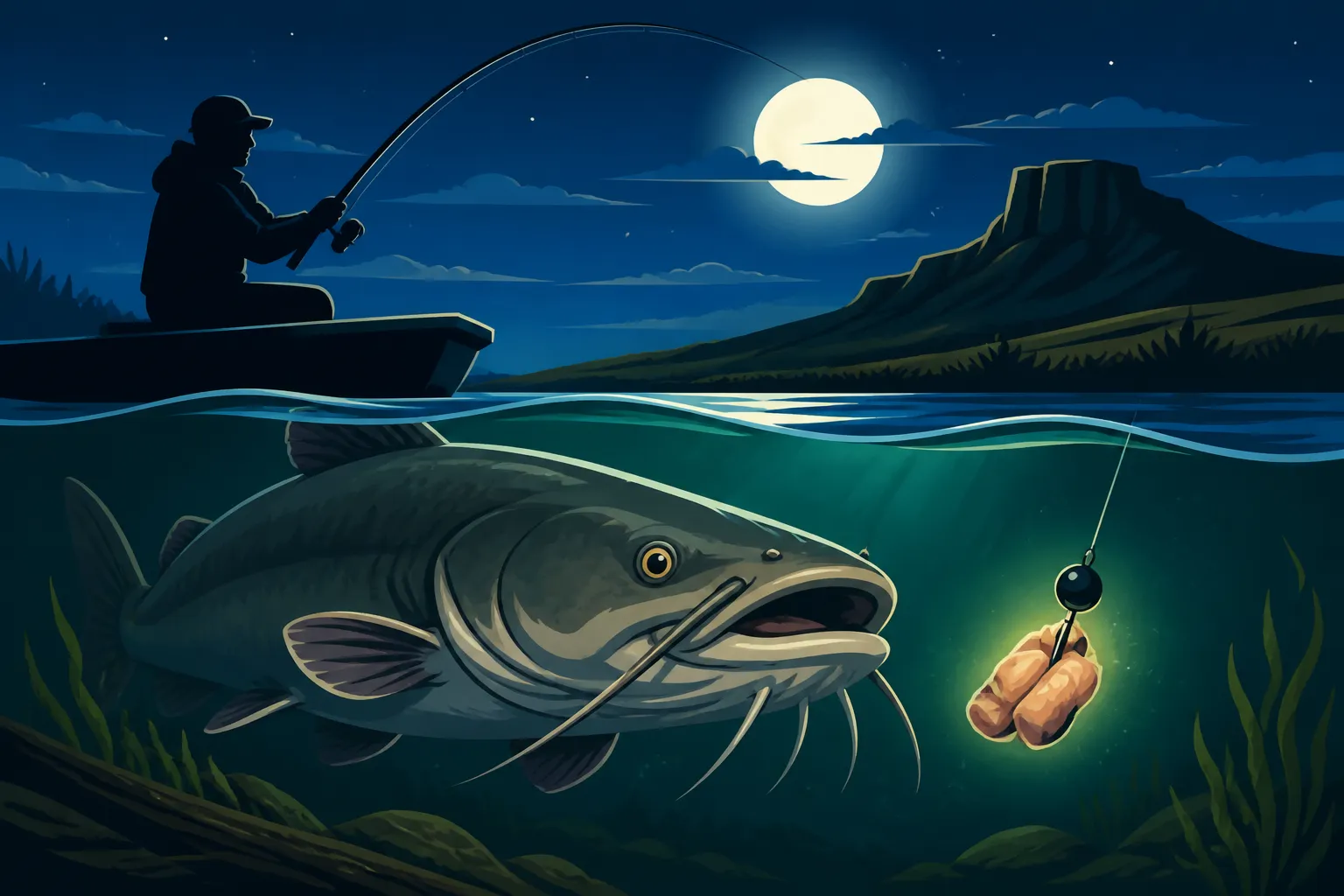
Many anglers pack up their gear when dusk settles, missing out on some of the most exciting fishing North Dakota has to offer. Catfish, particularly the robust channel cats found in our rivers and lakes, are naturally wired to become more active under the cloak of darkness. Understanding this inherent behavior is the first step to unlocking incredible success.
The Nocturnal Nature of Catfish
Unlike some other popular game fish that might feed actively throughout the day, catfish often have a distinct shift in their behavior once the sun goes down. This isn't just a preference; it's a survival strategy and a feeding advantage. During the daylight hours, catfish are more vulnerable to predators, and the brighter light can make them shy away from open, exposed areas. They tend to hunker down in deeper holes, under cover, or in shaded spots, conserving energy.
However, as twilight fades into full darkness, the game changes entirely. The water temperatures often cool, making the environment more comfortable for them. More importantly, the diminished light reduces visibility for many of their own predators and for their prey. Catfish, with their incredible sense of smell and touch, are perfectly adapted to navigate and hunt in low-light conditions. Their barbels, often mistakenly called "whiskers," are packed with chemoreceptors that allow them to detect even the faintest scent trails in the water, leading them straight to a meal. This means they'll venture out from their daytime sanctuaries, actively cruising shallower flats, current seams, and structure in search of food. If you've ever felt like the daytime bite was just too slow, it's often because the catfish were simply waiting for their prime time.
Advantages of After-Dark Angling
Beyond the increased activity of catfish themselves, night fishing brings a host of other advantages that make it a truly special and often more productive experience. One of the most immediate benefits is the drastic reduction in boat traffic. During the day, popular fishing spots on Lake Sakakawea, Devils Lake, or even the Missouri River can be bustling with pleasure boats, jet skis, and other anglers. All this commotion creates noise, wakes, and pressure that can put fish off the bite. At night, these waters transform into serene, peaceful havens.
This tranquility not only makes for a more relaxing fishing trip but also makes the fish more comfortable. With less noise and disturbance, catfish are more likely to move freely and aggressively. It's not uncommon for night anglers to report catching larger, more aggressive catfish than they typically encounter during the day. The "trophy potential" definitely increases under the stars. Furthermore, there's a unique sense of adventure and connection to nature that comes with fishing in the dark, under a canopy of stars, listening to the sounds of the night. It's a truly immersive experience that many anglers find incredibly rewarding, well beyond just the fish caught.
Essential Gear for Successful North Dakota Night Catfishing
While the core principles of catfishing remain the same, angling after dark introduces specific challenges that require some specialized gear. Ensuring you're well-prepared for the low light and cooler temperatures will make your trip safer, more comfortable, and ultimately more successful.
Lighting, Safety, and Comfort
When the sun goes down, visibility becomes your biggest concern, so proper lighting is non-negotiable. A reliable headlamp is perhaps the most crucial piece of equipment. It keeps your hands free for baiting hooks, tying knots, and handling fish. Look for models with red light settings, as red light preserves your night vision better and is less disruptive to other anglers or wildlife. Many anglers opt for multiple headlamps or a combination of a headlamp and a lantern for ambient light in the boat or around a shore setup. Battery-powered LED lanterns are a safe choice, avoiding the fire risk of propane or gas lanterns. Before heading out, make sure all your lights are fully charged or have fresh batteries.
Safety extends beyond just seeing what you're doing. Temperatures in North Dakota can drop significantly after dark, even in summer. Layered clothing is essential, allowing you to adjust as the night progresses. A waterproof outer shell is also smart, just in case of unexpected dew or a light drizzle. Bug spray is another must-have, especially when fishing near water bodies where mosquitoes and other biting insects can be relentless. A small first-aid kit is always a good idea, prepared for minor cuts or scrapes that can happen more easily in the dark. If you're fishing from a boat, ensure your navigation lights are working and in compliance with North Dakota Boat Registration Requirements, and consider adding reflective tape to life jackets or gear for added visibility if someone were to go overboard. You can find excellent options for durable, long-lasting headlamps and other safety gear on Amazon.
Rods, Reels, and Terminal Tackle for the Dark
The gear you use for night catfishing should prioritize strength and sensitivity. You'll want heavy-duty rods, typically medium-heavy to heavy power, ranging from 7 to 9 feet in length. This extra length helps with casting heavier baits and absorb the shock of a powerful catfish strike. For reels, robust baitcasting reels are often preferred, especially when targeting larger channel cats on the Red River or the Missouri. They offer excellent cranking power and line capacity, crucial for wrestling big fish out of strong currents or snags.
When it comes to fishing line, strong braided line in the 30-50lb test range is highly recommended. Its zero-stretch quality provides excellent sensitivity, allowing you to feel subtle bites even in the dark, and its abrasion resistance is vital when fishing around submerged timber or rocky bottom structure. For terminal tackle, plan on using sturdy circle hooks, typically 4/0 to 8/0, depending on the size of your bait and target fish. Circle hooks are excellent because they typically hook fish in the corner of the mouth, reducing gut-hooking and making releases easier, which is especially helpful when dealing with fish in low light. You'll also need a selection of heavy sinkers, ranging from 2-4 ounces, to hold your bait firmly on the bottom in current.
For bite indication in the dark, forget about watching your rod tip. Instead, use glow-in-the-dark bobbers for suspended baits or small bells that clip onto your rod tip. These provide an audible or visible signal when a fish strikes, so you don't miss that crucial moment. Many of these specialized night fishing accessories, from glow sticks for bobbers to rod tip bells, are readily available on Amazon.
Here's a quick look at some essential gear for your night catfishing adventure:
| Gear Item | Purpose | Key Features |
|---|---|---|
| Headlamp | Hands-free lighting | Red light mode, multiple brightness settings, comfortable strap |
| Lantern | Ambient lighting, campsite setup | Battery-powered LED, bright, wide beam |
| Rods | Casting and fighting large fish | Medium-heavy to Heavy power, 7-9 feet, strong backbone |
| Reels | Line capacity, cranking power | Baitcasting reel, smooth drag, durable construction |
| Fishing Line | Sensitivity, strength, abrasion resistance | 30-50lb braided line |
| Hooks | Effective hook-sets, fish health | Circle hooks (4/0-8/0), sharp, strong |
| Sinkers | Anchoring bait in current | Pyramid, no-roll, or flat sinkers (2-4 oz) |
| Bite Indicators | Detecting strikes in the dark | Rod tip bells, glow-in-the-dark bobbers |
| Bug Spray | Personal comfort | DEET or Picaridin based, long-lasting |
| First-Aid Kit | Safety | Basic wound care, pain relief, antiseptic wipes |
Prime Locations for North Dakota Night Catfish
North Dakota might be known for its walleye and pike, but it truly shines for channel catfish, especially after sunset. Knowing where to focus your efforts can drastically improve your chances of hooking into a monster cat. Our state offers fantastic opportunities across various water bodies.
River Systems and Deep Holes
When it comes to trophy channel catfish, North Dakota's river systems are second to none, particularly the legendary Red River of the North. This slow-moving, often muddy river is a veritable catfish factory, and its nocturnal bite is famous. Catfish in rivers are experts at using the current to their advantage, both for feeding and for conserving energy. At night, they become more audacious, moving out of their deeper daytime lies to forage in current breaks. Look for spots where the main current slows down, like on the inside bends of the river, behind large log jams, or downstream of bridge pilings. These areas create eddies and slack water where baitfish congregate, and catfish can ambush prey without fighting a strong current. Deep scour holes, often found on the outside bends of the river or near natural choke points, are also prime targets, offering both refuge and feeding grounds. You can learn more about specific tactics by checking out our North Dakota Channel Catfish Fishing Guide.
The Missouri River system, especially stretches below the Garrison Dam and near Bismarck, also offers excellent night catfishing. While perhaps not as renowned for the sheer numbers of giants as the Red River, the Missouri can produce some truly impressive fish. Here, focus on similar current break scenarios, but also pay attention to underwater structure. Submerged rock piles, old bridge footings, and even subtle depth changes can hold significant numbers of catfish. They'll use these features as ambush points to grab unsuspecting prey drifting by. Understanding the river's flow and how it interacts with the bottom topography is key to finding these nocturnal hotspots.
Lake and Reservoir Hotspots
While rivers often steal the spotlight for catfish, many of North Dakota's lakes and reservoirs harbor thriving populations that become highly active at night. Lake Oahe, the large reservoir formed by the Missouri River, holds a strong population of channel catfish. During the day, they might be found in deeper areas, but as darkness falls, they'll often move onto shallower flats adjacent to deep water. These flats, especially those with some submerged vegetation or scattered rock, become prime feeding grounds as catfish cruise for crayfish, baitfish, and insects.
Other notable lakes like Heart Butte Dam (Lake Tschida) and Jamestown Reservoir also offer fantastic night catfishing opportunities. In these waters, focus your efforts on old creek channels, submerged timber, or areas where main lake points drop off into deeper water. Catfish use these features as highways to move from deep water to shallower feeding areas. The key is to find areas with structure and proximity to deeper water, as catfish won't venture too far from their comfort zones. Think about how baitfish might move in these environments at night, often closer to shore or into bays, and the catfish will be following. The tranquility of night fishing on these large reservoirs, combined with the often-aggressive bite, makes for an unforgettable experience.
Best Baits and Rigging for North Dakota Night Catfish
Catfish are primarily scavengers and opportunistic predators, relying heavily on their superior sense of smell. This means that when it comes to bait, scent is king, especially in the dark where visual cues are minimal. Selecting the right bait and rigging it effectively can make all the difference in luring those nocturnal giants to your hook.
The Scent-Trail Advantage: Stink Baits and Cut Baits
When the sun goes down and visibility drops to near zero, a strong, appealing scent trail becomes your most powerful tool. This is where prepared "stink baits" truly shine. These concoctions, often made from various cheeses, blood, and fish byproducts, are designed to release a potent aroma that catfish can detect from a distance. While many commercial options exist, some anglers swear by homemade recipes, often involving fermented ingredients. Another classic and highly effective bait is chicken liver or gizzards. These baits are relatively inexpensive and bleed out a strong, natural scent that catfish find irresistible. They can be a bit messy to handle, but their effectiveness, especially on the Red River, is undeniable. For extra durability, some anglers cure their chicken livers slightly or wrap them in a small piece of mesh netting before casting. You can even find specialized bait scent additives on Amazon to supercharge your existing baits.
However, for truly large, trophy channel catfish, fresh cut bait is often the undisputed champion. Fish like suckers, shad, or even carp, cut into chunks or strips, release natural oils and blood that create an enticing scent plume in the water. The key is freshness. A freshly cut piece of oily baitfish is far more appealing than something that's been frozen and thawed multiple times. When fishing the Red River, a popular strategy is to catch smaller rough fish like goldeye or suckers and then cut them into 1-3 inch chunks, using the head, body, and tail sections. The different textures and blood patterns from each piece offer varied presentations. For a deeper dive into bait selection, check out our guide on Catfish Bait Techniques for the Red River.
Effective Rigging Techniques After Dark
Once you have your irresistible bait, proper rigging ensures it's presented effectively to the catfish. The most common and versatile setup for bottom-feeding catfish is the Carolina Rig. This rig consists of an egg sinker (or a no-roll sinker in current) threaded onto your main line, followed by a bead (to protect the knot), and then a swivel. A leader of about 12-24 inches of fluorocarbon or monofilament is tied to the other end of the swivel, and your hook is tied to the end of the leader. This setup allows the fish to pick up the bait and move with it for a short distance before feeling the resistance of the sinker, leading to more confident bites.
For fishing over slightly snaggy bottoms or to elevate your bait slightly off the bottom, the Santee Cooper Rig is an excellent choice. It's essentially a Carolina Rig with a small float added to the leader, just above the hook. This float lifts your bait a few inches to a foot off the bottom, making it more visible (by scent) and less prone to getting lost in muck or snags. If you're targeting catfish that might be suspended in the water column or fishing over extremely snaggy bottom where you want to easily adjust depth, a slip bobber rig can be incredibly effective. A weighted bobber stop allows you to set the depth, and a large, glow-in-the-dark slip bobber will indicate bites visually. The key, no matter the rig, is to ensure your bait is presented naturally and that the hook is exposed for a solid hook set. When rigging cut bait, thread the hook through the toughest part of the bait to keep it on during casts and strong currents, leaving the hook point exposed.
Advanced Strategies for Maximizing Your Night Catfish Haul
Catching catfish at night isn't just about showing up with stinky bait. To truly excel and consistently land more and bigger fish, you need to employ some advanced strategies that leverage your senses and understanding of the nocturnal environment.
Reading the Water and Current in Low Light
One of the biggest challenges and most crucial skills for night fishing is "reading the water" when you can barely see it. Since visual cues are limited, you'll rely heavily on your other senses and technological aids. Listen intently for splashes or disturbances on the water's surface that might indicate feeding activity. Feel the current with your anchor rope or by drifting your boat. Catfish often position themselves in "current seams"—the line where fast-moving water meets slower water. These are prime ambush points.
If you're fishing from a boat, your fish finder becomes an invaluable tool, even in the dark. While you won't be seeing baitfish schools as vividly as in daylight, your sonar can still reveal critical information: depth contours, submerged structure (like trees or rock piles), and even the presence of large fish arches near the bottom. Pay close attention to these features on your chartplotter and try to interpret what they mean for catfish movement. For example, a sharp drop-off into a deep hole that has a current eddy near it is a textbook night-fishing spot. Proper anchoring is also paramount, especially on rivers. You'll want to position your boat so your baits are presented into the desired current seam or structure, and a strong anchor system is essential to hold your position against the flow. For more detailed anchoring tips, consider reviewing our guide on How to Anchor a Boat on the Red River.
Patience, Presentation, and Persistence
Night fishing for catfish is often a game of patience. Unlike some other species that might hit a lure almost immediately, catfish can take their time to locate a scent trail and commit to a bite. It's not uncommon to let your baits soak for 15-30 minutes, or even longer, in a productive spot before reeling in to check or re-bait. Knowing when to move and when to stay put is a learned skill. If you're in a known catfish area with good structure and scent in the water, sometimes simply waiting it out is the best approach. If after an hour or so, you haven't had any action, it might be time to subtly adjust your position or move to a new spot.
When you do get a bite, especially with circle hooks, resist the urge to violently "set the hook." Instead, simply reel down until your rod loads up, then pull back firmly and steadily. The circle hook is designed to turn and catch in the corner of the fish's mouth as pressure is applied. Learning to trust your circle hooks will significantly increase your hook-up ratio and reduce missed fish.
Finally, managing the fight and landing a large catfish in the dark requires some extra care. Have your net ready and ensure it's large enough for your target species. Avoid shining bright lights directly into the fish's eyes, as this can disorient them and make them thrash more. Have a designated area for unhooking, and use pliers or a specialized hook remover. The thrill of battling a powerful catfish under the stars is truly unparalleled, and these techniques will help ensure you make the most of those special moments. For a deeper dive into these nocturnal dynamics, check out our guide on Catfishing at Night in North Dakota.
Legalities and Conservation for Night Fishing in North Dakota
While the allure of catching big catfish under the stars is strong, it's crucial to remember that all fishing activities, regardless of the time of day, must adhere to North Dakota's fishing regulations. Being informed and responsible ensures everyone can continue to enjoy our state's fantastic fisheries for years to come.
Understanding Regulations
Before you even think about casting a line after dark, take some time to review the most current North Dakota Fishing Regulations Explained. These regulations cover everything from daily limits and possession limits to legal baits and fishing methods. For channel catfish, specifically, pay close attention to the daily and possession limits, which can sometimes vary by water body. For example, knowing the North Dakota Catfish Limit Rules is essential to avoid any unintentional violations. While catfish season is generally open year-round, specific rules might apply to certain areas or times of year, so always double-check.
If you're fishing from a boat at night, maritime safety regulations are paramount. Your vessel must display proper navigation lights—a white all-around light and red/green sidelights—to ensure you're visible to other boats and to prevent collisions. Failure to have adequate lighting is not only dangerous but also a serious violation. Additionally, ensure you have enough personal flotation devices (PFDs) for everyone on board, readily accessible. Always remember that possessing a valid North Dakota fishing license is a fundamental requirement for anyone 16 years of age or older. You can learn more about specific requirements in our North Dakota Fishing License Guide.
Practicing Ethical Angling After Dark
Beyond the letter of the law, ethical angling practices are even more critical when fishing at night. The cover of darkness doesn't mean you can leave a mess or disregard the environment. Always pack out everything you pack in—including bait containers, fishing line scraps, and any food wrappers. Leaving trash behind not only pollutes our beautiful waterways but also reflects poorly on the angling community as a whole. Dispose of any unused bait responsibly, avoiding dumping it directly into the water, as this can introduce non-native species or diseases.
If you plan to release fish, handle them with the utmost care, especially in low light conditions. Minimize their time out of the water, support their weight properly, and release them gently. When fishing with circle hooks, fish are almost always hooked in the mouth, making release much easier and less stressful on the fish. Lastly, always be respectful of other anglers and private property. Even if you don't see anyone, assume others are nearby, and keep noise levels down. Avoid trespassing on private land to access fishing spots, even if it seems deserted. By adhering to these guidelines, you contribute to a positive fishing culture and help preserve North Dakota's incredible natural resources for future generations of night-fishing enthusiasts.
Disclaimer
The information provided in this guide is for general informational purposes only and is not a substitute for official North Dakota Game and Fish Department regulations. Always consult the current year's North Dakota Fishing Guide or the NDGF website for the most accurate and up-to-date rules and regulations before fishing. Fishing conditions and regulations can change without notice.