Best Portable Ice Shelter for Windy Conditions
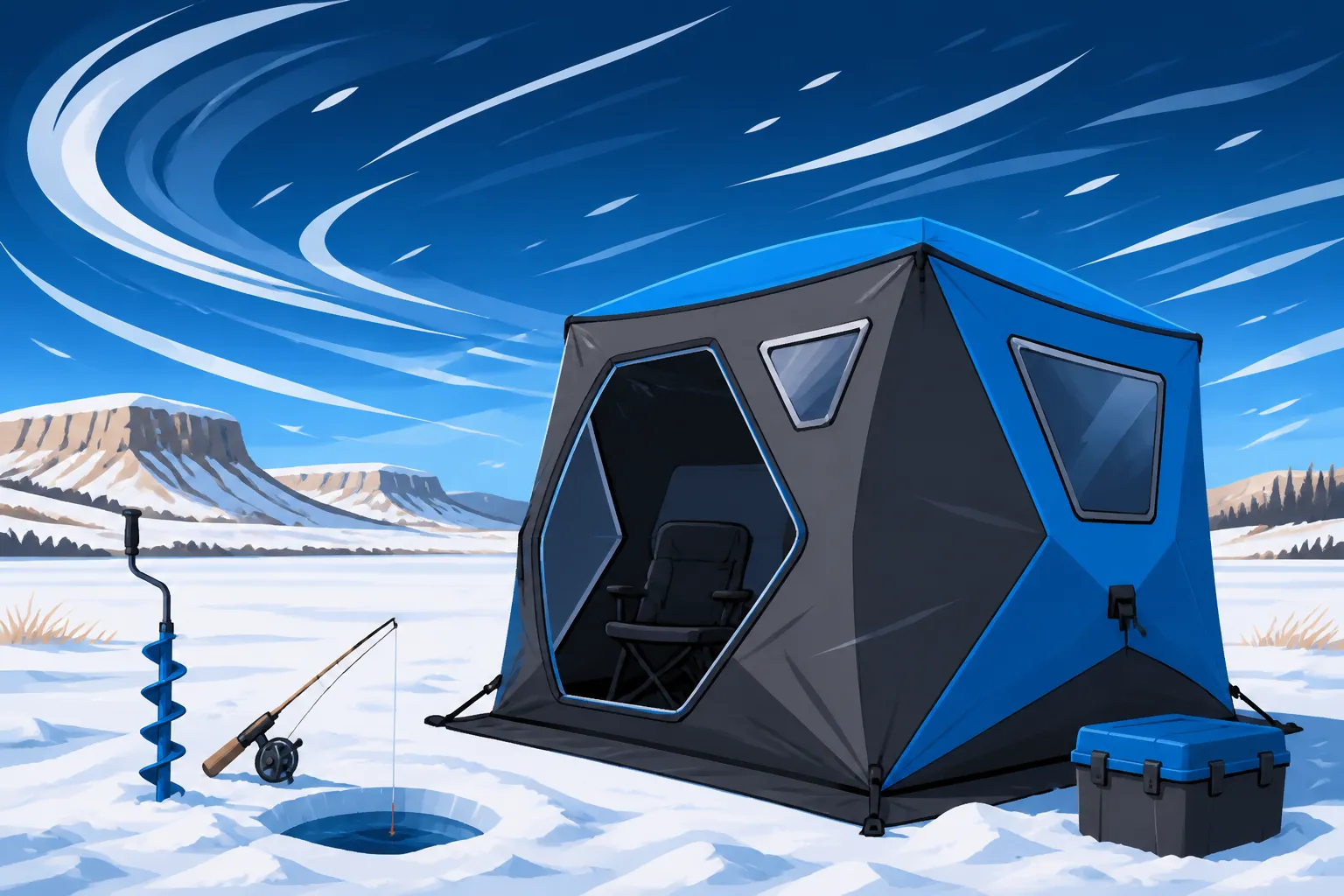
North Dakota winters are legendary for their brutal cold, but often, it's not just the frigid temperatures that challenge ice anglers – it's the relentless wind. That biting wind can turn a promising day on the ice into a miserable struggle, making your shelter flap like a kite and threatening to carry it away, or worse, expose you to the elements. Finding the right portable ice shelter that can stand up to these blustery conditions is absolutely critical for comfort, safety, and actually enjoying your time chasing walleye and perch. This guide is all about helping you navigate the world of ice shelters designed to defy North Dakota's infamous winds, ensuring your ice fishing experience remains cozy and productive.
The Relentless North Dakota Wind: Why Your Shelter Needs to Be a Fortress
If you've spent any time on the frozen expanses of Lake Sakakawea, Devils Lake, or any of our other incredible fisheries, you know the drill: the wind can come out of nowhere, seemingly without warning, turning a calm morning into a full-blown blizzard in what feels like minutes. This isn't just an inconvenience; it's a serious factor that impacts your comfort, safety, and success on the ice. Many anglers have stories of shelters collapsing, flying across the ice, or simply becoming unbearable to fish in due to the constant buffeting. It’s a frustration born from direct experience, and it's why choosing a truly wind-resistant shelter is non-negotiable for North Dakota ice fishing.
Understanding the Unique Challenges of Wind on the Ice
The wide-open, flat landscapes of North Dakota offer little resistance to wind, allowing it to build up incredible force as it sweeps across our frozen lakes. This isn't just about the physical push-and-pull on your shelter; it's a multi-faceted attack on your ice fishing experience. First, there's the wind chill, which can drop effective temperatures by dozens of degrees in a flash, making even moderate cold feel absolutely brutal. Then there's the sheer physical force, which tests every seam, every pole, and every anchor point of your shelter. A poorly designed or inadequately anchored shelter will shudder, groan, and eventually buckle under this pressure.
Imagine you're out on the ice, the bite is on, and suddenly a 30 mph gust hits. Your tent starts flapping violently, the fabric slaps against the poles with an unnerving crack, and cold air seeps in through every tiny opening. Your heater struggles to keep up, and you're constantly distracted, worried that the whole thing is about to take flight, leaving you exposed to the elements. This isn't just uncomfortable; it's genuinely dangerous, especially if you're far from your vehicle or in remote locations, which are common on many of our Best Ice Fishing Lakes in North Dakota. The constant movement and battle against the elements also sap your energy, making what should be a relaxing day of fishing feel like an exhausting chore.
Common Frustrations with Flimsy Shelters
We've all been there – that bargain-basement shelter that seemed like a great deal until the wind really started howling. You bought it hoping for a quick, easy setup, only to find yourself wrestling with it as it tries to turn into a kite. Common frustrations include anchors pulling straight out of the ice, particularly in softer ice conditions or when they aren't properly designed for wind resistance. You'll spend more time trying to re-anchor or hold poles down than actually fishing.
Then there's the flapping. Oh, the flapping! It's not just annoying; it can create small tears and abrasions in the fabric over time, compromising the shelter's integrity and insulation. These small tears quickly turn into larger ones, especially at stress points like the corners or around the windows. This lets in more cold air, defeats the purpose of having a heated shelter, and can shorten the lifespan of your investment dramatically. The last thing you want is to be dealing with a torn shelter on a frigid day when you're trying to concentrate on jigging for perch. When your shelter is constantly fighting the wind, it's impossible to relax, focus on your sonar, or even enjoy a warm cup of coffee. It can truly ruin an otherwise perfect day on the ice.
Key Features of a Wind-Resistant Portable Ice Shelter
When you're outfitting yourself for North Dakota's challenging ice conditions, your portable ice shelter needs to be built like a tank. It’s not just about keeping the cold out; it’s about standing firm against those relentless gusts. Investing in a shelter with the right features makes all the difference between a miserable outing and a comfortable, productive day.
Robust Frame and Hub Design
The backbone of any wind-resistant portable ice shelter is its frame. For hub-style shelters, this means focusing on the strength and integrity of the hubs and the fiberglass or aluminum poles that radiate from them. Look for larger diameter poles and reinforced hubs, often made from durable, cold-weather-resistant plastic or even metal. Some manufacturers incorporate a higher number of hubs (e.g., 6 or 8-sided designs instead of just 4) which can distribute wind pressure more evenly across the structure, reducing stress on individual points.
For flip-over shelters, the frame design is equally crucial. These shelters typically feature a more rigid pole system that telescopes or folds. Strong, larger-diameter aluminum or steel poles are preferred, as they resist bending and breaking under intense wind loads. Connections between poles and to the sled base should be robust, often using heavy-duty pins or clamps that won't vibrate loose. You want a frame that feels solid and doesn't wobble excessively when you give it a good shake. Weak frames lead to catastrophic failures, and wrestling with a broken pole in a blizzard is a memory no angler wants to make.
Heavy-Duty Fabric and Stitching
The fabric of your ice shelter is its first line of defense against both cold and wind. When researching shelters, you'll often see a "denier" rating, like 600D, 900D, or 1200D. This number indicates the fabric's density and weight – essentially, how thick and robust the material is. A higher denier generally means a stronger, more tear-resistant fabric that can withstand the constant abrasion and stress of wind flapping.
Beyond just the denier, look for shelters with reinforced stitching, especially at corners, seams, and around anchor points. Double-stitching, bar-tacked stress points, and heavy-duty zippers are all indicators of a shelter built to last against the elements. Many reputable brands like Eskimo, Clam, and Frabill offer their products directly on platforms like Amazon, where you can often find detailed specifications about fabric denier and construction quality.
An insulated fabric shell is also a huge advantage, not just for warmth but for stability. A heavier, insulated fabric has less tendency to flap violently in the wind compared to a single-layer, uninsulated tent. It absorbs some of the wind's energy rather than transferring it directly into violent motion. A fully insulated shelter also helps retain the heat from your portable heater, making your time on the ice significantly more comfortable, especially when battling chilly North Dakota temperatures. If you're wondering How Cold It Gets Ice Fishing in North Dakota, you'll quickly understand why insulation is non-negotiable.
Superior Anchoring Systems
Even the strongest shelter will fail if it's not properly anchored. A truly wind-resistant shelter starts with robust, multiple anchor points. Ideally, you want a shelter that provides a minimum of four anchor points for hub shelters, and often more for larger models. These points should be reinforced with heavy-duty fabric and stitching to prevent tearing.
The ice anchors themselves are just as important. Forget those flimsy, smooth-threaded anchors; you'll want to invest in high-quality, self-tapping ice anchors with aggressive, wide threads. These anchors bite into the ice much more effectively and hold stronger, preventing pull-outs under sustained wind pressure. They often come with large, easy-to-grip handles or a hex head designed for use with an impact driver – a total game-changer for quick and secure anchoring, which we'll discuss more later. You can find these heavy-duty anchor sets on Amazon, often sold in multi-packs.
Finally, don't overlook the wind skirt. This is the fabric extension around the bottom perimeter of the shelter. In windy conditions, you can pile snow or extra ice around the skirt, effectively sealing the bottom of your shelter. This prevents wind from getting underneath and creating lift, which is a common cause of shelters being blown over or away. A good wind skirt, combined with effective anchoring, creates a solid, almost hermetic seal against the blustery conditions.
Types of Portable Ice Shelters for Gusty Conditions
When it comes to choosing an ice shelter, the market primarily offers two main portable designs: hub-style and flip-over. Both have their devotees and their distinct advantages, but their performance in windy North Dakota conditions can vary significantly depending on their design and how they're used. Understanding these differences is key to making the right choice for your fishing style and the conditions you expect to face.
Hub-Style Shelters: The Spacious Fortress
Hub-style shelters are like pop-up tents for the ice. They consist of a fabric shell with a system of flexible poles that extend outwards from central hubs, forming the structure. When fully deployed, they create a spacious, cube-like interior that's fantastic for multiple anglers, gear, and moving around comfortably.
Pros of Hub-Style in Wind:
- Space: They offer excellent interior volume for their packed size, allowing multiple anglers to fish comfortably with plenty of room for heaters, electronics, and tackle. This can be great for families or groups on a North Dakota Fishing Rules for Kids and Families outing.
- Weight: For their footprint, many hub shelters are relatively lightweight and easy to transport, making them a good choice if you're pulling gear by hand or snowmobile over long distances.
- Anchoring Points: Quality hub shelters come with multiple anchor points, often on each corner and sometimes in the middle of each side, allowing you to secure them robustly against gusts.
Cons of Hub-Style in Wind:
- Setup: While generally quick to deploy, setting up a hub shelter in extreme wind can be a challenge. The large fabric panels act like sails until fully extended and anchored, making them prone to flapping violently and trying to take flight. This is where a fast setup, perhaps by following tips in Setting Up an Ice Fishing Shelter Fast, becomes critical.
- Stability if Not Anchored: If not thoroughly anchored with all available points, hub shelters are the most susceptible to being blown over or dragged across the ice. The wide, flat sides catch a lot of wind.
- Noisy: The large fabric panels can flap loudly in high winds, which can be irritating and even hinder your ability to hear fish biting or communicate with your fishing buddies.
To make a hub-style shelter truly wind-resistant, look for models with heavier denier insulated fabric (900D+ is ideal), reinforced hubs, and plenty of robust anchor points. The wind skirt is absolutely essential here; banking up snow around it creates a seal that greatly reduces the wind's ability to get underneath and create lift.
Flip-Over Shelters: The Quick-Deploy Tank
Flip-over shelters, often called "sled shelters," are characterized by their rigid sled base that also serves as a storage compartment and provides a foundation. The tent fabric is attached to a frame that "flips over" from the sled, creating an instant shelter.
Pros of Flip-Over in Wind:
- Rapid Deployment: These are hands-down the fastest shelters to deploy and collapse. In high winds, this is a massive advantage, minimizing the time your shelter is exposed and unanchored.
- Inherent Stability: The heavy, rigid sled base provides a significant amount of ballast, making flip-overs much more inherently stable in the wind compared to hub shelters. Their lower profile also catches less wind.
- Integrated Seating: Most flip-overs come with integrated seats, which further lowers the center of gravity and reduces the amount of gear you need to transport separately.
- Durability: The rigid sled protects the shelter fabric and frame during transport, reducing wear and tear that can be exacerbated by wind and cold.
Cons of Flip-Over in Wind:
- Weight & Bulk: They are generally heavier and bulkier than hub shelters for a comparable fishing space, making them harder to pull long distances by hand. You'll likely want a snowmobile or ATV for longer treks.
- Less Space: While efficient, they typically offer less overall interior volume and headroom compared to hub shelters of similar footprint, which can feel cramped for multiple large anglers.
- Price: Good quality flip-over shelters, especially insulated ones, tend to be more expensive than their hub-style counterparts.
For extreme wind, a well-built, insulated flip-over shelter is often the top choice for many serious North Dakota anglers. The combination of quick setup, inherent stability from the sled, and a lower profile makes them incredibly resilient. When combined with proper anchoring, they truly feel like a safe haven from the storm.
Here’s a quick comparison of these two types to help you weigh your options for windy conditions:
| Feature | Hub-Style Shelter (e.g., Clam X-Series, Eskimo Fatfish) | Flip-Over Shelter (e.g., Otter, Clam, Frabill) |
|---|---|---|
| Wind Resistance | Good, if fully anchored; susceptible to flapping & lift | Excellent, due to heavy sled and lower profile |
| Setup Speed in Wind | Challenging, large sail area until anchored | Very fast, sled acts as ballast |
| Anchoring Importance | Critical; use all points | Important; less prone to moving without anchors |
| Interior Space | High, often roomier for multiple anglers | Moderate, efficient but can feel smaller |
| Portability (weight) | Lighter for size, easier for manual pulling | Heavier, better with ATV/snowmobile |
| Insulation Effectiveness | High, especially with full insulation | High, often fully insulated |
| Cost | Generally more affordable | Generally higher |
Ultimately, your best portable ice shelter for windy conditions will be an insulated model, whether hub or flip-over, that boasts heavy-duty construction and a superior anchoring system. For ultimate comfort in North Dakota's blustery environment, also consider features described in our guide on the Best Insulated Ice Shelter for Extreme Cold.
Maximizing Wind Resistance: Setup, Accessories, and Best Practices
Having a wind-resistant shelter is only half the battle; knowing how to properly set it up and maintain it is just as crucial. Even the toughest shelter can become a liability if not deployed correctly, especially when those North Dakota winds are really ripping across the ice.
Strategic Setup and Anchoring Techniques
The moment you step onto the ice, always be aware of the wind direction. If you can, orient your shelter so its narrowest side faces directly into the wind. This presents the smallest profile to the gusts, reducing the surface area that catches the wind and minimizes the strain on the shelter's frame and fabric. This simple step can make a profound difference in how your shelter holds up.
The golden rule for ice fishing in North Dakota: anchor early, anchor often, and anchor everywhere. Don't wait for the wind to pick up before you secure your shelter. As soon as your shelter is up, get those anchors in. Use all available anchor points. If your hub shelter has reinforced loops at each corner and mid-points along the sides, use them all. For a flip-over, anchor the sled directly to the ice at multiple points, and consider additional anchors for the tent section if it has external tie-downs.
When deploying your anchors, make sure they bite deep into solid ice. If you're using a hand tool, ensure they are tightly screwed in. Better yet, invest in an impact driver with a specific ice anchor bit. This tool is a game-changer; it drills anchors into the ice in seconds, securing your shelter quickly and effectively, even in challenging conditions. An impact driver, a true game-changer for quick anchoring, can be easily sourced from retailers like Amazon. We've got more detailed advice on How to Anchor an Ice Shelter in Wind.
Finally, don't underestimate the power of snow and ice. Once your shelter is anchored, take the time to bank up snow and loose ice around the entire perimeter of the wind skirt. This creates a solid seal, preventing wind from sneaking underneath and causing lift, which is a common way shelters get tossed around. This simple act dramatically increases your shelter's stability and warmth.
Essential Accessories for Extreme Wind
Beyond the shelter itself, a few key accessories can significantly enhance your comfort and safety in windy conditions:
- Heavy-Duty Ice Anchors: Even if your shelter comes with anchors, having a few extra heavy-duty ones on hand is always a good idea. Look for models with aggressive, self-tapping threads and a large diameter. You can find excellent quality replacement and supplementary anchors from brands like Clam, Eskimo, and Frabill.
- Impact Driver with Hex Bit: As mentioned, this tool is invaluable for quickly and securely driving anchors into the ice. It saves your hands, time, and ensures a solid hold.
- Extra Tie-Down Straps/Ropes: Sometimes, you might need to run an extra guy line to a heavy sled, a vehicle, or an additional anchor to provide even more stability in truly extreme gusts.
- Shelter Cover: A good cover for your flip-over or hub shelter protects it during transport, especially when pulling it behind an ATV or snowmobile at speed, preventing wind damage to the fabric before you even set up.
- Heavy Gear: Utilize your other Best Ice Fishing Gear for North Dakota, like your portable heater, fishing electronics, and tackle boxes, to add weight to the interior of your sled or directly on the ice, further securing your setup.
Remember, dressing appropriately is also part of maximizing your comfort and safety when the wind is whipping. Check out our guide on What to Wear Ice Fishing in North Dakota to ensure you're protected from the elements even if your shelter temporarily fails. And always review Ice Fishing Shelter Rules on North Dakota Lakes to ensure your setup complies with local regulations. Being prepared is the best defense against North Dakota's unpredictable winter weather.
Maintenance and Care for Longevity
Even the best wind-resistant shelter needs proper care to ensure it performs season after season. Neglecting maintenance can lead to premature wear and tear, making your shelter less effective when you need it most.
After each trip, especially if the shelter got wet or collected snow, make sure to thoroughly dry it before packing it away. Hanging it in a garage or heated space helps prevent mold, mildew, and corrosion on zippers and metal components. Packing a damp shelter can lead to nasty smells, fabric degradation, and even ice formation within the insulation layers, reducing its effectiveness.
Regularly inspect your shelter for any signs of wear and tear. Check the seams for loose stitching, look for small tears or abrasions in the fabric, and examine the integrity of your hubs and poles. Small issues can often be repaired with a simple fabric patch kit or a few stitches, preventing them from becoming larger, more costly problems down the line. Keeping a small repair kit, readily available on Amazon, can save a trip if a minor tear occurs on the ice. Also, check your ice anchors for any signs of bending or dulling threads. Replace them if they're no longer biting into the ice effectively.
Proper storage during the off-season is also key. Keep your shelter in a cool, dry place away from direct sunlight, which can degrade fabric over time. Store it loosely packed rather than tightly compressed if possible, allowing the fabric to breathe. By taking these simple steps, you'll ensure your wind-resistant fortress is ready to tackle whatever North Dakota's winter throws at you for many years to come.
Disclaimer
This article is for general informational purposes only and does not constitute professional advice. Laws, prices and regulations vary by location and change over time. Consult a qualified professional for guidance on your specific situation.