How Water Temperature Affects Walleye Location
You've hit the water countless times, casting your line with hope, only to find yourself wondering: "Where in the world are the walleye today?" It's a common frustration for even the most seasoned angler, especially in the diverse waters of North Dakota. The truth is, walleye are incredibly sensitive creatures, and one of the biggest drivers of their location and activity isn't just structure or bait, but the water temperature itself. This guide will peel back the layers of that mystery, helping you understand precisely how water temperature dictates where these elusive fish choose to hang out.
The Basics of Walleye and Water Temperature
It might sound overly scientific, but understanding a fish's biological needs, especially how temperature affects them, is the closest thing to a secret weapon an angler can have. Walleye aren't just swimming aimlessly; they are constantly seeking their comfort zone, a narrow band of water temperature that dictates everything from their metabolism to their feeding patterns.
Why Temperature Matters So Much to Walleye
Think of it this way: water temperature is essentially the thermostat for a walleye's entire world. Their metabolism, which controls how much energy they have and how often they need to eat, is directly linked to the water around them. In colder water, their metabolism slows down, making them more sluggish and less inclined to chase a meal. As the water warms up, their metabolism kicks into high gear, making them more active and aggressively hungry. However, there's a point where it gets too warm, stressing them out and sending them scrambling for cooler depths.
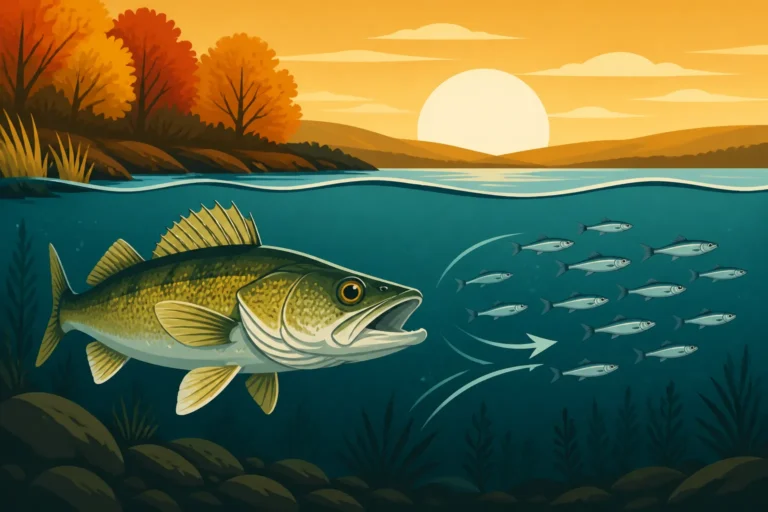
Beyond their internal thermostat, water temperature heavily influences their prey. Baitfish, insects, and other aquatic life also have preferred temperature ranges. Walleye, being opportunistic predators, will often follow these bait concentrations, creating a dynamic dance across the lake or river. When you understand the optimal temperatures for both predator and prey, you start to unlock the puzzle of their location. It's not just about a comfortable temperature for the walleye, but also about a comfortable, productive temperature for their food sources. This intricate relationship means that even a small change in water temperature—a degree or two—can shift entire schools of fish.
Understanding Walleye Thermal Comfort Zones
Walleye are classic cool-water fish, and they absolutely thrive within specific thermal ranges. Generally speaking, their preferred feeding and activity range is between about 55°F to 70°F (13°C to 21°C). This is where they'll be most aggressive and easiest to catch, assuming other factors like structure and bait are also in play. Below this range, they become more lethargic, requiring slower presentations and more patience. Above this range, they start to get stressed, seeking out deeper, cooler water, and their bite can become finicky and sparse.
When it comes to spawning, it's a slightly different story. Walleye typically spawn when water temperatures are in the low to mid-40s F (4°C to 7°C). After the spawn, they'll gradually move into those warmer, but not too warm, post-spawn feeding areas. Understanding these comfort zones isn't just trivia; it's a fundamental aspect of knowing where to begin your search. If you’re fishing in North Dakota and the water in the shallows is pushing 75 degrees in mid-summer, chances are the walleye have already retreated to the cooler, deeper parts of the lake. Conversely, if it's early spring right after the ice has gone out, you'll find them starting to stir as water temperatures nudge into the upper 30s and low 40s in preparation for their annual ritual. To learn more about this critical time, check out our guide on When Do Walleye Spawn in North Dakota?.
Seasonal Temperature Shifts and Walleye Movement
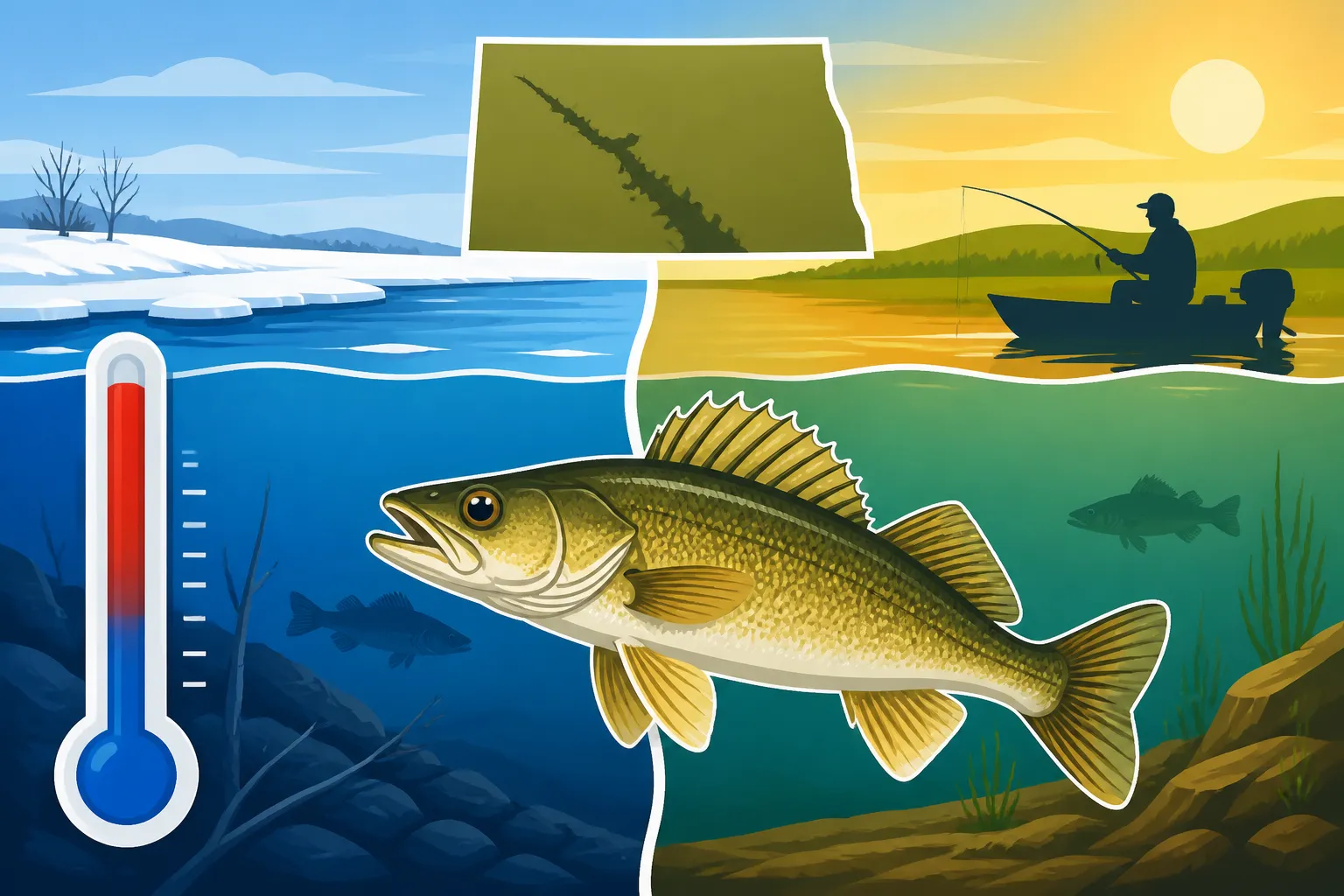
North Dakota experiences dramatic seasonal changes, and with those shifts come equally dramatic movements in walleye populations. Each season presents a unique thermal challenge and opportunity for anglers.
Spring: The Post-Spawn Shuffle and Warming Waters
Ah, spring in North Dakota! The ice has finally gone out, and anglers are chomping at the bit. Immediately after ice-out, the water is still very cold, often in the mid-30s to low-40s Fahrenheit. This is when walleye are either spawning or have just finished. After the rigors of spawning, they're often a bit tired but quickly shift their focus to feeding to replenish energy. As the sun starts to warm the shallower bays and shorelines, these areas become prime real estate. The water here warms faster, drawing in baitfish and, consequently, hungry walleye.
You'll often find them congregating in relatively shallow water, perhaps 5 to 15 feet deep, especially in areas with darker bottoms that absorb more sunlight. Think about those northern bays on Lake Sakakawea or Devils Lake that get protected from the wind and bake in the afternoon sun. Emerging weed lines, rocky points, and mudflats that hold heat are key targets. This is a fantastic time for jigging or slowly trolling crankbaits in these warming zones. The key is to find the warmest water you can, often just a few degrees warmer than the main lake body, and that's usually where the active walleye will be. For specific tactics during this period, our Early Spring Walleye Techniques in North Dakota article has some great insights.
Summer: Seeking Cooler Depths and Thermoclines
Summer brings consistently warm air temperatures, and eventually, the surface waters of North Dakota's larger lakes heat up significantly. This is when water stratification begins in earnest, especially in deeper lakes like Lake Sakakawea or Lake Oahe. A thermocline forms, which is a distinct layer where the water temperature changes rapidly from warmer surface water to much colder, deeper water. Walleye, preferring cooler temps, will often migrate down to position themselves on or just above this thermocline.
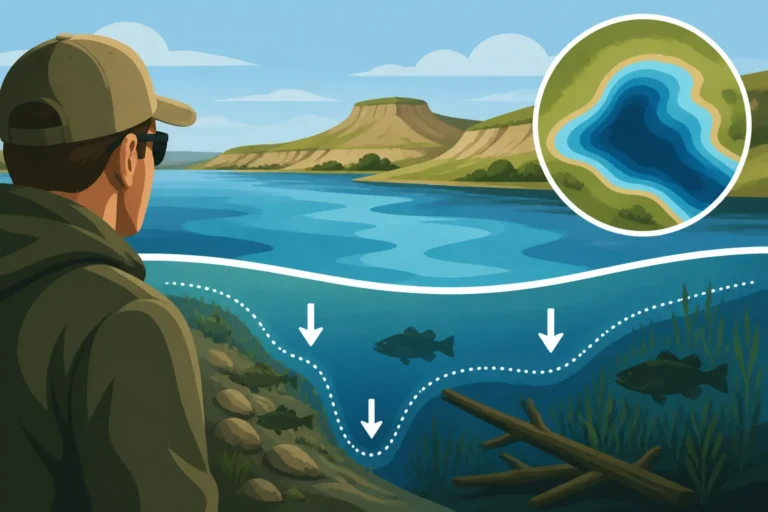
In the height of summer, if the surface water is 75°F or warmer, expect walleye to be in that 20-40 foot range, or even deeper, depending on the lake's depth and the thermocline's position. They'll relate to main lake basins, deep humps, submerged islands, and steep drop-offs. Trolling deep-diving crankbaits or using bottom bouncers with spinners or live bait become highly effective techniques. During heat waves, these fish can be particularly finicky, retreating to the deepest, coolest holes they can find, sometimes even suspending over deep water if baitfish are present. Understanding the contour maps and your sonar to locate these deep-water structures and the thermocline itself is paramount. Finding the "right" depth is critical, as fish will often suspend within a very narrow temperature band, as discussed in our Best Depth for Summer Walleye on Sakakawea guide.
Fall: The Feeding Frenzy as Waters Cool
As autumn leaves begin to change and the air grows crisp, North Dakota's waters undergo another transformation. Surface temperatures start to cool, and eventually, the lake "turns over." This means the stratified layers mix, and the water column becomes more uniform in temperature. This mixing often revitalizes the lake, distributing oxygen and nutrients, and signals a major feeding push for walleye. They instinctively know winter is coming, and they need to pack on the calories.
In early fall, walleye might still be found in deeper areas, but as cooling continues, they often become more aggressive and willing to move shallower, especially during low-light conditions. They'll chase baitfish in bays, along shorelines, and on expansive flats. This is a fantastic time for both casting and trolling, with many anglers reporting some of their best catches of the year. Focus on areas with abundant baitfish, as the walleye will follow their food source. As the season progresses and the water gets colder, they'll gradually move back to deeper wintering grounds, but the fall transition can be explosive. If you're planning a trip, be sure to read our North Dakota Fall Fishing Guide for detailed tips on this productive season.
Winter: Under the Ice and Slow Metabolism
Once the relentless North Dakota winter sets in and the lakes freeze solid, water temperatures stabilize in the upper 30s to low 40s Fahrenheit directly under the ice. Walleye's metabolism slows significantly in these frigid conditions. They become less active and don't need to feed as frequently or aggressively as in warmer months. However, they still need to eat, and ice fishing for them can be incredibly rewarding.
During winter, walleye will often seek deeper basins, rock piles, humps, and structural transitions. They'll relate to the bottom or suspend just off it. Your presentations need to be much slower and more subtle, mimicking a lethargic baitfish. Small jigs tipped with minnows or plastics, presented with minimal movement, are often the ticket. Locating schools of baitfish with your electronics is still key, as walleye will often be nearby, conserving energy but ready to ambush an easy meal. While they might be slower, they are still catchable, and ice fishing offers a unique opportunity to access areas unreachable by boat during open water seasons. For comprehensive tips on hard water angling, check out our guide on How to Ice Fish in North Dakota.
Practical Application: Finding Walleye with a Thermometer
So, now you understand why temperature is so crucial. But how do you actually use this knowledge out on the water? It's all about equipping yourself with the right tools and knowing how to interpret what they tell you.
Essential Tools for Temperature Tracking
You don't need a high-tech lab to track water temperature; a few key tools will do the trick.
- Handheld Thermometer: This is your simplest, most direct way to get water temperature. A basic digital or even an old-school mercury thermometer on a rope can tell you the surface temp, or let you drop it to different depths to check for a thermocline. It's affordable, reliable, and a must-have in your tackle box. Many good options, from basic models to more advanced ones, are readily available on sites like Amazon.
- Boat Electronics (Fish Finders/Sonar): Modern fish finders are incredibly valuable. Most units come with a transducer that includes a temperature sensor, giving you real-time surface temperature readings. Many higher-end units can even show you temperature graphs or profiles, helping you pinpoint the thermocline directly on your screen. This is crucial for navigating larger bodies of water like Lake Sakakawea and understanding the underwater thermal landscape.
- Ice Fishing Electronics (Flasher/Graph): For ice anglers, portable fish finders, especially flashers, often provide temperature readings right at the transducer. While you can't typically get a full water column profile, knowing the temperature just under the ice or at specific depths can still inform your strategy, especially when looking for slight variations that might attract fish.
Knowing the temperature in different parts of the lake or even at different depths within a small area gives you a massive advantage. Don't just rely on the air temperature; the water tells a different story.
Interpreting Temperature Gradients and Finding the "Edge"
Here's where the rubber meets the road. Simply knowing the temperature isn't enough; you need to know how to use it. Walleye don't just sit in a perfectly uniform temperature zone; they often patrol the "edge" of it.
- Finding the "Sweet Spot": Start by checking surface temperatures in different areas of the lake – sun-drenched bays versus deeper main lake points. Look for subtle differences. If the main lake is 50°F but a shallow bay is 55°F, that bay might be holding active fish. In summer, if you're marking fish deep, drop your thermometer to that depth to confirm you're in their preferred range. If your sonar shows fish at 30 feet, and your thermometer tells you it's 65°F at that depth, you've found a key piece of the puzzle.
- The Power of a Thermocline: In deeper lakes during summer, the thermocline is your best friend. Walleye will often sit right on top of it, in it, or just above it, finding that perfect balance of cooler water and access to baitfish that might be suspended there. Use your fish finder to mark the thermocline, then focus your efforts at that depth, especially where it intersects with structure like points, humps, or old creek channels. It’s like an invisible highway for fish.
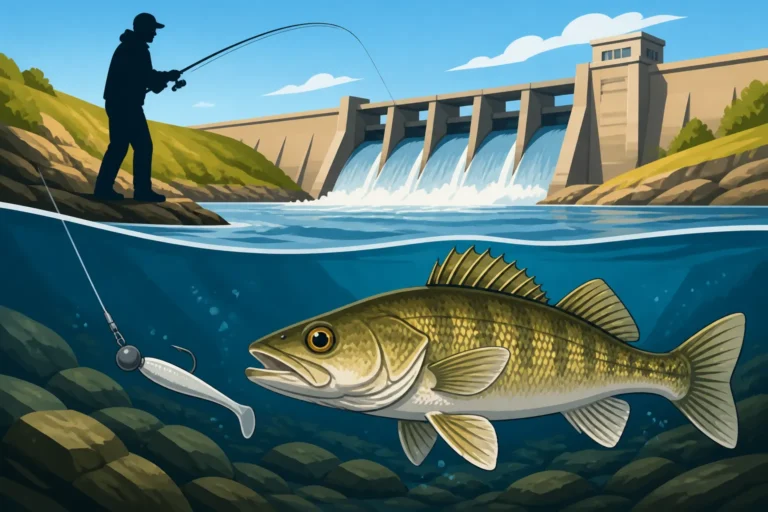
- Current and Temperature: In river systems like the Missouri or Red River, current plays a huge role, but temperature can still create subtle holding patterns. Warmer discharge from power plants (like at Nelson Lake) can create local hot spots, while colder feeder creeks might draw fish in during hot spells. Even slight current breaks can create small pockets of warmer or cooler water, attracting bait and therefore walleye.
Ultimately, think of yourself as a detective, with your thermometer and electronics as your clues. Walleye are constantly adjusting to their environment, and water temperature is one of the most powerful forces guiding their every move. By paying close attention to it, you'll dramatically increase your chances of finding that next trophy catch in North Dakota's incredible waters. It takes some practice, but once you start connecting temperature readings with successful catches, it becomes an invaluable tool in your angling arsenal. To further hone your understanding of finding fish with technology, consider our detailed article on Best Fish Finder Settings for Walleye.
Disclaimer
This article is for general informational purposes only and does not constitute professional advice. Laws, prices and regulations vary by location and change over time. Consult a qualified professional for guidance on your specific situation.