How to Fish Muddy Water After Rain
There's nothing quite as frustrating as planning a fishing trip in North Dakota, checking the weather, and seeing that rain has churned up your favorite spots, turning crystal-clear waters into murky, muddy messes. It feels like all your usual strategies go out the window, and you're left wondering how on earth you're going to catch anything when the fish can barely see your lure. But don't despair! Fishing in muddy water after a rain is absolutely doable, and this guide will walk you through the adjustments you need to make to still find success on the water.
Understanding How Muddy Water Changes the Game
When heavy rains hit, especially after a dry spell, they wash a lot of dirt, silt, and debris into our lakes and rivers. This isn't just an aesthetic issue; it profoundly impacts the underwater environment and, consequently, how fish behave and feed. Think of it like trying to navigate a dark room versus a well-lit one – everything changes.
Diminished Visibility for Fish and Anglers
The most obvious impact of muddy water is the drastic reduction in visibility. Fish rely heavily on their eyesight to hunt, detect predators, and navigate their environment. When the water turns opaque, their primary sense for finding food is severely hampered. This means your typical finesse presentations or natural-looking baits might become almost invisible. It's not just the fish that struggle; as anglers, we also lose the ability to spot structure, weed lines, or even fish activity that we might normally see in clearer conditions. This forces us to rely more on other senses and techniques.
This lack of visibility can make fish feel more secure in certain areas, but also more hesitant to chase. They won't see your line, but they also won't see your subtle bait movements from a distance. You need to compensate by making your offerings more aggressive in terms of sound, vibration, and scent.
Altered Fish Behavior and Location
Muddy water doesn't just block vision; it can also affect water temperature, oxygen levels, and even the availability of natural forage. Fish are creatures of comfort and efficiency. They'll often seek out areas where conditions are more favorable or where they can adapt more easily.
Sometimes, fish will move shallower, especially if the rain has brought warmer, more oxygenated water into the shallows, or if baitfish have been pushed there. Other times, they might hug tight to cover or structure, relying on ambush tactics. In rivers, the increased current from rain can push fish into slack water areas or behind obstructions where they can escape the main flow. Understanding these potential shifts is critical for locating fish that have become less active or have simply moved from their usual haunts. For more detailed information on fish behavior, check out our Seasonal Fish Movement Patterns in North Dakota Lakes article.
Lure and Bait Selection for Low Visibility Success
When fish can't see, they rely on their other senses. This is where your lure and bait choices become paramount. You need to select options that scream "EAT ME!" even if they're only a few inches from a fish's nose.
Emphasizing Color and Contrast
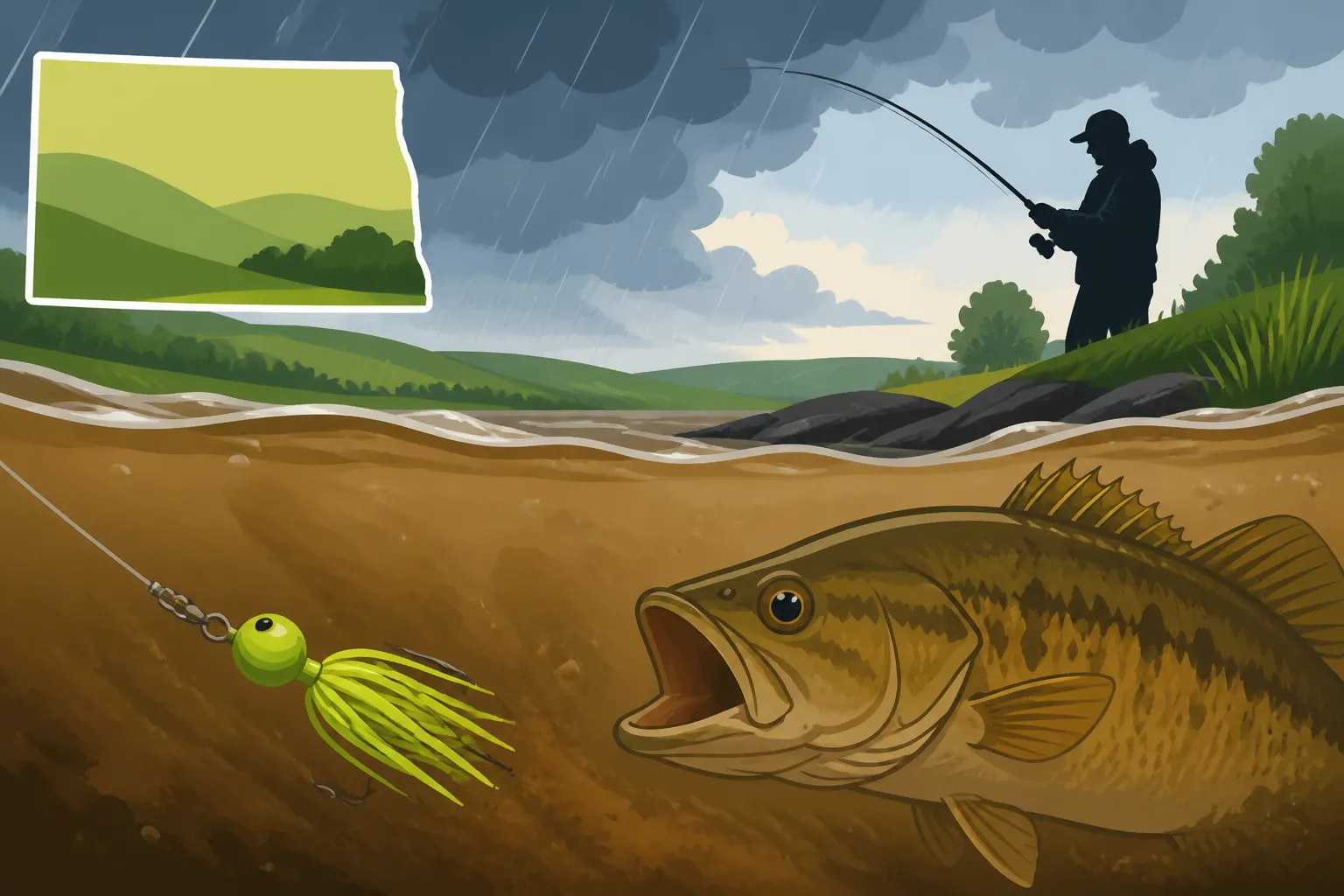
In muddy water, the rules of lure color often flip. Forget subtle, natural hues; it's time to go bold or go home. Bright, fluorescent colors like chartreuse, neon green, bright orange, hot pink, or firetiger patterns can really stand out. These colors absorb and reflect light differently than natural colors, making them more visible even in turbid conditions.
Conversely, sometimes very dark colors can create a strong silhouette against the slightly lighter murky water, making them easier for fish to detect. Think black, deep purple, or dark blue. The key is contrast – something that doesn't blend in. Don't be afraid to experiment with combinations, like a black and chartreuse jig or a firetiger crankbait. Many anglers find success with these vibrant color combinations, and you can often find a great selection of these on platforms like Amazon.
Maximizing Vibration and Scent Appeal
Since sight is compromised, the next best thing is vibration and scent. Lures that create a lot of commotion in the water can draw fish in from a greater distance.
- Vibrating Lures: Crankbaits with wide wobbles, lipless crankbaits, spinnerbaits, chatterbaits, and even some jigs with rattles are excellent choices. The vibrations travel through the water, alerting fish to their presence. Think about big Colorado blades on spinnerbaits, or noisy rattle chambers in your favorite walleye lure.
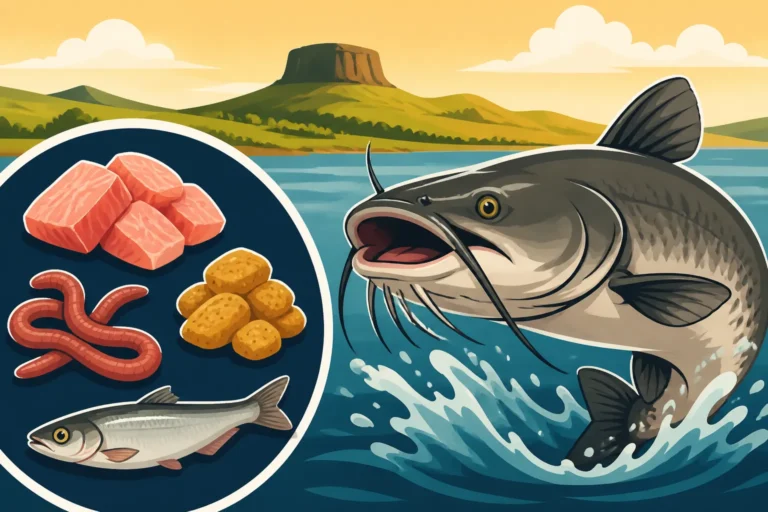
- Scented Baits: Natural baits like nightcrawlers, minnows, or cutbait are fantastic for muddy water because their natural scent trail can lead fish right to them. Even artificial baits can be enhanced with scent. Many soft plastics come pre-scented, or you can add scent attractants. This is especially effective for species like catfish on the Red River or walleye that might be foraging along the bottom. For tips on bait, check out Best Bait for North Dakota Fishing. For those serious about enticing fish, a variety of potent scent additives can be found on Amazon.
Adjusting Your Presentation and Location Tactics
It's not just about what you're throwing, but how and where you're throwing it. Muddy water requires a slower, more deliberate approach to ensure fish have ample opportunity to find your offering.
Getting Lures Closer to the Fish
When visibility is low, fish aren't going to chase a lure from far away. You need to put your bait right in their strike zone. This often means fishing tighter to cover, structure, or areas where fish are likely to be holding.
- Shallow Water & Edges: Fish often move shallower after a rain, particularly if it's warmed the water or stirred up food. Focus on shallow flats, shorelines, and the edges of weed beds. In rivers, target eddies, current breaks, and anything that offers a reprieve from strong current.
- Structure and Cover: Docks, fallen trees, rock piles, bridge pilings – anything that offers shelter or an ambush point becomes even more critical in muddy water. Fish will often press tight against these features, waiting for an unsuspecting meal to drift by. Work your lures slowly and deliberately right up against these structures. Understanding Deep Water Structure Fishing Techniques can help you pinpoint these hidden gems.
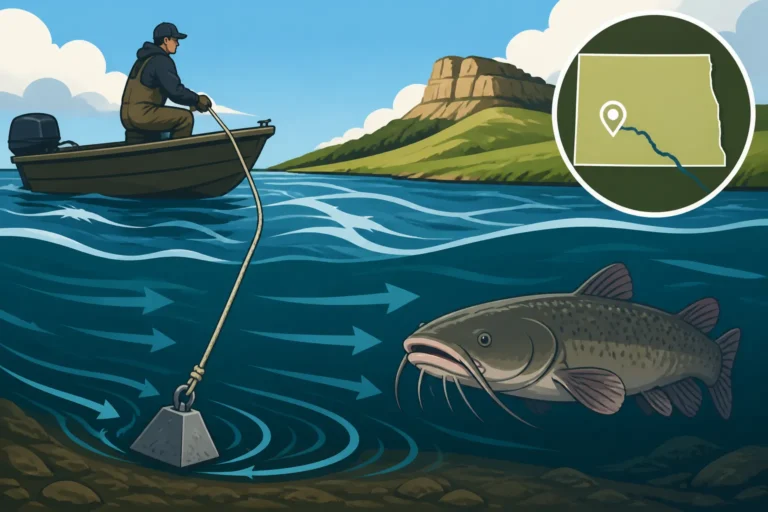
- Current Seams: In rivers, look for seams where fast-moving muddy water meets slower, potentially clearer water. Fish will often stack up in these transition zones, using the current to bring them food without expending too much energy.
Slowing Down Your Retrieve
Your usual fast retrieve might be effective in clear water where fish can track a lure from a distance, but in muddy water, it's a recipe for missed opportunities. Fish need more time to locate and commit to your bait.
- Slower Retrieval Speeds: Drag jigs, crawl crankbaits, and retrieve spinnerbaits just fast enough to get the blades turning. The goal is to give the fish ample time to home in on the vibration and scent.
- Pauses and Jerks: Incorporate pauses into your retrieve, letting the lure "die" for a moment. This sudden stop can often trigger a reaction strike, as it makes the lure seem vulnerable. A subtle twitch or jerk before continuing the retrieve can also get a fish's attention.
- Bottom Bouncing: For species like walleye, bottom bouncing with a crawler harness or a jig-and-minnow combination can be incredibly effective. The lure stays in the strike zone longer and creates bottom contact, which can stir up sediment and create additional appeal. For more specific walleye techniques, consider reading North Dakota Walleye Fishing Techniques.
Essential Gear Considerations for Muddy Water Fishing
Beyond lures and presentation, a few gear tweaks can make a real difference when you're facing muddy conditions.
Heavier Line and Rods
When you're fishing in murky water, you often don't see the strike, and the fish might not be as aggressive, making the bite feel subtle. Also, you might be fishing tighter to snags or heavier cover.
- Heavier Line: Since fish can't see your line anyway, bumping up your line test makes sense. It provides more abrasion resistance if you're fishing around rocks or wood, and gives you more pulling power to extract a fish from heavy cover. Braided line is particularly good because it has no stretch, allowing you to feel even the lightest taps. Check out Best Fishing Line for North Dakota Lakes for more details.
- Stiffer Rods: A slightly stiffer rod can help you feel those subtle bites better and provide the backbone needed to get a good hook set, especially with heavier lines and bigger baits.
Utilizing Electronics and Other Aids
While your eyesight is hampered above and below the water, modern electronics can still provide valuable information.
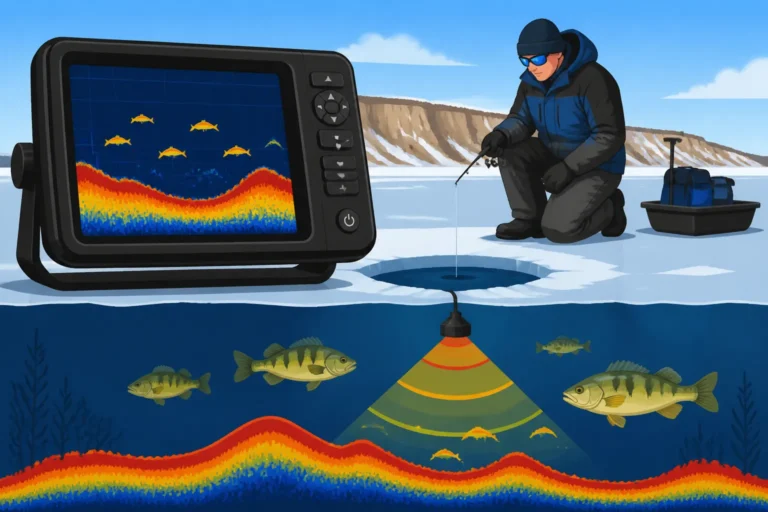
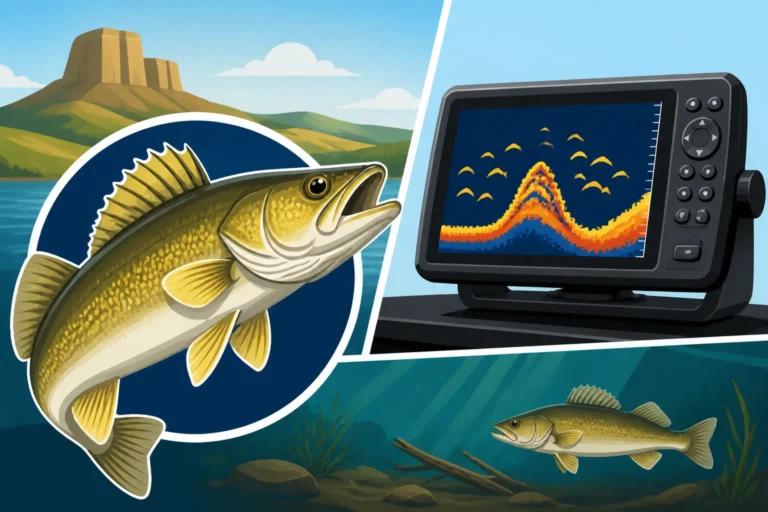
- Fish Finders: Even in muddy water, fish finders can help you locate structure, depth changes, and sometimes even schools of baitfish or larger fish themselves. Look for arches or strong returns near the bottom or suspended in areas you expect fish to hold. Don't expect to "see" individual fish clearly, but you can definitely detect their presence. A good quality fish finder can be a game-changer, and many excellent models are available on Amazon.
- GPS and Mapping: If you're on a larger lake like Lake Sakakawea or Devils Lake, using GPS with detailed lake maps can help you navigate to specific humps, points, or submerged features that might hold fish, even if you can't see them on the surface. Understanding How to Find Walleye Structure With a Map is key here.
- Headlamps: If you find yourself fishing into the evening, especially after a rainy day, a good headlamp will be invaluable for tying knots, rigging baits, and safely navigating your boat or the shoreline.
Muddy Water Fishing Strategy Table
Here's a quick overview of how to adapt your approach when faced with muddy water conditions:
| Category | Clear Water Approach | Muddy Water Adaptation |
|---|---|---|
| Visibility | High, sight-based hunting | Low, rely on vibration and scent |
| Lure Colors | Natural, subtle hues | Bright (chartreuse, orange) or Dark (black, purple) |
| Lure Type | Finesse jigs, realistic swimbaits | Vibrating crankbaits, spinnerbaits, scented plastics |
| Bait | Live minnows, worms, artificials | Strong-scented natural bait (cutbait), powerful attractants |
| Retrieve | Varies, often moderate to fast | Slow, deliberate, with pauses and bottom contact |
| Location | Open water, deep structure, weed lines | Shallow edges, tight to cover, current breaks, eddies |
| Line Test | Lighter, for invisibility | Heavier, for abrasion resistance and pulling power |
| Rod Action | Medium-light to medium for sensitivity | Medium-heavy to heavy for backbone and feel |
| Electronics | Detailed fish interpretation, weed line imaging | Structure mapping, depth changes, presence detection |
Fishing in muddy water after a rain might not be your ideal scenario, but it offers a unique challenge and can still lead to fantastic catches if you adapt your strategy. By focusing on making your presence known through bold colors, strong vibrations, and enticing scents, and by adjusting your presentation to target fish that are holding tighter to cover, you can turn a potentially disappointing day into a memorable success. So next time the skies open up, don't put away your gear – just grab your bright lures and get ready to adjust!
Disclaimer
This article is for general informational purposes only and does not constitute professional advice. Laws, prices and regulations vary by location and change over time. Consult a qualified professional for guidance on your specific situation.