Fishing Techniques for the Red River’s Murky Water
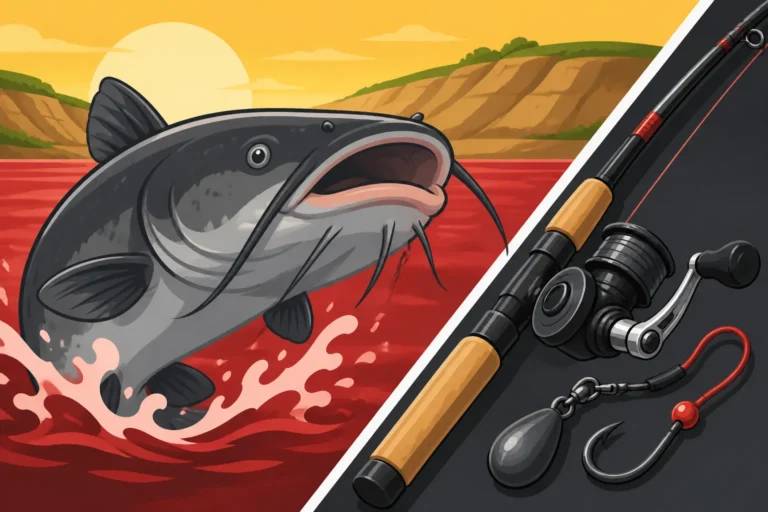
The Red River is legendary for its incredible fishing, especially for big channel catfish, but let's be honest, its notoriously murky, coffee-colored water can feel like you're trying to fish blindfolded. The low visibility poses a real challenge, making it tough to figure out where the fish are hiding or how to make your bait stand out in that dark soup. This guide is all about diving deep into the specialized techniques and gear you'll need to confidently conquer the Red's murky depths and consistently reel in some fantastic catches, no matter how low the visibility gets.
Understanding the Red River's Unique Murky Environment
Fishing the Red River is an experience all its own, and a big part of that experience is its distinct water conditions. Unlike some of North Dakota's clearer lakes, the Red River carries a persistent murkiness that dictates how fish behave and how anglers need to approach their craft. Ignoring this unique environment is a surefire way to go home empty-handed.
Why the Red River Runs So Dark
If you've spent any time on the Red River, you know it's not exactly known for crystal-clear waters. This murkiness isn't a fluke; it's a fundamental characteristic of the river, primarily due to its slow-moving nature and the rich, fertile clay soil of the Red River Valley. As the river meanders through this landscape, it constantly picks up and suspends fine sediment, which gives the water its tell-tale brownish hue. Heavy rains, agricultural runoff, and even strong winds can exacerbate this, stirring up the bottom and making the visibility even lower. It's just the natural state of this incredible fishery, and understanding why it's murky helps us understand how fish navigate it.
Because of this constant sediment load, light penetration is significantly reduced. This means that fish living in the Red River have evolved or adapted to rely far less on sight for hunting and navigating than their counterparts in clearer waters. This is a crucial piece of the puzzle for us anglers, as it informs every decision we make, from bait choice to presentation.
How Murky Water Impacts Fish Behavior
So, if fish can't see very well, what do they do? They rely on their other senses, intensely. Fish like channel catfish, which are abundant in the Red River, have an incredible sense of smell and highly developed lateral lines. Their lateral line is a sensory organ that runs along their sides, detecting vibrations and pressure changes in the water. Think of it as a built-in radar system that helps them locate prey, navigate structure, and even avoid predators, all without needing to see a thing.
This means fish in murky water tend to orient themselves differently around structure and current. Instead of visually spotting a log or a rock pile, they feel the current deflecting around it. They also key in on food sources that emit strong scents or create vibrations. They might hold tighter to cover, using it not just for ambush points but also as physical reference points in their low-visibility world. What this translates to for you, the angler, is that your baits need to scream "food!" in ways that don't depend on a fish seeing it. They need to smell it, feel it, and maybe even hear it.
Strategies for Success in Low Visibility
When you're dealing with murky water like the Red River's, your typical clear-water tactics often fall flat. Fish can't see your perfectly tied knot or the subtle flash of your lure. Instead, you've got to appeal to their primary senses: smell, vibration, and sometimes, sound. This requires a conscious shift in your approach, focusing on what fish can detect even when they can't see it.
Maximizing Scent and Vibration
This is where the rubber meets the road on the Red River. Since visual cues are largely out the window, you need to turn up the volume on your bait's other appeals. For scent, think strong and pungent. This is why classic catfish baits like cut bait (sucker, goldeye, or even shad if you can get it), chicken livers, and various stink baits perform so well here. These baits release a powerful scent trail that can drift downstream, signaling to catfish that a meal is nearby. When using cut bait, don't be shy about cutting it into chunks that are large enough to be easily sniffed out but not so big that a fish can't get it in its mouth. For stink baits, there are many commercially available options that come in a dip bait or punch bait form, designed to stick to sponges or treble hooks and slowly release their potent aroma.
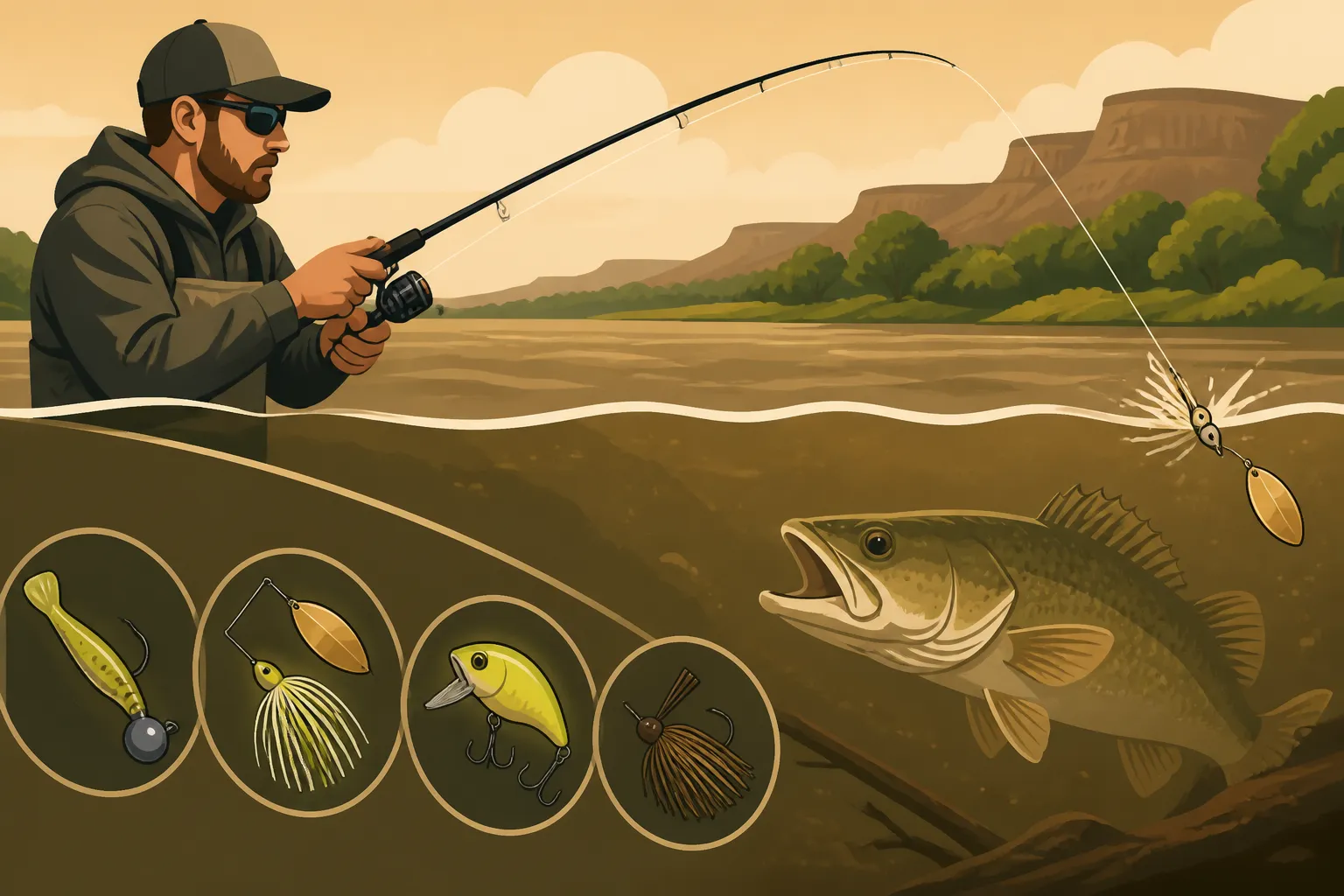
Vibration is equally critical. Consider lures that displace a lot of water or create distinct thumping, rattling, or wobbling actions. Spinnerbaits with large thumping blades, lipless crankbaits with internal rattles, or even jigs tipped with large paddle-tail plastics can create the necessary commotion to attract attention. While these might seem like atypical choices for catfish, they can absolutely trigger strikes from fish investigating the disturbance. The key is to make enough noise and feel in the water for fish to pinpoint your offering even if they can't see it until it's right in front of them. When you combine strong scent with aggressive vibration, you create an irresistible beacon in the dark water.
Leveraging Contrast and Sound
While sight is diminished, it's not entirely absent, especially at very close range or in extremely shallow areas. Therefore, offering baits with high contrast can sometimes make a difference. Think bright, fluorescent colors like chartreuse, neon orange, or even stark white, especially if they have some glow properties. These colors might not be seen from far away, but they can stand out against the dark water when a fish is up close, investigating the scent or vibration. A chartreuse worm on a jig head, for example, might just be enough to seal the deal.
Sound, separate from vibration, can also play a role. Lures with rattles, like many popular crankbaits and some specialized jigs, produce distinct sounds that can attract curious fish. The clacking of beads on a Carolina or Texas rig can also serve this purpose. Sometimes, simply dragging a heavy lead weight along the bottom can kick up sediment and create a subtle disturbance that signals potential food. The goal is to stimulate as many of a fish's senses as possible, compensating for the lack of clear vision. You can find a vast array of rattling lures and high-contrast soft plastics on Amazon that are perfectly suited for these conditions.
Essential Gear and Baits for Murky Water
Fishing the Red River's murky waters demands a specific arsenal of gear and baits to maximize your chances. You're not just throwing any old lure out there; you're intentionally selecting tools that cut through the low visibility and grab a fish's attention.
Proven Baits for the Red River
For many anglers targeting the Red River, catfish are the main event, and for good reason—they thrive in these conditions. When it comes to bait, the stronger, the better.
- Cut Bait: This is arguably king for Red River catfish. Freshly cut chunks of oily baitfish like sucker, drum, or even small frozen herring work wonders. The key is the blood and oil that leach out, creating a potent scent trail. Don't be afraid to experiment with different sizes; sometimes a bigger chunk is what it takes to tempt a trophy cat. Many anglers prefer to cut their bait into strips or chunks rather than leaving them whole, as it exposes more surface area for scent dispersion. How to Rig Cut Bait for Catfish goes into more detail on maximizing this classic bait.
- Stink Baits: These commercially prepared concoctions are designed specifically for catfish in low-visibility situations. They come in various forms, from dip baits that adhere to special worm-like rigs or sponges, to punch baits that you "punch" a treble hook into. The scent is often overpowering (to us, anyway!), which is exactly what you want. Brands like Sonny's or various homemade recipes are highly effective.
- Live Baits: While less common for catfish on the Red, a lively minnow or small chub can be very effective for walleye or northern pike in the murk. The vibrations from a struggling baitfish are a natural attractant.
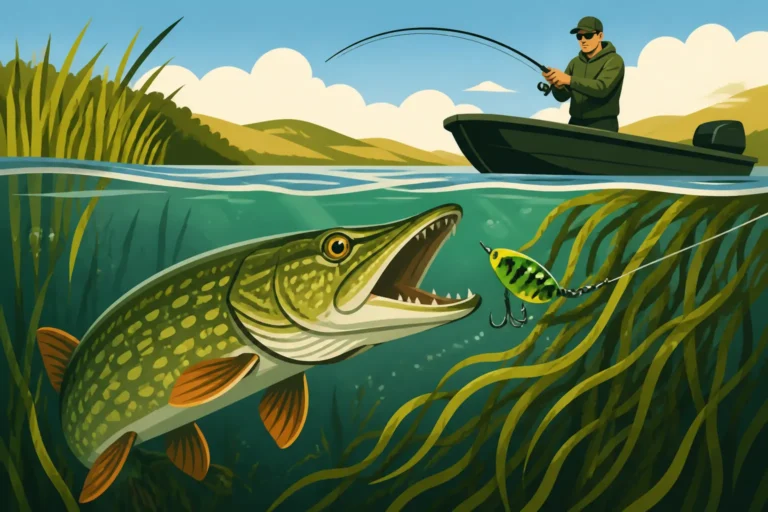
- Artificial Lures: Don't count out artificials! Lipless crankbaits with loud rattles, chatterbaits, and spinnerbaits with large thumping blades are excellent choices for covering water and triggering reaction strikes from predatory fish like pike and even walleye. The vibration and contrast they offer are crucial in the dark water. For walleye, consider bright-colored jigs tipped with a grub or a scented soft plastic.
Rods, Reels, and Lines for Heavy Duty Fishing
The fish in the Red River can be big, especially those channel cats, and the current is often strong. This isn't a place for ultralight tackle. You need robust gear that can handle the fight and the conditions.
- Rods: Look for medium-heavy to heavy power rods, typically 7 to 8 feet long. This length gives you good casting distance from shore or boat and enough leverage to fight strong fish in current. A fast or moderate-fast action will provide sensitivity for detecting subtle bites while still offering backbone for hooksets. For dedicated catfishing, a heavy power rod is almost a necessity. Best Rod Setup for Red River Catfish offers more specific recommendations.
- Reels: Durable baitcasting reels are often preferred for their power and line capacity, especially when targeting large catfish. Spinning reels in the 3000-5000 size range can also work, particularly for lighter presentations or if you prefer them. The key is a strong drag system and robust construction. Ensure your reel is spooled with plenty of line, as long runs are common.
- Line: Braided line is a game-changer for murky water. Its lack of stretch provides superior sensitivity, allowing you to feel even the lightest taps in the current. It also has a much thinner diameter for its breaking strength, which helps cut through the current, and its abrasion resistance is a huge plus around submerged structure. Choose braided line in the 30-50 lb test range for main lines, often paired with a fluorocarbon or monofilament leader if you're concerned about visibility at the bait (though in the Red's murk, this is less critical than in clear water). Best Braided Line for Catfish Fishing provides excellent insights into line choices.
Enhancing Your Setup with Electronics and Accessories
Even though the water is murky, modern fishing electronics can still offer a significant advantage, and certain accessories become almost indispensable.
- Fish Finders: While you won't get crystal-clear images of fish, a good fish finder (especially with down imaging or side imaging) can still help you identify changes in bottom contour, submerged structure, and even schools of baitfish or larger fish arches. More importantly, it helps you understand the depth and current dynamics. Using your fish finder to locate drop-offs, depressions, or logs where fish might be holding out of the main current flow is incredibly valuable. Many popular models available on Amazon offer robust sonar capabilities perfect for river environments.
- GPS: A reliable GPS unit on your boat or even a good fishing app on your phone is crucial for marking productive spots. Once you find a spot yielding fish, mark it immediately. In murky water, visual landmarks can be hard to use, so a GPS helps you return to those exact honey holes later.
- Anchor Systems: The Red River often has a strong current, so a robust anchor system is vital if you're fishing from a boat. A sturdy anchor with plenty of rope will keep you positioned over your desired spot, allowing your baits to stay put. How to Anchor a Boat on the Red River offers practical advice for managing current.
- Heavy Sinkers: To hold your bait on the bottom in strong current, you'll need heavier sinkers than you might typically use. Pyramid sinkers or no-roll sinkers are excellent choices because they dig into the bottom and resist being swept away. Have a good variety of weights, from 1 oz up to 4 oz or even more, especially after heavy rains.
- Headlamps/Lighting: If you plan on fishing at night, which is often a fantastic time for big catfish on the Red, a reliable headlamp is a must. The darker the water, the more important your own visibility becomes for rigging, baiting, and safely moving around.
| Bait Type | Primary Attractant | Best Targets | When to Use It | Notes |
|---|---|---|---|---|
| Cut Bait | Scent, Blood | Channel Catfish, Pike | Anytime, especially active feeding periods | Oily fish like sucker or goldeye work best. |
| Stink Bait | Potent Scent | Channel Catfish | Good for slow periods or targeting stubborn fish | Use dip worms or punch bait rigs. |
| Live Minnows | Vibration | Walleye, Pike | Often effective in slightly clearer or slack water | Use a lively minnow on a simple hook rig. |
| Lipless Crank | Vibration, Sound | Walleye, Pike | Covering water, active fish | Loud rattles and bright colors (chartreuse, firetiger) are key. |
| Jigs w/ Plastic | Vibration, Scent | Walleye, Pike | Vertical jigging, casting to structure | Tip with scented plastics or a minnow for added appeal. |
| Spinnerbaits | Vibration, Flash | Pike, Bass | Covering shallower areas, around cover | Large thumping blades create maximum vibration in murky water. |
Adapting to the Red River's Mood Swings
The Red River is a dynamic fishery, and its murky water conditions can change based on recent weather, current flow, and even time of day. Being able to adapt your techniques to these subtle shifts will undoubtedly lead to more successful outings.
Fishing Current and Structure in Murky Conditions
Fish in murky water often relate very tightly to structure and current breaks. They use these features not only for ambush but also for protection from the current and as a sensory reference point. Without visual cues, they'll hug structure that offers a break from the main flow. This means your job is to get your bait right in their face, or at least, right where they'd expect food to be swept by.
Look for areas where the current slows down, such as inside bends, behind large submerged logs, rock piles, or bridge pilings. Any feature that creates an eddy or a slack water pocket is a prime location. Fish will often sit on the "downstream" side of these current breaks, conserving energy and waiting for food to wash to them. Your approach should involve casting upstream of the structure and allowing your bait to drift naturally into these holding zones. Using a three-way swivel rig or a Carolina rig can help keep your bait near the bottom without constantly snagging. Remember, in murky water, accuracy is paramount, so try to cast to the same spots repeatedly, giving fish time to find your offering. Keep an eye on your North Dakota Fishing Season Dates and Limits to ensure you're targeting species legally throughout the year.
Night Fishing and Post-Rain Tactics
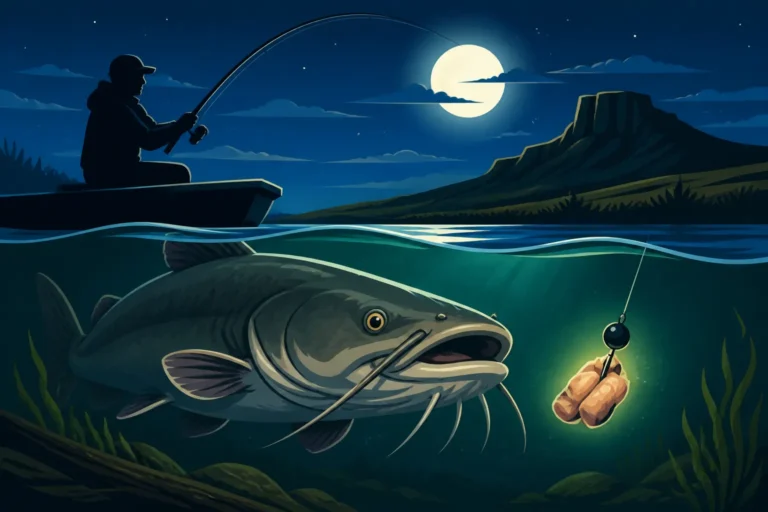
Night fishing on the Red River can be absolutely phenomenal, particularly for those trophy channel catfish. When the sun goes down, the playing field levels out even further in murky water. Fish that might be wary during the day become bolder, and their reliance on scent and vibration is even more pronounced. The cool evening temperatures can also activate fish, encouraging them to move into shallower feeding areas.
When fishing at night, focus on the same principles: strong scent and vibration. Cut bait and stink baits are still your best friends. Pay close attention to current seams and edges of deeper holes. A good headlamp with a red-light option (to preserve your night vision) is essential, as is knowing your fishing spot well before dark. Always prioritize safety when fishing at night.
After a heavy rain, the Red River can become even murkier and the current can pick up significantly. While this might seem daunting, it can actually trigger fantastic feeding frenzies. The increased flow washes more food into the river, and the reduced light penetration makes fish feel more secure. During these times, focus on the edges of the main current where fish can still find a slight break but still access the passing food. You might need to increase your sinker weight to hold bottom, and even more potent baits will shine. Don't be afraid to fish areas that might typically seem too shallow or too fast, as fish will move to capitalize on these new feeding opportunities. You might also find other species active, like northern pike, taking advantage of the reduced visibility for ambush. Always be aware of North Dakota Fishing Regulations Explained which can vary by species and season.
Disclaimer
This article is for general informational purposes only and does not constitute professional advice. Laws, prices and regulations vary by location and change over time. Consult a qualified professional for guidance on your specific situation.