Difference Between Sauger and Walleye Fishing Techniques
It's a common dilemma for anglers in North Dakota, isn't it? You're out on the water, perhaps on the Missouri River or Lake Sakakawea, and you start catching fish that look incredibly similar – are they sauger or walleye? More importantly, are you using the best techniques for the fish you're trying to catch? This guide will dive deep into the subtle yet significant differences in fishing techniques for sauger and walleye, helping you refine your approach and fill your livewell with confidence.
Understanding the Fish: Sauger vs. Walleye Biology and Behavior
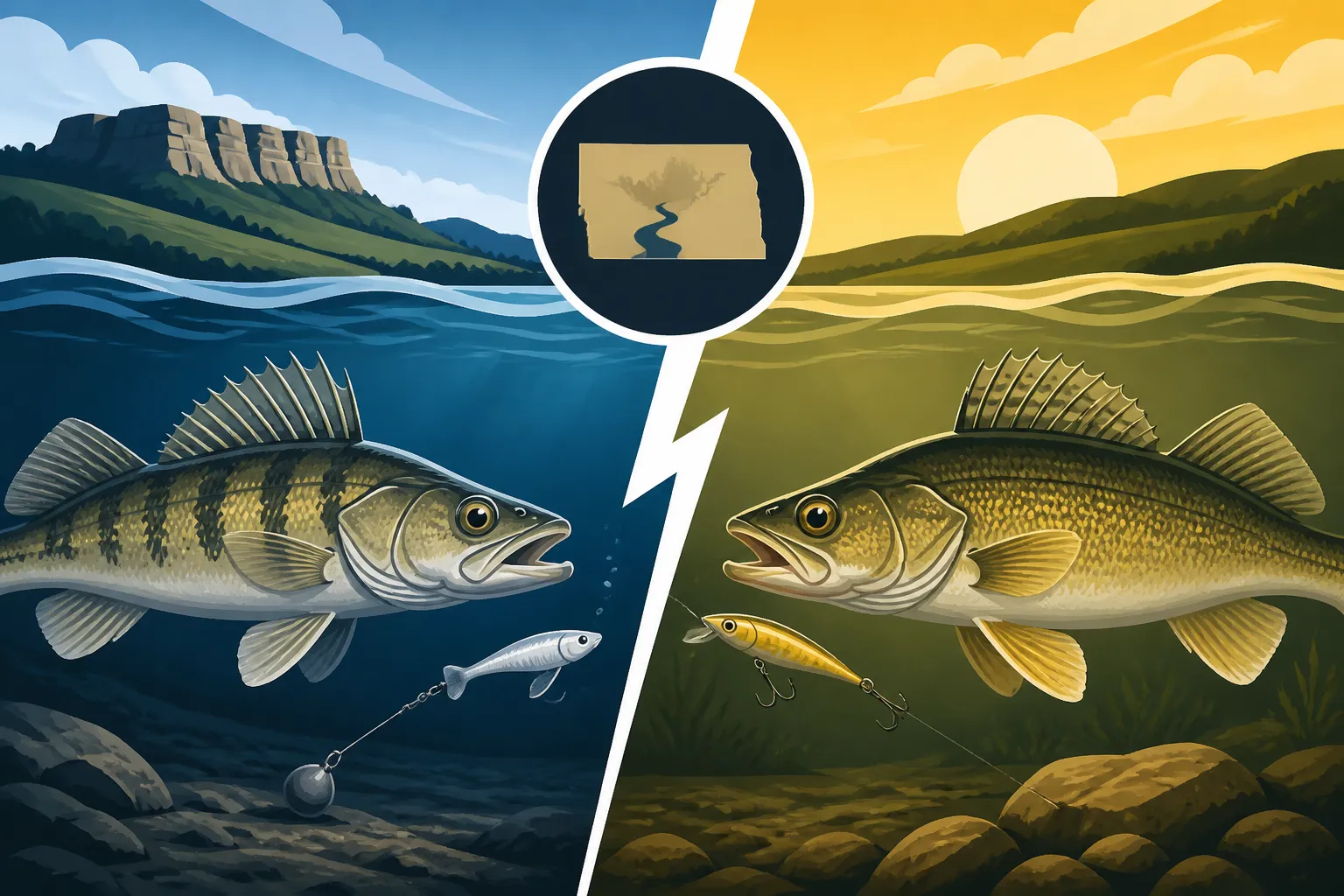
Before we even cast a line, it's vital to understand the fundamental differences between sauger and walleye. While they are close cousins and often share the same waters, their preferred habitats, feeding behaviors, and even their physical characteristics lead to distinct fishing strategies. Trying to use a walleye technique in a prime sauger spot, or vice versa, can lead to a lot of head-scratching and not much action. Knowing your target is the first step to successful angling.
Sauger Habitat and Preferences
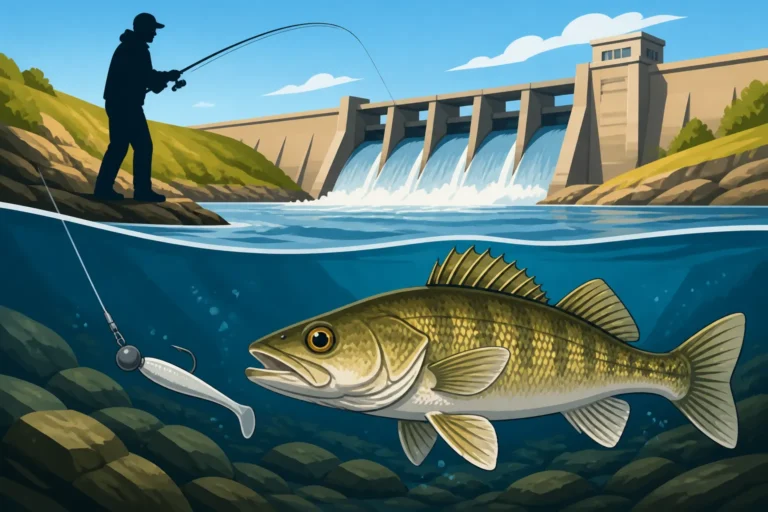
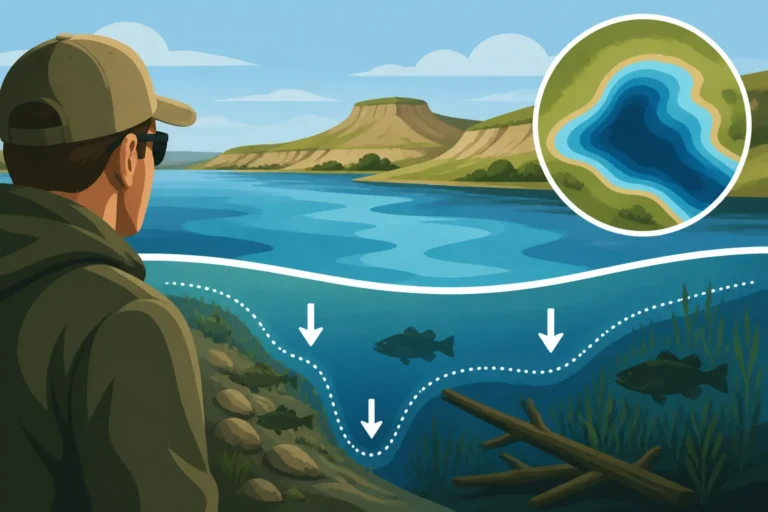
Sauger, often overlooked in the shadow of their larger walleye relatives, are truly fascinating fish with their own unique preferences. They tend to favor environments that most walleye might shy away from. Think deep, turbid, often current-laden waters. This is why you'll find a strong sauger population in rivers like the Missouri River, especially below dams and in the main river channel, where the water might be a bit murkier and the currents more pronounced. They prefer holding tight to the bottom, often in areas with significant structure such as rock piles, ledges, or deep current breaks. They're not as keen on bright light as walleye, so they might be more active in deeper water even during the day, or come shallower during low-light conditions. Their smaller eyes are adapted for these low-visibility conditions. Understanding these preferences is key to adapting your How to Fish for Sauger Below Garrison Dam strategy.
Walleye Habitat and Preferences
Walleye, the undisputed kings of North Dakota fishing, are celebrated for a reason. They are incredibly adaptable, inhabiting a wider range of environments than sauger, from large, clear lakes like Lake Sakakawea to shallower, weed-choked impoundments and even river systems. While they too are often found near structure, their definition of "structure" is much broader. This could mean deep breaks, sunken islands, weed lines, rocky points, submerged timber, or even suspending over open water in pursuit of baitfish. Walleye are highly light-sensitive, which is why they are often most active during low-light periods at dawn, dusk, or night, or in deeper, darker water during the day. Their larger eyes are perfect for gathering what little light is available. This adaptability means North Dakota Walleye Fishing Guide techniques can be incredibly varied.
Identifying Your Catch: Sauger vs. Walleye Visual Cues
It's easy to confuse a sauger and a walleye, especially if you're pulling them out of the same water body. However, there are some clear visual cues that will help you tell them apart. Knowing for sure what you've caught isn't just about bragging rights; it's also crucial for adhering to specific North Dakota Fishing Season Dates and Limits and North Dakota Walleye Size Limit Rules that might apply differently to each species. Take a moment to inspect your fish closely before deciding what it is.
Here's a handy breakdown of their key identification features:
| Feature | Sauger | Walleye |
|---|---|---|
| Dorsal Fin | Distinct dark spots that form rows or bands | No distinct spots, sometimes a solid dark blotch at the rear |
| Tail Fin | Often has a white lower lobe (though not always prominent) | Distinctive white tip on the lower lobe |
| Pectoral Fin | Typically has 5 or fewer spines | Typically has 6 or more spines |
| Scales | Rougher, more pronounced scales | Smoother scales |
| Body Shape | More slender and cylindrical | More robust and compressed |
| Coloration | Brownish or olive green with mottled, blotchy patterns | Gold to olive-green, often with distinct dark vertical bars |
The most reliable visual difference is usually the dorsal fin. If you see distinct, clear spots that create a pattern across the spiny dorsal fin, it's almost certainly a sauger. Walleye, on the other hand, will typically have a uniform or blotchy dorsal fin without those distinct spots, but they almost always have that prominent white tip on the lower lobe of their tail fin, which sauger often lack or have very faintly.
Key Differences in Fishing Techniques for Sauger
Targeting sauger requires a slightly different mindset than walleye. Because they prefer those deeper, darker, and often current-filled environments, your techniques need to prioritize getting your bait right in their strike zone and keeping it there. It's less about chasing them across vast flats and more about precision and depth control.
Targeting Deeper, Murkier Water
When you're after sauger, think deep. Really deep. In river systems like the Missouri, you'll find them hunkering down in the deepest channels, especially during the day, or tucked behind significant current breaks. This means your approach needs to ensure your bait reaches the bottom quickly and stays there. Using your fish finder to identify sudden depth changes, submerged structures, or even schools of baitfish holding tight to the bottom is crucial. Many anglers find that drift fishing or slow trolling upstream (to control your speed with the current) through these deeper stretches is highly effective. You might need to add heavier weights or use specialized jigs to maintain contact with the bottom in stronger currents. For those deep river bends or dam tailraces, knowing the water depth and flow is paramount.
Visibility is also a major factor. Since sauger thrive in murkier water, presentation takes precedence over flashy colors sometimes. Subtle vibrations and scent can be more important than bright visual appeal. Darker jig colors or natural bait presentations, combined with a slow, deliberate retrieve, often outperform aggressive, fast-moving lures designed for clearer water. When shopping on Amazon, look for jigs designed for high-current applications or those with a good profile for bottom contact.
Presentation for Sauger: Staying Near the Bottom
Sauger are bottom-dwellers, plain and simple. They're not often found suspended in the water column like walleye can be. This means your fishing technique absolutely has to prioritize keeping your bait or lure in constant contact with or very near the bottom. Vertical jigging is a fantastic technique for sauger. Using a heavy jig tipped with a minnow, plastic, or even a piece of crawler, you can bounce it directly beneath your boat as you drift or slowly motor over prime sauger territory. The key is to feel for the bottom, lift your jig a foot or two, and let it fall again, mimicking a baitfish darting or a morsel bouncing along.
Another effective method is using a three-way swivel rig or a Lindy Rig, often referred to as a "live bait rig" in some circles. This setup allows you to present live bait like a minnow or a nightcrawler just off the bottom while your weight drags along below, navigating the current and maintaining depth. The weight ensures you're in the strike zone, while the bait trailing behind offers a natural presentation. Remember, sauger strikes can sometimes be very subtle, feeling like a slight tick or just added weight, so a sensitive rod is incredibly helpful. Maintaining line contact with your bait, especially in current, is crucial to detecting these nuanced bites. North Dakota Walleye Size Limit Rules and North Dakota Northern Pike Daily Limit are often top of mind, but be sure to check specific sauger limits for your area as well.
Key Differences in Fishing Techniques for Walleye
Walleye fishing, while sometimes sharing tactics with sauger, often allows for a much broader array of techniques due to their more varied habitat preferences. You're not always bound to the deepest, darkest holes, giving you more versatility in your approach.
Versatility in Depth and Structure
Unlike their deep-dwelling cousins, walleye are notorious for their adaptability. You might find them in shallow weed beds during low-light hours, relating to sharp breaks or rocky reefs in 20-30 feet of water, or even suspended in the middle of a lake basin feeding on schools of cisco or smelt. This means your techniques for walleye need to be far more versatile. On a vast lake like Sakakawea, Lake Sakakawea Walleye Fishing Spots can vary drastically, influencing your technique choice.
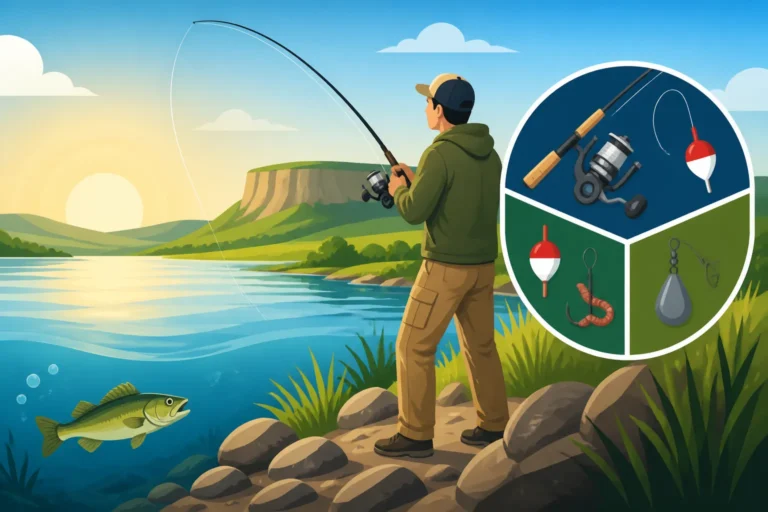
When targeting walleye, always consider the time of day, water clarity, and forage base. In clearer waters and during brighter conditions, walleye often retreat to deeper zones or find cover in dense weed beds or overhanging structure. In these scenarios, vertical jigging, slip bobber fishing over deep structure, or even long-lining crankbaits far behind the boat can be effective. During low light, they might push up onto shallow sand flats, rock reefs, or along shorelines, making casting jigs, crankbaits, or even pitching slip bobbers into shallow cover highly productive. Having a good range of lure diving depths and presentations is key, and places like Amazon offer an extensive selection to stock your tackle box.
Active vs. Passive Walleye Approaches
Walleye fishing often involves a blend of active and passive techniques, sometimes even employed simultaneously. An active approach might involve aggressive jigging with snap-jigging or rip-jigging techniques to draw reactionary strikes, especially when fish are concentrated or in a feeding frenzy. This works well with both soft plastics and live bait. Trolling crankbaits, either with boards or simply behind the boat, is another very active method, covering vast amounts of water and allowing you to dial in specific depths and speeds. This is a common tactic on large bodies of water like Lake Sakakawea when fish are scattered or suspending. Check out Trolling Crankbaits for Walleye for more depth.
On the other hand, sometimes walleye prefer a more subtle, passive presentation. This is where Best Live Bait for North Dakota Walleye comes into play. Slip bobber fishing with a minnow or leech, especially over submerged timber or along weed edges, allows the bait to flutter naturally in the strike zone without constant angler intervention. Bottom bouncing with crawler harnesses or live minnows is another effective passive technique, particularly when drifting slowly over flats or along breaklines. The choice between active and passive often depends on fish mood, time of year, and water conditions. Sometimes, a combination, like having one person jigging and another running a bottom bouncer, can help you quickly identify what the fish want.
Common Overlapping Techniques and When They Work for Both
While sauger and walleye have their distinct preferences, there are certainly techniques that can be effective for both. The key isn't just in the technique itself, but in how you adapt it to the specific environment and likely location of either a sauger or a walleye. Understanding these nuances will maximize your chances no matter which species bites.
Trolling and Drifting: Adjustments for Each Species
Trolling and drifting are incredibly popular and effective methods across North Dakota for both sauger and walleye, especially on larger water bodies. The subtle differences in approach, however, can make all the difference.
For sauger, when trolling or drifting, you'll generally want to focus your efforts in deeper river channels, below dam structures, or along deep contours where currents are present. Your presentation needs to hug the bottom closely. This might mean using heavier bottom bouncers, deeper diving crankbaits that make contact with the substrate, or even three-way swivel rigs with a heavy weight to keep your live bait down. Slow and steady is often the motto, as sauger aren't always chasing down fast-moving prey; they're more likely to ambush something that drifts right into their zone. Your fish finder will be your best friend here, helping you stay on the desired depth contour. If you're looking for specific gear, you can often find heavier bottom bouncers and longer-lipped crankbaits on Amazon that are designed to get deep and stay there in current.
When walleye are your primary target, trolling and drifting can cover a much wider range of depths and structures. On lakes like Lake Sakakawea or Devils Lake, you might be trolling open water for suspended fish, working shallower weed lines, or tracing rocky points. Your crankbaits might be medium-diving or even shallow runners, depending on the depth the walleye are holding. Leadcore lines or snap weights might be employed to reach specific depths in open water, allowing your lure to run free of the bottom. When drifting, you might use slip bobbers over weed tops, or bottom bouncers over a clean, hard bottom. The speed for walleye can also vary more; sometimes a faster troll triggers aggressive strikes, while other times a slower pace is required. Experimentation is key to dialing in the right depth and speed for the day. You can learn a lot by studying Early Spring Walleye Techniques in North Dakota and Summer Walleye Trolling Techniques to see how adjustments are made throughout the season.
Jigging and Live Bait: Subtle Nudges for Success
Jigging and fishing with live bait are classic techniques that consistently put both sauger and walleye in the boat, or onto the ice. However, the subtle presentation differences cater to each species' specific habits.
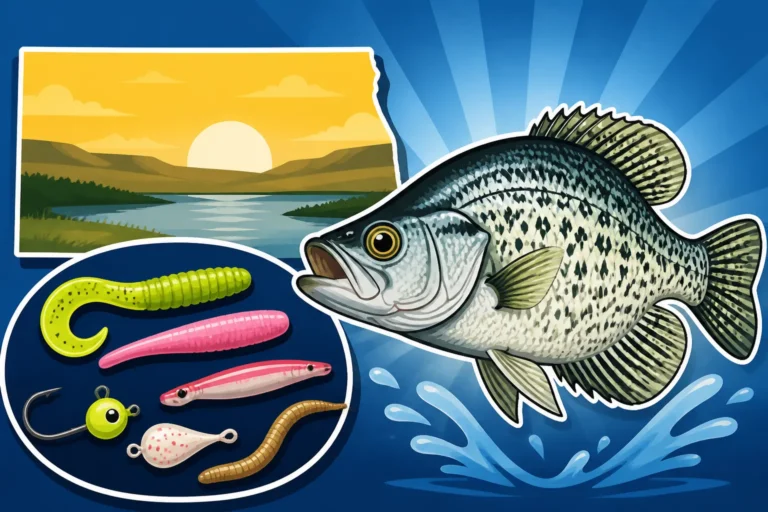
When jigging for sauger, think vertical and subtle. Since they're often tucked into current and tight to the bottom in deeper, murkier water, a precise vertical jigging presentation is often best. Use heavier jigs (like 3/8 to 1/2 ounce or even heavier in strong current) tipped with a minnow, plastic grub, or even a piece of nightcrawler. Keep your movements minimal – a short lift and a controlled fall, allowing the jig to tick the bottom. The goal is to keep the bait directly in their strike zone without moving it too far away from their ambush point. A sensitive rod is critical to feeling those soft "thumps" or "mushy" bites that sauger often deliver. North Dakota Northern Pike Daily Limit is a good thing to be aware of, but sauger and walleye have different limits, so verify those specific regulations.
Walleye jigging can be more varied and often more aggressive. While vertical jigging is still highly effective, especially in deeper water or through the ice (check out Perch Jigging Techniques for Devils Lake which can also apply to walleye), walleye also respond well to pitching jigs. This involves casting a lighter jig (1/8 to 1/4 ounce) to shallower cover, along weed lines, or onto rocky points, and working it back with a series of hops and pauses. The type of soft plastic or live bait you tip your jig with can also vary widely, from larger paddle-tail swimbaits to slender minnow-imitating plastics, or simply a live minnow. Walleye often prefer a slightly more active presentation, and the thump of a jig hitting the bottom or the flash of a retrieve can trigger strikes. Best Jigs for North Dakota Walleye discusses many of these options.
For live bait presentations, sauger typically respond best to minnows or crawlers presented very close to the bottom, often with a simple slip sinker rig or a Lindy Rig. Keep the bait moving slowly with the current or just barely off the bottom. Walleye, on the other hand, can be caught on a wider variety of live baits including leeches, minnows, and crawlers, and these can be presented in more varied ways – under a slip bobber in shallow cover, on a bottom bouncer over flats, or even trolled on a harness. The key is to let the bait's natural action entice the strike. Remember, a good aeration system for your minnows, which you can find readily on Amazon, will ensure your live bait stays lively and effective, no matter which species you're chasing.
Ultimately, mastering the art of catching sauger and walleye in North Dakota comes down to understanding their individual preferences and adapting your techniques accordingly. Don't be afraid to experiment, pay close attention to your electronics, and trust your instincts!
Disclaimer
This article is for general informational purposes only and does not constitute professional advice. Laws, prices and regulations vary by location and change over time. Consult a qualified professional for guidance on your specific situation.