North Dakota Sauger Fishing Guide
For many anglers in North Dakota, the pursuit of walleye is a deep-seated passion, and rightfully so—they're a phenomenal game fish. But sometimes, when you're out on the big waters of the Missouri River or its reservoirs, you might pull up a fish that looks strikingly similar to a walleye, yet somehow different. This often leads to confusion, or even worse, misidentification that could impact your daily limits. This guide aims to clear up that confusion and dive deep into the world of sauger fishing in North Dakota, helping you confidently target, identify, and successfully catch this incredible, often-overlooked species.
Understanding the Sauger: North Dakota's Often-Mistaken Gem
Sauger, while closely related to walleye, are a distinct and equally rewarding fish to pursue in North Dakota. Many anglers, especially those new to the state's diverse fisheries, often mistake them for their larger, more famous cousins. This isn't just a matter of mistaken identity; understanding the nuances between the two can dramatically improve your fishing success, as their preferred habitats and behaviors can differ.
Why Sauger are a Great Target
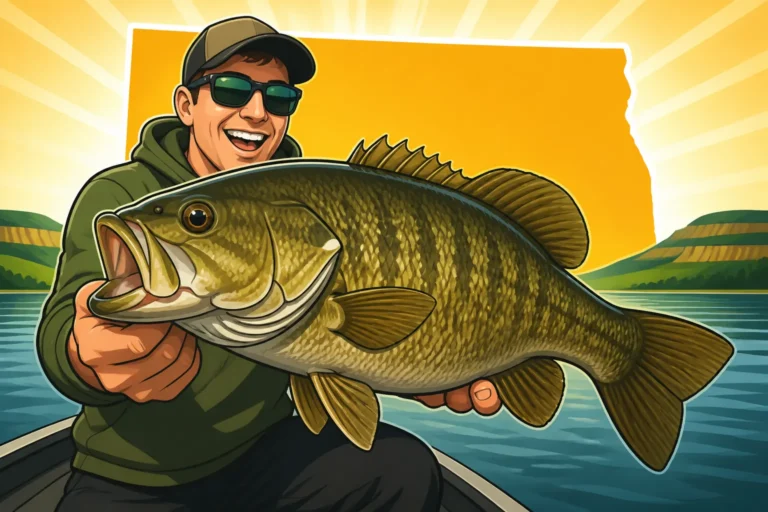
When you hook into a sauger, you're in for a treat. These fish possess a feisty spirit, often putting up a surprisingly strong fight for their size. They might not always reach the same trophy dimensions as some of the massive walleye you hear about, but a good-sized sauger is a respectable catch that provides excellent table fare. Their flaky, white meat is often considered even sweeter and finer-textured than walleye by many connoisseurs, making them a highly desirable species for anglers who enjoy a delicious meal after a successful outing. Plus, targeting sauger can often lead you to less pressured areas, offering a more tranquil and productive fishing experience away from the walleye crowds. They’re a fantastic species to introduce to a younger angler or someone still honing their skills, as they can be quite cooperative when you find them.
Beyond the fight and the table, sauger present a unique challenge and reward for anglers. They often inhabit specific niches, preferring areas with more current and deeper, murkier water, which means learning their habits can open up entirely new sections of rivers and reservoirs that you might have previously overlooked. It's a chance to expand your angling knowledge and explore different parts of North Dakota's incredible waterways. They also provide a consistent bite during times when walleye might be a bit more finicky, especially in the colder months.
Distinguishing Sauger from Walleye
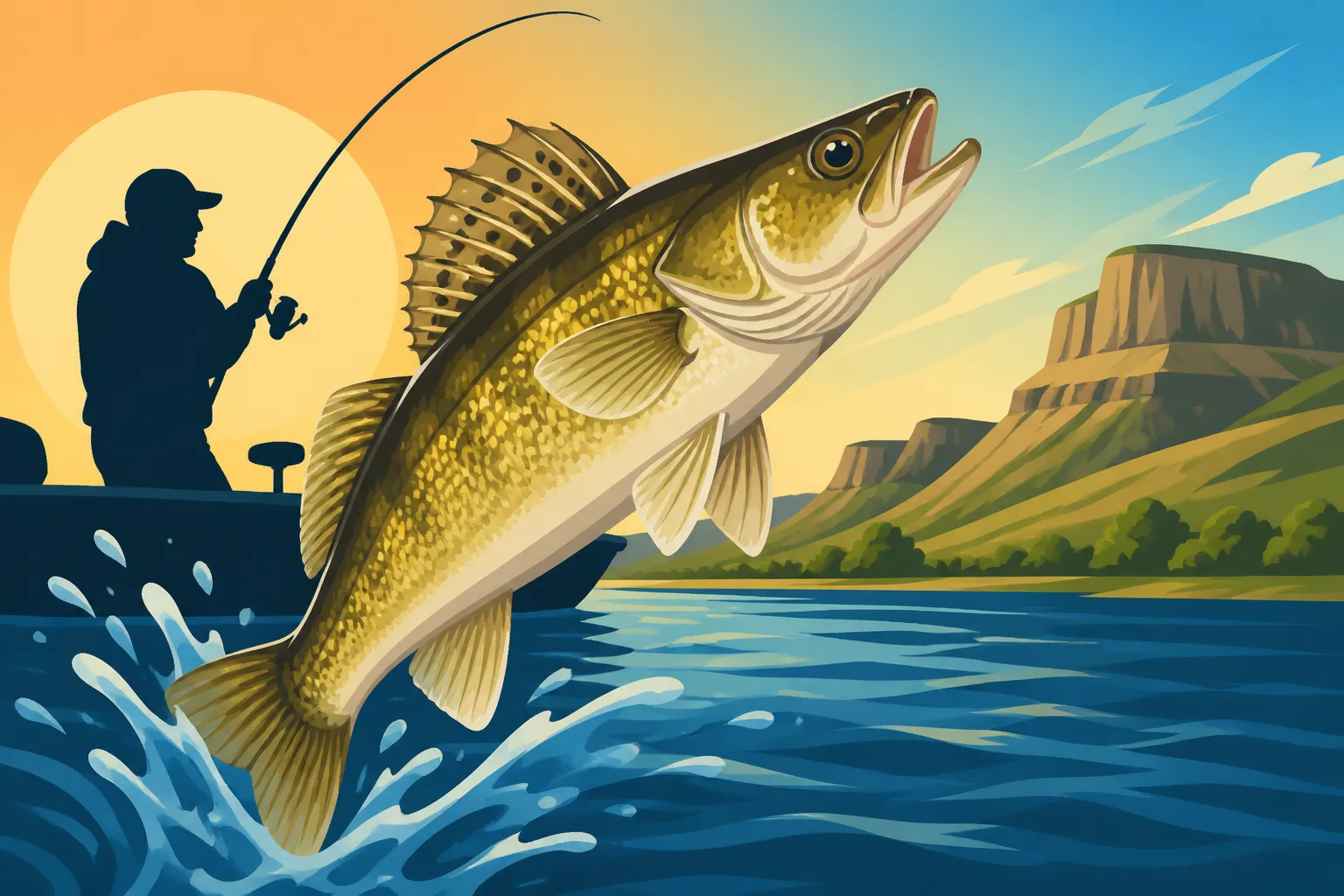
This is where many anglers stumble, and it's completely understandable! Sauger and walleye belong to the same genus, Sander, and share many physical similarities. However, there are distinct characteristics that, once you know them, make identification straightforward. The most reliable visual cue for sauger is the presence of distinct, dark, oblong spots on their dorsal fin. Walleye, on the other hand, typically have a more uniformly colored dorsal fin, sometimes with a single large blotch at the back, but rarely the scattered spots seen on a sauger.
Another key difference lies in their coloration and scale patterns. Sauger generally have a more mottled, brassy or brownish-green coloration with distinct dark blotches or saddle markings along their sides, which helps them camouflage in the turbid waters they prefer. Walleye tend to be more olive-green or golden-brown with faint, vertical bars or no distinct markings. When you run your hand along a sauger's cheek, you'll often notice it feels rough due to more prominent scales, whereas a walleye's cheek tends to feel smoother. Finally, look at the lower lobe of the tail fin; a walleye will almost always have a distinct white tip on its lower tail fin, a feature largely absent on sauger. Familiarizing yourself with these details is vital, especially since daily limits and size restrictions can differ between species. You can find more details on Sauger Identification vs Walleye to help you in the field.
| Feature | Sauger | Walleye |
|---|---|---|
| Dorsal Fin | Distinct, dark, oblong spots | Mostly uniform, sometimes a single dark blotch |
| Body Coloration | Mottled, brassy/brownish-green with blotches | Olive-green/golden-brown, faint bars or no marks |
| Cheek Scales | Rough to the touch (more prominent scales) | Smooth to the touch |
| Tail Fin (Lower Lobe) | Lacks a distinct white tip | Distinct white tip |
| Preferred Habitat | Deeper, turbid water, strong current | Clearer water, diverse structure, less current |
| Average Size | Generally smaller, up to 18-24 inches | Can grow much larger, often over 20-30 inches |
Prime Sauger Locations: Where to Find North Dakota's Current Dwellers
Sauger have a clear preference for certain environments within North Dakota's vast waterways. Unlike some fish that thrive in a wide variety of habitats, sauger are quite specific, favoring areas with a noticeable current and often deeper, murkier water. Knowing these hotspots is the first step to a successful sauger fishing trip.
Missouri River System
Without a doubt, the Missouri River system is the absolute king of sauger fishing in North Dakota. This includes the main stem of the Missouri River itself, as well as the expansive Lake Sakakawea and Lake Oahe reservoirs. These waters provide the perfect blend of current, depth, and structure that sauger crave. The dynamic nature of the river means there's always new structure being created or uncovered, and sauger are experts at finding these subtle holding spots.
The key to unlocking sauger in these waters lies in understanding current breaks and bottom contours. Look for them in the immediate vicinity of current seams, where faster water meets slower water. This could be behind wing dams, below sheer drops, or along the edges of deep channels. Structure is paramount; sunken logs, rock piles, ledges, and even subtle changes in bottom composition can all hold sauger. The turbidity of the Missouri River system also provides them with a sense of security, allowing them to ambush prey more effectively. Anglers often find success near major inflows and outflows, where baitfish are concentrated and the current creates ideal feeding lanes. If you're looking for prime areas, the stretch below the Garrison Dam is particularly renowned for its sauger population due to the constant current and rich forage. For a deeper dive into fishing this famous waterway, check out our Missouri River Fishing Guide. Also, explore Sauger Habitat Below Garrison Dam for more localized tips.
Other North Dakota Waters
While the Missouri River system is the primary stronghold, sauger can occasionally be found in other North Dakota waters, though typically in lesser numbers and often as a bycatch. These might include larger tributaries that feed into the Missouri, or perhaps some of the larger prairie lakes that have a good mix of depth and turbidity. However, if your primary target is sauger, setting your sights on the Missouri River and its associated reservoirs will give you the highest chance of success.
In these secondary locations, apply the same principles you would on the Missouri River: seek out areas with current, deeper water, and distinct bottom structure. River bends, bridge pilings, and the mouths of creeks can be promising. It’s less about specific named lakes and more about identifying those specific habitat characteristics. While you might encounter a sauger or two in places like the Red River or other smaller river systems, they are generally less abundant and often overshadowed by other species like walleye or channel catfish. Always double-check local regulations for any specific body of water you plan to fish, as rules can vary.
Seasonal Strategies: Timing Your Sauger Pursuit
Just like any fish, sauger behavior is heavily influenced by the seasons. Understanding their movements and feeding patterns throughout the year is crucial for consistently putting them in the boat or on the ice. While they can be caught year-round, certain seasons offer peak opportunities for sauger anglers in North Dakota.
Fall and Winter: Pre-Spawn and Ice Fishing Dominance
Fall is an incredible time for sauger fishing. As water temperatures begin to drop, sauger become incredibly active, feeding aggressively to build up reserves for the upcoming winter and their spring spawn. This pre-spawn bite can be ferocious, particularly in the deeper, current-laden sections of the Missouri River and its reservoirs. They will often congregate in larger schools, making it possible to catch multiple fish once you locate them. This is a time when vertical jigging and slowly dragging bottom bouncers with live bait can be exceptionally productive. They're often found along main river channels, sharp breaks, and around submerged points or humps where they can intercept baitfish moving into deeper water.
Once winter fully sets in and the ice thickens, sauger fishing really shines, especially on large frozen reservoirs like Lake Sakakawea and Lake Oahe, particularly in areas with some underlying current. Ice fishing for sauger is a unique and rewarding experience. They will often hold near deeper structure, using the subtle current to their advantage. Vertical jigging with spoons, lipless crankbaits, or small jigs tipped with a minnow head or wax worm can be deadly. Portable fish finders or flashers, readily available on platforms like Amazon, become invaluable tools for identifying bottom structure and the exact depth where sauger are holding. During mid-winter, sauger might move slightly deeper than walleye, but they'll still be associated with current breaks and channel edges. They are truly one of North Dakota's best ice fishing targets. For safety and specific rules, be sure to review North Dakota Ice Fishing Rules.
Spring and Summer: Post-Spawn and Deeper Water Tactics
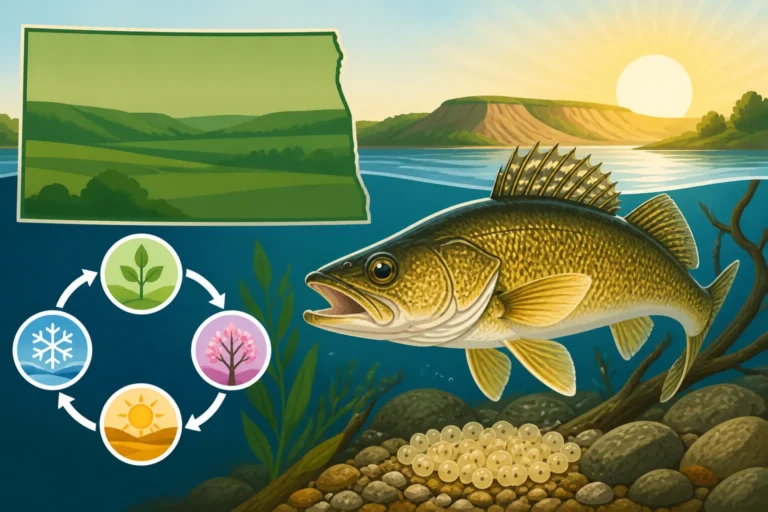
As spring arrives and the ice begins to recede, sauger, like walleye, will begin their spawning rituals. Post-spawn, they'll often be found in slightly shallower areas initially as they recover and feed actively before retreating to deeper haunts as water temperatures rise. Early spring can still offer a good bite, especially during the "ice-out" period, where they might be staging near river mouths or along major channels. However, be mindful of spawning periods, as some areas may have specific restrictions or seasons to protect the fish during this vulnerable time.
During the warmer summer months, sauger typically move to deeper, cooler water, often preferring areas with shade and current. This is when deep-water trolling techniques become very effective. You'll find them holding tight to the bottom in major river channels, deep holes, or around deep structural elements where they can escape the bright sun and warmer surface temperatures. Using crankbaits that dive to significant depths or heavy bottom bouncers with spinner rigs or live bait can be very productive. They'll still be associated with current, so look for those deep current seams and breaks. Night fishing can also be surprisingly effective for sauger in summer, as they'll move a bit shallower under the cover of darkness to feed. The key is to keep your bait close to the bottom and target those deeper, current-influenced areas.
Effective Sauger Fishing Techniques
Catching sauger consistently requires understanding their preferences and adapting your techniques to their habitat. They are predominantly bottom-oriented fish that favor current, so presentations that get down quickly and stay in the strike zone are key.
Jigging and Live Bait Rigs
Vertical jigging is arguably the most effective way to catch sauger, especially in situations with current or when fishing through the ice. The direct, vertical presentation allows you to maintain precise control over your lure and keep it directly in the fish's strike zone, which is often right on the bottom. Heavy jigs, usually between 1/4 to 1 ounce depending on current and depth, tipped with a live minnow, plastic grub, or even just a minnow head, are deadly. The retrieve should be subtle: a lift-and-drop motion, perhaps a slow drag, always maintaining contact with the bottom. When you feel that subtle "tick" or added weight, set the hook! The rod you use for this technique should be sensitive enough to detect those light bites, yet stout enough to handle a feisty fish in current. Many anglers find great deals on high-quality, sensitive jigging rods perfect for this application on Amazon.
Live bait rigs are also incredibly productive for sauger, especially when slowly drifted or dragged along the bottom. A classic Lindy Rig or a simple slip-sinker rig with a lively minnow, leech, or nightcrawler is hard to beat. The key here is to allow the bait to tumble naturally with the current, mimicking an injured or disoriented forage fish. Use just enough weight to maintain bottom contact without snagging excessively. A longer, medium-light to medium power spinning rod is often preferred for these rigs, allowing for longer casts and better line control in current. Fishing these rigs involves a lot of feel; you'll often feel subtle taps as a sauger mouths the bait before it commits. Give them a moment, then reel down and set the hook with a sweeping motion. This method is particularly effective when sauger are spread out along river channels or large flats. Best Live Bait for North Dakota Walleye can also apply to sauger in many situations.
Trolling: Crankbaits and Bottom Bouncers
When sauger are more scattered or holding over larger, flatter expanses of river bottom, trolling becomes an extremely efficient search method. Crankbaits are a fantastic choice, especially those designed to dive deep and "hunt" with an erratic action. Choose colors that mimic local forage, or opt for bright, contrasting patterns in turbid water. The goal is to get your crankbait ticking or occasionally bumping the bottom, as this often triggers strikes from curious or territorial sauger. Varying your trolling speed and experimenting with different lures is crucial until you find what the fish are responding to. A good depth finder, like those found on Amazon, can help immensely in identifying the correct depth and bottom structure for effective trolling.
Bottom bouncers combined with spinner rigs or stick baits are another trolling staple for sauger. This setup is particularly effective for presenting live bait or soft plastics right in the strike zone near the bottom, even in significant current. The bottom bouncer acts as an effective weight that minimizes snagging while keeping your bait in the dirt. Tipping your spinner rig with a plastic minnow, a half nightcrawler, or a live minnow can be incredibly effective. Adjust the weight of your bottom bouncer to match the depth and current; you want it just occasionally tapping the bottom without dragging heavily. Trolling these rigs slowly along current breaks, channel edges, and submerged humps is a highly reliable way to find active sauger. It's a method that covers a lot of water and lets you dial in on those productive zones.
Essential Gear for Sauger Anglers
Having the right equipment can make all the difference in your sauger fishing success. While you don't need a massive tackle shop, a few key items will ensure you're well-prepared for these current-loving fish.
Rods, Reels, and Line
For sauger fishing, especially with vertical presentations and live bait, sensitivity is paramount. A good rod will allow you to feel those subtle bites that sauger often deliver, especially in current. A 6'6" to 7' medium-light to medium power spinning rod with a fast or extra-fast action is often ideal. This combination offers enough backbone to fight fish in current while still providing the sensitivity needed for jigging. For heavier trolling applications or when using larger bottom bouncers, a longer, medium-heavy action casting rod might be preferred to handle the increased weight and give you more leverage.
Pair your rod with a reliable spinning reel in a 2000-3000 series size for most sauger applications. Look for a smooth drag system and a comfortable retrieve. For casting setups, a baitcasting reel with a good braking system for controlled casts is excellent. As for line, many anglers prefer a low-stretch braided line for their main line, typically 8-15 lb test, because it offers incredible sensitivity and strength, crucial for feeling those faint bites and battling fish in current. You can then tie on a fluorocarbon leader, usually 6-10 lb test, which is virtually invisible underwater and abrasion-resistant. Monofilament can also work, particularly for trolling crankbaits where its stretch can be an advantage. Make sure to check out our Best Fishing Rods for North Dakota Anglers guide for more recommendations that apply well to sauger.
Lures and Bait
When it comes to lures for sauger, vertical jigs are a must-have. Think about small, heavy jigs like bucktail jigs, blade baits, or lead-head jigs tipped with soft plastics (grubs, paddle tails) or live bait. Popular jig colors include chartreuse, orange, white, and various natural patterns like brown or black, especially in stained water. Spoons designed for vertical jigging, such as Northland Fishing Tackle's Buck-Shot Rattle Spoon or Johnson Thumper Jigs, are also very effective, especially through the ice. When buying lures, remember that many anglers stock up on their favorites and experiment with new options by browsing the vast selection on Amazon.
For trolling, deep-diving crankbaits are essential. Look for models that can reach depths of 15-30 feet or more, depending on where the sauger are holding. Brands like Berkley, Rapala, and Strike King offer a wide array of options. Colors mimicking perch, shad, or minnows are always a good starting point, but don't shy away from brighter colors on cloudy days or in murky water. Bottom bouncers with spinner rigs (like a snell rig with beads and a clevis for a rotating blade) are also indispensable, especially when tipped with live minnows or nightcrawlers. Speaking of live bait, minnows (shiners, fatheads, chub), nightcrawlers, and leeches are often irresistible to sauger and are almost always a good bet to have on hand. For general bait advice, take a look at our Best Bait for North Dakota Fishing article. Don't forget to have a selection of leaders and swivels to prevent line twist and lost lures.
Regulations and Conservation for Sauger Anglers
Fishing in North Dakota, while a fantastic pastime, comes with responsibilities. Understanding and adhering to the state's fishing regulations is not just about avoiding fines; it's about contributing to the health and sustainability of our precious fisheries. Sauger, being a popular game fish, have specific rules you need to know.
Size and Daily Limits
North Dakota implements specific regulations for sauger, which are often grouped with walleye under "walleye/sauger" daily limits, but sometimes there can be nuances. It's absolutely critical to consult the most current North Dakota Fishing Guide or Proclamation issued by the North Dakota Game and Fish Department before you head out. These guides will provide the exact daily creel limits (how many fish you can keep in a day) and possession limits (how many you can have in your possession, including at home). They will also detail any size restrictions, such as minimum length limits or slot limits, which might require you to release fish within a certain size range.
For instance, there might be a combined limit for walleye and sauger, meaning you can't exceed that total number regardless of species. Sometimes, certain bodies of water, like specific stretches of the Missouri River or particular bays on Lake Sakakawea, might have special regulations that differ from the statewide rules. This could be due to specific management goals for that fishery. Always verify these details. Fishing without a license or exceeding limits can result in significant penalties. Make sure your North Dakota Fishing License Guide is current and in your possession when fishing.
Responsible Angling Practices
Beyond legal limits, being a responsible angler means practicing good conservation habits. For sauger, this includes proper handling of fish, especially those you intend to release. Sauger are a hardy fish, but like any species, they can be stressed by improper handling. Always use wet hands when handling fish you plan to release to protect their protective slime coat. If a fish is deeply hooked, consider cutting the line rather than trying to remove the hook, especially if it's in the gills or gut, to increase its chances of survival. Using needle-nose pliers or a hook remover can make this process much easier and quicker, minimizing the fish's time out of water.
Consider the impact of your fishing pressure. If you find a hot spot where sauger are schooling tightly, it's often a good practice to move on after you've caught a few, allowing other anglers a chance or reducing stress on that particular school. Adhere to all regulations regarding aquatic nuisance species (ANS) by cleaning, draining, and drying your boat and gear to prevent the spread of invasive species like zebra mussels. These small acts of stewardship ensure that North Dakota's sauger fisheries remain healthy and vibrant for future generations of anglers. Teaching these practices to new anglers, especially kids, is vital for long-term conservation.
Preparing and Enjoying Your Sauger Catch
So, you've had a fantastic day on the water and brought home some beautiful North Dakota sauger. Now comes one of the most rewarding parts: preparing them for the dinner table. Sauger are renowned for their delicious, flaky white meat, and with a few simple steps, you can turn your catch into an unforgettable meal.
Filleting Tips for Sauger
Filleting a sauger is very similar to filleting a walleye, but sauger are often a bit smaller, which can sometimes make the process a little trickier for beginners. However, with a sharp fillet knife and a steady hand, you'll get the hang of it quickly. Start by laying the fish on its side. Make a cut behind the pectoral fin, down to the backbone. Then, turn your knife parallel to the backbone and slice along it all the way to the tail. Once you've separated the fillet from the backbone, you can carefully skin it by placing the fillet skin-side down, holding the tail end, and sliding your knife between the skin and the meat.
One common practice with sauger is to remove the "rib cage" section, which might contain a few small Y-bones, by making a V-cut on either side of the rib area. Some anglers prefer to simply cut out the small rib section after the fillet is off the fish. Due to their smaller size compared to many walleye, maximizing meat yield is important, so practice makes perfect. A good, sharp fillet knife is crucial here; you can find a wide array of high-quality fillet knives on Amazon, including electric options that can make the job even easier and faster for multiple fish. Always rinse your fillets in cold water after cleaning and pat them dry before cooking or freezing.
Simple and Delicious Recipe Ideas
Sauger's mild, sweet flavor makes it incredibly versatile in the kitchen. You don't need complicated recipes to highlight its natural goodness. One of the most classic and beloved ways to prepare sauger is simply pan-fried. Dredge the fillets in a mixture of seasoned flour, cornmeal, or breadcrumbs (perhaps with a touch of Old Bay seasoning), then fry in butter or oil until golden brown and flaky. Serve with a squeeze of fresh lemon, some tartar sauce, and a side of wild rice or roasted potatoes, and you've got a meal that rivals any restaurant.
Beyond pan-frying, consider baking or broiling sauger fillets. A light brushing of olive oil, a sprinkle of salt, pepper, and fresh dill or parsley, then baked until just opaque, creates a healthy and flavorful dish. You can also make fantastic fish tacos with sauger. Flake the cooked fish into soft tortillas, add some crisp cabbage slaw, a squeeze of lime, and a creamy sauce for a fresh, zesty meal. Smoked sauger is another excellent option, offering a deeper, richer flavor that's perfect for appetizers or as a main course. No matter how you prepare it, sauger is a true culinary delight from the waters of North Dakota. For even more cooking tips and how to clean fish properly, look up Is Sauger Good to Eat? for further information.
Advanced Sauger Tactics for the Dedicated Angler
Once you've mastered the basics, there's always more to learn and refine when it comes to sauger fishing. These advanced tactics often involve a deeper understanding of fish behavior, environmental factors, and precise presentations.
Interpreting Electronics and Structure
Modern fish finders and sonar units are incredibly powerful tools for locating sauger, especially in large, complex systems like the Missouri River. Don't just look for "fish arches;" learn to interpret the bottom composition and structure. Sauger often cling tightly to the bottom, so look for irregular bottom contours, isolated rock piles, and submerged timber. Side imaging and down imaging technologies can be particularly effective for identifying these subtle features off to the sides of your boat or directly below. You can also use your electronics to spot schools of baitfish, as sauger will often be found in close proximity, waiting for an ambush opportunity.
Pay attention to how your jig or lure appears on your screen. You should be able to see it descending, hitting the bottom, and then your jigging action. This visual feedback allows you to refine your presentation, keeping your bait precisely where the fish are holding. Understanding how current affects your boat's drift and your lure's presentation is also key. Advanced anglers use their trolling motor, even in a non-trolling scenario, to precisely control their drift over a piece of structure, ensuring their bait stays in the optimal strike zone for longer. Invest in a quality fish finder, and spend time learning its features, as this will dramatically increase your efficiency on the water. Many anglers start their search for a reliable fish finder on Amazon, where you can compare models and read user reviews.
Fishing During Challenging Conditions
North Dakota weather can be unpredictable, and learning to fish effectively during challenging conditions—be it strong winds, rapidly changing barometric pressure, or extreme cold—will set you apart. Sauger, being somewhat tolerant of turbid water, can sometimes remain active during periods when walleye might shut down.
In windy conditions, focus on maintaining boat control to keep your lure in the strike zone. Using a heavier jig or bottom bouncer, or deploying a drift sock, can help slow your drift and keep your presentation vertical. Position your boat upwind of your target structure and drift over it, allowing your lure to present naturally. During cold fronts, fish often become less active and may move deeper or tighter to structure. Slow down your retrieve, use smaller, more subtle presentations, and concentrate on areas with current breaks where fish can conserve energy. Ice fishing in extreme cold requires specific gear, including insulated shelters and proper layering, to stay safe and comfortable. But sauger can still bite well in very cold water, so don't let the weather entirely deter you; just adapt your tactics and gear accordingly.
The Future of Sauger Fishing in North Dakota
North Dakota's sauger fishery is a dynamic and valuable resource, and like all fisheries, it benefits from ongoing management and careful stewardship. The health of the sauger population is closely monitored by the North Dakota Game and Fish Department, ensuring that fishing opportunities remain robust for generations to come.
Stocking and Management Efforts
The North Dakota Game and Fish Department actively manages the state's sauger populations, particularly in the Missouri River system. While sauger do reproduce naturally in suitable habitats, stocking efforts may occasionally supplement wild populations or help establish fisheries in new areas. These management strategies often involve comprehensive surveys to assess population numbers, growth rates, and age structures, which then inform decisions about regulations and stocking schedules. This proactive approach helps balance fishing pressure with the species' ability to thrive.
Beyond direct stocking, habitat protection and water quality initiatives play a crucial role in supporting sauger. Maintaining healthy river systems, managing water levels, and controlling pollution all contribute to a robust environment where sauger can spawn, grow, and provide excellent fishing opportunities. The health of the entire ecosystem, from the smallest baitfish to the largest predators, impacts the sauger fishery. Anglers play a critical role in supporting these efforts through license purchases and adherence to regulations.
Participating in Conservation
As an angler, you have a direct impact on the future of sauger fishing. Beyond simply following the rules, actively participating in conservation efforts is a powerful way to give back to the resource. This can include reporting illegal fishing activities, volunteering for habitat improvement projects, or supporting organizations dedicated to aquatic conservation. Educating other anglers, especially newer ones, about proper fish identification, handling techniques, and the importance of regulations is also vital.
By being mindful of your catch and release practices, respecting size and daily limits, and doing your part to prevent the spread of aquatic nuisance species, you directly contribute to the long-term health of North Dakota's sauger populations. The enjoyment we derive from fishing today is a direct result of past conservation efforts, and our actions now will determine the quality of fishing for those who follow. The sauger is a unique and valuable part of North Dakota's angling landscape, offering a thrilling challenge and a delicious reward. Let's work together to ensure it continues to do so.
Disclaimer
This article is for general informational purposes only and does not constitute professional advice. Laws, prices and regulations vary by location and change over time. Consult a qualified professional for guidance on your specific situation.