North Dakota Crappie Fishing Guide
Many anglers in North Dakota, perhaps you included, have felt the sting of a slow day on the water, especially when chasing panfish like crappie that seem to vanish right when you thought you had them figured out. It's frustrating to know these delicious fish are out there, but not know where to find them or how to entice a bite. This comprehensive guide is designed to cut through that confusion, offering proven strategies and insights to help you consistently locate and catch crappie across North Dakota's diverse waters, turning those frustrating days into memorable ones.
Understanding Crappie in North Dakota
Crappie are a beloved panfish species throughout North Dakota, cherished for their delicious white meat and their often feisty fight, especially on light tackle. However, many anglers get confused between the two main types found here, and understanding their preferences is key to a successful outing. Knowing what makes a crappie tick, from its appearance to its preferred hangouts, is the first step toward filling your livewell.
Black Crappie vs. White Crappie Identification
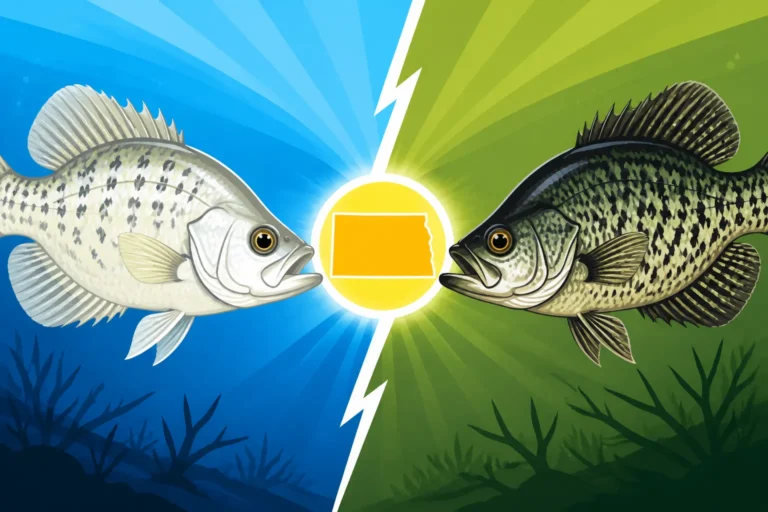
It's a common scenario: you pull in a beautiful crappie, and you're not quite sure if it's a black or white. While both are fantastic sport fish, there are some subtle differences that can help you distinguish them and, more importantly, understand where you might find more of them. Black crappie, as their name suggests, tend to have more pronounced dark speckles and blotches scattered across their silvery bodies, often appearing almost like a "peppered" look. Their bodies are typically deeper and more compressed, giving them a rounder profile. One of the most reliable tell-tale signs is their dorsal fin: black crappie usually have 7 or 8 dorsal spines.
White crappie, on the other hand, generally have a more elongated, silvery body, and their dark markings often form distinct vertical bars on their sides, though these can sometimes be faint. They tend to be a bit more slender than their black crappie cousins. When you count the dorsal spines on a white crappie, you'll typically find 5 or 6, which is a key differentiator from the black crappie. Understanding these visual cues isn't just for showing off; it can help you infer water clarity and habitat preferences, as we'll discuss next.
Crappie Habitat in North Dakota
Both black and white crappie thrive in North Dakota's diverse aquatic environments, but they do have distinct preferences. Black crappie are often found in clearer, cooler waters with abundant aquatic vegetation or submerged timber. Think of lakes with good weed lines, brush piles, or flooded timber – these are prime black crappie havens. They love structure where they can ambush baitfish, seeking cover from predators and strong sunlight. Because they often prefer clearer water, they tend to be more light-sensitive and may move into deeper cover during bright, sunny days.
White crappie, while also appreciating structure, are generally more tolerant of turbid or murky water conditions, making them more common in silty rivers or shallower, stained lakes. You'll often find them congregating around open water structures like bridge pilings, submerged roadbeds, or even along the edges of drop-offs in larger reservoirs. Their adaptability to varying water conditions means you might find them in a wider range of locations, from calm bays to areas with a bit more current. Knowing these general preferences can help you narrow down your search when you're on a new body of water or trying to figure out where the fish have moved.
North Dakota Crappie State Record
Every angler dreams of catching a state record, and North Dakota has produced some truly impressive crappie over the years. While specific sizes and weights can fluctuate and records are always subject to change, the sheer size of some of the crappie pulled from North Dakota waters is a testament to the health and richness of our fisheries. These trophy fish often come from established lakes with stable food sources and ample cover, allowing them to grow to remarkable dimensions.
Chasing a state record isn't just about luck; it often involves understanding the specific lake dynamics, seasonal patterns, and using the right heavy-duty gear to handle a true giant. Anglers who target these behemoths typically focus on mature populations in certain lakes, employing specialized techniques and baits to appeal to larger, more experienced fish. Even if you're not aiming for the record books, knowing that such substantial crappie exist in our waters adds an exciting element to every cast. You never know when that next bite could be a true wall-hanger.
Best Crappie Fishing Lakes and Rivers
North Dakota offers a fantastic array of fishing opportunities for crappie, from sprawling reservoirs to intimate prairie lakes. Knowing which waters consistently produce good numbers and trophy-sized fish can save you valuable time and lead to more successful outings. Each body of water has its own personality, influencing where and how crappie thrive.
Top Crappie Lakes for Numbers
If your goal is to catch a pile of crappie for a fish fry, some lakes in North Dakota are practically renowned for their abundance. These are the places where you can often find large schools of hungry crappie, eager to bite. Think of lakes like Lake Ashtabula, for example. It's a long, winding reservoir that often holds a robust population of crappie, particularly in its many bays and along its vast shoreline structure. Anglers frequently report finding large schools here, especially around submerged trees and brush piles.
Another excellent choice for numbers is often parts of the James River system, particularly the reservoirs created by dams along its course. These waters tend to have good fertility and a strong forage base, which crappie absolutely love. Areas with a mix of shallow and deep water, especially where old creek channels or timber are present, can be crappie magnets. The key in these high-volume lakes is often mobility and using your electronics to pinpoint those large schools that are actively feeding. You might even find yourself in the midst of a crappie frenzy, where every cast yields a bite.
Lakes for Trophy Crappie
While catching a lot of crappie is fun, some anglers are after that true behemoth, the kind that makes your fishing buddies' jaws drop. For trophy crappie, you often need to look at waters that have a combination of excellent forage, stable populations, and older, larger fish. These aren't always the lakes where you'll catch hundreds, but the ones you do catch can be truly memorable. One such lake that often gets mentioned for its potential for larger crappie is Jamestown Reservoir. It’s known for producing some seriously chunky crappie, especially if you can locate their preferred deepwater structure.
Another contender for trophy potential can be larger, deeper reservoirs where crappie have access to diverse habitats and plenty of food to grow. These larger fish often behave differently than their smaller counterparts, preferring deeper water, larger baits, and more isolated cover. It's not uncommon to find them suspended over old creek beds or lurking around submerged islands and points in these trophy waters. Patience and persistence, coupled with a willingness to try different depths and presentations, are often rewarded with a true North Dakota slab crappie in these selective waters.
Crappie Fishing in Rivers and Smaller Waters
North Dakota's rivers and smaller water bodies often get overlooked by crappie anglers who focus on the big lakes, but they can offer fantastic, less-pressured opportunities. The smaller tributaries and oxbows connected to larger river systems, or even some of the deeper coulee lakes, can hold surprisingly healthy crappie populations. These spots might not be as well-known, which can mean less competition and a more peaceful fishing experience.
When fishing rivers for crappie, look for slack water areas, eddies, and backwaters where the current is minimized. Crappie don't like fighting strong currents, so they'll seek refuge behind logjams, bridge pilings, or in quiet coves. On smaller prairie lakes, focus on areas with visible structure like cattail edges, reeds, or small brush piles. Often, these smaller waters can warm up faster in the spring or provide excellent ice fishing opportunities in winter, making them productive choices for specific seasons. Don't be afraid to explore these hidden gems; you might just discover your new favorite crappie honey hole.
Essential Crappie Fishing Techniques
Crappie can be both abundant and elusive, sometimes requiring a specific approach to get them to bite. Mastering a few key techniques will significantly boost your success rate, whether you're chasing them in open water or through a hole in the ice. From subtle jigging to aggressive trolling, having a diverse toolkit of methods will make you a more versatile and effective crappie angler.
Jigging and Bobber Fishing for Crappie
This is arguably the most classic and effective way to catch crappie, especially when they are concentrated around specific cover or structure. Jigging involves using a small jig (often tipped with a minnow, plastic grub, or tube) and presenting it vertically in the water column. The motion of lifting and dropping the jig mimics a wounded baitfish, irresistible to hungry crappie. This technique is deadly when you've pinpointed a brush pile or a school of fish on your electronics. The key is to find the depth where the crappie are holding and present your jig right in front of them. Light tackle, with sensitive rods, allows you to feel even the most subtle taps.
Bobber fishing, particularly with a slip bobber, complements jigging beautifully, especially for shy or suspended crappie. A slip bobber allows you to set your bait to any desired depth, letting it hang enticingly in the crappie's strike zone. Pair it with a small jig or a plain hook tipped with a live minnow, and you have a presentation that's often irresistible. The visual cue of the bobber dipping is also fantastic for anglers of all ages. This method is particularly effective when crappie are suspended in open water or hugging the edges of weed lines where a slow, natural presentation is preferred. You can find a wide variety of jigs and bobbers on Amazon to suit any condition.
Spider Rigging and Trolling Strategies
When crappie are scattered over a flat or moving along a breakline, or if you simply want to cover a lot of water efficiently, spider rigging and trolling come into their own. Spider rigging involves running multiple rods (often 4-8) out the front or sides of your boat, each with a different bait or jig setup, often at varying depths. This allows you to present a "spiderweb" of baits, increasing your chances of finding where the crappie are holding and what they're biting on. It's especially effective in spring and fall when crappie might be spread out in shallower water. You slowly move through likely areas, letting your baits do the work.
Trolling for crappie, particularly with small crankbaits or jig-and-minnow rigs, is another excellent way to cover water, especially in larger reservoirs like Lake Sakakawea. Instead of just drifting, you use your trolling motor to maintain a specific speed and direction, pulling your baits through productive areas such as submerged channels, points, or humps. Adjusting your speed and bait depth is crucial here. Sometimes a slight change in speed can make all the difference, triggering those hesitant crappie to strike. This technique is fantastic for finding schools of crappie that might be suspended in open water or relating to subtle underwater contours that aren't easily fished with stationary methods.
Ice Fishing Techniques for Crappie
When North Dakota's lakes freeze over, the crappie bite can be phenomenal, offering some of the most exciting hardwater action. Ice fishing for crappie requires a slightly different approach, focusing on smaller presentations and precise depth control. Using small jigs, often tipped with a wax worm, minnow head, or a tiny plastic tail, is the go-to method. Aggressive jigging can attract attention, but often a subtle quiver or a dead-stick presentation is what triggers the bite from cold-water crappie. How to Ice Fish in North Dakota provides more general tips, but for crappie specifically, finesse is key.
Locating crappie through the ice often involves using a flasher or fish finder to identify schools and their depth. Drill a series of holes in promising areas – around submerged timber, points, or along deep breaks – and move until you find active fish. Once you find them, you'll often encounter a tight school, and the action can be fast and furious. Pay close attention to the depth at which the crappie are suspending, as they can be very particular. Sometimes they'll be right on the bottom, other times 5-10 feet off, or even higher in the water column. Small, ultra-light ice fishing rods with sensitive tips are essential for detecting those light crappie bites. Many anglers also use portable shelters to stay warm and comfortable during long sessions on the ice, making the experience much more enjoyable.
Optimal Times and Seasons for Crappie
Crappie fishing in North Dakota is a year-round affair, with each season offering unique opportunities and challenges. Understanding the seasonal movements and feeding patterns of crappie is paramount to consistent success. From the bustling spring spawn to the quiet solitude of winter ice fishing, knowing when and where to find these panfish will elevate your angling game.
Spring Crappie Spawning Run
Spring is arguably the most anticipated season for crappie anglers in North Dakota. As the ice melts and water temperatures begin to climb, crappie move into the shallower, warmer waters to spawn. This is when they become highly concentrated and often quite aggressive, offering some of the best opportunities for high-volume catches. The exact timing varies depending on the year and the specific body of water, but generally, when water temperatures reach the upper 40s to low 60s Fahrenheit, crappie will start their migration to the spawning grounds.
Look for them in shallow bays, coves, and protected areas with emergent vegetation, submerged brush, or even sandy bottoms. They'll often be found in water as shallow as 2-5 feet. Small jigs, minnows under a bobber, or even tiny crankbaits cast close to cover can be incredibly effective. This is an exciting time because the fish are actively feeding and protecting their nests, making them less finicky. However, it's also a crucial time for conservation; catch-and-release is always a good practice, especially during the spawn, to ensure healthy populations for future generations. Check the North Dakota Fishing Season Calendar for general timing.
Summer Deepwater Crappie Tactics
Once the spawn is over and water temperatures really heat up, crappie tend to move away from the shallow spawning areas and seek out deeper, cooler water. This can be a challenging time for some anglers, as the fish become more scattered and harder to locate. However, with the right tactics, summer can produce some excellent crappie fishing. Look for them suspended over deepwater humps, points, and old creek channels, or relating to significant submerged structure like bridge pilings, man-made brush piles, or flooded timber in deeper sections of lakes and reservoirs.
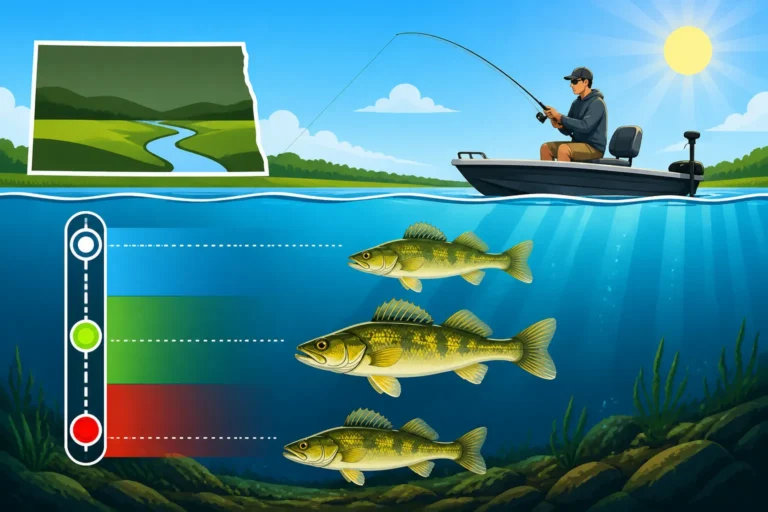
During summer, crappie often hold at specific thermoclines or depths where the water temperature and oxygen levels are ideal. Using a good fish finder is essential for locating these schools and understanding their preferred depth. Vertical jigging with plastics or minnows, spider rigging with multiple lines, or slow trolling small crankbaits are all effective strategies. Often, the bite will be best during low-light conditions, such as early morning, late evening, or even at night, especially for larger crappie. Don't be afraid to experiment with different depths and colors until you find what triggers a bite on a particular day.
Fall Crappie Feeding Frenzy
As autumn arrives and water temperatures begin to cool, crappie enter a period of aggressive feeding in preparation for winter. This "fall feeding frenzy" can offer some of the most consistent and exciting crappie fishing of the year. The fish start to move shallower again, chasing baitfish that are also schooling up, but they don't typically go as shallow as they do during the spring spawn. Look for them along the edges of weed lines that are starting to die back, around main lake points, and near baitfish concentrations.
During the fall, crappie often school tightly, making them easier to locate once you find the pattern. Trolling small crankbaits or jigging with minnows and soft plastics can be very productive. As the water continues to cool, they will eventually transition to deeper wintering holes, but in early to mid-fall, they are usually quite active and willing to chase down a meal. This is a fantastic time to stock up your freezer for the winter, as the fish are typically plump and healthy. Pay attention to changes in baitfish patterns, as crappie will almost always be close to their food source.
Winter Crappie Through the Ice
North Dakota's long winters bring fantastic ice fishing opportunities, and crappie are a prime target for many hardwater enthusiasts. Once safe ice forms, crappie typically retreat to their deeper wintering holes, often in conjunction with baitfish. These locations can include deep basins, the deepest parts of old creek channels, or around significant submerged structures that offer shelter and a stable environment. North Dakota Ice Fishing Rules are important to review before heading out.
Finding crappie under the ice often requires patience and good electronics. Drill a series of holes over likely deepwater structures and use a flasher or fish finder to scan for schools of suspended fish. Once located, presentation is key. Very small jigs, often tipped with a single wax worm, euro larvae, or a small plastic tail, are deadly. A subtle quiver or a "dead stick" technique (leaving a second rod perfectly still) can often entice bites from finicky winter crappie. The bite can be light, so a sensitive rod and good focus are essential. Crappie often respond well to glow-in-the-dark jigs in deeper or darker conditions. Staying mobile and drilling new holes until you find an active school is often the most effective strategy.
Choosing the Right Crappie Gear and Tackle
Having the right equipment can make a significant difference in your crappie fishing success. While crappie don't require heavy-duty gear, using specialized rods, reels, and baits designed for their subtle bites and often light tackle approaches will increase your catch rate and overall enjoyment. Don't underestimate the power of finesse when it comes to these panfish.
Rods, Reels, and Line for Crappie
For crappie fishing, light action and ultra-light action rods are the gold standard. A rod in the 5 to 7-foot range with a fast or moderate-fast action will provide the sensitivity needed to detect subtle crappie bites, which can sometimes feel like nothing more than a slight weight on your line. A sensitive tip is crucial for feeling those soft takes, especially when jigging. Many anglers prefer spinning rods and reels for crappie due to their ease of use with light lines and small lures. Look for a small, balanced spinning reel, typically a 1000 or 2000 series, that feels comfortable in your hand and provides smooth drag.
When it comes to fishing line, light is right for crappie. Monofilament or fluorocarbon lines in the 2-6 pound test range are ideal. Monofilament offers good knot strength and stretch, which can be forgiving with aggressive crappie. Fluorocarbon provides excellent sensitivity and is nearly invisible underwater, which can be a huge advantage in clear waters. Braided line in the 5-10 pound test range can also be used, especially if you're fishing around heavy cover, but it's often best paired with a fluorocarbon leader to maintain stealth. The low stretch of braid gives you incredible feel, but it can sometimes pull hooks out of a crappie's soft mouth if you set the hook too hard. Best Fishing Rods for North Dakota Anglers covers general rod selection, but for crappie, always lean towards lighter gear.
Best Baits and Lures for Crappie
Crappie are primarily predators of small baitfish and insects, so your bait selection should reflect this. Live bait, especially small minnows (often called crappie minnows), is incredibly effective year-round. A minnow hooked through the lip or back and suspended under a bobber or fished on a small jig head is hard for a crappie to resist. Another excellent live bait option is a small worm or grub, particularly for finicky fish. You can often find suitable live bait at local bait shops across North Dakota.
Artificial lures for crappie come in a vast array of shapes, sizes, and colors. Small soft plastic jigs, such as tube jigs, grub tails, or curly-tail plastics, in sizes from 1/32 to 1/8 ounce, are extremely popular. White, chartreuse, pink, and black are often go-to colors, but experimenting with different combinations can be key. Micro-crankbaits or tiny jerkbaits can also be very effective, especially when trolling or casting for active crappie. For ice fishing, small spoon jigs, tear-drop jigs, or tungsten jigs (which sink faster) are preferred, often tipped with a wax worm or minnow head. The key is to match the hatch and present a bait that closely resembles what crappie are feeding on at that particular time. For a broader look at bait options, check out Best Bait for North Dakota Fishing.
Crappie Fishing Electronics and Accessories
Modern fishing electronics can dramatically improve your crappie fishing success, especially when targeting suspended fish or navigating large bodies of water. A good quality fish finder or sonar unit is invaluable for locating schools of crappie, identifying submerged structure, and determining the depth at which fish are holding. Side-imaging and down-imaging technologies can provide incredibly detailed views of the underwater world, helping you pinpoint brush piles or old creek channels that are crappie magnets. For ice fishing, a flasher unit is almost considered essential for actively watching your jig and fish interact in real time. You can find many reliable fish finders suitable for North Dakota waters on Amazon.
Beyond electronics, a few other accessories can enhance your crappie fishing experience. A quality landing net with a fine mesh is crucial for safely landing crappie, whose delicate mouths can tear easily. Pliers or a hook remover are helpful for safely unhooking fish. A livewell or a good quality cooler with ice is essential for keeping your catch fresh, especially on warmer days. Many anglers also find a long-handled hook setter or "spider rod" holders useful for spider rigging, making it easier to manage multiple lines. Don't forget an Essential Gear Checklist for North Dakota Fishing to ensure you have all your bases covered before heading out.
North Dakota Crappie Regulations and Conservation
As anglers, we all have a responsibility to protect and preserve North Dakota's incredible fishing resources. Understanding and adhering to the specific regulations for crappie, as well as practicing good conservation habits, ensures that future generations can enjoy the same fantastic fishing opportunities we do today. Ignorance of the rules is never an excuse, so it's vital to stay informed.
Crappie Limits and Size Restrictions
North Dakota's fishing regulations are designed to manage fish populations sustainably, and crappie are no exception. Daily limits and possession limits are put in place to prevent overharvest and allow fish populations to remain robust. It's common for crappie limits to be quite generous due to their prolific spawning habits, but these can change based on the health of specific fisheries. Sometimes, certain lakes or areas might have special regulations or reduced limits if a population needs protection or is being managed for trophy potential.
Size restrictions are less common for crappie than for species like walleye or pike, but they can exist in specific managed waters. These length limits are often designed to protect larger, spawning-size fish or to encourage the harvest of smaller, more abundant fish to improve overall population health. Always, always consult the most current North Dakota Fishing Proclamation or the North Dakota Game and Fish Department website before you head out. These resources will provide the exact, up-to-date limits and any special regulations for the waters you plan to fish. You can find general information in the North Dakota Fishing Regulations Explained guide, but always double-check the source documents.
Conservation Practices for Sustainable Crappie Fishing
Beyond just following the rules, practicing thoughtful conservation helps maintain healthy crappie fisheries. Catch and release is a powerful tool, especially for larger breeding crappie. While crappie are delicious, consider releasing the largest females, as they contribute significantly to the reproductive success of the population. When practicing catch and release, handle fish gently with wet hands, minimize their time out of the water, and use appropriate tools like needle-nose pliers for quick hook removal.
Another important practice is to avoid littering and properly dispose of all fishing line, hooks, and trash. Monofilament line, in particular, can be incredibly harmful to wildlife if left in the environment. Be mindful of introducing aquatic nuisance species; always clean, drain, and dry your boat, livewell, and equipment between fishing locations to prevent the spread of invasive plants and animals. Supporting local conservation efforts and buying your North Dakota Fishing License Guide each year contributes directly to funding these vital programs. Our actions today directly impact the quality of fishing tomorrow.
Licensing and General Regulations
Before you even think about casting a line for crappie, you absolutely need to ensure you have a valid North Dakota fishing license. Whether you're a resident or a nonresident, almost everyone needs a license to fish in the state, with only very specific exemptions (like very young children or during designated free fishing days). The rules vary for different age groups and residency statuses, so it's critical to get the correct license for your situation.
In addition to licensing, there are general statewide regulations that apply to all fishing activities. These include rules about the number of lines you can fish with, restrictions on certain types of bait or gear, and rules regarding fishing in state parks or tribal waters. For instance, understanding Fishing Rules on North Dakota Tribal Waters might involve additional permits. Always carry your license with you while fishing, either a physical copy or an electronic version on your phone, as game wardens regularly check. Staying informed and compliant with all regulations protects you from penalties and, more importantly, protects the fish populations we all cherish.
Troubleshooting Common Crappie Fishing Challenges
Even the most experienced anglers encounter tough days on the water. Crappie can be finicky, weather patterns can change quickly, and finding fish in new territory can feel like a guessing game. Learning to troubleshoot these common challenges will make you a more adaptable and ultimately more successful crappie angler in North Dakota.
Dealing with Finicky Crappie
We've all been there: you know crappie are in the area, you see them on your electronics, but they just won't bite. This is a classic sign of finicky crappie, often due to changes in weather, fishing pressure, or subtle shifts in their feeding mood. The first thing to try is to downsize your bait. Sometimes, going from a 1/8 ounce jig to a 1/32 or even 1/64 ounce, paired with a tiny plastic or just a minnow head, can make all the difference. Reduce your line size as well, perhaps dropping from 6-pound test to 4 or even 2-pound fluorocarbon. The lighter, more natural presentation can be key.
Another approach is to change your retrieve or jigging motion. If you've been aggressively jigging, try a more subtle lift-and-drop, or even a dead-stick presentation where you hold the bait perfectly still. Experiment with different colors; sometimes a slight variation, like switching from white to a translucent smoke, can be the ticket. Also, consider the time of day. Finicky crappie might be more willing to bite during low-light conditions, such as dawn, dusk, or even at night. Patience is paramount here, as is a willingness to continually experiment until you crack the code.
Finding Crappie in Unfamiliar Waters
Exploring a new lake or river for crappie can be exciting, but also daunting. Where do you even start? The first step is research. Before you go, look at maps (paper or digital) of the water body. Identify key features like submerged creek channels, points, humps, sharp drop-offs, and areas with potential flooded timber or brush. Look for access points and historical fishing reports if available. Online resources and forums can sometimes provide valuable starting points from other anglers.
Once you're on the water, your boat's electronics become your best friend. Start by idling over promising areas, using your sonar to look for schools of baitfish and, more importantly, schools of crappie or significant structure. Pay attention to changes in depth and bottom composition. If you don't have a boat, focus on public access points, fishing piers, or areas with visible shoreline structure. Don't be afraid to move frequently. Drill a few holes if ice fishing, or cast along a section of shoreline if open water, and if you don't get bites within 15-20 minutes, move to the next promising spot. Covering water efficiently is key to finding crappie in unfamiliar territory.
Adapting to Weather Changes
North Dakota weather can be notoriously unpredictable, and sudden changes can significantly impact crappie behavior. A strong cold front, a sudden drop in barometric pressure, or even a switch in wind direction can shut down a bite instantly. When a cold front rolls in, crappie often become lethargic and move deeper, suspending tightly to structure. This is when downsizing baits and slowing down your presentation becomes critical. Their metabolism slows, and they're less likely to chase.
Wind can also be a major factor. A steady breeze can concentrate baitfish and crappie on windblown banks, creating a feeding frenzy. However, extremely high winds can make boat control difficult and scatter fish. Learning to read the weather and adapt your strategy is a skill that comes with experience. If the crappie bite suddenly dies, consider what weather changes have occurred. Did a storm just pass? Did the sun come out brightly after a cloudy spell? Often, a change in bait color, depth, or presentation is needed to match their new mood. Sometimes, just waiting out the worst of the weather change, or switching to another area that might be less affected, is the best course of action.
| Season | Best Crappie Locations | Recommended Techniques | Key Considerations |
|---|---|---|---|
| Spring | Shallow bays, coves, protected areas, emergent vegetation | Jigging with minnows/plastics, slip bobbers | Spawning fish, very aggressive; delicate handling |
| Summer | Deepwater humps, points, submerged structure, thermoclines | Vertical jigging, spider rigging, slow trolling | Locate suspended schools, often deeper; low-light bite |
| Fall | Edges of dying weed lines, main lake points, baitfish areas | Trolling small crankbaits, jigging with minnows | Aggressive feeding before winter; fish are plump |
| Winter | Deep basins, old creek channels, significant deep structure | Small jigs (wax worm/minnow), dead-sticking, flasher | Find deep wintering holes; subtle bites; sensitive gear |
Disclaimer
This article is for general informational purposes only and does not constitute professional advice. Laws, prices and regulations vary by location and change over time. Consult a qualified professional for guidance on your specific situation.