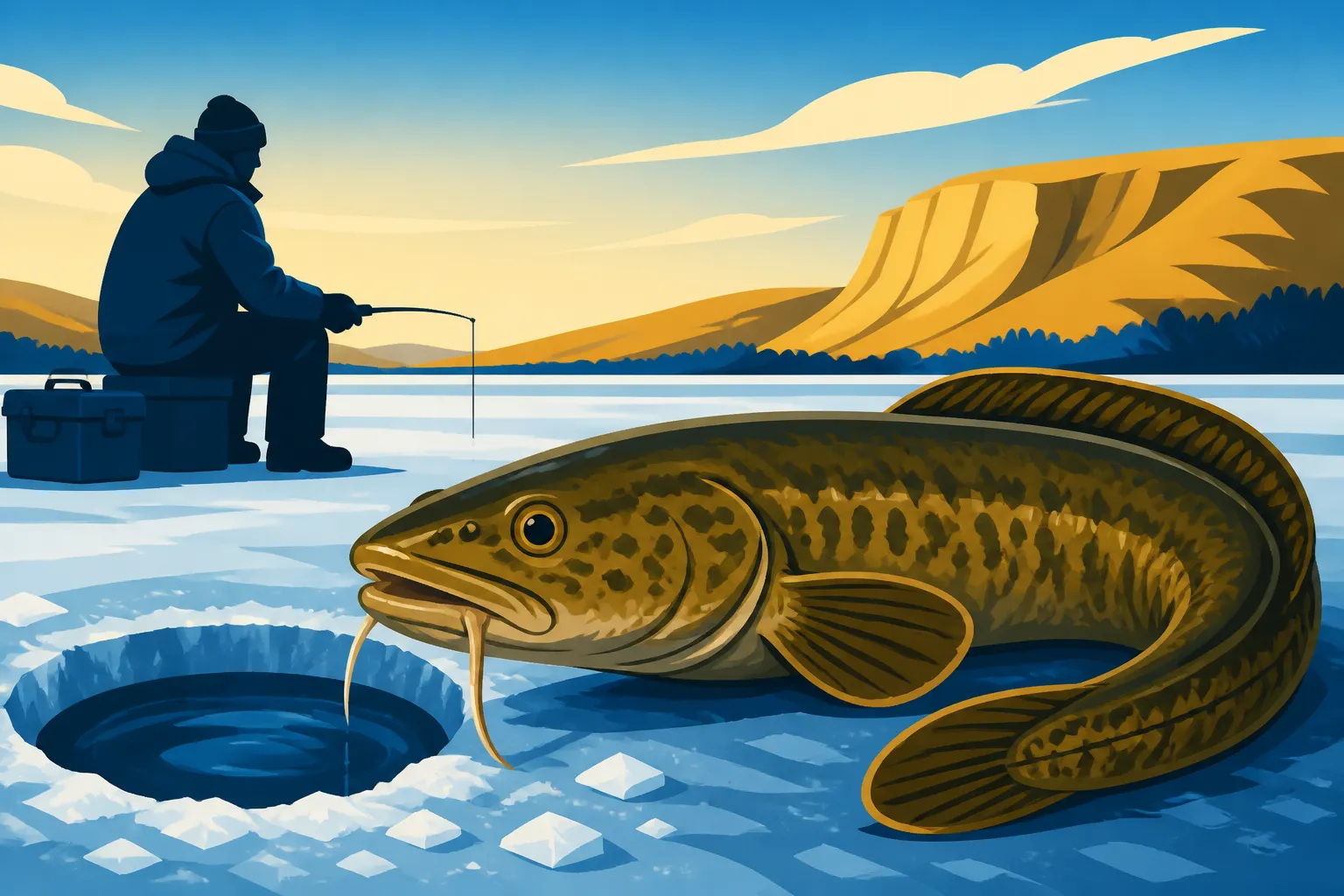
Burbot Fishing in North Dakota
If you've ever spent a long winter night out on a North Dakota lake, patiently waiting for a bite, you might have heard whispers of a mysterious, eel-like fish that comes alive in the deepest, coldest parts of the water. This isn't just a fishing legend; it's the reality of burbot fishing, and for many anglers, it presents a unique, often frustrating, challenge. This comprehensive guide is here to demystify the "eelpout" and equip you with everything you need to successfully target these incredibly unique and surprisingly delicious creatures beneath North Dakota's frozen surface.
Understanding the Elusive Burbot
Burbot, often lovingly (or sometimes not-so-lovingly) referred to as eelpout, ling, or mariah, are truly one-of-a-kind in North Dakota's freshwater ecosystems. They are the only freshwater member of the cod family in North America, which already tells you a lot about their preference for cold water and their delicious, flaky white meat. But don't let their odd appearance fool you; these fish are a blast to catch, especially when the ice is thick, and most other species are in a sluggish mood. For many, the challenge of finding and catching a burbot is a badge of honor, a testament to their patience and understanding of deep-water dynamics.
What Makes Burbot Unique?
Picture this: a long, slender body, almost serpentine, with mottled brown and yellow-green patterns that help them blend seamlessly into rocky or muddy lake bottoms. They have a single, prominent whisker-like barbel under their chin and two smaller barbels near their nostrils, which they use to forage in the dark depths. Their soft, smooth skin, covered in tiny scales, only adds to their eel-like mystique. Unlike many game fish, burbot aren't known for aggressive, flashy strikes. Instead, they often produce a subtle, almost hesitant tug, requiring a keen eye and a light touch to detect. Anglers who are used to the hard hits of walleye or pike might find the burbot's bite deceptively soft. To learn more about their unique appearance, check out What Does a Burbot Look Like?.
What's particularly fascinating about burbot is their adaptation to extreme cold. While most fish become less active as water temperatures drop, burbot thrive in frigid conditions. This makes them a prime target for ice anglers, offering an exciting opportunity when other fisheries might be slow. Their nocturnal habits also set them apart; while you can catch them during the day, their activity truly ramps up after the sun dips below the horizon, transforming the night into prime burbot hunting time.
Burbot Behavior and Habitat Preferences
Burbot are bottom-dwellers, pure and simple. They prefer deep, dark waters, often gravitating towards structural elements like submerged humps, rocky ledges, points, and channel edges. Think of them as the silent guardians of the lake's abyss, constantly scavenging for food. In North Dakota, where many lakes offer vast expanses of open water, understanding these subtle changes in depth and contour is absolutely crucial for finding burbot. They're not going to be shallow, chasing baitfish in the weeds; they'll be down in the trenches, where light penetration is minimal, and the water stays consistently cold.
Their diet consists mainly of smaller fish like ciscoes, smelt, and yellow perch, as well as crayfish and other invertebrates they find scuttling along the bottom. This predatory nature, combined with their preference for deep, cold water, dictates both where and how you'll need to fish for them. They're built for stealth and ambushing unsuspecting prey in low-light conditions, which is why your approach needs to be tailored to their specific hunting style. They aren't going to chase a lure from afar; you need to present your bait right in their strike zone.
North Dakota's Burbot Fishery
While burbot might not get the same widespread attention as North Dakota's famous walleye or monster northern pike, they support a robust and dedicated fishery, especially in certain key bodies of water. The North Dakota Game and Fish Department keeps a close eye on burbot populations, recognizing their value as a unique game fish. Because they are so cold-adapted, their populations are often healthiest in the state's deepest and largest reservoirs, where stable, cold-water habitats are abundant.
The unique aspect of North Dakota's burbot fishery is its seasonality. While they exist year-round, the vast majority of burbot fishing effort, and success, occurs during the hardwater season. This makes them a true winter specialty, drawing anglers who embrace the cold and the challenge of nighttime ice fishing. It's a fishery that truly comes alive when many fair-weather anglers have packed away their gear for the season, offering a special kind of camaraderie among those brave enough to pursue them.
Where to Find Burbot in North Dakota
Knowing where to start your burbot quest is half the battle. While they prefer deep, cold water, not every deep lake in North Dakota will hold a thriving burbot population. Success often hinges on identifying the key bodies of water known for their consistent burbot action and then pinpointing the specific areas within those lakes.
Lake Sakakawea: The Primary Burbot Hotspot
Without a doubt, Lake Sakakawea is the undisputed king for burbot fishing in North Dakota. This massive reservoir, formed by the Garrison Dam on the Missouri River, offers everything a burbot could ever want: immense depths, abundant forage, and a vast, intricate network of submerged structure. The sheer size of Sakakawea can be intimidating, but it's precisely this vastness that provides the ideal habitat for burbot to thrive. If you're serious about catching burbot, this is where you need to be. For a broader overview of this incredible fishery, check out Lake Sakakawea Fishing Guide for North Dakota Anglers.
When targeting burbot on Sakakawea, think deep main-lake basins, the mouths of major bays, and areas with significant depth changes, like submerged points or old river channels. Spots where there's current, even subtle, can also be productive, as current brings food to these bottom dwellers. Popular access points and deeper bays often lead to prime burbot grounds, but don't be afraid to venture out further onto the main lake if conditions allow. The deeper you go, typically, the better your chances, especially near defined structural elements that concentrate baitfish.
Missouri River System
Beyond Lake Sakakawea, the broader Missouri River system in North Dakota, particularly stretches that offer deep holes and slower currents, can also hold burbot. While not as concentrated as in Sakakawea, the river provides similar deep-water characteristics that burbot favor. These areas are typically found in the lower reaches of the river, downstream from the Garrison Dam, where the river widens and deepens, creating ideal holding patterns for these bottom-dwelling fish.
Finding them in the river often means scouting for deep bends, scour holes, or any significant depressions where burbot can hide and ambush prey. The river environment demands a slightly different approach than the vastness of Sakakawea, focusing more on current breaks and concentrated deep water. While not every stretch of the Missouri will be a burbot honey hole, dedicated anglers who learn the river's contours can certainly find success.
Other Potential Burbot Waters
While Lake Sakakawea and the Missouri River are the primary targets, there might be other, less-publicized lakes across North Dakota that hold burbot. Generally, these would be deep, clear, or stained-water lakes with significant cold-water habitat and good forage bases. It's less common to find them in shallower, warmer lakes, as those conditions simply don't suit their biology. However, local knowledge is always key, and checking with bait shops or regional fisheries biologists can sometimes reveal hidden gems.
For most anglers, the journey for burbot will inevitably lead back to the immense waters of Lake Sakakawea. It's where the conditions are most consistent and the populations are most robust. If you're planning a trip specifically for burbot, focusing your efforts on this grand reservoir will give you the best odds of encountering these fascinating, elusive fish. It's truly one of the Best Ice Fishing Lakes in North Dakota for a variety of species, including the unique burbot.
Best Time to Target Burbot
Timing is absolutely everything when it comes to burbot fishing. These aren't your typical daytime biters, and they certainly aren't warm-water enthusiasts. Understanding their seasonal and daily patterns is crucial to maximizing your success and making those long, cold nights on the ice truly pay off.
The Winter Window: Prime Ice Fishing Season
The prime time for burbot fishing in North Dakota aligns perfectly with the ice fishing season. As soon as the ice is safe and thick enough to venture out, burbot become an accessible target. This usually means from late December through early March, though exact timing can vary with the severity of the winter. During these months, the water temperatures are at their coldest, which is precisely when burbot are most active. While you might stumble upon one during open water fishing in summer, trying to actively target them then is like looking for a needle in a haystack; they are deep, sluggish, and spread out.
The peak of the ice fishing season, typically January and February, often offers the best burbot action. The longer periods of darkness and consistently cold water really get them moving and feeding. This is when anglers truly dedicate themselves to multi-night excursions, settling in for the long haul. Remember to always prioritize safety when venturing onto the ice; understanding How Thick Ice Needs to Be for Ice Fishing is paramount.
Night Fishing for Burbot: The Nocturnal Advantage
If there's one golden rule for burbot fishing, it's this: fish at night. Burbot are overwhelmingly nocturnal predators. Their excellent low-light vision and specialized barbels give them a distinct advantage in the dark, allowing them to hunt effectively when other predators are less active. You might get a stray burbot during daylight hours, especially if your bait is perfectly presented in their home, but the real action begins as twilight fades and continues through the darkest hours of the night.
This means embracing the cold and preparing for a unique ice fishing experience. Setting up your shelter, drilling your holes, and getting your gear ready before sunset will allow you to be in prime position as the burbot's feeding window opens. Many dedicated burbot anglers find that the bite often peaks in the hours immediately after dark and again just before dawn, though they can certainly hit throughout the night. It's these long, quiet hours under the stars that make burbot fishing a truly memorable adventure.
Water Temperature and Depth
Burbot are cold-water specialists, preferring water temperatures ranging from just above freezing up to about 50 degrees Fahrenheit. This is why ice fishing is so productive; the entire water column is often within their preferred temperature range, even at shallower depths than they might typically inhabit in summer. However, they will still gravitate towards the deepest parts of the lake, often where water temperatures remain most stable.
In Lake Sakakawea, this might mean fishing depths anywhere from 40 to 80 feet, or even deeper in some locations. The exact depth can vary depending on the specific structure, baitfish presence, and oxygen levels. Using a good fish finder is critical not just for marking fish, but for understanding the depth contours and identifying promising humps, ledges, or channels where burbot might be lurking. Consistent monitoring of these deep-water haunts will improve your odds significantly.
Essential Gear for Burbot Fishing
Preparing for a burbot fishing trip means gearing up for serious cold, deep water, and often, a long night. You don't want to be caught unprepared with flimsy equipment or the wrong bait. Think robust, reliable, and designed for efficiency in challenging conditions.
Rods, Reels, and Line: Heavy Duty for Deep Water
For burbot, you'll want to lean towards heavier ice fishing setups. A medium-heavy to heavy action ice rod, around 30-40 inches long, is ideal. This gives you the backbone to handle potential larger fish and enough leverage for the deep-water hook sets. A stiff tip helps detect those subtle bites, while a strong blank ensures you can bring up a fish from 60 feet down without feeling undergunned. On the Amazon marketplace, you can find many quality rods designed for bigger fish through the ice.
Pair your robust rod with a good quality spinning reel in the 2500-4000 size range, capable of holding a decent amount of heavier line. A smooth drag system is important for fighting fish, even though burbot aren't known for blistering runs, they can put up a decent fight when hooked. For line, consider a strong braided line, 15-30 pound test, for its no-stretch sensitivity, which is vital for feeling those light bites in deep water. Attach a fluorocarbon leader (10-20 pound test) to the end of your braid. Fluorocarbon is nearly invisible underwater and is abrasion-resistant, which is helpful when fishing around rocks or other bottom structure. This setup ensures you feel everything that happens far below the ice.
Bait and Lures: What Burbot Can't Resist
Burbot are primarily scavengers and predators of opportunity, and their senses are finely tuned to detect food in the dark depths. This means scent and visual attraction are your best friends. The absolute go-to bait for burbot is cut bait. Oily fish like smelt, cisco, or even a section of yellow perch or sucker, cut into strips or chunks, are incredibly effective. The scent trail they emit is often what first attracts the burbot. Hook these generously onto a large jigging spoon or a glow jig.
Speaking of jigs, glow-in-the-dark lures are a game-changer for burbot. Because they hunt in the dark, anything that glows will stand out. Heavy jigging spoons, like Northland Buck-Shot Spoons or Custom Jigs & Spins Slender Spoons, in sizes from 1/2 to 1 ounce, are popular choices. Tip these spoons with your cut bait. The combination of flash, glow, and strong scent is often irresistible. Some anglers also use large single hooks (like a 3/0 or 4/0 octopus hook) on a dropper rig, again tipped with a generous piece of cut bait, fished just off the bottom. Remember to recharge your glow lures frequently with a headlamp or a dedicated UV flashlight. For more ideas on what to use, check out Best Bait for North Dakota Fishing.
Electronics and Accessories: Seeing the Depths
When you're fishing 60 feet down in the dark, you need all the help you can get. A quality fish finder or flasher is an indispensable tool for burbot fishing. It allows you to identify depth, locate bottom structure, mark baitfish, and most importantly, see your lure and any fish approaching it. Being able to see burbot investigating your bait on the screen gives you crucial information, allowing you to adjust your presentation to trigger a strike. Brands like Vexilar, Marcum, and Humminbird offer excellent ice fishing specific units. For a deep dive into these tools, read Ice Fishing Electronics and Fish Finders.
Beyond electronics, a few other accessories are vital. A reliable headlamp (or two!) with a red light option to preserve night vision is a must. A portable heater for your ice shelter will make those long nights much more comfortable. Many anglers also use a bright lantern (propane or battery-powered) inside their shelter, not just for light but because some believe the light attracts burbot or baitfish. An ice scoop, plenty of fresh cut bait, a sturdy fillet knife, and a cooler to keep your catch fresh are also essential. You can often find all these necessities conveniently on Amazon.
Effective Burbot Fishing Techniques
Catching burbot isn't just about dropping a line in the deepest part of the lake; it requires a strategic approach, patience, and a bit of understanding about their feeding habits. It’s a game of scent, subtle presentation, and knowing when to wait them out.
Bottom Fishing Tactics: Getting to Them
Since burbot are dedicated bottom-dwellers, your primary tactic will be to fish directly on or very near the lakebed. The most common and effective method is jigging. Drop your lure (heavy jigging spoon tipped with cut bait) all the way to the bottom. Once it hits, reel up just enough to keep it a few inches to a foot off the bottom. This allows you to impart action without constantly snagging. Give the rod a sharp snap upwards, letting the lure fall back down, creating a puff of sediment that can attract attention. Then, let it sit relatively still for 10-20 seconds before repeating the jig. Sometimes, a subtle lift and drop, almost a deadsticking motion, is what triggers the bite. They are often curious, but also deliberate in their feeding.
Many anglers also employ a deadstick rod alongside their jigging rod. This second rod, equipped with a simple hook and heavy sinker, is also baited with cut bait and left stationary in a rod holder, just off the bottom. The deadstick relies purely on scent to attract burbot. Often, a burbot will investigate the jigging rod, then move to the deadstick for an easy meal. Make sure to adhere to North Dakota Fishing Regulations Explained regarding the number of lines you can legally use.
Setting Up for Success: Hole Placement and Light
Effective burbot fishing often involves drilling multiple holes, spread out over a promising piece of structure, or along a depth contour. This allows you to cover more water and increase your chances of finding a congregation of fish. Start with a few holes, perhaps 10-20 feet apart, and if you start catching fish in one area, you can then focus your efforts there. Drilling with a quality ice auger is crucial for efficiency. You'll want to review How to Ice Fish in North Dakota for general ice fishing setup tips.
As mentioned, light can be a significant attractant. In addition to glow lures, many successful burbot anglers swear by having a bright lantern in their ice shelter. The light shining down through the ice, especially in clear water, can attract baitfish, which in turn attracts burbot. Some even use submersible lights dropped into a separate hole to create a "glow zone" beneath the ice. The ambient light inside your shelter from a lantern or even a portable heater can contribute to this effect.
Patience and Persistence: The Burbot Angler's Mantra
Burbot fishing is not always fast and furious. It can be a waiting game, especially in the cold, dark hours of the night. You might have long stretches without a bite, then suddenly hit a productive period. Patience is truly a virtue here. Don't be discouraged by slow periods; keep recharging your glow baits, keep an eye on your fish finder, and keep that scent trail working. Some nights, it feels like they just decide to turn on at a specific time, and if you've packed up and left, you'll miss it.
Persistence also means being willing to move if a spot isn't producing. If you've given a set of holes a good hour or two after dark without a sniff, it might be time to pack up and try a new section of the lake or a different depth. Remember, burbot are often found in pods, so finding one often means finding several. The dedication required to consistently catch burbot is part of what makes them such a rewarding species to pursue. It's a true test of an angler's grit and determination, often rewarded with fantastic table fare.
Handling and Eating Burbot
So, you've battled the cold, braved the night, and finally landed a burbot! Now what? Don't let their unusual appearance deter you; burbot are prized for their firm, white, flaky meat, often compared to lobster. Properly handling and preparing your catch will ensure you get to enjoy the full culinary potential of these unique fish.
The "Poor Man's Lobster": Cleaning and Preparing
Cleaning a burbot is a bit different from cleaning a walleye or a pike, primarily because of their smooth, scaleless skin. The easiest way to clean a burbot is to "peel" it. Start by making a cut behind the head, all the way around the body, just deep enough to cut through the skin. Then, use a pair of pliers to grab the skin near the head and peel it back towards the tail. It might take a bit of effort, but once you get a good grip, the skin often comes off in one piece, much like peeling off a sock. This leaves you with a clean, skinless fillet.
After skinning, you can then fillet the fish, removing the meat from the backbone. Burbot typically yield four good fillets: two from the back (loins) and two from the belly. You'll find that the meat is incredibly firm and white. Make sure to trim off any dark meat or fatty sections, as these can have a stronger, less desirable flavor. The goal is to get those pure, white chunks of "lobster meat." To get a more detailed look at what makes them so good to eat, read Is Burbot Good to Eat?.
Cooking Your Catch: Recipes and Tips
The most famous way to prepare burbot is to emulate lobster. Cut the cleaned fillets into 1-2 inch chunks. Bring a pot of salted water to a rolling boil, just like you would for pasta. Drop the burbot chunks into the boiling water and cook for just 2-4 minutes, or until the meat turns opaque and flakes easily. Be careful not to overcook, as it can make the meat tough. Once cooked, drain the burbot and serve it immediately with melted butter, just like you would serve fresh lobster. The texture and flavor are remarkably similar, earning it the nickname "poor man's lobster."
Beyond the classic "boiled lobster" method, burbot can also be baked, fried, or broiled. Because of its firm texture, it holds up well to various cooking methods. Try breading and pan-frying the fillets for a delicious fish fry, or baking them with a squeeze of lemon and some herbs for a lighter meal. The key is to avoid overcooking and to let the natural, sweet flavor of the fish shine through. Its versatility makes it a favorite among those who conquer the challenge of catching it.
Conservation and Regulations
As with any fishery, it's essential to be aware of and abide by all North Dakota Game and Fish Department regulations for burbot. These regulations are in place to ensure the sustainability of the population for future generations of anglers. Typically, burbot do not have a daily limit or a possession limit, meaning you can keep as many as you catch, but it's always wise to only keep what you'll eat and practice catch-and-release with fish you don't intend to consume. Always check the current North Dakota Fishing Regulations Explained before heading out, as rules can change.
Responsible angling practices are crucial. If you're releasing burbot, handle them gently, especially in freezing temperatures. Minimize their time out of the water, and use proper fish handling techniques. By understanding and respecting the burbot, its habitat, and the regulations, we can all contribute to keeping this unique North Dakota winter fishery thriving for years to come.
| Aspect | Description | Why it Matters for Burbot |
|---|---|---|
| Habitat | Deep, cold water; structure like humps, channels, rocky ledges | Bottom-dwelling, cold-water specialist; use electronics to find structure |
| Season | Primarily ice fishing season (late Dec – early March) | Most active in coldest water, easily accessible through ice |
| Time of Day | Nighttime, especially after dark and before dawn | Nocturnal predator, excellent low-light vision |
| Gear | Medium-heavy to heavy ice rod, 2500-4000 spinning reel, 15-30lb braid, fluoro leader | Need strength for deep water, sensitivity for subtle bites |
| Bait | Cut bait (smelt, cisco, perch), large glow jigs/spoons | Scent and glow attract in dark depths |
| Technique | Bottom jigging, deadsticking, multiple holes | Present bait directly to bottom-dwellers, cover ground |
| Flavor | Firm, white, flaky, often compared to lobster | Delicious table fare, worth the effort |
Disclaimer
This article is for general informational purposes only and does not constitute professional advice. Laws, prices and regulations vary by location and change over time. Consult a qualified professional for guidance on your specific situation.