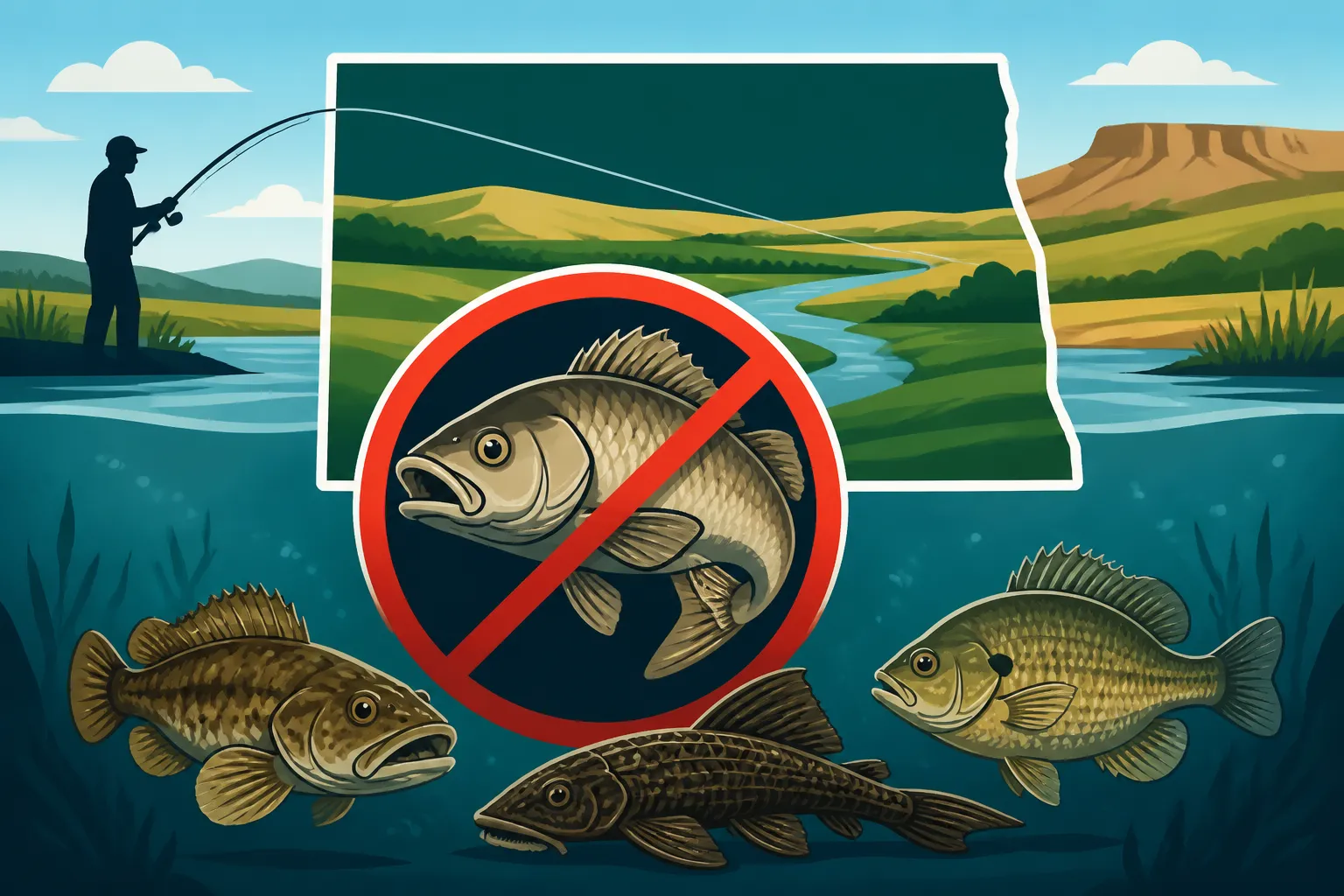
Invasive Fish Species in North Dakota
The waters of North Dakota are a precious resource, providing incredible fishing opportunities and stunning natural beauty. But there's a silent, often unseen threat looming beneath the surface and along our shorelines: invasive fish species and other aquatic nuisance species (ANS). These unwelcome guests can wreak havoc on our native ecosystems, outcompeting local fish, altering habitats, and even impacting water quality. This comprehensive guide will help you understand what these invaders are, why they're such a concern, and most importantly, what every angler can do to protect our beloved North Dakota fisheries.
What Are Invasive Fish Species and Why Do We Care?
When we talk about "invasive species," it's easy to picture something out of a science fiction movie, but in reality, they're often small, unassuming creatures that simply don't belong here. They've been introduced, often unknowingly, from other regions and, once established, can spread rapidly, causing significant ecological and economic damage. It's a serious issue, and understanding the difference between a simply "non-native" species and a truly "invasive" one is the first step in becoming an informed guardian of our lakes and rivers.
Defining "Invasive" vs. "Non-Native"
Here's where the nuance comes in. A "non-native" species, sometimes called an exotic or introduced species, is simply one that originates from a different geographic area and has been brought into a new environment. Think about rainbow trout in some of our lakes; they aren't native to North Dakota, but they've been intentionally stocked for sport fishing and generally don't cause widespread harm to the ecosystem. They have a specific niche, and their populations are often managed.
An "invasive" species, on the other hand, is a non-native species whose introduction causes or is likely to cause economic or environmental harm, or harm to human health. The key difference is that harmful impact. These species tend to reproduce quickly, spread aggressively, and lack natural predators in their new environment, allowing them to outcompete native species for food and habitat. They aren't just here; they're actively disrupting the delicate balance of our natural world. It's a critical distinction, because while not all non-native species are bad, invasive ones are always a problem that requires our attention.
The Threat to Native Ecosystems
The consequences of invasive species establishing themselves in our waters can be devastating for native ecosystems. Imagine a finely tuned machine, where every gear and lever has a specific function. Now, picture an entirely new, aggressive, and unpredictable gear being forced into that machine. That's essentially what happens when an invasive species arrives.
Native fish species, like our prized walleye, northern pike, and yellow perch, have evolved over millennia to thrive in specific conditions, with particular food sources and competitive dynamics. Invasive species disrupt these established relationships. They might eat the same food, taking it away from native fish, or they might directly prey on the eggs and young of native species. Some invasives can even alter the physical environment, making it unsuitable for our local fish. The ripple effect can be profound, leading to declines in native fish populations, reduced biodiversity, and a less resilient ecosystem overall. We value our North Dakota fishing, and these invaders directly threaten the very foundation of what makes it so special.
Key Invasive Fish Species in North Dakota
North Dakota faces threats from a variety of aquatic invaders, some of which are already established, and others that pose an imminent danger. It's not just about what's swimming in the water; sometimes the biggest threats are tiny organisms that hitch a ride on our boats or gear. Knowing your enemy is vital in this fight to protect our waters.
Common Carp: The Bottom Stirrers
Let's start with a classic invader that many of us are probably familiar with: the common carp. These fish were introduced to the United States in the 19th century, often intentionally, as a food source and a hardy aquaculture species. Unfortunately, they found North American waters to their liking and spread like wildfire, including throughout many of our lakes and rivers.
Common carp are powerful, bottom-feeding fish that can grow quite large. Their constant foraging involves rooting around in the lakebed, stirring up sediment. While this might seem harmless, the reality is far from it. This constant "turbidity" or muddiness in the water impacts aquatic vegetation by blocking sunlight, which in turn reduces critical habitat and food sources for native fish. Imagine trying to hunt for food in a constantly cloudy soup – it makes it incredibly difficult. This disturbed sediment can also release phosphorus, fueling algal blooms, which further degrade water quality. Their competitive nature also means they often outcompete native bottom-feeders for food and space, leading to an overall decline in water body health and the quality of angling for other species.
Zebra and Quagga Mussels: Beyond Just Fish
These aren't fish, but they are arguably some of the most concerning aquatic invasive species threatening North Dakota. Are Zebra Mussels in North Dakota Lakes? Yes, unfortunately, they are. Zebra mussels are small, D-shaped, freshwater mussels, typically no larger than an inch, with distinctive striped shells. Quagga mussels are similar but have a more rounded, fan-like shell and can tolerate colder, deeper waters, making them an even greater potential threat. Both species attach to hard surfaces, forming dense colonies that can literally carpet the bottom of lakes and rivers.
Their impact is widespread and severe. These mussels are filter feeders, meaning they consume vast amounts of plankton from the water. While this might sound like it would "clean" the water, it actually removes the base of the food web, depleting food sources for native fish, baitfish, and larval stages of other aquatic organisms. This shift can starve out native populations and fundamentally alter the food chain. Beyond the ecological damage, zebra and quagga mussels cause immense economic harm. They clog water intake pipes for municipal water systems, power plants, and irrigation systems, costing millions in maintenance and repairs. They also attach to boat hulls, docks, and other underwater structures, causing damage and requiring expensive removal. If you've ever had to clean a boat that's been in infested waters, you know the struggle is real. Learning How to Clean Your Boat to Stop Zebra Mussels is crucial.
Silver Carp and Bighead Carp: Asian Carp Threat
When we talk about "Asian carp," we're generally referring to a group of species, but silver carp and bighead carp are the two primary concerns for North Dakota, particularly given their presence in the Missouri River system further south. These are large, plankton-eating fish that grow rapidly and reproduce prolifically. The term "invasive carp in North Dakota waters" carries a heavy weight because of their reputation for ecological destruction.
Bighead carp primarily feed on zooplankton, while silver carp consume both phytoplankton and zooplankton. The problem is that plankton forms the very base of the aquatic food chain, supporting everything from insects to larval fish to baitfish, which then feed our sport fish like walleye and pike. By efficiently consuming massive quantities of plankton, these carp effectively steal food directly from native species. Silver carp are also known for their startling behavior of leaping high out of the water when disturbed by boat engines, posing a physical hazard to boaters. If these carp become established in large numbers in North Dakota's major water bodies, the impact on the existing fisheries, especially for species dependent on plankton in their early life stages, could be catastrophic.
White Perch: A Stealthy Invader
White perch might not be as notorious as the Asian carp or as physically destructive as zebra mussels, but they are a significant concern, especially in interconnected systems like the Red River and its tributaries. These fish are native to the Atlantic coast but have spread westward into many inland waters. They are highly adaptable and thrive in a variety of conditions, often forming dense populations.
The primary threat from white perch comes from their aggressive competition with native fish, particularly our beloved yellow perch and walleye. White perch consume the same food sources, including insects, small crustaceans, and even the eggs and fry of other fish. They also tend to hybridize with native white bass, creating sterile offspring that contribute to resource competition without adding to the reproductive success of the native population. This means fewer native fish surviving, growing, and reaching catchable sizes, directly impacting the angling experience we cherish. They are prolific spawners, and their ability to quickly take over a water body can be incredibly detrimental to the existing balance.
| Invasive Species | Primary Impact | How it Spreads | Key Identification Tip |
|---|---|---|---|
| Common Carp | Destroys habitat, increases turbidity, competes with native fish. | Intentional stocking (historic), escaped aquaculture, bait bucket release. | Large, golden-brown, prominent barbels (whiskers) around mouth. |
| Zebra/Quagga Mussels | Filter plankton (removes food), clog pipes, attach to boats. | Attaches to boats/equipment, larval stage (veliger) in water. | Small, D-shaped (zebra) or rounded (quagga) shells, often striped. |
| Silver/Bighead Carp | Consumes vast amounts of plankton, outcompetes native fish. | Escaped aquaculture, interconnected waterways, intentional stocking (historic). | Silver carp leap from water; bighead carp have large head, upturned mouth. |
| White Perch | Competes with native fish for food, preys on eggs/fry, hybridizes. | Bait bucket release, natural dispersal through waterways. | Silvery body, no distinct bars, small mouth, single dorsal fin, similar to white bass. |
The Damaging Impact of Invasive Fish on North Dakota's Waters
The problems introduced by invasive species aren't just isolated incidents; they create a cascade of negative effects that fundamentally alter the health and productivity of our aquatic environments. From the smallest plankton to the largest trophy fish, everything can be impacted. It's a complex web, and when one strand is pulled, the whole system can unravel.
Competition for Resources and Habitat Degradation
One of the most immediate and impactful consequences of invasive fish species is the direct competition for vital resources. Imagine a fixed amount of food and living space in a lake. When a new, aggressive species arrives, it essentially takes a larger piece of that pie, leaving less for the native inhabitants. For instance, common carp actively root around in the bottom sediments, stirring up mud and destroying submerged aquatic vegetation. This vegetation is absolutely critical for many native fish species, serving as spawning grounds, nursery areas for young fish, and a haven from predators. When this habitat is degraded or destroyed, our native fish lose their homes and their safety nets.
Similarly, species like silver carp directly compete for plankton, which is the foundational food source for many species, especially in their larval and juvenile stages. If the baby walleye don't have enough plankton to eat, they simply won't survive. This competition doesn't just reduce populations; it can lead to stunted growth in native fish, making them less robust and less appealing to anglers. The entire food web gets out of whack, creating an imbalance that favors the invaders and diminishes the diversity and abundance of the fish we've always known and loved in North Dakota.
Disease Transmission and Water Quality Issues
Beyond direct competition and habitat destruction, invasive species can introduce new diseases or parasites to native populations that have no natural immunity. This is a very real, and often unseen, danger. A pathogen that might be relatively benign in the invasive species' native habitat could be devastating to a new host that has never encountered it before. This can lead to widespread fish kills and severely weaken native stocks, making them more susceptible to other environmental stresses.
Furthermore, some invasive species directly contribute to water quality degradation. As mentioned with common carp, their bottom-feeding habits can significantly increase turbidity, making the water murkier. This reduces light penetration, hindering the growth of beneficial aquatic plants. The stirring of sediments can also release nutrients like phosphorus and nitrogen that were previously locked away, acting like fertilizer for harmful algal blooms. These blooms not only look unsightly and can produce foul odors, but they also consume oxygen when they decompose, creating "dead zones" where fish cannot survive. Zebra and quagga mussels, while filtering water, also deposit waste and alter nutrient cycling, leading to shifts in algal communities, sometimes favoring toxic blue-green algae. So, these invaders don't just affect the fish; they affect the very water our fish live in, and in turn, our ability to enjoy it for recreation.
Preventing the Spread: What Anglers Can Do
This isn't a problem that can only be tackled by scientists and government agencies. Every single angler who visits North Dakota's beautiful lakes and rivers holds a critical role in preventing the further spread of aquatic nuisance species. Your actions, or inactions, have a direct impact. It's about being vigilant, taking responsibility, and adopting simple habits that can make a world of difference.
Clean, Drain, Dry: Your First Line of Defense
This three-step mantra is the absolute cornerstone of preventing the spread of aquatic nuisance species, especially those like zebra and quagga mussels. It's not just a suggestion; it's a critical protocol for responsible boating and fishing.
- Clean: Before leaving any launch area, visually inspect your boat, trailer, and all fishing gear. Remove any visible mud, weeds, or aquatic organisms. Pay close attention to anchor ropes, fishing lines, and areas where water might collect. A stiff brush or even just your hands can do wonders. Don't forget your waders and boots! You can find good scrub brushes and boat cleaning supplies on platforms like Amazon if you need to stock up.
- Drain: This step is crucial for eliminating any hidden larvae (like veligers of zebra mussels) or small organisms in standing water. Drain all water from your boat's bilge, livewells, bait buckets, and engine cooling systems. Pull your drain plug. This is not something to skip, even if you're just moving to another lake in the same county.
- Dry: If possible, allow your boat, trailer, and all gear to thoroughly dry for at least five days before launching into another body of water. Sunlight and heat are excellent natural disinfectants. If a five-day dry time isn't feasible, you might need to consider decontamination washing, especially if moving between infested and uninfested waters. This drying period ensures that any lingering microscopic invaders perish before they can hitch a ride to a new destination. Remember, even a small amount of moisture can keep tiny organisms alive for days.
By diligently following Clean, Drain, Dry, you dramatically reduce the risk of becoming an unwitting transporter of invasive species. It's a small effort that yields massive protection for our cherished fisheries. Aquatic Nuisance Species Rules for Boaters are there for a reason, and following them is paramount.
Bait Bucket Management: Don't Share the Problem
Your bait bucket, while seemingly innocent, can be a major vector for spreading invasive species, especially small fish or even larval stages of mussels. It's a common, yet often overlooked, pathway for introduction. Many invasive fish species were initially spread by anglers dumping unused bait.
Here's the golden rule: Never release live bait from one water body into another. This includes minnows, worms, or any other live organisms you might be using. If you have unused live bait at the end of your fishing trip, dispose of it properly in the trash, or consider using it in your garden (if it's not an aquatic species) rather than pouring it into the lake or river. Furthermore, be mindful of where you get your bait. If you collect your own bait, only collect it from the water body you intend to fish, and don't transport it elsewhere. If you purchase bait, ensure it's from a reputable dealer, and again, do not transport it to another lake or river. Small, seemingly harmless species like white perch can easily be transferred this way, establishing new populations where they don't belong and outcompeting native Fish Species Found in North Dakota Lakes and Rivers.
Educate Yourself and Others
Knowledge truly is power when it comes to combating invasive species. The more you know, the better equipped you are to protect North Dakota's waters, and the better you can inform your fellow anglers. Ignorance is often the biggest enemy in this fight.
Take the time to learn about the specific aquatic nuisance species that are present in or threaten North Dakota. Familiarize yourself with their appearance and the bodies of water where they are known to exist. There are numerous resources available online, often through the state's wildlife department, that provide up-to-date information. If you see something suspicious, whether it's an unusual fish or something clinging to your boat, know what to do. Beyond your own learning, don't be afraid to politely educate others. If you see someone neglecting to clean their boat or about to dump a bait bucket, a friendly reminder can go a long way. This collective effort, fueled by informed anglers, is our best defense against these relentless invaders. You might even consider getting some informative stickers for your boat or tackle box from places like Amazon to remind yourself and others about the Clean, Drain, Dry message.
Reporting and Management Efforts
Despite our best efforts at prevention, invasive species can still find their way into new waters. When they do, early detection and rapid response are absolutely critical for any chance of containment or eradication. This is where reporting plays a vital role, and where North Dakota's dedicated teams step in to manage these complex ecological challenges.
How to Report Suspected Invasive Species
If you believe you've encountered an aquatic invasive species – whether it's an unfamiliar fish, a strange plant, or unusual mussels attached to a rock – it's incredibly important to report it. Don't assume someone else will. Your observation could be the first sign of a new infestation, allowing for a much quicker and more effective response.
Here's how to make an effective report:
- Don't release it! If it's a fish you've caught and you suspect it's invasive, don't throw it back. Keep it.
- Take photos: Clear photos are invaluable for identification. Get multiple angles, and if possible, place a ruler or coin next to it for scale.
- Note the location: Be as precise as possible. GPS coordinates are best, but detailed descriptions of landmarks or mile markers are also very helpful.
- Note the date and time: This information helps track the spread and potential activity.
- Contact the authorities: Reach out to the North Dakota Game and Fish Department directly. They have dedicated staff and protocols for handling ANS reports. You can usually find contact information on their official website. Avoid sharing on social media first, as accurate identification and rapid response require direct communication with experts.
Your quick action could prevent a small problem from becoming a massive, irreversible one. It's like calling 911 for the environment; every second counts.
North Dakota's Ongoing Efforts
North Dakota is actively engaged in a multi-faceted approach to manage and prevent the spread of aquatic nuisance species. This isn't a passive stance; it's an ongoing battle that requires significant resources, research, and collaboration. The North Dakota Game and Fish Department, in conjunction with other state agencies and federal partners, leads these efforts.
These efforts include:
- Monitoring and Surveillance: Regular surveys are conducted in lakes and rivers across the state to detect new invaders and monitor the spread of existing ones. This often involves specialized sampling techniques for fish, plants, and microscopic organisms.
- Public Education Campaigns: Programs like "Clean, Drain, Dry" are continuously promoted to inform anglers, boaters, and other water users about best practices. This guide is a part of that larger educational push!
- Decontamination Stations: In some high-risk areas, decontamination stations are available where boaters can wash their vessels with hot, high-pressure water to kill any lingering ANS.
- Legislation and Regulation: North Dakota has specific laws and regulations in place to control the movement of watercraft and bait, such as requiring drain plugs to be removed when transporting boats on highways. Understanding North Dakota Fishing Regulations Explained and North Dakota Boat Registration Requirements is key.
- Research and Management: Scientists continuously research new methods for controlling and eradicating invasive species, from biological controls to targeted removals. For instance, managing common carp populations often involves large-scale netting or removal efforts.
These proactive and reactive strategies are essential in protecting North Dakota's diverse aquatic resources for future generations of anglers. It's a continuous commitment, and it relies heavily on the cooperation and vigilance of everyone who enjoys our beautiful waters.
Disclaimer
This article is for general informational purposes only and does not constitute professional advice. Laws, prices and regulations vary by location and change over time. Consult a qualified professional for guidance on your specific situation.