What Is the Walleye Size Limit in North Dakota Right Now?
It's incredibly frustrating, isn't it? You head out to your favorite fishing spot, hook into a beautiful walleye, and then that nagging question pops into your head: "What's the size limit here right now?" Fishing regulations, especially for a popular species like walleye, can feel like they're constantly shifting, leaving even seasoned anglers scratching their heads. This comprehensive guide is here to cut through the confusion and clarify the typical walleye size limits and related rules in North Dakota, so you can fish with confidence and stay compliant.
Understanding Walleye Size and Daily Limits in North Dakota
North Dakota is a walleye angler's paradise, from the vast expanses of Lake Sakakawea to the fertile waters of Devils Lake. But with great fishing comes great responsibility, and that means understanding the rules. Walleye regulations are primarily in place to protect the fishery, ensuring that these prized fish continue to thrive for future generations of anglers.
The "Why" Behind Walleye Size Limits and Management
You might wonder why fisheries departments bother with these intricate rules. It's not just to make your life harder, I promise! Walleye size limits and daily creel limits are crucial tools for conservation and what we call "trophy management." Imagine if everyone kept every walleye they caught, no matter the size. Our lakes and rivers would quickly be depleted of breeding-size fish, impacting the entire ecosystem.
Size limits often take the form of minimum length requirements, slot limits, or even maximum length limits. A minimum length ensures that younger fish have a chance to mature and reproduce at least once before being harvested. Slot limits, on the other hand, are fascinating; they protect both the smaller, immature fish and the larger, prime breeding stock, encouraging anglers to keep fish within a specific "slot" (e.g., 14-18 inches). This strategy helps maintain a healthy age structure in the fish population and can even create opportunities for bigger fish to grow. Trophy management might mean a very restrictive slot or a "one over XX inches" rule, specifically designed to let a few giants swim free and contribute their genetics for years.
Statewide Walleye Regulations: The General Framework
While regulations can vary by specific waterbody, there are often overarching statewide walleye regulations that serve as the baseline for North Dakota. It's like the default setting before any special exceptions kick in. These statewide rules are usually announced for a multi-year period, providing some stability for anglers.
Typically, North Dakota's statewide walleye regulations will stipulate a daily limit and a possession limit. The daily limit is the maximum number of fish you can harvest in one calendar day. The possession limit is the maximum number of fish you can have in your possession at any given time, whether they're fresh from the lake or filleted and in your freezer. It’s important to remember that once you hit your daily limit, you're done fishing for that species for the day, even if you planned to catch and release more. The exact numbers can shift between regulation cycles, so always double-check the latest proclamation. For example, a common statewide daily limit for walleye might be five fish, with a possession limit of ten fish. This allows you to accumulate a few days' worth of limits, but still puts a cap on overall harvest.
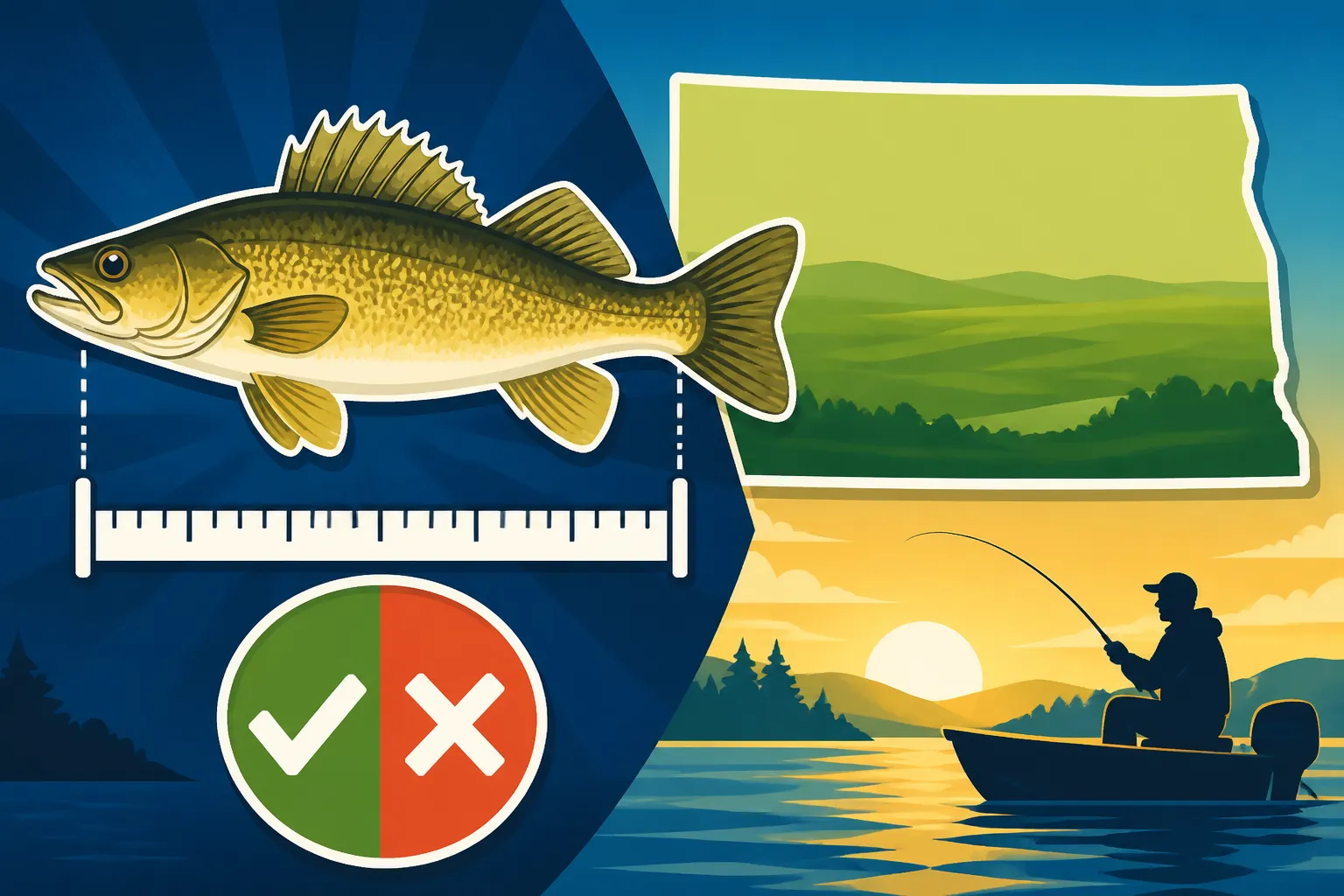
Beyond just the numbers, there can also be specific rules about how those fish must be measured. Generally, fish are measured from the tip of the snout to the end of the tail, with the tail compressed. A flexible tape measure or a dedicated fish measuring board can be a real lifesaver for getting an accurate measurement. You can find a wide variety of these on Amazon, from simple tape measures to more robust bump boards.
Special Regulations for Specific North Dakota Waters
This is where things can get a little more nuanced, and paying attention to the details really matters. Many of North Dakota's most popular walleye fisheries have unique regulations that deviate from the statewide rules. These special regulations are tailored to the specific ecological conditions and fishing pressure of that particular lake or river system. Ignoring them can lead to a hefty fine, so it's always worth a few minutes of research before you launch your boat or drill your first ice hole.
Key Lakes and Rivers with Unique Walleye Rules
North Dakota is blessed with some incredible walleye destinations, and several of them have their own specific rule sets.
Let's consider a few prime examples:
- Lake Sakakawea: This massive reservoir, part of the Missouri River system, is a walleye factory. Because of its size and productivity, it often has its own set of rules, which might include a higher daily limit than the statewide rule or a specific slot limit designed to manage its incredibly diverse population. Anglers here might find a higher daily creel limit, perhaps a six or eight fish limit, with no size restrictions, allowing for greater harvest flexibility. It's truly a different beast than a smaller, more contained fishery. You can dive deeper into this specific fishery with our Lake Sakakawea Walleye Fishing Spots guide.
- Devils Lake: Known for its "perch factory" reputation, Devils Lake also boasts an incredible walleye population. Due to its dynamic nature, including fluctuating water levels and abundant forage, the walleye regulations here are sometimes adjusted to maximize angler opportunity while sustaining the fishery. It's not uncommon for Devils Lake to have a liberal daily limit on walleye, perhaps a five or ten fish daily limit, again often without any size restrictions. The sheer volume of fish means the regulations can be more permissive. For more specific information, check out our Devils Lake Walleye Fishing Spots article.
- The Missouri River System (outside of Sakakawea/Oahe): Downstream from Garrison Dam, through Bismarck and further south, the Missouri River offers fantastic walleye fishing. The river's current and different habitat can lead to unique management strategies. Regulations here might be similar to statewide rules, or they might have specific nuances related to the riverine environment or sections bordering the state of South Dakota. Understanding the Missouri River Fishing Guide can help clarify these areas.
Border Waters and Reciprocal Agreements
If you're fishing on a border water, like the Red River of the North, things get even more interesting. North Dakota shares the Red River with Minnesota, and typically, there's a reciprocal agreement in place. This means that if you have a valid fishing license from either North Dakota or Minnesota, you can fish the shared waters. However, the regulations you must follow are generally those of the state in which you are licensed. This can lead to different size and daily limits for anglers sitting just feet apart on the same river, depending on their license. Always verify these reciprocal rules, as they are specifically defined. The Red River is famous for its massive channel catfish, but it also holds some great walleye. Our Reciprocal Fishing Rules on the Red River Border Waters post can give you the lowdown on how these agreements work.
Staying Up-to-Date with Regulation Changes
The phrase "right now" is tricky because while regulations don't change daily, they do change seasonally or every couple of years. The North Dakota Game and Fish Department (NDGFD) is the authority on these rules. They publish a comprehensive fishing proclamation every two years, usually covering a period like "April 1, 2026, through March 31, 2028." This proclamation is your bible.
You can usually find the latest proclamation online on the NDGFD website, or pick up a physical copy wherever fishing licenses are sold, such as bait shops or sporting goods stores. It’s wise to download or grab a copy and keep it handy, especially if you're venturing to different water bodies throughout the year. Don't rely on what your buddy "heard," or what was true five years ago. Taking a moment to review the North Dakota Fishing Regulations Explained before each season or trip to a new lake will save you a lot of headaches.
Practical Tips for Compliant Walleye Angling
Understanding the regulations is one thing, but practically applying them on the water is another. There are a few best practices that can help ensure you're always in compliance and doing your part for the fishery.
Measuring Your Catch Accurately
When that walleye comes over the side of the boat, excitement can sometimes lead to rushed measurements. But precision is key.
Here's how to measure accurately:
- Lay the Fish Flat: Gently lay the fish on its side on a flat surface, such as a measuring board or boat floor.
- Snout to Tail: Place the tip of the fish's snout against the bump or starting edge of your measuring device.
- Compress the Tail: Gently squeeze the tail fin lobes together to get the maximum length. Read the measurement at the very tip of the compressed tail.
- Hands-Free (if possible): If you're using a measuring board, try to get a photo for verification, especially if you're close to a slot limit. Some measuring boards even have specific markings for North Dakota regulations. You can find many reliable measuring devices, including robust bump boards for kayaks or boats, on Amazon.
Remember, if there's any doubt, it's always better to err on the side of caution and release the fish. A slightly undersized walleye won't keep you from getting a ticket, and it certainly won't taste as good if you're worrying about it later!
Handling and Releasing Undersized or Out-of-Slot Fish
Not every walleye you catch will be a keeper, and proper release techniques are vital for the survival of those fish. The goal is to get them back in the water quickly and with minimal stress or injury.
- Minimize Air Exposure: Fish can't breathe air. Keep them in the water as much as possible, especially during hook removal and measurement. A quick measurement is best.
- Wet Hands: Always wet your hands before touching a fish. Dry hands can remove the protective slime coat, making the fish vulnerable to infection.
- Proper Hook Removal: Use needle-nose pliers or a dedicated de-hooking tool to remove hooks gently and quickly. Barbless hooks can also make this process much easier. If a fish is deeply hooked, especially in the gills or throat, it's often best to cut the line as close to the hook as possible rather than trying to rip it out. This can increase its chances of survival. There are excellent de-hooking tools available on Amazon that can make this process safer for both you and the fish.
- Support the Fish: When handling, support the fish horizontally, especially larger walleye. Don't hang them vertically by the mouth or gills, as this can damage internal organs.
- Revive If Necessary: If a fish seems lethargic after release, hold it gently in the water, facing into any current, until it regains its strength and can swim away on its own.
By following these practices, you're not just complying with regulations; you're actively contributing to the health and sustainability of North Dakota's incredible walleye fisheries. For more information on identifying your catch, take a look at our Walleye Identification and Size Records in North Dakota guide.
Reporting Violations and Seeking Clarification
Sometimes, you might witness a fishing violation, or you might have a question about a regulation that just isn't clear in the proclamation. Don't hesitate to reach out to the authorities. The North Dakota Game and Fish Department is there to help manage and enforce these rules.
- Reporting Violations: If you see someone breaking fishing laws, you can contact the NDGFD directly or use their Report All Poachers (RAP) line. This can be anything from someone keeping too many fish, to keeping undersized fish, or fishing without a license. Providing as much detail as possible (location, time, boat description, vehicle info) is helpful.
- Seeking Clarification: If you're unsure about a specific regulation, particularly for a unique water body, reach out to the NDGFD. They have wildlife biologists and game wardens who are knowledgeable and happy to provide clarification. It's always better to ask than to assume and risk a penalty. Remember, it's your responsibility as an angler to know and follow the rules. This includes understanding the broader North Dakota Fishing License Guide and the specific North Dakota Fishing Season Dates and Limits for all species.
Knowing the walleye size limits in North Dakota is a vital part of responsible angling. While the statewide regulations provide a good starting point, always be mindful of the special rules that apply to specific lakes and rivers. A quick check of the latest fishing proclamation before you head out, paired with proper measuring and handling techniques, will ensure your fishing trips are both enjoyable and compliant.
Disclaimer
This article is for general informational purposes only and does not constitute professional advice. Laws, prices and regulations vary by location and change over time. Consult a qualified professional for guidance on your specific situation.