Are Northern Pike Good to Eat?
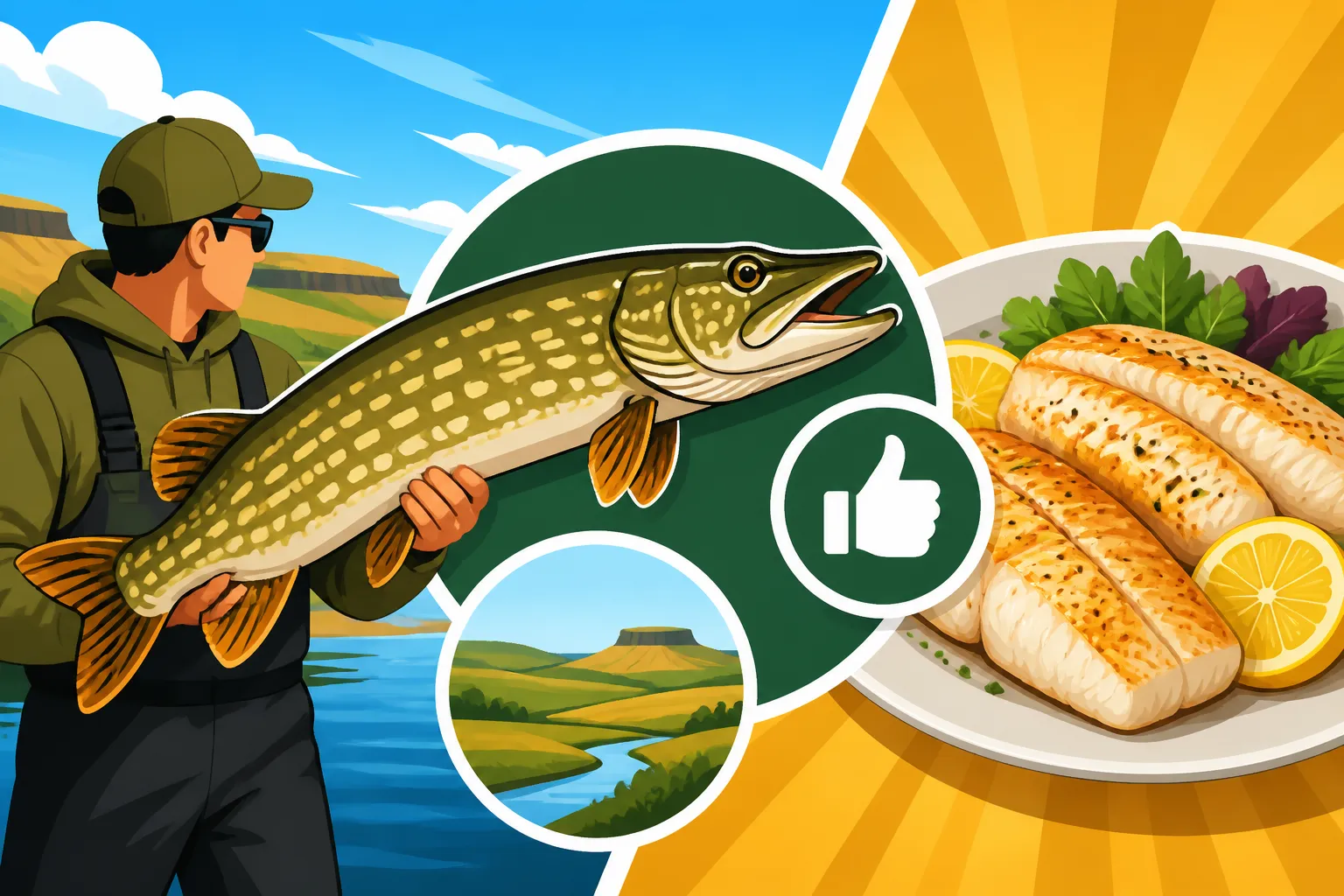
It’s a tale as old as time on the North Dakota waters: you reel in a beautiful, feisty northern pike, admire its sharp teeth and impressive fight, and then someone inevitably chimes in with, "Oh, those aren't good to eat, too bony!" It's a frustrating misconception that keeps many anglers from enjoying one of our most abundant and exciting game fish. This guide is here to bust those myths wide open, showing you exactly how to transform that toothy torpedo into a delicious meal that'll make even the skeptics ask for seconds.
Dispelling the Myths: Why Some Anglers Doubt Northern Pike
Let's face it, northern pike have a bit of a reputation, and not always a good one when it comes to the dinner table. Many anglers, especially those new to fishing in North Dakota, hear whispers about their "bony" nature or a "muddy" taste, and decide before even trying that pike isn't worth the effort. It's a shame, because properly handled and prepared, pike can be just as delicious, if not more so, than many other popular freshwater species.
The "Bony" Misconception
The biggest hurdle for most people considering eating northern pike is the perceived bone issue. Unlike walleye or perch, which have a fairly straightforward skeletal structure, pike have a unique set of "Y-bones" running along their back. These aren't like the tiny, easy-to-miss pin bones in a salmon; they're quite noticeable, and if you don't know how to handle them, they can indeed make eating a pike a frustrating, boney affair.
This is where the reputation comes from. Someone tries to fillet a pike like a walleye, ends up with a bunch of bones, and declares the fish inedible. It’s not the fish's fault, though! It's simply a matter of technique. With the right filleting method, those Y-bones are easily removed, leaving you with beautiful, boneless fillets. We'll dive into that crucial technique shortly, but for now, understand that the "bony" argument isn't about the fish itself, but rather the method of preparation. Many experienced anglers in North Dakota wouldn't trade a well-prepared pike dinner for anything, simply because they've learned the secret to tackling those bones. If you're looking for more details on identifying these fish, check out our Northern Pike Identification in North Dakota guide.
Addressing the "Muddy" Taste Rumor
Another common complaint is that northern pike taste "muddy." This is a tricky one because, in some cases, it can be true for any freshwater fish. The taste of a fish is highly dependent on its environment and diet. A fish caught from warm, stagnant, shallow water with a lot of algae growth might indeed have a stronger, less desirable flavor. This isn't unique to pike; you can get a muddy-tasting walleye or bass from the same conditions.
However, northern pike from the clear, cold waters of many North Dakota lakes and rivers, like the upper reaches of Lake Sakakawea or some of the cleaner prairie lakes, tend to have a clean, mild flavor. Their diet of other fish also contributes to a cleaner taste. The key here is not to generalize. If you're catching a pike from a known clean, healthy body of water, chances are the fish itself will taste great. Rapid cleaning and proper cooling after the catch also play a huge role in preserving the fresh flavor. Don't let a bad experience with one fish from one specific, questionable spot taint your view of an entire species! For tips on catching them, our North Dakota Northern Pike Fishing Guide has you covered.
The "Five-Finger Fillet": Mastering Pike Preparation
The secret to delicious, boneless northern pike lies almost entirely in the filleting technique. Forget everything you know about filleting a walleye; pike require a different approach. This method, often called the "five-finger fillet" or "four-strip method," is the game-changer that transforms a bony fish into a culinary delight.
Step-by-Step Y-Bone Removal
Imagine you're holding a freshly caught northern pike, ready for the cleaning station. This is where the magic begins. Instead of just cutting down the back as you would with a typical fish, you're going to make a series of precise cuts that literally carve around the Y-bones.
First, you make the standard cut behind the gill plate, down to the backbone. Then, instead of cutting straight down the back, you'll feel for the backbone and cut above the Y-bones, following the top contour of the fish's back. Once you get past the shoulder, you'll make a cut down the side of the Y-bone structure, separating the upper fillet strip from the main body. Then, you'll make another cut below the Y-bones, running parallel to the lateral line, separating the belly meat. What you're left with are three strips of meat from each side: an upper backstrap, a lower loin, and the Y-bone section in the middle that you discard. It sounds complicated, but once you do it a few times, it becomes second nature. There are plenty of visual guides and videos online that show this technique perfectly, and a good sharp fillet knife is essential. Many anglers find quality fillet knives, like those often found on Amazon, make this process much smoother and safer.
Tools and Tips for Cleaner Fillets
Having the right tools makes all the difference. A sharp, flexible fillet knife is your best friend when tackling northern pike. Seriously, don't skimp here. A dull knife makes the job harder and more dangerous. You'll want a sturdy cutting board, and some folks prefer a specialized fish cleaning station that allows for easy rinsing.
When you're filleting, take your time. There's no rush, especially when you're learning. Feel for those bones. Run your fingers over the meat after each cut to ensure you're getting as much boneless flesh as possible. Practice truly makes perfect. The first few might be a bit messy, but you'll quickly develop the touch. Remember, the goal is to end up with clean, boneless strips of meat. If you're struggling, don't hesitate to check out our dedicated guide: How to Fillet a Northern Pike Without Bones. It’s a skill worth learning for anyone who enjoys fishing in North Dakota!
From Lake to Plate: Delicious Cooking Methods for Northern Pike
Once you've got those beautiful, boneless pike fillets, the culinary possibilities are endless! Northern pike have firm, white, flaky meat that holds up well to various cooking methods. Their mild flavor makes them a versatile canvas for your favorite seasonings and sauces.
Pan-Frying and Deep-Frying: Crispy Delights
For many North Dakota anglers, a classic pan-fried or deep-fried fish fry is the ultimate way to enjoy their catch. Pike excels in this preparation. The firm flesh won't fall apart in the oil, and it gets wonderfully crispy on the outside while remaining tender and juicy within.
To pan-fry, simply dredge your boneless pike fillets in seasoned flour, cornmeal, or a specialized fish breading. Cook them in a hot skillet with a bit of butter or oil until golden brown on both sides. For deep-frying, a light batter works wonders. Heat your oil to the appropriate temperature, dip the fillets, and fry until golden and cooked through. Serve with tartar sauce, a squeeze of lemon, and your favorite sides for a truly satisfying meal. This method really highlights the clean, delicate flavor of well-prepared pike. If you're looking for gear, you can often find great frying pans and deep fryers, along with seasoning blends, through online retailers like Amazon.
Grilling and Baking: Healthier Options with Great Flavor
If you're looking for lighter, healthier ways to prepare pike, grilling and baking are fantastic options. The firm texture of pike stands up well to the grill, and baking allows for easy flavor infusion with herbs, vegetables, and broths.
For grilling, brush your pike fillets with olive oil, season with salt, pepper, garlic powder, and maybe some dill or paprika. Place them on a medium-hot grill, skin-side down first if you've left the skin on, until the meat is flaky. Be careful not to overcook! Grilling gives the pike a lovely smoky flavor. When baking, place fillets in a baking dish, add a splash of white wine or fish broth, a pat of butter, and your favorite herbs. Bake at a moderate temperature until the fish flakes easily with a fork. You can also bake it "en papillote" (in parchment paper) with vegetables for a super flavorful and moist meal. For those interested in catching larger pike, knowing Trophy Northern Pike Waters in North Dakota can lead to even more substantial fillets for these recipes.
Unique Preparations: Smoked Pike and Fish Cakes
Beyond the standard frying and baking, northern pike can shine in more adventurous culinary endeavors. Smoked pike is an absolute treat, developing a rich, smoky flavor and a tender, moist texture that's perfect for appetizers or flaked into salads. The firm flesh handles the smoking process beautifully.
Another fantastic option is using pike to make fish cakes or fish patties. If you have any smaller pieces or odd cuts left after filleting, flake the cooked fish, mix it with mashed potatoes, herbs, and spices, form into patties, and pan-fry until golden. This is a great way to use every bit of your catch and create a family-friendly meal. Pike also makes excellent fish stock for soups and stews. Don't forget that using good quality storage containers, readily available on Amazon, can keep your prepared pike fresh for these delicious applications.
Beyond the Flavor: Nutritional Value and Sustainable Harvesting
Beyond tasting great, northern pike also offer excellent nutritional benefits and represent a sustainable option for anglers in North Dakota. Catching and eating pike is not only enjoyable but also a responsible way to utilize a plentiful resource.
Nutritional Benefits of Northern Pike
Northern pike, like most lean white fish, are a fantastic source of protein. They are low in fat and calories, making them a healthy choice for any diet. Pike also contain important vitamins and minerals, though they may not be as high in Omega-3 fatty acids as fattier fish like salmon or mackerel. However, they are still a valuable part of a balanced diet.
For those concerned about mercury, northern pike are generally considered safe to eat in moderation, especially smaller fish. As always, it’s wise to consult local advisories from the North Dakota Game and Fish Department if you have concerns about specific water bodies or are frequently consuming large quantities of fish. Overall, adding pike to your meal rotation is a wholesome and beneficial choice. It's a testament to the bounty that our North Dakota waters provide.
The Role of Pike in North Dakota Ecosystems
Northern pike are apex predators in many North Dakota waters. They play a crucial role in maintaining healthy fish populations by preying on smaller, less desirable fish and sometimes even controlling numbers of panfish, which can become overpopulated. By harvesting pike, especially smaller to medium-sized individuals, anglers are often helping to manage these ecosystems and promote a healthier balance for all species.
Many anglers who practice "catch and release" for walleye or other sought-after species are happy to keep northern pike for the table, knowing they're contributing to the overall health of the lake. It's a win-win: you get a delicious meal, and the ecosystem benefits from the responsible harvest. For those passionate about fishing techniques, learning What Do Northern Pike Eat? can give you an edge in finding these fish.
Responsible Harvesting and Limits
When fishing for northern pike in North Dakota, always be mindful of the current regulations. These rules are in place to ensure sustainable fishing for everyone. Pay attention to daily limits and possession limits, which dictate how many fish you can keep and how many you can have on hand. These limits can vary by specific lake or river, so always check the North Dakota Fishing Proclamation.
Practicing responsible harvesting means only taking what you will eat and properly cleaning and utilizing your catch. It’s about respect for the resource and ensuring that future generations of anglers can also enjoy the thrill of catching, and eating, North Dakota northern pike. You can find many useful products for responsible fishing, like tackle boxes and nets, on platforms such as Amazon.
| Preparation Method | Key Benefits | Best For | Flavor Profile After Cooking | Fillet Type Needed |
|---|---|---|---|---|
| Pan-Frying | Crispy exterior, tender interior | Quick meals, classic fish fry | Mild, flaky, can be enhanced with breading | Boneless, skinless |
| Deep-Frying | Extremely crispy, moist inside | Larger groups, fish and chips | Mild, often masked slightly by batter, very tender | Boneless, skinless |
| Grilling | Smoky flavor, firm texture | Outdoor cooking, healthy option | Mild to medium, can take on marinade flavors | Boneless, skin-on (optional) |
| Baking | Moist, easy flavor infusion, low mess | Weeknight dinners, healthy meals | Mild, absorbs flavors from herbs/broth, very moist | Boneless, skinless |
| Smoking | Rich, deep smoky flavor, unique texture | Appetizers, salads, extended preservation | Strong smoky, savory, tender | Boneless, skin-on (optional) |
| Fish Cakes | Utilizes smaller pieces, comfort food | Leftovers, family meals | Versatile, depends on added ingredients | Cooked, flaked meat |
So, the next time you hear someone say northern pike aren't good to eat, you'll know better. With the right filleting technique and a bit of culinary creativity, this North Dakota powerhouse can become a regular, delicious staple on your dinner table. Don't let the myths deter you from discovering the fantastic flavor of a properly prepared pike!
Disclaimer
This article is for general informational purposes only and does not constitute professional advice. Laws, prices and regulations vary by location and change over time. Consult a qualified professional for guidance on your specific situation.