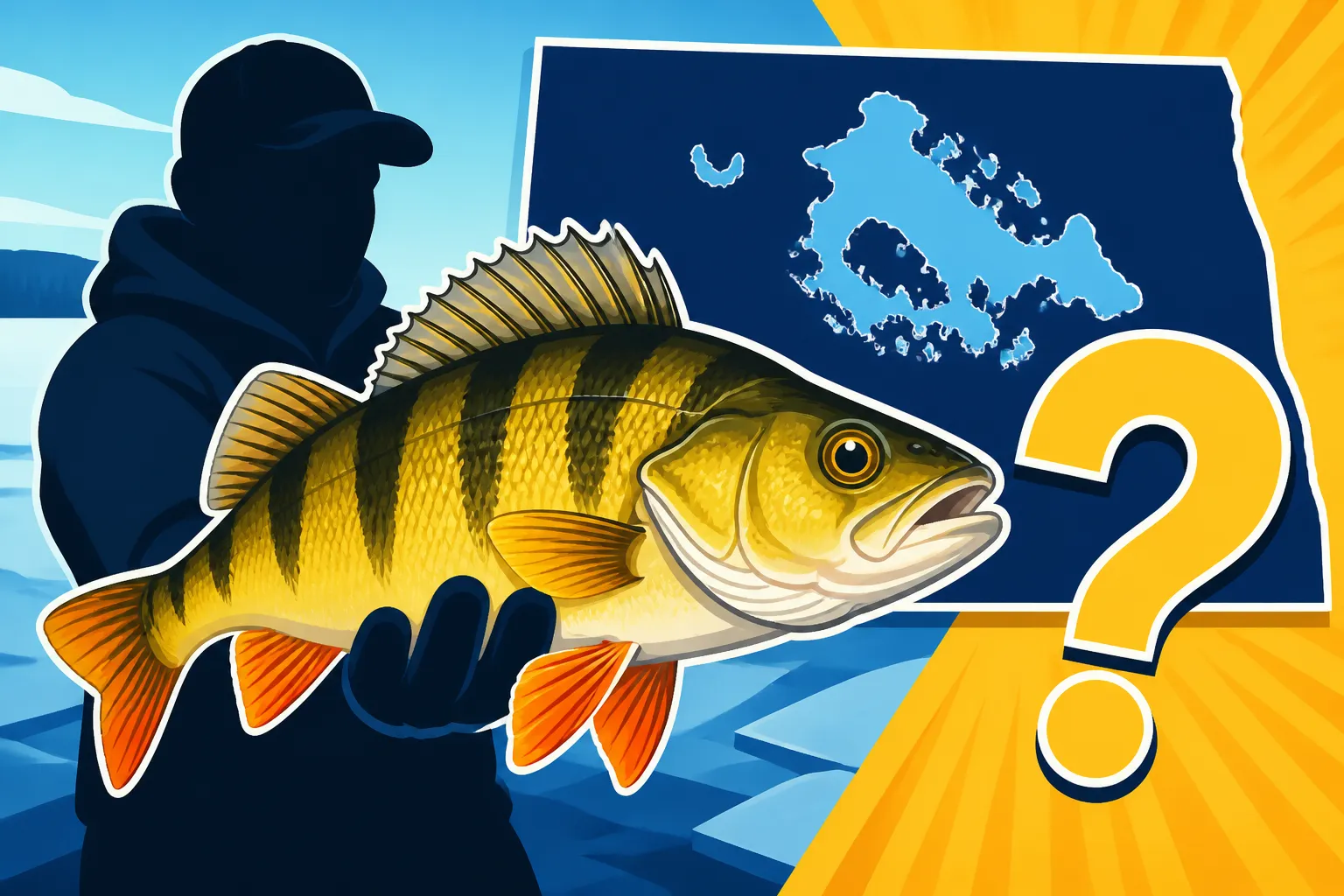
Was the Devils Lake Perch a New State Record?
There's nothing quite like the buzz that runs through the North Dakota angling community when whispers start about a truly monster fish being caught, especially when it's a species as beloved as the yellow perch from the legendary Devils Lake. Anglers spend countless hours dreaming of that once-in-a-lifetime catch, and when a picture of a behemoth perch starts circulating, it's natural to wonder: could this be the new state record? This guide will dive deep into the world of state record fishing, what it takes to make that monumental catch official, and clear up the excitement surrounding these incredible fish.
The Allure of a State Record Catch
For many of us who wet a line in North Dakota's abundant waters, the idea of catching a state record fish is the ultimate dream. It's more than just a big fish; it's a testament to skill, patience, and often, a little bit of luck. The excitement that ripples through local bait shops, online forums, and coffee shop conversations when a potential record surfaces is palpable.
Why State Records Matter to Anglers
Think about it: every time you head out, there's that quiet hope that today might be the day you connect with a true giant. A state record isn't just a number in a book; it represents the pinnacle of an angler's achievement, a story that will be told for generations. It elevates the angler to a revered status within the community and, importantly, highlights the incredible fisheries we are blessed with here in North Dakota. It's a goal that drives many of us to hone our techniques, explore new spots, and brave all kinds of weather.
For many, pursuing a record is about pushing the boundaries of what's possible, understanding fish behavior on a deeper level, and showcasing the health and vitality of our lakes and rivers. It's a challenging endeavor that requires dedication, from meticulously choosing the right bait to understanding seasonal movements. When someone does catch a fish that even might be a record, it ignites the imagination of every other angler out there, reminding us all that those giants are indeed swimming somewhere in our waters.
Devils Lake and Its Reputation for Big Perch
When we talk about big yellow perch in North Dakota, one name immediately comes to mind: Devils Lake. This sprawling, dynamic fishery has earned its reputation as a perch factory, producing consistent numbers of chunky, football-shaped perch that are the envy of anglers nationwide. It's a unique ecosystem, with fluctuating water levels creating an ever-changing landscape of flooded timber and new structure, which contributes to an incredibly rich food chain for perch.
The lake’s fluctuating water levels and abundance of submerged structure provide an ideal habitat for perch to thrive, gorging themselves on a plentiful diet of invertebrates and smaller baitfish. This rich environment means perch grow quickly and attain impressive sizes, making Devils Lake a prime destination for those chasing true jumbo perch. It's not uncommon to pull 12-to-14-inch perch from its depths, which are trophies by any standard, and the thought of an even larger one lurking makes every trip exciting. Devils Lake Perch Fishing Spots are legendary, and for good reason.
The very name Devils Lake has become synonymous with world-class yellow perch fishing, drawing anglers from all corners of the country who dream of catching one of its famous "Devils Lake gold" perch. This consistent production of large fish is precisely why any rumor of a new state record perch almost always originates from this incredible body of water. The potential is always there, lurking in those submerged trees and along those vast mudflats, making every bite a potential moment of history.
Understanding North Dakota's Fishing Record Keeping
Catching a truly massive fish is one thing; getting it certified as a state record is an entirely different, and much more rigorous, process. The North Dakota Game and Fish Department (NDGFD) maintains stringent rules to ensure that all state records are legitimate and accurately documented. It’s a process designed to leave no doubt, protecting the integrity of these coveted titles.
The Official Process for Certifying a State Record
So, you've landed what you believe could be a state record. What now? The first and most critical step is immediate verification of the weight. This isn't something you can do at home with your kitchen scale. The fish must be weighed on a certified scale, usually found at bait shops, grocery stores, or official weigh stations. These scales are regularly inspected for accuracy, and without one, your claim won't hold up. Speed is also essential, as fish can lose weight after being caught, even if kept cool.
Next, you need witnesses. Typically, at least two credible witnesses, not related to you, must observe the weighing and measure the fish's length and girth. They'll also need to verify the species, which is especially important for fish that have similar appearances, like walleye and sauger. Finally, a fisheries biologist or game warden from the North Dakota Game and Fish Department needs to officially inspect and identify the fish to confirm the species and ensure all rules were followed. They'll also typically take a tissue sample for genetic verification. It's a thorough process, but it's what ensures the record's legitimacy.
The Current North Dakota Yellow Perch State Record
For all the talk and excitement about new potential records, it's good to know the benchmark we're all striving for. The current North Dakota state record yellow perch is an absolute giant. This phenomenal fish weighed in at a stunning 2 pounds, 15 ounces. It was caught by Mike Dosch in 2003 from Devils Lake, cementing that lake's reputation for producing true trophy perch. How Big Was the Record Perch Caught on Devils Lake? The record has stood for many years, a testament to the immense size of that particular fish and the difficulty of surpassing it.
Imagine reeling in a perch that nearly tips the scales at three pounds! That’s an incredibly rare catch, even in a lake as productive as Devils Lake. For perspective, the average size of perch in many waters might be closer to half a pound or less. A fish approaching the current record is a truly exceptional specimen, often nearing 15 to 16 inches in length with a girth that makes it look like a football with fins. This 2-pound, 15-ounce perch isn't just a record; it's a legendary fish that sets a very high bar for any aspiring record breaker.
| Step | Description | Why It's Important |
|---|---|---|
| 1. Immediate Weighing | Weigh the fish as soon as possible after capture on a certified scale. Do not delay. | Fish lose weight post-mortem; certified scales ensure accuracy. |
| 2. Certified Scale | Locate a scale that has been inspected and certified for accuracy (e.g., at a bait shop, meat market, post office, or NDGFD office). | Guarantees the weight measurement is precise and verifiable. |
| 3. Witnesses | Have at least two unrelated adults observe the weighing, measuring (length and girth), and species identification. | Provides independent verification and credibility to the claim. |
| 4. Species Verification | Do not clean, gut, or alter the fish. Keep it whole and on ice. A fisheries biologist must confirm the species. | Prevents tampering and allows for definitive species identification. |
| 5. Contact NDGFD | Immediately contact the North Dakota Game and Fish Department (NDGFD) to report the catch and initiate the official review process. | Essential for starting the formal documentation and verification by authorities. |
| 6. Documentation | Fill out official paperwork provided by the NDGFD, including details of the catch, gear used, and witness information. Provide photos if available. | Creates a permanent, official record of the catch and its circumstances. |
The Buzz Around a Potential New Devils Lake Perch Record
When someone lands an unusually large perch on Devils Lake, word travels fast. It’s a natural reaction for anglers to share their excitement, and in today's digital age, a photo of a truly massive fish can go viral in minutes. This immediate, widespread sharing often fuels rumors long before any official verification can take place.
Navigating Social Media Hype and Rumors
We've all seen it: a blurry photo pops up on Facebook, or a friend-of-a-friend text message claims "the new record was just caught on Devils Lake!" The excitement is undeniable, and it's easy to get swept up in the possibility. These rumors often lack crucial details – like the exact weight, if it was weighed on a certified scale, or who witnessed it. Often, a really big fish, perhaps a personal best, gets mistaken for a state record by excited anglers who haven't been through the official process before.
It’s important to remember that a phenomenal catch, even one that might be considered a "trophy" for most anglers, doesn't automatically qualify as a state record. The criteria are incredibly specific, and many stories of potential records eventually fade because they couldn't meet those stringent requirements. It's not to say these aren't magnificent fish, but there's a big difference between a truly impressive catch and one that re-writes the record books. Think of it like this: a picture of a huge fish might be convincing on its own, but the official process requires a lot more than just a snapshot.
Sometimes, the rumor mill even gets species slightly off, or exaggerates the size. A perch might look enormous in an angler's hands held close to the camera, creating an optical illusion. While we all love to see big fish, exercising a little bit of healthy skepticism and waiting for official confirmation from the North Dakota Game and Fish Department is always a good idea. That way, when a new record is truly set, we can celebrate it with absolute certainty.
What Makes a Perch 'State Record Worthy'
So, beyond just being "big," what exactly elevates a yellow perch to state record potential? It comes down to truly exceptional size across multiple dimensions. The primary factor is, of course, weight. The current record is nearly three pounds, which means any contender needs to be pushing that limit. This isn't just about length; it's about a fish with incredible girth, a deep body, and a healthy, heavy build. Yellow Perch Identification and State Record details the characteristics of these giants.
These are the kind of fish that make you gasp when you pull them through the ice or boat them. They stand out dramatically from even other large perch in the same school. They are rare, old fish that have managed to avoid predators and find abundant food sources their entire lives. The combination of optimal habitat (like Devils Lake provides) and favorable environmental conditions over many years allows a select few perch to reach these truly astounding sizes.
The true record-worthy perch are not just long; they are incredibly stout. They often have shoulders that are broad, and bellies that are deep, giving them that "football" appearance. It's a combination of age, genetics, and environment that allows a few fish to grow beyond the typical large specimen into something truly extraordinary. That's why even in a lake famous for jumbo perch, a state record is still an incredibly rare event, the culmination of many factors aligning perfectly.
What to Do If You Think You've Caught a State Record
Okay, the unthinkable has happened. You've just pulled in a fish that, by all accounts, looks like it could smash the state record. Your hands are shaking, your heart's pounding. This isn't the time for a quick selfie and release. This is the moment to spring into action, following a precise set of steps to give your catch the best chance of being officially recognized.
Immediate Steps at the Lake
The very first thing you need to do is keep that fish alive, if at all possible, or at least keep it in pristine condition. If you're on a boat, get it into a livewell with fresh water immediately. If you're ice fishing, keep it cold and wet, perhaps in a large bucket with snow or ice, or even by carefully placing it back in the auger hole with a tether, if conditions allow. The goal is to prevent any weight loss due to dehydration or deterioration, as even a small drop can make the difference between a record and just a great story.
Whatever you do, do not gut, clean, or in any way alter the fish. The entire fish needs to be presented for species verification and weighing. Any modification could disqualify it. While you're securing the fish, gather your thoughts and, if you have fishing partners with you, designate them as official witnesses. Take clear photos, but remember, photos alone aren't proof of weight or species. Your priority should be getting the fish to a certified scale and getting in touch with the authorities as quickly as possible.
Contacting the North Dakota Game and Fish Department
As soon as you’ve secured the fish and identified potential witnesses, your next immediate step is to contact the North Dakota Game and Fish Department (NDGFD). They have specific procedures for handling potential record catches, and getting them involved early is critical. You can typically find their contact information on the official North Dakota Fishing Regulations Explained booklet or on their website. The sooner they are aware, the sooner they can guide you through the next steps and potentially send a local game warden or fisheries biologist to assist.
It’s a good idea to explain clearly and calmly what you believe you've caught and that you intend to have it weighed on a certified scale. They will advise you on the closest certified weighing stations and who needs to be present during the official measurement. This direct line of communication ensures that the proper protocol is initiated, which is absolutely vital for a record to be accepted. Trying to navigate this alone, without official guidance, can lead to costly mistakes that could invalidate your claim.
The Weighing and Verification Process
Once you've contacted the NDGFD and kept your fish in prime condition, the next critical step is getting it to a certified scale. These are not just any scales; they are calibrated and approved for commercial use, ensuring accurate weight measurements. Bait shops are often equipped with such scales, as are many grocery stores or meat markets. The NDGFD may even have an official scale at one of their offices. Bring your witnesses with you to this location.
At the certified scale, the fish will be carefully weighed, and its length and girth will be measured. Your designated witnesses will need to observe this process. Crucially, a fisheries biologist or game warden will conduct a thorough visual inspection to confirm the species. This prevents misidentification, which can happen with similar-looking fish. They might also take a small tissue sample for genetic analysis, just to be absolutely certain. Only after this comprehensive process is complete and all documentation is filled out can the NDGFD consider your catch for a state record. This meticulous verification is what makes the North Dakota records so trustworthy.
Dispelling Myths and Understanding Realities
Despite the excitement, the vast majority of "potential" state records never actually make it into the record books. This isn't because the fish aren't impressive, but because the path from "big fish" to "state record" is filled with strict requirements that are often overlooked in the heat of the moment. It's a tough standard to meet, and rightly so, to maintain the integrity of our state records.
Why Most "Record" Fish Don't Qualify
There are several common pitfalls that cause magnificent catches to fall short of state record status. Perhaps the most frequent issue is the lack of a certified scale. Many anglers simply don't have access to one immediately, or they use a personal scale that isn't calibrated. Even if a fish is truly record-breaking, an unverified weight measurement won't count. Another common problem is improper handling. If the fish isn't kept cold and moist, or if it's gutted, it loses critical weight, or is disqualified from species verification.
Sometimes, it's a simple species misidentification. Anglers might mistake a very large white bass for a record smallmouth, or a sauger for a walleye, or perhaps even a hybrid fish. The NDGFD's verification process is designed to prevent these errors. Then, there's the sheer unlikelihood of it all. Even in productive waters like Devils Lake, a fish that surpasses the current record by a measurable margin is exceedingly rare. Many anglers catch personal bests that are absolutely huge, but still fall ounces or fractions of an inch short of the official state record. This makes the existing records even more impressive, as they truly represent the giants among giants.
The Thrill of a Personal Best vs. a State Record
While the chase for a state record is exhilarating, it's crucial to remember that fishing is about more than just breaking records. Catching a "personal best" – the biggest fish of a certain species you've ever landed – is an incredible accomplishment in its own right, and arguably, just as rewarding. That feeling of battling a truly exceptional fish, bringing it to the net, and admiring its size and beauty is what keeps us coming back to the water, season after season. Many anglers would agree that a personal best, especially a trophy-sized perch from Devils Lake, is something to be celebrated enthusiastically.
Whether it’s a 14-inch perch that bests your previous 13-inch mark, or a northern pike that pushes past the 20-pound barrier, these personal victories are what fuel our passion. The stories, the photos, the memories made on the water – these are the true treasures of fishing. So, while the rumors of a new state record perch from Devils Lake are exciting and fun to follow, don't let the strict rules of official records diminish the joy and pride of landing a truly magnificent fish that sets a new bar for you. That’s a win in any angler's book. You can even find great gear for commemorating these catches, like a good quality cooler on Amazon to keep your trophy fresh, or a nice frame for a photo.
Disclaimer
This article is for general informational purposes only and does not constitute professional advice. Laws, prices and regulations vary by location and change over time. Consult a qualified professional for guidance on your specific situation.