North Dakota Crappie State Record
There’s a unique thrill that comes with chasing a state record, isn't there? It’s more than just a big fish; it’s a legend, a testament to an angler's skill, patience, and a little bit of luck. For many North Dakota anglers, the crappie record is a quiet goal, a whispered dream while out on the water. This guide dives deep into the details of North Dakota's current crappie state record, exploring the species, where these giants might be lurking, and what it takes to potentially etch your own name into the record books.
The Elusive North Dakota Crappie State Record
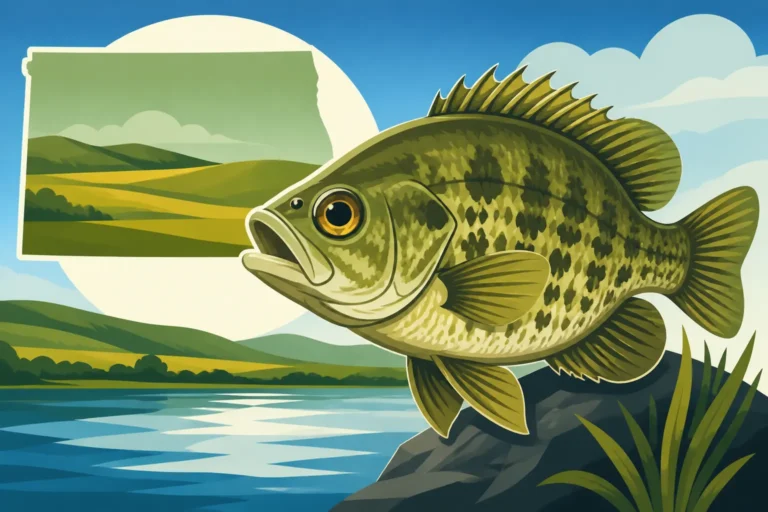
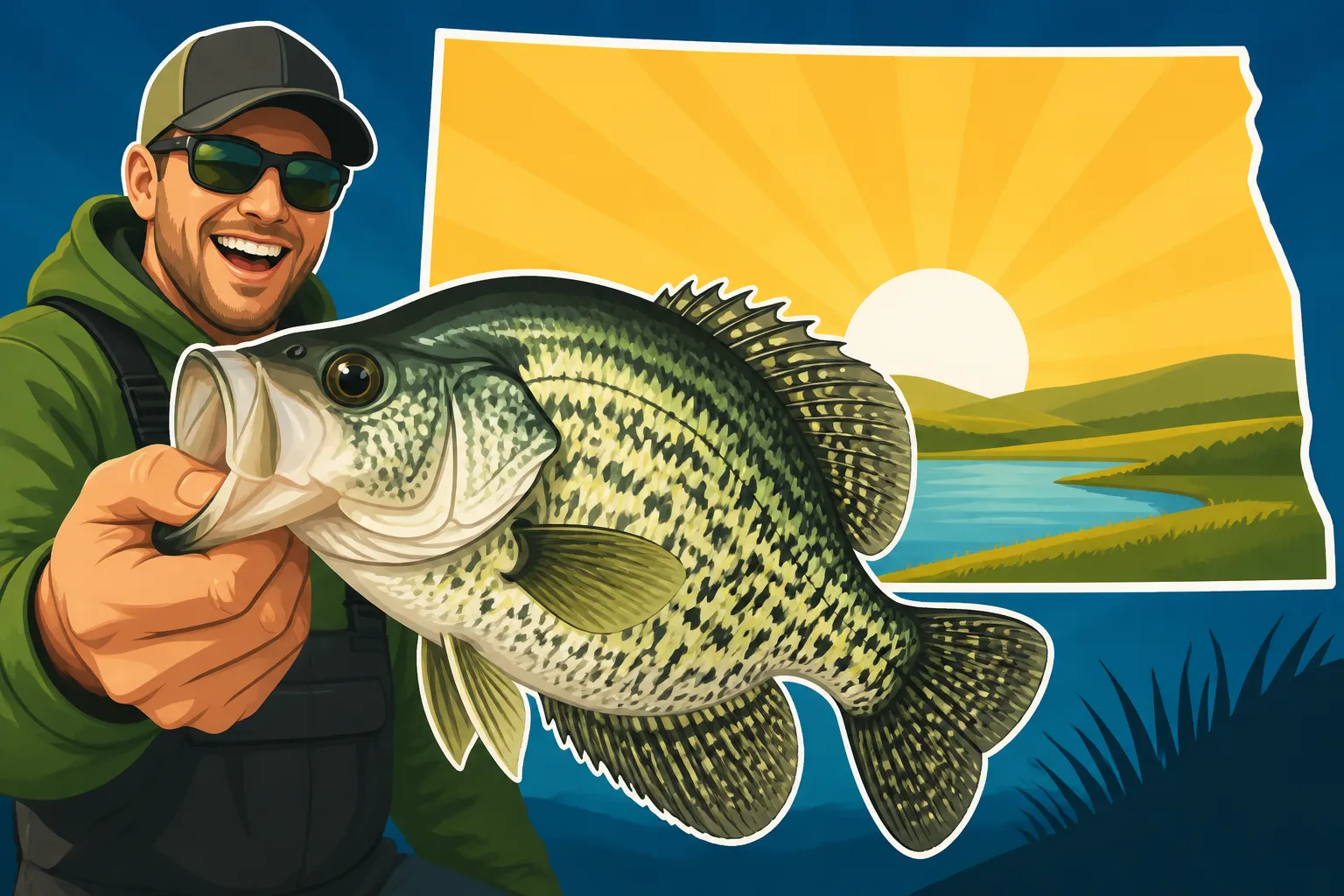
When you talk about state records, especially for panfish like crappie, you're talking about a fish that defied expectations, growing beyond what most anglers ever see. The current North Dakota state record for crappie is a truly impressive specimen, a catch that captures the imagination of anyone who loves to drop a line. This record-breaking crappie tipped the scales at an astounding 3 pounds, 4 ounces, showcasing the incredible potential for these speckled beauties in our North Dakota waters. It was a black crappie, caught way back in 1958 by a dedicated angler named Frank Kortuem from a private pond in McLean County. Just imagine the excitement of pulling a fish of that caliber from the water! It’s been a long-standing record, proving just how exceptional that catch truly was and how challenging it is to surpass.
Many anglers might wonder if the record distinguishes between black crappie and white crappie. For North Dakota, the "crappie" state record typically encompasses both species under one umbrella, largely because they share similar habitats and growth potentials, and from a regulatory perspective, they're often managed similarly. The fact that the record holder is a black crappie gives us some clues about the conditions and environments that can produce such giants. These record-setting fish aren't just lucky catches; they are usually the result of excellent genetics, abundant food sources, and ideal habitat that allows them to live long enough to reach such impressive sizes. It takes a perfect storm of factors, and the longevity of this record only underscores that point.
Understanding North Dakota's Crappie Species and Their Habitats
North Dakota is home to both black crappie and white crappie, and while they look similar at first glance, understanding their subtle differences and preferred habitats can be key to finding those larger, potential record-breaking fish. Knowing what kind of water they thrive in, what they eat, and how they behave can significantly increase your chances of not just catching crappie, but catching the kind of crappie that makes you grab a scale.
Black Crappie Characteristics and Preferred Waters
Black crappie, the species that holds our state record, are often considered the connoisseurs of crappie, preferring clearer, cooler water with plenty of submerged vegetation and structure. Think about those hidden pockets in lakes or the back bays of larger reservoirs like Lake Sakakawea where timber has fallen into the water. They love to hang out around brush piles, downed trees, weed lines, and even old dock pilings. These structures provide them with both ambush points for feeding on smaller baitfish and insects, and crucial cover from larger predators.
You'll notice black crappie tend to have seven or eight dorsal spines, and their bodies are usually darker, often with irregular blotches or spots. They are generally more active during daylight hours compared to their white crappie cousins, though low-light conditions are still often best for their bite. When you're fishing for black crappie, especially if you're targeting big ones, focus on areas with stable water levels and good water clarity where sunlight can penetrate, fostering the growth of the vegetation they rely on. Many anglers find success seeking out Black Crappie Habitat in North Dakota for their next outing.
White Crappie Characteristics and Preferred Waters
White crappie, on the other hand, are a bit more adaptable and tolerant of varying water conditions. They can often be found in waters that are a little more turbid or murky, and they tend to prefer areas with less vegetation but still plenty of vertical structure. You might find them in the slower stretches of rivers, larger flood control reservoirs, and shallower, muddier lakes. They are excellent residents of places like the Red River or the lower reaches of the Missouri, where current and sediment are more prevalent.
Distinguishing a white crappie from a black crappie is fairly easy once you know what to look for: white crappie typically have five or six dorsal spines, and their bodies are usually lighter, with distinct vertical bars rather than irregular spots. They are also known to be more active during twilight hours or even at night, making them a fantastic target for after-dark fishing trips. While the current record is a black crappie, white crappie can also grow to impressive sizes in North Dakota, and understanding the White Crappie vs Black Crappie in North Dakota distinctions can help you adjust your tactics to match the species you're pursuing. Focusing on finding good vertical cover like bridge pilings, old submerged fences, or deep channels can be very productive for white crappie. For those keen on exploring the potential of both species, researching Where to Find Crappie in North Dakota Lakes is a great starting point.
Here's a quick comparison of the two crappie species you'll find in North Dakota:
| Feature | Black Crappie | White Crappie |
|---|---|---|
| Dorsal Spines | 7-8 spines | 5-6 spines |
| Color/Markings | Darker body, irregular blotches/spots | Lighter body, distinct vertical bars |
| Preferred Water | Clearer, cooler water, abundant vegetation | More tolerant of turbid water, less vegetation |
| Habitat | Brush piles, downed trees, weed lines, docks | Slower rivers, large reservoirs, shallower muddy lakes |
| Activity Peak | Generally more active during daylight (low light still good) | Often more active during twilight or night |
Strategies for Targeting Trophy Crappie in North Dakota
Chasing a state record crappie isn't about random luck; it’s about methodical effort, understanding fish behavior, and employing the right techniques at the right time. While a 3-pound, 4-ounce crappie is a rare beast, consistent catches of large crappie are achievable if you apply smart strategies.
Prime Seasons and Conditions
Crappie fishing in North Dakota is fantastic year-round, but certain seasons offer better opportunities for trophy fish.
- Spring: This is arguably the best time to target large crappie, especially during the pre-spawn and spawning periods. As water temperatures rise into the 50s and low 60s, crappie move into shallower waters, often in less than 5 feet, to spawn. They congregate around emergent vegetation, brush, and old docks. This makes them more accessible and aggressive. Look for bays and coves that warm up faster. Understanding How to Find Crappie in Spring can give you a significant advantage, as they become more predictable.
- Summer: During the heat of summer, crappie tend to move to deeper, cooler water. They'll relate to submerged structures like humps, points, and channel edges, often suspending over open water or holding tight to cover at various depths. Fishing during low-light conditions, like early morning, late evening, or even at night, can be incredibly effective when they move shallower to feed.
- Fall: As water temperatures begin to drop in autumn, crappie become more active again, feeding heavily to prepare for winter. They can often be found schooling in deeper parts of the lake or reservoir, but will also move into shallower areas during warmer periods of the day. This can be a fantastic time for active jigging or trolling.
- Winter: Don't put your rods away! Ice fishing for crappie in North Dakota is immensely popular and can produce some giants. Crappie will often school in basins or around deep structure under the ice. While they can be finicky, patience and the right technique can lead to incredible hauls. If you're looking to extend your crappie season, exploring Ice Fishing Techniques for Crappie is a must.
Go-To Baits and Lures for Big Crappie
When it comes to baits and lures for crappie, simplicity and finesse often win the day, especially for the larger, more cautious fish.
- Live Bait: Minnows are the undisputed king for crappie, particularly larger ones. A small to medium-sized fathead or crappie minnow fished under a slip bobber or on a small jig head is deadly. Shiners or rosy reds can also work. The natural movement and scent of a live minnow are hard to beat. If you're wondering which live bait performs best, check out Best Bait for Crappie in North Dakota.
- Artificials: Small jigs are incredibly effective. Think tiny tube jigs, curly-tail grubs, or even small marabou jigs in sizes from 1/32 to 1/8 ounce. Color can be crucial; chartreuse, white, black, and motor oil are often top producers, but experimenting is always key. Small crankbaits or spoons can also entice bigger crappie, especially when trolled slowly over suspended schools or along deep weed lines. The key is to match the hatch, imitating the size and color of the baitfish crappie are feeding on.
- Scent: Don't underestimate the power of scent! Adding a dab of crappie attractant to your artificial lures can make a huge difference, especially on slower days or in pressured waters.
Essential Gear for Crappie Hunting
Having the right gear won't guarantee a record, but it will certainly improve your odds and make the experience more enjoyable.
- Rods: A light or ultralight action spinning rod, typically 5 to 7 feet long, is ideal. This allows you to feel those subtle crappie bites and provides enough backbone to handle a good-sized fish without overpowering the delicate lures you'll be using. For a deeper dive into rod choices, consider researching Best Fishing Rods for North Dakota Anglers.
- Reels: Pair your light rod with a small, smooth spinning reel (size 1000 or 2000). A good drag system is essential for battling larger crappie, which can make surprisingly strong runs.
- Line: Light line is crucial for crappie. 4 to 6-pound test monofilament or fluorocarbon is generally sufficient. It's thin enough to allow your small jigs to sink naturally and doesn't spook wary fish.
- Electronics: A good fish finder is invaluable for locating crappie schools and the structure they relate to, whether you're in a boat or on the ice. Side imaging and down imaging technologies can help you pinpoint brush piles or submerged trees that hold fish. There are many excellent options available on retailers like Amazon that cater to various budgets. For specific recommendations, check out resources like Best Fish Finders for North Dakota Lakes.
- Storage: Keep your crappie fresh! A quality cooler with ice, or a livewell, is essential, especially if you think you’ve caught a potential record. You can find excellent portable coolers and live bait buckets with aerators on Amazon to keep your catch in prime condition.
Reporting Your Potential State Record Catch
So, you've landed what feels like the fish of a lifetime – a crappie so large it makes your heart pound. What do you do next? The process for verifying a state record is quite specific, and following it precisely is crucial for your catch to be officially recognized. It’s an exciting moment, but also one that requires clear thinking and adherence to the rules laid out by the North Dakota Game and Fish Department.
Immediate Steps After Landing a Giant
The moments right after you catch a potential state record are critical. Time is of the essence, and how you handle the fish can make or break your claim.
- Don't release it! This might seem obvious, but some anglers have catch-and-release ingrained. For a state record, the fish must be retained for verification.
- Keep it Alive (if possible): While not always feasible for crappie, if you have a livewell or a large aerated bucket, try to keep the fish alive. A live fish can be weighed more accurately and is easier for biologists to verify the species without damage.
- Handle with Care: If you cannot keep it alive, preserve the fish as best you can. Place it on ice immediately in a cooler to prevent dehydration and spoilage. A fresh fish is easier to identify correctly.
- Measure and Photograph: Take preliminary measurements (length and girth) and several clear photographs from different angles, especially if you have a ruler or measuring board handy. These aren't official but can be useful later.
- Seek Witnesses: If you have fishing partners with you, their testimony will be valuable. Get their contact information.
- Contact ND Game and Fish Department: This is the most important step. As soon as you suspect you have a record, or even a contender for a Master Angler award, contact a North Dakota Game and Fish Department representative or a local game warden immediately. They can guide you through the next steps and connect you with a certified scale. Their contact information is readily available online and in the North Dakota Fishing Regulations Explained booklet. Remember, you'll also need a valid fishing license, which you can learn about in the North Dakota Fishing License Guide.
The Verification Process
Once you've made contact, the official process begins. It requires patience and cooperation with the Game and Fish Department.
- Official Weigh-In: The fish must be weighed on a state-certified scale. This is typically found at post offices, butcher shops, or some bait and tackle stores that have been certified. The Game and Fish Department will direct you to the nearest approved location. The weighing must be witnessed by a Game and Fish representative or an authorized agent, ensuring fairness and accuracy.
- Species Identification: A Game and Fish biologist will need to positively identify the species of your catch. This is where features like dorsal spine count, fin rays, and body markings come into play. They'll ensure it is indeed a crappie and not a hybrid or another similar species.
- Documentation: You'll need to complete official paperwork, providing details about where and when the fish was caught, the bait or lure used, and your personal information. This information is critical for maintaining accurate state records.
- Await Confirmation: After all the steps are completed, the Game and Fish Department will review the documentation and make the final determination. If everything checks out, congratulations – you'll have earned your place in North Dakota's fishing history!
This process is designed to ensure the integrity of state records, making sure that every fish that earns that title is accurately identified and weighed. It's a testament to the dedication of anglers and the resources of our state to celebrate these remarkable catches.
Disclaimer
This article is for general informational purposes only and does not constitute professional advice. Laws, prices and regulations vary by location and change over time. Consult a qualified professional for guidance on your specific situation.