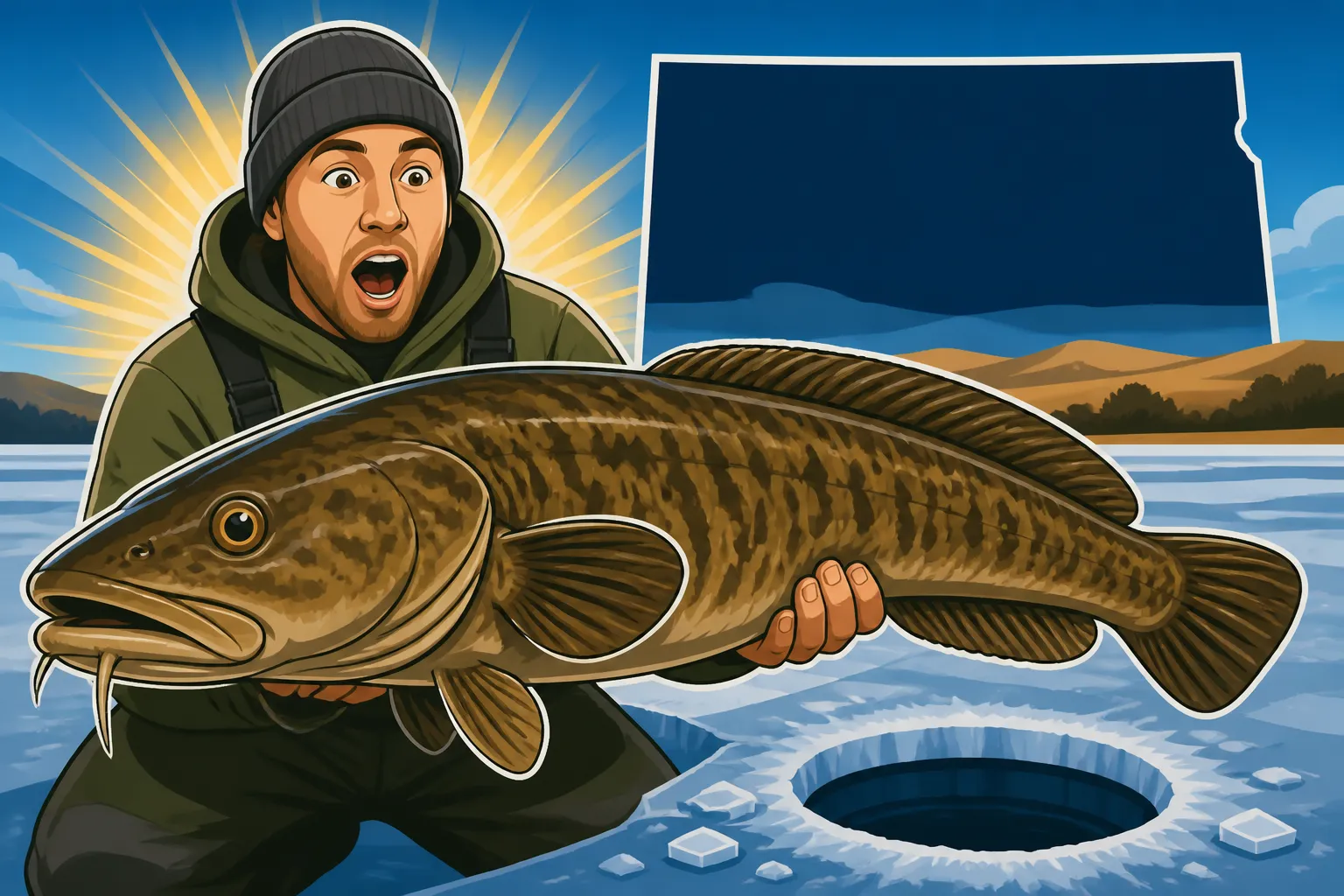
Biggest Burbot Ever Caught in North Dakota
There's something truly special about chasing a fish that's a bit out of the ordinary, especially when you're dreaming of a true trophy. For many North Dakota anglers, the elusive and fascinating burbot fits that bill perfectly. These unique freshwater cod are often shrouded in a bit of mystery, but when you hook into a big one, it's a fight you won't soon forget. This guide is all about celebrating the biggest burbot ever caught in our great state and diving deep into what makes these fish so captivating, where to find them, and how to put one of these "poor man's lobsters" on your line.
The North Dakota State Record Burbot: A True River Monster
Imagine reeling in a fish that makes you second-guess everything you thought you knew about freshwater species. That's often the reaction when someone encounters a truly massive burbot, and the North Dakota state record is a prime example of just how impressive these fish can grow. It wasn't caught in some exotic, faraway land, but right here in our own waters, proving that trophy potential lurks beneath our icy surfaces and deep river bends.
Unpacking the Record-Breaking Catch
The current North Dakota state record burbot is a true leviathan, weighing in at an incredible 18 pounds, 4 ounces. This monster fish was caught by Darin Wald on the mighty Missouri River back in 1983. Think about that for a moment: 18 pounds of pure, wriggling muscle, pulled from the depths. It's a testament to the robust fishery we have here and the sheer size these cold-water predators can achieve. Catching a fish of that magnitude requires a combination of skill, patience, and a bit of luck, but it also speaks volumes about the health of the habitat it came from. The Missouri River, with its deep channels and varied structure, provides the perfect environment for burbot to thrive and grow to such impressive dimensions. It makes you wonder what other giants are still swimming down there, just waiting for the right angler and the right presentation.
What Makes Burbot So Unique?
Burbot, often affectionately (or sometimes a bit disdainfully) called "eel-pout" due to their somewhat elongated, eel-like body and large mouth, are the only freshwater member of the cod family found in North America. This alone makes them a fascinating study. They have a single barbel, or whisker, on their chin, which they use to root around on the bottom for food in low-light conditions. Their skin is smooth, without scales, and often has a mottled, camouflaged pattern of olive green, brown, and yellow. They are distinctly cold-water fish, preferring deep, dark, and often swift-moving water, especially during the warmer months. As temperatures drop, particularly in winter, they become much more active, often moving into shallower feeding areas. This seasonal shift is key to understanding where and when to target them. Beyond their unique appearance, burbot are known for their firm, white, flaky meat, which has earned them the nickname "poor man's lobster." Cooked correctly, their flesh is incredibly delicious, a delightful bonus for any angler who manages to land one. If you're curious to learn more about their appearance, you might want to read our guide on What Does a Burbot Look Like?.
Hunting for the "Eel-Pout": Where to Find North Dakota Burbot
Finding burbot isn't always easy, as they prefer specific habitats and are most active during times when many anglers are tucked indoors. But for those willing to brave the elements, especially the cold, the rewards can be significant. Knowing their preferred haunts and activity patterns is half the battle in tracking down these intriguing fish.
Key Habitats for Burbot
In North Dakota, the primary stronghold for burbot is the Missouri River system, including the expansive waters of Lake Sakakawea and the northern reaches of Lake Oahe. These massive bodies of water offer the deep, cold, oxygen-rich environments that burbot absolutely love. On Lake Sakakawea, you'll often find them congregating around deep points, humps, and submerged timber, especially in the larger bays and main lake basins. Look for areas where the depth drops rapidly from shallower flats into deeper channels. The Garrison Dam tailrace area on the Missouri River is another prime location, offering consistent cold water and plenty of current, which burbot utilize. While the Missouri River system is their main habitat, burbot can also be found in other deeper, colder lakes, though usually not in the same abundance. When you're scouting for potential spots, consider contour maps your best friend. Any sudden drop-offs, deep holes, or areas with rocky or gravel bottoms in 30 to 70 feet of water are worth exploring. To get a broader idea of where to cast your line, check out our guide on Best Places to Fish in North Dakota.
Seasonal Movements and Prime Times
Burbot are a quintessential cold-weather species. While they inhabit our waters year-round, their activity levels and locations change dramatically with the seasons. During the heat of summer, they retreat to the deepest, coolest parts of a lake or river, often becoming sluggish and harder to catch. However, as fall progresses and water temperatures begin to drop, they start to become more active, feeding more aggressively in preparation for winter.
The absolute prime time for burbot fishing in North Dakota is during the late fall and, most notably, the winter months, often peaking from December through March. This is when they move into more accessible depths, sometimes even into shallower areas (10-30 feet) to feed, and are especially active at night. Their spawning period typically occurs in late winter, often under the ice, which can trigger intense feeding frenzies both before and after the spawn. For specific information on what to expect throughout the year, our North Dakota Fishing Season Dates and Limits guide can offer more seasonal insights for various species, though burbot are typically an open-season species.
Targeting Trophy Burbot: Tips and Techniques
If you're serious about landing a state-record contender or even just a respectable burbot, you need to understand their behavior and equip yourself with the right tools and strategies. This isn't your average panfish pursuit; it requires a bit of dedication and a willingness to embrace the chill.
Essential Gear for Burbot Anglers
When you're out chasing these deep-water dwelling fish, especially during the colder months, having the right gear is paramount. You'll want a medium-heavy to heavy action rod, about 6 to 7 feet long, paired with a sturdy spinning or baitcasting reel. A good quality reel will stand up to the cold and the fight of a strong burbot. Spool your reel with 20-30 pound braided line, which offers sensitivity in deep water and the strength to pull up a big fish from challenging structure. Fluorocarbon or monofilament leaders in the 15-20 pound range are also recommended, as burbot aren't particularly line-shy but the leader provides abrasion resistance.
Beyond your rod and reel, glow-in-the-dark baits and scents are absolute game-changers for burbot. These fish rely heavily on their sense of smell and sight in the dark depths. Keeping a good supply of glow jigs, spoons, and soft plastics that can be tipped with bait is key. You can find a fantastic selection of these specialized items, along with heavy-duty cold-weather apparel, online at retailers like Amazon, ensuring you're prepared for whatever North Dakota winter throws at you. For a complete overview of what you might need when the ice is solid, check out our Best Ice Fishing Gear for North Dakota article.
Effective Baits and Rigs
Burbot are primarily bottom feeders, and their diet consists mostly of smaller fish, crayfish, and other invertebrates. Therefore, presenting your bait on or very close to the bottom is crucial. The most effective setup often involves a heavy jig, spoon, or a three-way swivel rig with a bell sinker to keep your bait anchored near the bottom.
- Dead Bait: This is arguably the most consistent producer for burbot. Pieces of oily fish like cisco, smelt, or even cut walleye belly work incredibly well. Hook the bait through the head or back and let it lay on the bottom. The scent trail is what really calls them in.
- Jigging: Using heavy jigging spoons, like Northland Buck-Shot Rattle Spoons or Rapala Jigging Raps, tipped with a piece of bait can be very effective, especially when actively searching for fish. The glow versions are particularly deadly at night. Aggressively jig your lure a few feet off the bottom, then let it fall and pause.
- Scent: Don't underestimate the power of scent. Applying a strong fish attractant, especially those with garlic or anise, to your artificial lures or even your dead bait, can significantly increase your strike rate.
For more generalized bait strategies that can be adapted for burbot, our guide on Best Bait for North Dakota Fishing provides a solid foundation.
The Thrill of Night Fishing
To truly maximize your chances of catching a trophy burbot, you simply must embrace night fishing. Burbot are predominantly nocturnal hunters, their eyes and sensory barbels perfectly adapted for low-light conditions. While you can catch them during the day, their activity peaks significantly after sundown and often continues through the darkest hours of the night.
Fishing at night, especially during winter, comes with its own set of considerations. You'll need good lighting, like a reliable headlamp or a powerful lantern for your ice house. Warm clothing, a portable heater, and plenty of hot beverages are essential to stay comfortable. Be sure to tell someone where you're going and when you expect to return. The quiet solitude of a North Dakota winter night, broken only by the crack of the ice or the scream of a reel as a big burbot takes your bait, is an unforgettable experience. Plus, with fewer anglers out, you'll often have prime spots all to yourself. Always be aware of North Dakota Night Fishing Rules and ensure you comply with all local regulations, especially concerning ice shelter lights. You can find robust headlamps and portable heaters on Amazon to make your night fishing adventures safe and enjoyable.
Beyond the Record: Enjoying North Dakota Burbot Fishing
Catching a burbot, whether it's a state record or not, is a unique experience. But the journey doesn't end when the fish is on the ice. These fish offer more than just a challenging catch; they are also a culinary delight and an important part of our ecosystem, requiring responsible angling.
Culinary Delights: "Poor Man's Lobster"
If you've never tried burbot, you're in for a treat. Their firm, white, flaky meat is truly exceptional, rivaling even some saltwater species. Many anglers agree that it tastes remarkably similar to lobster, which is where its popular nickname, "poor man's lobster," comes from. The key to unlocking this deliciousness lies in proper handling and preparation.
First, keep your burbot on ice immediately after catching it. Their flesh is best when fresh and chilled. When cleaning, the skin peels off relatively easily once you get a good starting point, usually with pliers near the head. Many prefer to remove the backbone and ribs, leaving you with boneless fillets that are perfect for a variety of cooking methods. They can be boiled and served with butter, just like lobster, or fried, baked, or grilled. The delicate flavor holds up well to various seasonings, but often, simple is best to let the natural taste shine through. If you’re questioning if it’s worth the effort, our article Is Burbot Good to Eat? will definitely convince you.
Conservation and Regulations
While burbot aren't typically a heavily pressured species in North Dakota, responsible angling is always important. Familiarize yourself with the current North Dakota Fishing Regulations Explained to understand any limits or specific rules pertaining to burbot. Generally, burbot are considered a species with liberal limits, often included in the daily general possession limits for "other species." However, regulations can change, and it's always your responsibility as an angler to know before you go.
Practicing catch and release for smaller fish or those you don't intend to eat helps maintain healthy populations. If you're targeting a trophy, be prepared with a good camera and measure the fish quickly before releasing it if you're not planning to keep it. These hardy fish, when handled with care, have a good survival rate after release. Contributing to a sustainable fishery ensures that future generations of anglers can also experience the thrill of chasing North Dakota's unique and record-setting burbot. For a comprehensive overview of all fish species, including regulations that might pertain to burbot, consider our Complete List of Game Fish Species in North Dakota.
| Characteristic | North Dakota State Record Burbot (Darin Wald) | Typical Large Burbot (Trophy) | Average Burbot |
|---|---|---|---|
| Weight | 18 lbs, 4 oz | 10-15 lbs | 2-5 lbs |
| Length | Not officially recorded, estimated over 30" | 25-30 inches | 15-22 inches |
| Location | Missouri River | Missouri River, Lake Sakakawea | Various deep lakes |
| Year Caught | 1983 | Anytime | Anytime |
| Primary Habitat | Deep, cold river channels | Deep, cold lakes & rivers | Deep, cold areas |
| Activity Peak | Winter, Night | Winter, Night | Winter, Night |
| Edibility | Excellent ("Poor Man's Lobster") | Excellent | Excellent |
Disclaimer
This article is for general informational purposes only and does not constitute professional advice. Laws, prices and regulations vary by location and change over time. Consult a qualified professional for guidance on your specific situation.