North Dakota Shovelnose Sturgeon Regulations
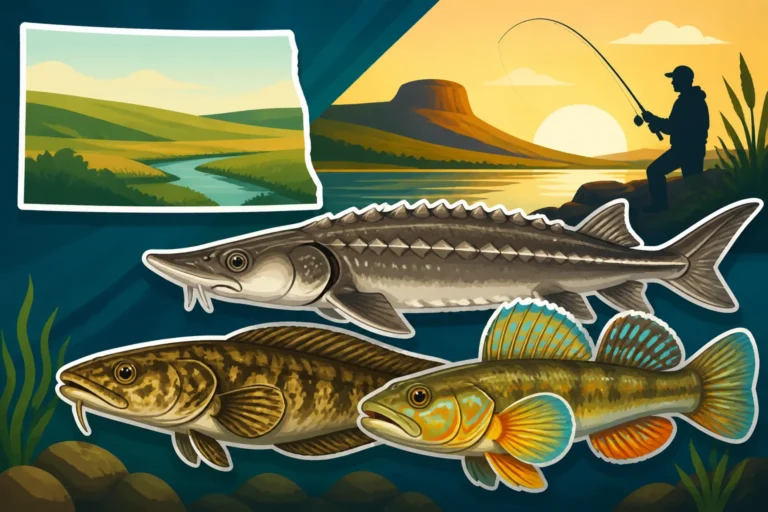
There's nothing quite like the thrill of feeling a heavy, powerful fish on the end of your line, especially when it's something as ancient and unique as a sturgeon. In North Dakota, anglers often wonder about the rules for these prehistoric beauties, and specifically, what's allowed when it comes to shovelnose sturgeon. This guide is here to untangle the regulations, help you identify these fascinating fish, and ensure you're fishing responsibly and legally in the Peace Garden State.
Understanding North Dakota's Shovelnose Sturgeon Regulations
For many anglers, the idea of catching a sturgeon immediately brings up images of massive, rare fish with incredibly strict rules. While that's certainly true for some sturgeon species, the shovelnose sturgeon in North Dakota has its own set of distinct regulations. It's crucial to understand these rules, not just to stay on the right side of the law, but also to contribute to the conservation of these magnificent creatures. Unlike some other states or species, North Dakota's approach to shovelnose sturgeon is straightforward, but it demands careful attention from every angler.
The "Catch-and-Release Only" Mandate
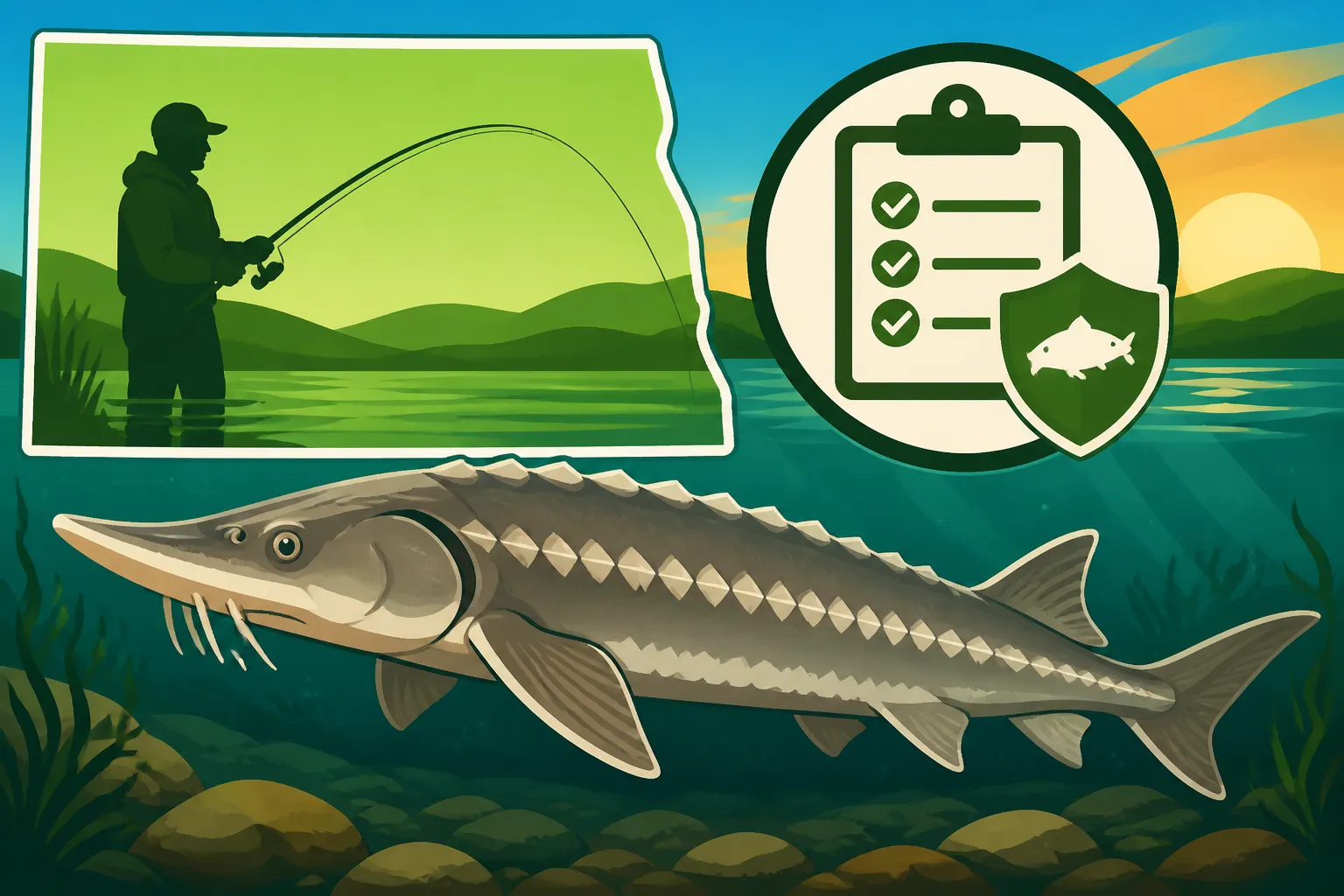
Let's get straight to the most important rule: shovelnose sturgeon in North Dakota are strictly catch-and-release only. This isn't just a suggestion; it's a firm regulation designed to protect and conserve these native fish populations. You cannot harvest, keep, or possess a shovelnose sturgeon, no matter its size or condition. If you catch one, the expectation is that you will release it back into the water as quickly and gently as possible.
This regulation stems from a deep understanding of sturgeon biology. These fish are incredibly long-lived, slow to mature, and don't reproduce as frequently as many other game fish. Their populations can be very vulnerable to overharvesting. While shovelnose sturgeon aren't currently listed as federally endangered or threatened, their numbers have faced challenges in the past due to habitat alteration and historical fishing pressures. The catch-and-release mandate is a proactive measure to ensure that future generations of anglers can also experience the wonder of catching these unique fish. It's a testament to our collective responsibility as stewards of North Dakota's aquatic resources.
When you've hooked a shovelnose, the excitement is palpable, but remember that the fish's well-being is paramount. Minimize its time out of the water, handle it gently, and release it in a way that gives it the best chance of survival. Think of it as a respectful encounter with a living dinosaur.
Required Licenses and Permits
So, do you need a special license to fish for these prehistoric bottom-dwellers, even if you can't keep them? The good news is, for shovelnose sturgeon, your standard North Dakota fishing license is all you need. There isn't a separate tag or permit required specifically for shovelnose sturgeon, which simplifies things considerably. This is a common point of confusion, especially since some other sturgeon species, like the paddlefish during its snagging season, do require a special tag. But for shovelnose, it's business as usual on the licensing front.
If you're a North Dakota resident, you'll need a current North Dakota Fishing License Guide, and for most resident anglers, this also includes the purchase of a Fishing, Hunting, Furbearer Certificate. This certificate isn't just a piece of paper; it's a foundational requirement that supports wildlife and fisheries management across the state. You can learn more about it in The Fishing, Hunting, Furbearer Certificate Explained. Non-residents will also need their appropriate North Dakota non-resident fishing license. Ensure your license is valid before you head out, as game wardens are vigilant in checking compliance to protect our valuable fisheries.
Keeping your license up to date is easy, with options to purchase or renew online, at various vendors, or through the state's mobile app. There's no excuse for not having the proper documentation. A valid license is your ticket to enjoying all the incredible fishing opportunities North Dakota has to offer, including the chance to tangle with a powerful shovelnose sturgeon.
Distinguishing Shovelnose Sturgeon from Other Sturgeon Species
One of the most critical aspects of fishing for shovelnose sturgeon in North Dakota is being able to tell them apart from other sturgeon species, particularly the federally endangered pallid sturgeon. Misidentification can have serious consequences, not just for the fish, but for you as an angler. While a general North Dakota fishing license covers shovelnose sturgeon, catching and possessing a pallid sturgeon is strictly prohibited and can lead to significant penalties. This isn't about being an expert ichthyologist, but about knowing a few key characteristics to ensure you're compliant and doing your part for conservation.
Shovelnose vs. Pallid Sturgeon: Why Identification Matters
The shovelnose sturgeon and the pallid sturgeon share a similar torpedo-shaped body, bony plates (scutes), and an underslung mouth with four barbels. They both belong to the sturgeon family, but they are distinct species with very different conservation statuses. The pallid sturgeon is a protected species under the Endangered Species Act, and its recovery in the Missouri River system is a significant focus for conservation efforts, as detailed in Pallid Sturgeon Recovery in the Missouri River. Accidentally harming or failing to immediately release a pallid sturgeon is a serious offense.
Here’s a breakdown of the key visual differences to help you make an informed identification:
| Feature | Shovelnose Sturgeon | Pallid Sturgeon |
|---|---|---|
| Size | Generally smaller, rarely exceeding 30 inches and a few pounds. | Larger, often growing over 3 feet and weighing significantly more. |
| Snout | Shorter, broader, more shovel-like (hence the name). | Longer, flatter, more duck-bill shaped. |
| Barbels | Inner barbels are typically shorter than outer barbels. | Inner barbels are typically longer than outer barbels. |
| Barbels (Fringe) | Fringed or tasseled. | Smooth, not fringed. |
| Belly | Mostly or entirely covered with bony plates (scutes). | Mostly bare, not plated. |
| Color | Darker, often brownish or olive-green. | Lighter, grayish-white or pallid (pale) in color. |
Pay close attention to these details. For instance, the length and fringe of the barbels are often the easiest and most reliable indicators. If you catch a sturgeon and are unsure of its identity, the safest approach is to treat it as if it were a pallid sturgeon: handle it minimally, photograph it if you wish (for identification later, without stressing the fish), and release it immediately without taking it out of the water unless absolutely necessary and for the briefest moment possible. Understanding that Is the Pallid Sturgeon Protected in North Dakota? is vital for every angler fishing sturgeon waters.
The Rarity of Other Sturgeon Encounters
While distinguishing between shovelnose and pallid sturgeon is paramount, it's also worth noting that encounters with other sturgeon species in North Dakota are extremely rare, if they occur at all. Lake sturgeon, for example, are historically found in the Great Lakes region and some major river systems, but are not a common presence in North Dakota's waters. Occasionally, rumors or anecdotal reports surface, but for practical purposes, if you catch a sturgeon in North Dakota, it is almost certainly a shovelnose, or, in very rare instances, a pallid.
This rarity helps simplify the identification process somewhat. You're not typically juggling multiple similar-looking species. The primary concern is always that shovelnose/pallid distinction. Knowing that the vast majority of sturgeon you'll encounter will be shovelnose reinforces the importance of knowing their specific catch-and-release regulations and being prepared for a careful release. Always consult the current North Dakota Fishing Regulations Explained booklet, often available on the North Dakota Game and Fish Department website, for the most up-to-date information on all fish species found in our waters. You can even find comprehensive lists like Fish Species Found in North Dakota Lakes and Rivers to understand the full aquatic ecosystem.
Best Practices for Catching and Releasing Shovelnose Sturgeon Ethically
When you target shovelnose sturgeon, or even if you accidentally hook one while fishing for other species, the goal is always a healthy, successful release. These fish are incredibly resilient, but improper handling can still cause harm. Being prepared with the right gear and knowledge ensures that your interaction with these ancient fish is positive for both you and the sturgeon. This means thinking ahead about your tackle, how you'll remove the hook, and how you'll get the fish back into the water without undue stress.
Gear Considerations for Sturgeon Anglers
Fishing for shovelnose sturgeon isn't like finesse fishing for panfish. These are strong, current-loving fish that demand stout tackle. Using inadequate gear will prolong the fight, exhaust the fish, and increase its chances of post-release mortality.
- Rods: Opt for medium-heavy to heavy action rods, typically 7 to 9 feet in length. This power allows you to manage the fish effectively and bring it in without excessive strain. A strong backbone is essential to handle their powerful runs. You can find a great selection of durable rods suitable for this type of fishing on Amazon, perhaps checking out options similar to those recommended in Best Fishing Rods for North Dakota Anglers.
- Reels: Pair your robust rod with a strong baitcasting reel that has a smooth drag system and a high line capacity. A good quality reel will absorb the shock of a sturgeon's powerful surges. Many of the reels favored by catfishermen, like those mentioned in Best Baitcasting Reels for Catfish, are excellent choices for sturgeon too.
- Line: Spool up with a strong braided line, at least 30-50 lb test. Braided line offers superior strength, sensitivity, and resistance to abrasion against rocky or sandy bottoms. A heavy monofilament or fluorocarbon leader (30-50 lb test) can be used to provide some stretch and make the main line less visible, but ensure it's equally tough.
- Hooks: This is perhaps the most critical gear choice for ethical sturgeon fishing. Use circle hooks. Circle hooks are designed to hook fish in the corner of the mouth, significantly reducing the chance of gut hooking, which is often fatal for fish intended for release. Sizes ranging from 5/0 to 8/0 are typically appropriate, depending on your bait. Avoid treble hooks entirely. You can find a good variety of single circle hooks on Amazon that are perfect for this application.
- Bait: Shovelnose sturgeon are bottom feeders, primarily consuming aquatic insects, worms, and small fish. Common effective baits include cut bait (like pieces of shad or sucker), nightcrawlers, and shrimp. Rig your bait on a Carolina or three-way swivel rig to keep it on the bottom where sturgeon feed, using enough weight to hold it in the current. For more general advice on what works in North Dakota waters, check out Best Fishing Tackle for North Dakota Lakes.
Proper Handling Techniques to Ensure Survival
Once you've reeled in a shovelnose sturgeon, your work isn't done. The way you handle the fish in those crucial moments before release directly impacts its survival.
- Minimize Out-of-Water Time: The golden rule for all catch-and-release fishing applies here with extra emphasis. Keep the fish in the water as much as possible. If you must lift it for a quick photo or hook removal, do so for only a few seconds.
- Support the Fish Horizontally: Never hold a sturgeon vertically by its tail or gills. Their internal organs are not designed to support their body weight against gravity in this position, which can cause severe internal damage. If you lift the fish, support its entire body horizontally with two hands, one under the head and one under the tail, or cradled against your body.
- Avoid Touching Gills and Eyes: These are extremely sensitive areas. Never put your fingers into the gills or poke at the eyes.
- Use Tools for Hook Removal: If the hook is deeply set (which is less likely with circle hooks), use long-nose pliers or a de-hooking tool to carefully remove it. These tools minimize stress on the fish and keep your fingers safe from those bony scutes. You can find excellent de-hooking tools on Amazon that are essential for any serious catch-and-release angler.
- Revive If Necessary: If the fish seems sluggish or lethargic after the fight, hold it gently in the water, facing into the current, until it regains strength and can swim away on its own. You'll feel it kick strongly when it's ready.
By following these practices, you're not just adhering to regulations; you're actively participating in the conservation of a truly special species, ensuring that the thrill of catching a shovelnose sturgeon remains a part of North Dakota fishing for years to come.
Where to Find Shovelnose Sturgeon in North Dakota and Common Questions
Knowing the regulations and proper handling techniques is vital, but so is understanding where you're likely to encounter these fascinating fish. Shovelnose sturgeon aren't found in every pond or lake in North Dakota. They have specific habitat preferences, and targeting those areas will increase your chances of a successful, albeit catch-and-release, encounter. Beyond location, many anglers have common questions about these fish, especially regarding accidental catches and potential penalties.
Typical Habitats and Fishing Spots
In North Dakota, your best bet for finding shovelnose sturgeon is within the Missouri River system and its associated tributaries. This includes the main stem of the Missouri River itself, from the Montana border down through Lake Sakakawea, Lake Oahe, and continuing south into South Dakota. They thrive in large, turbid rivers with strong currents and prefer areas with sand, gravel, or rocky bottoms where they can root around for their food.
Good places to focus your efforts might include:
- Below Dams: Areas downstream from dams like Garrison Dam or Oahe Dam often create ideal current and habitat conditions for shovelnose sturgeon, as they congregate to feed on organisms washed downstream. You can learn more about this area in our Missouri River Fishing Guide.
- River Channels and Scours: Look for deeper river channels, especially those with current and structure like scour holes, log jams, or rock piles. These spots provide both cover and feeding opportunities.
- Confluences: Where smaller rivers or larger creeks merge with the Missouri River, the mixing currents and food sources can attract sturgeon.
- Sand Flats and Bars: While they like current, sturgeon will also frequent adjacent sand flats and bars, using their barbels to detect food items buried in the substrate.
While Lake Sakakawea and Lake Oahe are massive reservoirs, the sturgeon tend to stick to the riverine sections or areas where river current is still a dominant factor, rather than the wide, open lake portions. Focusing on the main river channel within these reservoirs will yield better results. Keep an eye on local fishing reports for specific hotspots, but generally, if you're targeting catfish in the Missouri River system, you're also in prime shovelnose sturgeon territory.
What to Do If You Catch a Pallid Sturgeon (Accidentally)
Despite your best efforts to identify fish correctly, there's always a slight chance you might accidentally hook a pallid sturgeon. Remember, the pallid sturgeon is a federally endangered species, and special protections are in place to ensure its survival. If you suspect or confirm you've caught a pallid sturgeon, here’s what you absolutely must do:
- Do Not Remove It From the Water (if possible): If the fish is at the boat or shore, try to keep it submerged while you handle it.
- Remove the Hook Quickly and Gently: Use long-nose pliers or a de-hooking tool to remove the hook. If the hook is deeply embedded and cannot be removed without causing further injury, cut the line as close to the hook as possible.
- Release Immediately: Once the hook is out (or line is cut), release the fish back into the water without delay.
- Do Not Attempt to Photograph or Measure: The priority is the fish's immediate release. Any delay for photos or measurements increases stress and reduces its chances of survival.
- Report the Catch (Optional but Recommended): While not legally required for an accidental catch and immediate release, reporting your encounter to the North Dakota Game and Fish Department can provide valuable data for conservation efforts. They can learn about pallid sturgeon distribution and health.
Understanding that Is the Pallid Sturgeon Protected in North Dakota? is not just about avoiding penalties; it's about contributing to the recovery of a truly endangered species. Every careful release makes a difference.
Penalties and Enforcement
Fishing without the proper license, keeping a shovelnose sturgeon, or improperly handling a protected species like the pallid sturgeon can lead to significant penalties. North Dakota Game and Fish Department wardens are dedicated professionals who patrol our waters to ensure compliance with fishing regulations.
Penalties can range from fines to confiscation of equipment, and in more severe cases, loss of fishing privileges. For instance, violating catch-and-release rules for a protected species like the pallid sturgeon could result in substantial fines and legal action under federal and state laws. Even for less severe infractions, such as not having a valid fishing license, you could face fines, as explored in articles like Penalties for Fishing Without a License in North Dakota.
The department publishes its full regulations annually, including information on North Dakota Fishing Season Dates and Limits and specific rules for different species. It's every angler's responsibility to know and abide by these rules. When in doubt, always refer to the official North Dakota Fishing Guide or contact the Game and Fish Department directly. They are there to help anglers understand the rules and protect our precious aquatic resources, including the remarkable shovelnose sturgeon.
Disclaimer
This article is for general informational purposes only and does not constitute professional advice. Laws, prices and regulations vary by location and change over time. Consult a qualified professional for guidance on your specific situation.