What Fish Species Live in the Red River?
The Red River of the North presents a unique puzzle for many anglers. Often described as slow-moving and famously murky, with its distinctive clay-rich waters, it might not immediately bring to mind a diverse fishery. But don't let its appearance fool you! This guide will pull back the curtain on the aquatic life thriving beneath those chocolate-milk flows, revealing the surprising variety of fish species that call the Red River home.
The Red River's Unique Environment and Its Fish Residents
When you first glimpse the Red River, especially during or after a rain, you might wonder if anything could possibly live in such seemingly turbid water. It's a valid thought, but the river's unique characteristics are precisely what create a thriving ecosystem for a specific array of fish species. It's not your typical clear-water trout stream, and that's exactly what makes it special.
Understanding the Red River's Character
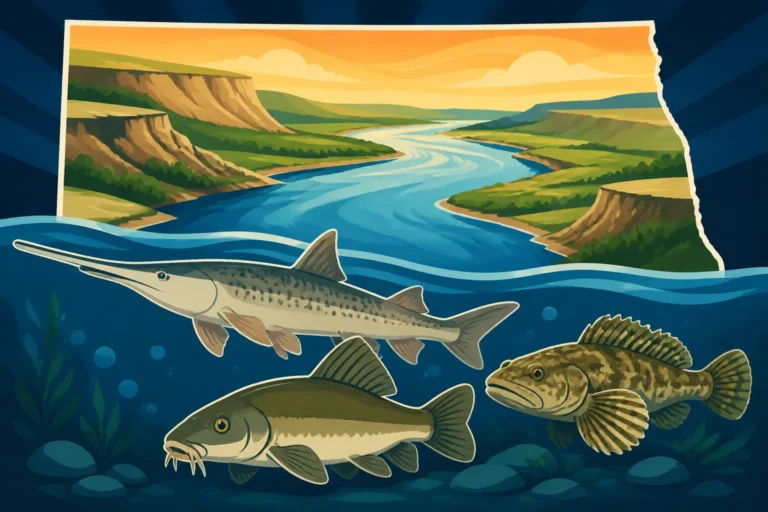
The Red River of the North is unlike many other major rivers. Flowing northward from Wahpeton, North Dakota, all the way to Lake Winnipeg in Manitoba, Canada, it meanders through a vast, flat ancient lakebed. This geological history means it has a very low gradient, causing it to flow slowly, often described as sluggish. The banks are primarily composed of rich, fertile clay soil, which easily erodes and contributes to the river's characteristic "red" or brown coloration, especially after precipitation. This turbidity, or muddiness, is a defining feature, reducing light penetration and creating an environment where sight-feeding predators might struggle, but other species flourish. The nutrient-rich waters also support a robust food chain, starting from microscopic organisms and extending up to the largest fish. Plus, due to its gentle flow and broad basin, the Red River can warm up significantly in the summer, making it a perfect habitat for warm-water species. It's a truly distinctive waterway that demands specific fishing approaches and rewards those who understand its nuances. You might also want to understand Reciprocal Fishing Rules on the Red River Border Waters if you plan to fish near state lines.
General Fish Categories Found in the Red River
Given its distinct character, it's no surprise that the Red River isn't home to every type of fish you'd find in North Dakota. Instead, it specializes, hosting a fantastic array of species perfectly adapted to its environment. When we talk about the Red River, we're primarily looking at warm-water species that can tolerate or even thrive in low visibility and often slower currents. Think hardy fish that rely on scent and lateral lines more than keen eyesight. Bottom-dwelling species and those that forage in muddy substrates find a veritable buffet here. You won't find significant populations of cold-water species like trout or salmon, which prefer clear, oxygen-rich, fast-flowing water. Instead, the river is a haven for several exciting game fish, plenty of panfish, and an abundance of important forage and "rough" fish that keep the ecosystem humming. Each category plays a vital role, whether it's providing thrilling angling opportunities or forming the base of the food web.
The Mighty Channel Catfish: King of the Red River
Without a doubt, if there's one fish that defines the Red River, it's the channel catfish. This river is legendary for its catfish population, and for good reason. Anglers from all over the country come here specifically to tangle with these powerful, hard-fighting fish, often landing specimens of truly impressive size. The Red River is a premier destination for trophy channel cats, making it a bucket-list fishery for many.
Why Catfish Thrive Here
The Red River is, simply put, a channel catfish paradise. Several factors converge to create this ideal habitat. First, the river's slow-moving, warm, and nutrient-rich water is exactly what channel catfish prefer. Unlike many game fish that favor clear water, catfish are perfectly at home in the Red's turbid conditions. They are primarily scent-feeders, using their sensitive barbels (whiskers) to detect food in the murk. The muddy and silty bottom provides ample foraging grounds for a diet rich in insects, crustaceans, worms, and smaller fish. Catfish are opportunistic eaters, and the Red River's abundant food sources allow them to grow to exceptional sizes. Deeper holes, logjams, and cut banks offer perfect ambush points and resting areas. Furthermore, the long stretches of relatively undisturbed habitat, especially in more rural sections, provide ideal conditions for large, healthy populations to develop. It's not uncommon to hear tales of massive catfish being pulled from the Red, with fish weighing well over 20 pounds a regular occurrence. If you're looking for Red River Catfish Fishing Spots in North Dakota, you'll find plenty of options.
Identifying and Catching Red River Catfish
When you hook into a Red River channel catfish, you'll know it. These fish are typically robust, with a powerful, muscular build that allows them to fight hard against the current. While standard channel cats have a sleek, somewhat spotted appearance, the larger specimens from the Red often take on a darker, almost black coloration, particularly on their backs, reflecting their time in the river's deep, muddy waters. They have a deeply forked tail, which is a key identifying feature compared to other catfish species. Targeting these giants usually requires stout tackle – heavy-action rods, baitcasting reels spooled with strong braided line, and robust hooks. As for bait, anything with a strong scent tends to work wonders. Cut bait (pieces of sucker, goldeye, or other oily fish), chicken livers, and various prepared "stink baits" are angler favorites. Many dedicated catfish anglers swear by specific commercial baits you can find on platforms like Amazon, stocking up on their preferred scents and textures. Fishing deep holes, eddies, and current breaks, especially near fallen trees or undercuts, are classic tactics. Remember to always check North Dakota Catfish Limit Rules before you head out.
Beyond the Catfish: Other Notable Species of the Red River
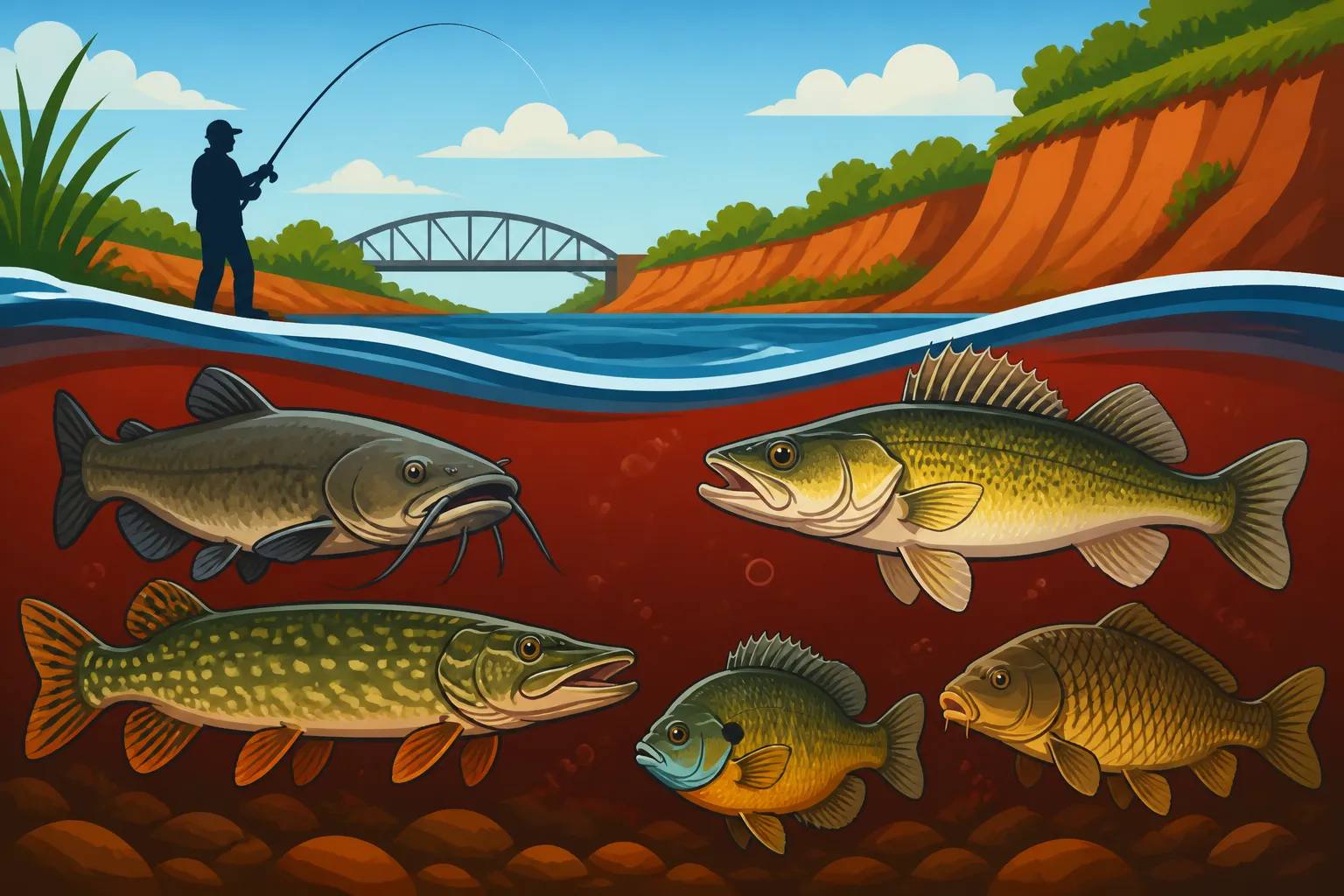
While the channel catfish reigns supreme, the Red River is far from a one-fish show. There's a surprising diversity of other aquatic residents, some offering fantastic angling opportunities, and others playing crucial roles in the river's complex ecosystem. Anglers who venture out on the Red with an open mind can often be pleasantly surprised by the variety they encounter.
Walleye and Northern Pike
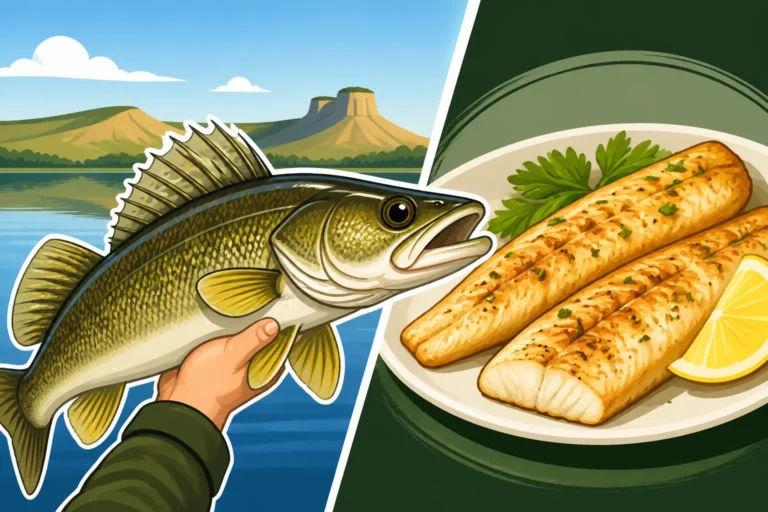
It might surprise some, but walleye and northern pike, two of North Dakota's most prized game fish, do indeed inhabit the Red River. While they don't reach the same densities as in, say, Devils Lake or Lake Sakakawea, they can certainly be found, especially in certain sections. Walleye tend to seek out areas with slightly clearer water, perhaps near the mouths of tributaries, deeper pools, or around submerged structures that create current breaks. They might not be as common as catfish, but catching a respectable walleye from the Red is a real trophy for many. Anglers often target them with jigs and soft plastics, or by trolling crankbaits, similar to how they would fish other lakes, but adapting to the river's unique flow and turbidity. As for northern pike, these toothy predators are incredibly adaptable and can be found lurking in slower backwaters, oxbows, and areas with submerged vegetation if any exists. They love to ambush prey and will readily strike large spoons, spinnerbaits, or even live baitfish. While you might not fill a cooler with pike, the potential for a large, hard-fighting fish is always there. It's worth knowing Is the Red River Good for Walleye? and checking the North Dakota Northern Pike Daily Limit on the Red River before you plan your trip.
Rough Fish and Panfish
Beyond the popular game fish, the Red River is home to a robust population of "rough fish" and various panfish, which are incredibly important to the river's health and can also provide exciting angling. Common carp, for instance, are abundant. These powerful fish offer an incredible fight, and many anglers specifically target them for their sporting value. They can be caught on corn, dough balls, or even specific carp baits available on sites like Amazon. Different species of suckers, like the white sucker and silver redhorse, are also prevalent, serving as a critical forage base for larger predators. Freshwater drum, often called "sheepshead," are another common catch. These fish are known for their loud "drumming" sound and can grow quite large, putting up a respectable fight. While often overlooked, they are edible and can be quite good when prepared properly. In the slower moving stretches, oxbows, and backwater areas, you can also find a variety of panfish. Crappie, bluegill, and even yellow perch will inhabit these less turbulent waters, especially where there's some cover like fallen trees or brush. These smaller species provide excellent opportunities for family fishing, light tackle fun, and are often delicious table fare. Finding public access points, such as those listed under Red River Fishing Access Near Grand Forks, can open up opportunities for targeting these diverse species.
Understanding the Ecosystem and Responsible Angling
The Red River, with its unique chemistry and flowing northward, supports a truly resilient and diverse aquatic community. Understanding the interconnectedness of these species and practicing responsible angling are key to ensuring this valuable fishery continues to thrive for generations to come. It's not just about what you catch, but how you contribute to the river's health.
The Role of Forage Fish
Every healthy ecosystem relies on a strong foundation, and in the Red River, that foundation includes an abundance of forage fish and smaller species. While anglers often focus on the larger game fish, it's the smaller creatures that truly fuel the system. Various species of minnows, shiners, and juvenile rough fish serve as crucial food sources for the mighty channel catfish, as well as the walleye and northern pike that prowl the waters. Even aquatic insects and crustaceans, thriving in the nutrient-rich sediments, play a vital role, providing sustenance for everything from small panfish to the biggest carp. This complex web of life ensures that there's always a readily available food supply, allowing the predatory fish to grow large and healthy. It's a testament to the Red River's productivity that it can support such impressive populations. Understanding this delicate balance helps anglers appreciate the entire ecosystem, not just the prize at the end of their line.
Conservation and Regulations
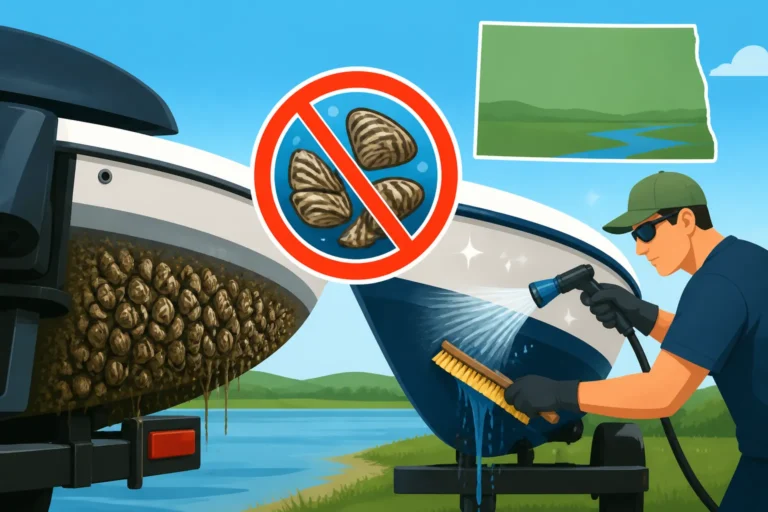
To keep the Red River fishery robust, adhering to conservation principles and understanding the rules is paramount. Always make sure to check the latest North Dakota Fishing Regulations Explained and North Dakota Fishing Season Dates and Limits before you head out, as limits and rules can change. This includes specifics for different species, minimum size requirements, and daily creel limits. Practicing catch-and-release, especially for trophy-sized fish, helps maintain healthy breeding populations. If you're using a boat, remember the critical importance of preventing the spread of Aquatic Nuisance Species Rules for Boaters. Invasive species like zebra mussels can wreak havoc on an ecosystem, so "Clean, Drain, Dry" is more than just a catchy phrase – it's an essential part of responsible boating. This means thoroughly cleaning your boat, trailer, and all fishing gear, draining all water, and allowing everything to completely dry before moving to another body of water. Carrying a portable hose and scrub brush from a retailer like Amazon can make this process easier at the access points. By being mindful of your impact and following all guidelines, you play an active role in protecting the Red River's unique and valuable fishing opportunities for everyone.
| Fish Species | Common Size Range in Red River | Habitat/Preference | Angling Notes |
|---|---|---|---|
| Channel Catfish | 15-30+ inches (5-30+ lbs) | Deep holes, current breaks, logjams, muddy bottoms | Legendary fishery; best with cut bait, stink bait, heavy tackle |
| Walleye | 15-25 inches (1-5 lbs) | Deeper pools, clearer stretches, tributary mouths, structure | Jigs, crankbaits; more sporadic but present |
| Northern Pike | 20-35 inches (3-10+ lbs) | Slower backwaters, oxbows, areas with vegetation/cover | Spoons, spinnerbaits, live bait; ambush predators |
| Common Carp | 20-35+ inches (10-30+ lbs) | Anywhere, especially muddy flats, slow current, shallow areas | Powerful fight; corn, dough balls, specific carp baits |
| Freshwater Drum | 12-20 inches (1-8 lbs) | Deeper channels, current breaks, rocky or muddy bottoms | Often bycatch for catfish; small crankbaits, worms, jigs |
| Suckers (various) | 10-20 inches (1-5 lbs) | Bottom feeders in various currents | Important forage; caught incidentally or for bait |
| Panfish (Crappie, Bluegill) | 6-10 inches | Slower backwaters, oxbows, areas with cover (fallen trees, brush) | Light tackle; small jigs, worms, minnows |
Disclaimer
This article is for general informational purposes only and does not constitute professional advice. Laws, prices and regulations vary by location and change over time. Consult a qualified professional for guidance on your specific situation.