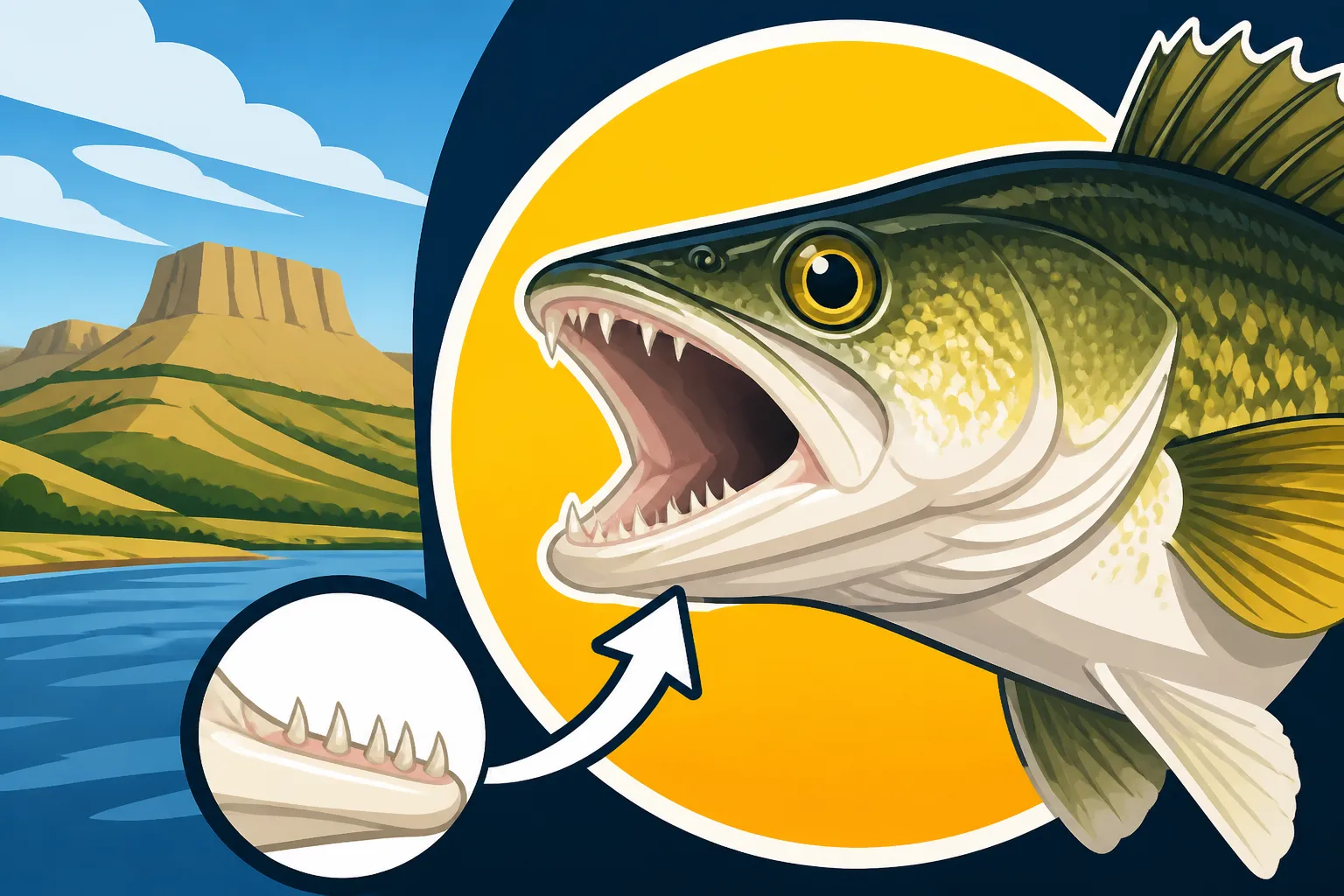
Do Walleye Have Teeth?
If you've spent any time on the water in North Dakota, you've probably heard anglers talk about the mighty walleye – perhaps even debated the best way to catch them. But there's a question that often pops up, especially for those new to chasing these popular fish: "Do walleye have teeth?" It's a completely fair question, and the short answer is yes, they absolutely do! However, their dental setup isn't quite what you might expect, and understanding it is key to handling them safely and choosing the right gear. This guide will dive deep into the fascinating world of walleye teeth, what they mean for you as an angler, and how to stay safe while landing your next catch.
The Truth About Walleye Teeth: More Than Just a Pretty Smile
When you imagine a fish with teeth, your mind might jump straight to the formidable rows of a northern pike or a shark. Walleye, while certainly predators, have a more nuanced approach, and their teeth reflect that. It's not about razor-sharp blades, but more about grip and holding power.
A Closer Look at Their Dental Structure
Unlike some of the more toothy critters in the aquatic world, walleye possess a set of prominent, needle-sharp canine teeth that are primarily located in the front of their jaws, both upper and lower. These aren't just for show; they're perfectly designed for their predatory lifestyle. Beyond these noticeable canines, they also have smaller, conical teeth situated along their jaws and even on the roof of their mouth, known as vomerine teeth. These smaller teeth act like sandpaper or tiny grippers, ensuring that once a walleye clamps down on its prey, that meal isn't going anywhere. Think of it less like a saw and more like a vice grip, designed for impaling and holding, not for slicing and dicing. This unique arrangement allows them to grasp slippery baitfish with remarkable efficiency.
When you manage to land a feisty walleye, a quick glance inside its mouth will confirm this structure. You'll see those impressive canines standing proud, ready for action. It's a testament to their effectiveness that even a seemingly small walleye can inflict a surprisingly painful poke if you're not careful. This dental structure also plays a role in how they feed, often engulfing their prey rather than tearing it apart. This subtle difference is crucial for anglers to understand, as it influences everything from hook sets to lure choices.
How Walleye Use Their Teeth for Hunting
Walleye are opportunistic predators, often lurking in deeper, cooler waters or near structure, waiting to ambush unsuspecting baitfish. Their teeth are perfectly adapted for this ambush hunting style. When a walleye decides to strike, those canines act like harpoons, piercing and immobilizing their prey. The smaller teeth then help to secure the meal, preventing it from escaping as the walleye swallows it whole. This method is incredibly effective for catching everything from shiners and perch to smaller panfish that make up the bulk of their diet in North Dakota's diverse waters like Lake Sakakawea Walleye Fishing Spots or Devils Lake Walleye Fishing Spots.
Their nocturnal feeding habits are also well-served by this tooth structure. In low-light conditions, precision is key. A walleye doesn't rely solely on sight; it uses its sensitive lateral line to detect vibrations and its teeth to secure anything that comes within striking distance. Imagine a walleye moving through the dark, murky waters of the Red River or a deep basin in Lake Sakakawea. When it detects a struggling minnow or a passing crankbait, those teeth are the final, decisive tool in its hunting arsenal. They're designed for a swift, firm grip, ensuring that the walleye can quickly subdue its prey before it has a chance to flee. Understanding this predatory behavior helps us choose the right techniques and lures to entice them.
Safety First: Handling Walleye and Their Pearly Whites
Given those sharp canines, safely handling a walleye is paramount, both for your well-being and for the fish's health, especially if you're practicing catch and release. Many new anglers learn this lesson the hard way, often resulting in a small puncture wound from an excited fish.
Best Practices for Safely Unhooking Walleye
When you've got a walleye on the line and bring it to the boat or shore, the first thing on your mind is getting that hook out. However, rushing this step can lead to a painful experience. My number one piece of advice is: never stick your fingers directly into a walleye's mouth without protection. Those teeth are incredibly sharp and can easily break the skin.
The best tools for safely unhooking a walleye are a good pair of long-nose pliers or a dedicated hook remover. These tools allow you to reach deep into the fish's mouth to grasp the hook without putting your fingers in harm's way. If the hook is deeply set, a hook remover can be even more effective, designed to slide down the line and dislodge the hook with minimal damage to the fish. When bringing a fish aboard, consider using a fish gripper (often called a lip gripper or BogaGrip-style tool) to secure its lower jaw. This gives you firm control over the fish, keeping its head stable and away from your hands while you work on the hook. You can find a wide variety of these tools on platforms like Amazon, making it easy to equip your tackle box for safer handling. Always keep your unhooking tools easily accessible in your boat or tackle bag, not buried at the bottom.
Protecting Yourself and the Fish
Beyond using the right tools, proper technique is essential. If you're using a lip gripper, make sure it's securely attached to the fish's lower jaw. For smaller walleye, some experienced anglers will carefully grasp the fish by the gill plate (not in the gills, but by the rigid plate covering them) or gently cradle its body. However, for most situations, especially with larger fish, a lip gripper provides the safest and most secure hold. Wearing a good pair of fishing gloves, particularly those with reinforced palms or made from a cut-resistant material, can also add an extra layer of protection against accidental pokes and scrapes.
When practicing catch and release, minimizing the fish's time out of water is crucial. The quicker you can unhook and release it, the better its chances of survival. Have your tools ready, work efficiently, and always support the fish horizontally, especially larger ones, to avoid damaging its internal organs. A good practice, if possible, is to unhook the fish while it's still in the water, especially if you have a shallow-running boat or are shore fishing. Remember, our goal is to enjoy the sport responsibly, and that includes ensuring the health of the fish we target. By taking these precautions, you can confidently handle even the toothiest of walleye without fear of injury, allowing both you and the fish to have a better experience. For more on the species, check out North Dakota Walleye Fishing Guide.
The Walleye Bite: What It Feels Like and Why It Matters
The way a walleye bites, and how that translates to what you feel through your rod, is a direct result of their feeding behavior and, yes, those teeth. It's often described as subtle, which can be frustrating for anglers used to more aggressive strikes.
Distinguishing a Walleye Bite from Other Species
Many North Dakota anglers have experienced the "walleye thump." It's often not a violent strike but more of a subtle "thump" or a sudden increase in weight on your line. Sometimes it feels like you've snagged a piece of weed or debris on the bottom. This is because walleye often "inhale" their prey, creating a vacuum that sucks the bait into their mouth. They use those teeth to secure the meal once it's inside, but the initial engagement can be very gentle. This stands in stark contrast to, say, a northern pike, which often hits a lure like a freight train, or a smallmouth bass, which might give a series of aggressive tugs and headshakes.
If you're vertical jigging or slowly trolling, paying close attention to these subtle changes is vital. A slight slack in the line, a faint tap, or just a heavier feeling as you lift your rod could all be a walleye. It requires concentration and a good feel for your tackle. Missing these subtle cues can mean missing out on fish. Knowing what to expect from a walleye bite helps you react appropriately and set the hook effectively. For instance, sometimes it's just a light tick, almost imperceptible, especially in windy conditions or if your line is dragging through current. Learning to differentiate this from bottom structure or current is a skill honed over many hours on the water.
Impact on Lure Selection and Presentation
Understanding the walleye's feeding mechanism, including how they use their teeth, greatly influences your lure and bait choices. Because they often inhale prey, lures that are easily engulfed or that present a tempting profile are highly effective. Jigs tipped with live minnows or soft plastics, crankbaits, and spinner rigs are all classic walleye presentations. The teeth dictate that your hooks need to be sharp and strong enough to penetrate, but also positioned correctly to maximize the chances of a solid hook set in the mouth.
When using live bait, such as leeches or nightcrawlers on a Best Live Bait for North Dakota Walleye, a walleye might mouth the bait for a moment before fully committing. This is where patience comes in; setting the hook too early often results in pulling the bait away from the fish. For artificial lures, the strength of your line and leader material also matters. While walleye teeth aren't as prone to cutting line as a pike's, a heavy braided line with a fluorocarbon leader can offer both sensitivity and a bit of abrasion resistance if the fish really gets its teeth into the line during a fight. Many anglers find durable, sharp hooks are key, as a walleye's bony mouth and teeth require a good penetration to stay buttoned up. If you're looking for gear, you can browse a wide array of options, from fishing line to specialized lures, on Amazon.
Common Misconceptions and Interesting Facts
The subject of fish teeth often brings up comparisons and questions, especially in a state like North Dakota where several toothy predators swim the same waters.
Walleye vs. Northern Pike: A Dental Showdown
One of the most common comparisons is between walleye and northern pike. While both are predatory fish found throughout North Dakota, their dental arsenals are vastly different. Northern pike are often described as having a "mouthful of razor blades," and it's no exaggeration. Their mouths are packed with hundreds of needle-sharp teeth, including large canines, designed for tearing and shredding larger prey. A pike's teeth are far more likely to cut through fishing line, necessitating the use of heavy monofilament or wire leaders. They are also much more dangerous to handle, often requiring specialized tools like jaw spreaders or sturdy gloves to protect your hands from their formidable bite.
In contrast, the walleye's teeth, though sharp and capable of inflicting a painful poke, are not designed for cutting through heavy material. They are primarily for gripping and holding. This difference profoundly impacts how you approach each species. You might use light fluorocarbon leaders for walleye without much worry of a bite-off, whereas you'd never dream of doing that for a pike. The sheer quantity and predatory nature of pike teeth mean that while you respect a walleye's bite, you approach a pike with a much higher degree of caution and different handling techniques. If you want to know more about the other toothy critters, check out North Dakota Northern Pike Fishing Guide.
| Feature | Walleye Teeth | Northern Pike Teeth |
|---|---|---|
| Primary Type | Prominent canines, smaller conical teeth | Numerous razor-sharp teeth, large canines |
| Function | Grip, hold, impale prey | Tear, shred, cut prey |
| Location | Jaws, roof of mouth (vomerine teeth) | Jaws, tongue, roof of mouth |
| Line Cutting Risk | Low (can cause abrasion, but rarely cuts line) | High (often cuts through standard fishing line) |
| Handling Safety | Caution advised, use pliers/gripper | Extreme caution, use jaw spreaders/heavy gloves |
| Impression | Puncturing, "thump" bite | Slicing, aggressive strike |
Do Walleye Teeth Change or Grow Back?
Yes, walleye teeth do indeed change and grow back! Like many fish species, walleye continuously replace their teeth throughout their lives. This isn't a single "shedding" event but rather a constant cycle of replacement. Old, worn, or broken teeth are shed and new ones grow in to take their place. This ensures that a walleye always maintains a sharp, effective set of "tools" for catching its next meal.
You might occasionally find a shed tooth embedded in a soft plastic lure or even in your fishing net, which is a neat little souvenir! This continuous replacement is vital for a predatory fish that relies so heavily on its dental equipment for survival. Without this ability, their hunting efficiency would diminish over time, impacting their ability to feed and thrive. So, the next time you marvel at the sharp teeth of a walleye, remember that those aren't necessarily the same teeth it had last year, but a constantly renewed arsenal ready for action in the waters of North Dakota. For information on other characteristics, explore How to Tell Male and Female Walleye Apart.
Disclaimer
This article is for general informational purposes only and does not constitute professional advice. Laws, prices and regulations vary by location and change over time. Consult a qualified professional for guidance on your specific situation.