What Do Northern Pike Eat?
It's a question that keeps many North Dakota anglers up at night – especially when the bite isn't on: what exactly are those elusive northern pike munching on? You're out there, casting everything in your tackle box, wondering if you're even offering them the right meal. Understanding a northern pike's diet isn't just about curiosity; it's a game-changer for how you approach your fishing strategy, whether you're targeting a lunker on Lake Sakakawea or chasing smaller hammer handles in a prairie pothole. This guide will dive deep into the fascinating eating habits of northern pike, helping you crack the code to better fishing success.
The Generalist Appetite of Northern Pike
Northern pike, often affectionately called "water wolves" or "gators," have earned their nicknames for a reason. They are ferocious, opportunistic predators with a diverse diet that allows them to thrive in a wide range of aquatic environments across North Dakota. Unlike some finicky fish species, pike aren't usually picky eaters, and their adaptability is a major factor in their widespread success. They'll eat whatever is most readily available, which can be both a blessing and a curse for anglers trying to predict their behavior.
Preferred Prey in Natural Habitats
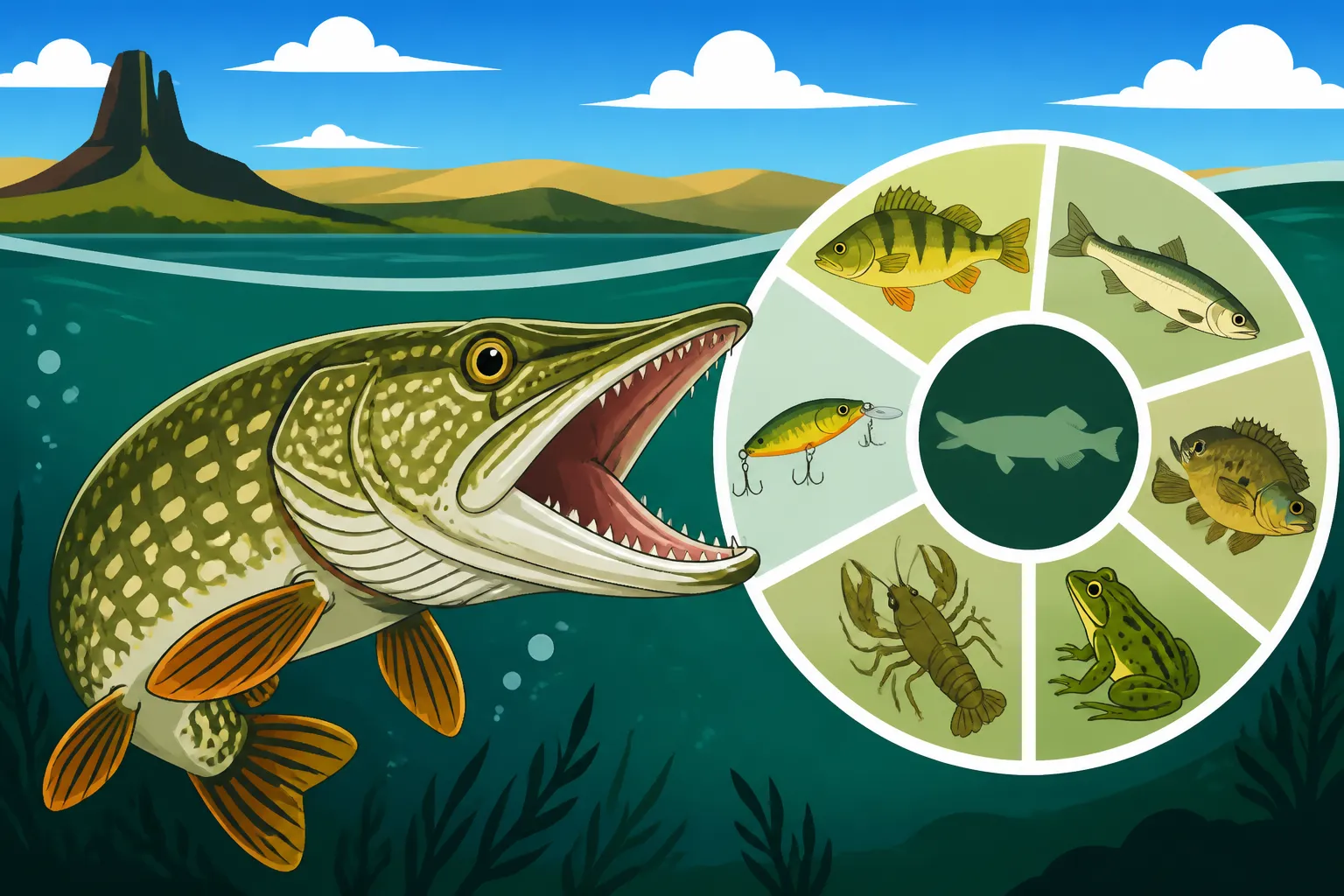
When you think about a pike's preferred meal, your mind likely jumps straight to other fish, and you'd be absolutely right. Fish make up the vast majority of a northern pike's diet, especially smaller, slower-moving species that are easier to ambush and swallow whole. In North Dakota's diverse waterways, this can include a wide array of common forage fish. Think about the abundance of Yellow Perch and Panfish Daily Limits Explained in lakes like Devils Lake, or the countless minnows, shiners, and suckers that populate the larger reservoirs and rivers. These smaller fish provide a consistent, energy-rich food source for growing pike.
Imagine a young pike lurking in the submerged weeds of a shallow bay, its olive-green camouflage blending perfectly with the surroundings. A school of young perch, unaware of the danger, swims by, flickering their fins in the dappled sunlight. In a flash, the pike strikes, its powerful tail propelling it forward, engulfing a unsuspecting meal. Larger pike might key in on species like white suckers, ciscos, or even smaller walleye, especially when these fish are concentrated or moving through predictable travel lanes. This is why understanding the local forage base in your chosen fishing spot is crucial; if you know what the pike are naturally eating, you can present a lure or bait that mimics that prey.
Seasonal Shifts in Diet
Just like us, northern pike change their eating habits with the seasons. Their metabolism, energy needs, and the availability of certain prey items all fluctuate throughout the year. During the cold winter months, for instance, when activity levels slow down, pike become more efficient feeders, often targeting larger, slower prey to conserve energy. This is a common strategy when you're How to Ice Fish in North Dakota, where a larger dead bait under a tip-up might be more effective than a fast-moving jig. The cold water slows everything down, including the escape attempts of their prey, making a substantial meal more appealing and less energetically demanding to pursue.
As spring arrives and the ice melts, signaling the North Dakota Ice Out Fishing Guide, pike become incredibly active. Their metabolism revs up, and they need to replenish energy reserves after a long winter, often focusing on the smaller fish species that are spawning or becoming more active in the warming shallows. This is a prime time for aggressive strikes on a variety of baits. In summer, with abundant forage and warmer water, pike are highly active and will chase down fast-moving prey. Then, in the fall, they enter a "feeding frenzy" phase, bulking up for the coming winter. This autumn aggression makes North Dakota Fall Fishing Guide an excellent time to target trophy pike with larger lures and presentations, as they're actively seeking out big meals to pack on the pounds.
Pike as Apex Predators: Ambush Tactics and Hunting Strategies
Northern pike are masters of ambush. They aren't built for long, sustained chases like some pelagic predators. Instead, their torpedo-shaped bodies, dorsal and anal fins set far back for powerful bursts of speed, and large, toothy mouths are perfectly adapted for surprise attacks. They are designed to wait, watch, and then explode into action, striking with incredible force and precision. This hunting style influences not only what they eat but also where they choose to position themselves.
The Role of Vision and Lateral Line in Hunting
Pike rely heavily on their senses to locate and capture prey. Their eyes are positioned to give them excellent vision, particularly for detecting movement. They can pick up on the subtle flick of a minnow's tail or the silhouette of a passing panfish, especially in clear to moderately stained water. This visual acuity makes realistic lures and baits incredibly effective. If your lure perfectly imitates the swimming action and appearance of a baitfish native to the lake, you're tapping directly into a pike's primary hunting instinct. Many anglers spend hours at home carefully painting lures or selecting soft plastics that perfectly mimic the colors and patterns of local forage, and for good reason—it works.
Beyond sight, pike possess a highly developed lateral line system. This sensory organ runs along both sides of their body and allows them to detect vibrations and pressure changes in the water. Even in murky water or low light conditions, a pike can sense the subtle movements of nearby prey. A struggling baitfish, a school of perch moving through the weeds, or even a lure wobbling through the water sends out vibrations that the pike can interpret. This is why lures that produce a lot of vibration or erratic movements, like spinnerbaits or crankbaits with rattles, can be so incredibly effective, even when visibility is poor. They're literally "calling" to the pike through their lateral line system.
Understanding Their Strike Zone and Aggression
Pike typically have a defined "strike zone" – an area around them where they are most likely to attack prey. This zone isn't a fixed bubble; it varies based on their mood, hunger level, and the environment. A highly aggressive, hungry pike might charge several feet to intercept a lure, while a less active fish might only strike if the prey comes within inches of its nose. This is particularly true when fishing for North Dakota Northern Pike Daily Limit where the pike population might be thriving. Their aggression levels are also influenced by factors like water temperature, oxygen levels, and competitive pressure from other predators.
When a pike decides to strike, it's usually an explosive, decisive action. They rarely "nip" at their prey; they commit to the attack with impressive speed and power. This aggressive nature is what makes Northern Pike Casting Techniques so exhilarating. When you feel that sudden, jarring strike on your line, you know you've successfully presented a meal that triggered their predatory instinct. Because of this, presentations that trigger an immediate, instinctual reaction—like a jerkbait pausing perfectly, or a spinnerbait flashing past at speed—are often more effective than subtle, slow approaches, especially when targeting active fish.
Beyond Fish: Other Menu Items for Hungry Pike
While fish form the bulk of a northern pike's diet, these apex predators aren't exclusively piscivores. They are opportunistic feeders, and if something edible ventures too close or appears vulnerable, they won't hesitate to investigate. This broader diet showcases their adaptability and reinforces their status as true top-tier predators in North Dakota's aquatic food webs.
Opportunistic Feeding Habits
Pike aren't afraid to diversify their menu, especially if it's easy pickings. Beyond fish, their diet can include a surprising variety of creatures. Small mammals like voles, mice, or even ducklings that happen to fall into the water or swim too close to a lurking pike become fair game. Imagine a young duckling paddling innocently near a weed bed edge on a calm summer morning. A large pike, camouflaged amongst the reeds, sees an easy, high-calorie meal. With a burst of speed, it grabs the bird, dragging it beneath the surface. It's a stark reminder of their predatory prowess.
Frogs are another common item on the pike's alternative menu. Whether it's a bullfrog sitting near the shoreline or a smaller frog swimming across open water, these amphibians present a juicy, protein-rich snack. This is why lures mimicking frogs, especially weedless versions, can be so effective when fishing in shallow, vegetated areas. Even large insects or leeches, when abundant, can occasionally find their way into a pike's stomach, though these are far less common than their vertebrate meals. The key word here is "opportunistic"; if it moves, fits in their mouth, and looks vulnerable, a pike will consider it.
When Pike Become Cannibalistic
One of the more unsettling aspects of the northern pike's diet is their propensity for cannibalism. Larger pike will, without hesitation, prey upon smaller pike. This behavior is more common in environments where food resources are scarce, or where there's a significant size disparity within the pike population. It's a harsh reality of nature and a clear demonstration of the "survival of the fittest" mentality among these fish. A twenty-pound pike isn't going to pass up a ten-inch youngster if it presents itself as an easy meal.
This cannibalistic trait is an important factor in pike population dynamics. It helps to regulate their numbers and often leads to fewer, but larger, individual fish in a system. When angling, this means that presenting very large lures or baits, especially those that mimic a struggling pike, can sometimes trigger a strike from a truly trophy-sized fish. It's a testament to their aggressive nature and their readiness to dominate their environment, even at the expense of their own kind. It's also why you'll often see the bigger, older pike dominating certain prime ambush points.
What This Means for Anglers: Matching the Hatch (or the Belly)
Understanding what northern pike eat is the cornerstone of effective pike fishing. It's not just about throwing any lure into the water; it's about making an educated guess about what the pike are currently keying in on, or what their natural instincts tell them is a good meal. This knowledge empowers you to select the right baits, present them correctly, and increase your chances of a successful outing on North Dakota's diverse waters.
Best Baits and Lures Based on Pike Diet
Given their diverse appetite, a variety of baits and lures can be effective for northern pike. For live bait, nothing beats a large, lively minnow, shiner, or sucker. These are natural prey items that appeal to a pike's instinctual hunting drive. When using live bait, make sure to rig it in a way that allows it to swim naturally or appear injured, making it an even easier target. If you're ice fishing, a larger shiner or smelt suspended under a Ice Fishing for Northern Pike With Tip-Ups is often deadly, especially during slower periods. You can find robust bait buckets and aerators on platforms like Amazon to keep your bait lively throughout your trip.
For artificial lures, consider mimicking both their preferred fish diet and their opportunistic meals. Here's a quick breakdown:
| Prey Mimicked | Lure Types Commonly Used | Key Characteristics |
|---|---|---|
| Smaller Fish | Spinnerbaits, Spoons, Crankbaits, Soft Swimbaits | Flash, vibration, erratic movement, realistic profiles, varying depths |
| Injured Fish | Jerkbaits, Glide Baits, Suspending Plugs | Pause-and-go action, darting movements, horizontal suspension |
| Frogs/Mammals | Topwater Frogs, Buzzbaits, Large Soft Plastics | Surface disturbance, weedless designs, bulkier profiles |
| Large Prey (Pike) | Big Soft Plastics, Magnum Spoons, Musky-style Baits | Large profile, strong vibrations, designed to attract trophy-sized predators |
When you're out there, experimenting is key. If the pike aren't hitting smaller presentations, try upsizing. Sometimes a huge, obnoxious lure is exactly what it takes to trigger a strike from a hesitant lunker. For spring fishing, often Best Lures for Northern Pike in Spring include brighter colors and faster retrieves as they become more active after winter.
Locating Pike Based on Their Food Sources
Knowing what pike eat also helps you pinpoint where they might be. Pike are ambush predators, so they'll position themselves in areas where they can easily intercept prey. Think about choke points, transition zones, and areas with abundant cover. In a lake, this could mean the edges of weed beds, submerged timber, rock piles, or sharp drop-offs. These are places where baitfish congregate or are forced to swim past, creating perfect ambush opportunities. For example, knowing that pike will patrol Fishing Weed Lines for Northern Pike can help you focus your efforts.
If you're fishing a river system, pike will often hold in slack water eddies downstream of current breaks, behind large rocks, or in the calmer water near tributaries where baitfish might be seeking refuge. They're looking for areas that provide them with concealment and easy access to their food source without expending too much energy. By observing the water for signs of baitfish activity—like minnows jumping or schools congregating—you're essentially identifying a potential pike feeding ground. A good sonar unit, like those found on Amazon, can also help you identify bait balls, which is a strong indicator of predator activity nearby. It’s all about putting the pieces of the puzzle together – knowing what they eat, understanding how they hunt, and then finding where those two factors align.
Disclaimer
This article is for general informational purposes only and does not constitute professional advice. Laws, prices and regulations vary by location and change over time. Consult a qualified professional for guidance on your specific situation.