When Do Northern Pike Spawn in North Dakota?
Alright, let's talk about Northern Pike, those toothy, aggressive predators that bring so much excitement to North Dakota fishing! If you're anything like me, you've probably spent hours wondering about the perfect time to target them, especially when it comes to their mysterious spawning rituals. It can feel like a guessing game sometimes, trying to figure out when they're focused on making little pike and when they're ready to smash your lure. This guide is all about demystifying the Northern Pike spawn in our beautiful state, helping you understand their patterns so you can be a more effective and respectful angler.
Unraveling the Mystery: When Northern Pike Really Get Down to Business in North Dakota
Trying to pinpoint the exact moment Northern Pike decide it's time to spawn can feel a bit like predicting the weather in March – you know it's coming, but the exact day is a wild card! For us anglers, understanding this critical phase in their life cycle isn't just about curiosity; it profoundly impacts their behavior and, subsequently, our fishing success. It's a time of transformation for the pike, moving from their deeper, winter haunts to the shallow, vegetated nurseries of our lakes and rivers. This annual event is driven by a combination of internal biological clocks and external environmental cues, creating a dynamic window that keen anglers learn to anticipate.
The General Spawning Window: What to Expect Annually
Generally speaking, Northern Pike in North Dakota are among the earliest fish to spawn once the ice begins to recede. We're talking about that magical time in spring, usually from late March through April, and sometimes even into early May, depending on how stubborn winter decides to be. It's a sprint against time for them, as they need to reproduce before the water gets too warm or the prime shallow nursery grounds become too exposed. Think of it as their annual spring cleaning, but instead of dusting, they're laying eggs in vast quantities. During this period, you might find them in areas you wouldn't typically fish for them in summer or winter, making it a unique challenge and opportunity.
It’s not a single, defined day when all the pike suddenly decide to spawn simultaneously. Instead, it's a gradual process that plays out across different water bodies and even different parts of the same lake. Larger, deeper lakes might see a later spawn compared to smaller, shallower ponds that warm up more quickly. This extended window means that even if you miss the peak in one spot, there's a good chance you can still catch a portion of the spawn somewhere else in the state. This variability is why staying tuned into local conditions and reports from fellow anglers is so crucial. A good rule of thumb is to look for the earliest signs of spring: softening ice, melting snow, and the first buds on the trees.
Understanding the "Ice Out" Connection: A Crucial Timing Cue
For Northern Pike, the concept of "ice out" is absolutely fundamental to their spawning calendar. It’s not just a poetic term; it’s the physical signal that kickstarts their reproductive journey. As the last remnants of ice vanish from the surface of our North Dakota lakes and sloughs, sunlight can finally penetrate the shallow waters, beginning the rapid warming process. This influx of solar energy is the green light for pike. They are cold-water spawners, meaning they prefer chilly conditions, but they can't start their work until the water is free and accessible.
The timing of ice out varies wildly from year to year across North Dakota. One year, we might see open water in late March, allowing for an early spawn, while a prolonged winter could push it deep into April or even early May. This variability means that relying solely on calendar dates can lead to frustration. Instead, smart anglers pay close attention to the daily reports of ice conditions and water temperatures. North Dakota Fishing Season Calendar can give you a general idea of when the open water season begins for different species, but for pike spawning specifically, watching the ice melt is your best bet. It's a beautiful sight, really, witnessing the transition from a frozen landscape to the vibrant promise of open water fishing, knowing the pike are busy beneath the surface.
The Environmental Orchestra: Factors That Fine-Tune Pike Spawning
While ice out is the grand overture, a whole orchestra of environmental factors plays into the specific timing and success of the Northern Pike spawn in North Dakota. It's a delicate balance, and any slight deviation can push the event earlier or later, or even impact the number of successful offspring. Understanding these factors helps us not just predict the spawn, but also appreciate the incredible resilience and adaptability of these fish. It truly is a natural spectacle driven by ancient instincts, making them fascinating subjects for study and, of course, for catching!
Water Temperature: The Ultimate Trigger
Without a doubt, water temperature is the most critical trigger for Northern Pike spawning. They are particular about it, much like we are about our coffee in the morning! Pike typically begin their spawning activities when water temperatures are in the range of 38 to 52 degrees Fahrenheit (3 to 11 degrees Celsius). This specific temperature range is vital because it ensures optimal conditions for egg development and the survival of the fry. If the water warms up too quickly, it can stress the spawning fish; if it stays too cold for too long, it delays the process, potentially pushing it into less ideal conditions.
As spring progresses and the sun works its magic, the shallow, protected bays and wetlands are the first to reach these critical temperatures. These areas act like natural incubators, warming faster than the deeper, main lake basins. Anglers often find pike staging in these transition zones just before the water hits the sweet spot, waiting for the signal. Keeping a portable temperature gauge handy can be incredibly useful during this time, allowing you to monitor conditions firsthand and predict when the pike will move into their spawning grounds. It's not just about finding fish; it's about understanding their environment.
Water Levels and Habitat: Why Shallow is Key
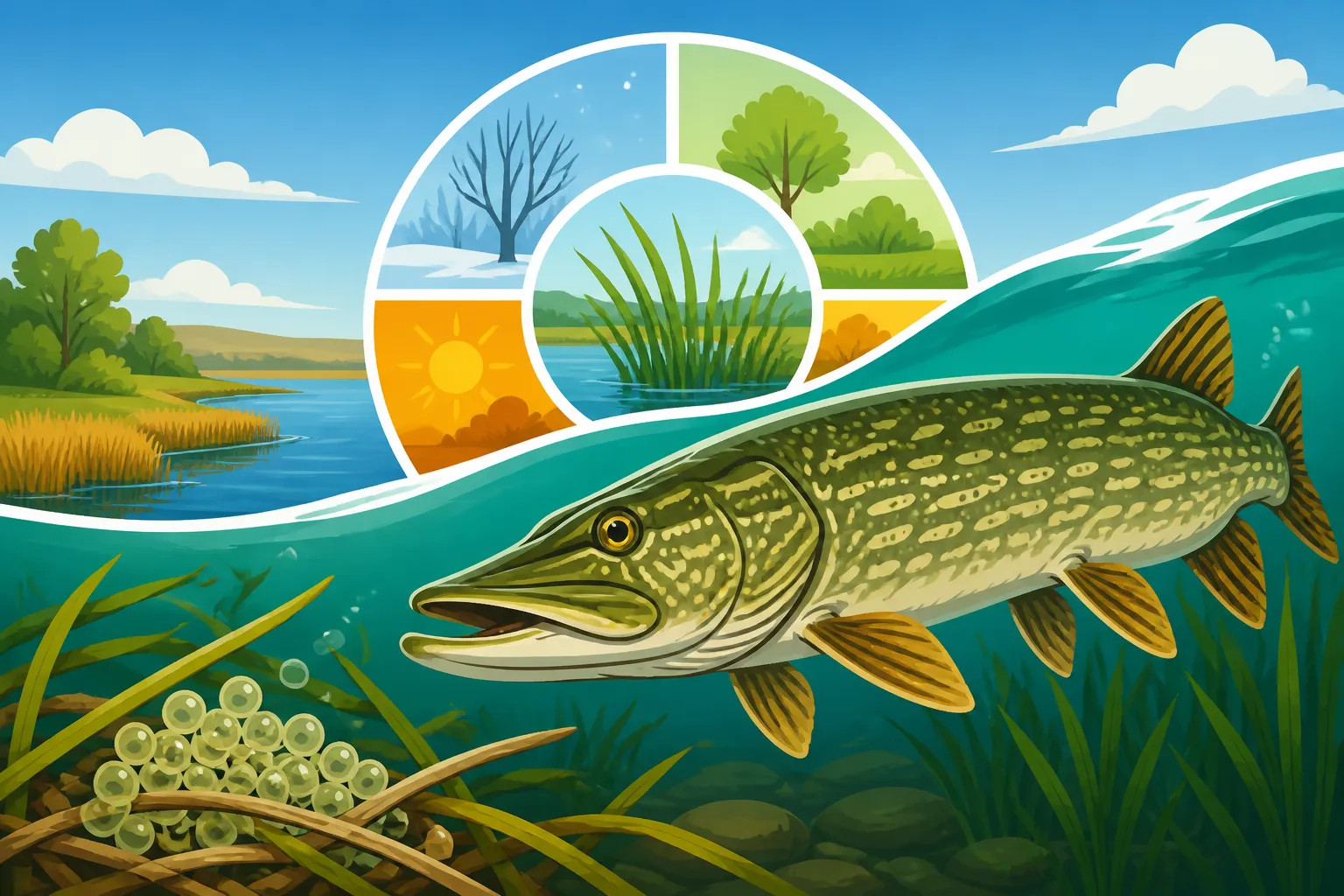
Northern Pike are not particular about their love life, but they are very particular about where they conduct it! Unlike some other species that might spawn in deep water or over rocky reefs, pike are quintessential shallow-water spawners. They seek out flooded vegetation, submerged grasses, cattails, and brush in very shallow areas—often less than three feet deep. These areas provide crucial protection for their eggs from predators and offer shelter for the newly hatched fry. The denser the vegetation, the better, as it gives the sticky eggs something to adhere to.
This preference for shallow, vegetated areas means that water levels play a significant role in their spawning success. In years with ample spring runoff and higher water levels, more flooded shoreline vegetation becomes available, creating expansive, ideal spawning habitats. Conversely, during drier years with lower water levels, suitable spawning grounds can be limited, potentially concentrating the fish or even reducing reproductive success. This variability can make finding those prime areas a bit more challenging, but also more rewarding when you do. A good pair of waders (which you can often find on Amazon) can be invaluable for exploring these shallow zones, just remember to be mindful of the delicate environment.
Daylight Hours and Weather Patterns: Subtle Influences
While temperature and water levels are the big players, daylight hours and broader weather patterns also exert subtle influences on the pike spawn. The increasing length of daylight, a biological cue known as photoperiod, signals the approach of spring and helps trigger the hormonal changes that prepare pike for reproduction. It’s part of their innate rhythm, a deep-seated instinct passed down through generations. This is why even during a cold snap in April, you know the pike want to spawn; they're just waiting for the conditions to align.
Beyond just the length of day, specific weather patterns during the spawning window can also have an impact. Extended periods of warm, sunny weather will accelerate the spawn, warming those shallow areas quickly. However, a sudden, sharp cold front can temporarily halt or delay spawning activity, sending the fish back to slightly deeper, more stable water until conditions improve. Strong winds can also stir up shallow spawning areas, reducing water clarity and potentially making conditions less ideal. It’s like a weather rollercoaster, and the pike are just trying to hold on and get their important job done. Understanding these nuances can help you interpret fish behavior during the spring season.
| Factor | Ideal Conditions for Northern Pike Spawning | Impact on Timing |
|---|---|---|
| Water Temperature | 38-52°F (3-11°C) | Direct trigger; too cold delays, too warm stresses. |
| Ice Out | Complete ice melt on shallow bays and spawning grounds | Essential prerequisite for access and warming. |
| Water Levels | High, providing access to flooded vegetation | More habitat means more successful spawning. |
| Habitat | Dense, submerged vegetation (grasses, cattails, brush) | Provides egg adhesion and fry protection. |
| Daylight Hours | Increasing photoperiod of early spring | Biological cue for reproductive readiness. |
| Weather | Stable, warming periods | Accelerates spawn; cold fronts can halt or delay. |
The Angler's Perspective: How Spawning Affects Pike Behavior and Fishing
For us anglers, the Northern Pike spawn isn't just an ecological event; it's a monumental shift in fishing strategy. Pike behave very differently before, during, and after they reproduce, and knowing these changes is the secret sauce to consistent success. Forget your summer spots or winter tactics; spring pike fishing requires a unique approach tailored to their biological imperative. It's a time when you need to be observant, patient, and sometimes, a little bit stealthy.
Pre-Spawn Blitz: A Window of Opportunity
Ah, the pre-spawn! This is often the most exciting time for many North Dakota Northern Pike Fishing Guide enthusiasts. As soon as the ice starts to recede, and even before the shallow spawning grounds are ready, large female pike begin to stage in slightly deeper water adjacent to these areas. They are gorging themselves, packing on calories and energy for the arduous spawning process ahead. Their hunger drive is incredibly high, making them aggressive and often willing to strike a wide variety of lures. This is often when you catch some of the biggest, fattest pike of the year.
Think of them as athletes carb-loading before a big race. They're focused on feeding, and if you can intercept them in these staging areas—the edges of shallow bays, channel mouths, or transition zones from deep to shallow—you can have some truly memorable days. Lures that mimic large baitfish, such as spoons, crankbaits, or large swimbaits, can be incredibly effective during this period. It’s a fast and furious bite that can sometimes last for a week or two, depending on how quickly spring arrives. Many anglers specifically target this window, knowing it's their best shot at a trophy fish before they move into the thick stuff. If you're looking for that tackle to stand up to these monsters, check out what’s available on Amazon for heavy-duty pike gear.
During the Spawn: A Time for Respect and Patience
When the water temperature hits that sweet spot, and the pike move into the dense, flooded vegetation to spawn, their focus shifts entirely. Their priority is no longer feeding, but reproduction. Males typically arrive first, clearing small territories and waiting for the larger females. The actual spawning involves the female releasing her sticky eggs over the vegetation, which are then fertilized by the attending males. This process can last several days for an individual fish, and they expend an enormous amount of energy.
During the peak of the spawn, fishing can become significantly tougher. Pike are less interested in your lures, often striking out of irritation rather than hunger. While you might still catch a few, especially smaller males, the larger females are often lethargic, bruised, and not in prime fighting condition. Many ethical anglers choose to either avoid fishing these specific spawning areas altogether during this intense period or practice extreme catch-and-release, minimizing stress on the fish. It’s about respecting their vital role in the ecosystem. This isn't to say you can't catch pike, but it means adjusting your expectations and perhaps exploring areas where non-spawning pike might still be staging. It’s a good time to review North Dakota Fishing Regulations Explained to ensure you're fishing responsibly.
Post-Spawn Recovery: Where Do the Big Ones Go?
Once the spawning rituals are complete, both male and female pike are exhausted. The females, especially, have lost a significant amount of weight and energy. They often retreat from the immediate spawning grounds, seeking out slightly deeper, cooler water to recover. This post-spawn period can sometimes be another challenging time for anglers, as the fish are not as aggressive as they were pre-spawn. They need time to recuperate and rebuild their energy reserves.
However, after a week or two of recovery, their hunger instincts return, and they begin to feed aggressively once more. This post-spawn feeding frenzy isn't always as intense as the pre-spawn, but it can still offer excellent fishing opportunities. The key is to find those recovering fish. They often move to the edges of weed beds, submerged structures, or areas with good access to deeper water where baitfish are abundant. Lures that require less effort to catch, like slowly retrieved spoons or jerkbaits, can be very effective. It's about finding that balance between a recovering fish's energy level and their growing hunger. This period leads directly into the prime open-water pike fishing of late spring and early summer.
Ethical Angling and Adapting Your Strategy During the Spawn
Understanding the pike spawn isn't just about catching more fish; it's about being a responsible steward of our fisheries. As much as we love the thrill of a hard-fighting pike, we also want to ensure healthy populations for future generations of anglers. Adapting our strategies and practicing ethical angling during this sensitive time is crucial. It’s part of what makes us truly dedicated to the sport.
Regulations and Responsible Fishing Practices
North Dakota has regulations in place to manage our fish populations, and while there isn't typically a closed season for Northern Pike during their spawn, it's always wise to be aware of the general North Dakota Fishing Regulations Explained for your specific body of water. Some smaller, sensitive areas might have specific rules, or there could be length and possession limits that apply year-round. Beyond the letter of the law, responsible angling during the spawn means exercising good judgment.
If you encounter pike actively spawning in very shallow water, consider leaving them undisturbed. Their focus is on reproduction, and repeatedly catching them during this vulnerable period can add unnecessary stress, potentially affecting their spawning success. If you do choose to fish, use techniques that allow for quick releases, and handle fish minimally. Avoid dragging them on shore or keeping them out of water for extended periods. A good pair of pliers from Amazon for quick hook removal and a large landing net are your best friends during this time. Remember, the health of the fishery depends on healthy fish.
Gear and Lure Choices for Spawning Season Pike
When pike are focused on spawning, their typical aggressive strikes might lessen, but they're not entirely uninterested. Your Best Lures for Northern Pike in Spring might need a slight adjustment. Instead of fast, erratic retrieves designed to trigger a reaction strike, sometimes a slower, more deliberate presentation is required. Pike that are staging pre-spawn or recovering post-spawn will still respond well to larger offerings that represent a substantial meal.
For Pre-Spawn Pike:
- Large Spoons: Silver, gold, or flashy patterns like red-and-white. Cast far and retrieve steadily or with a slight wobble.
- Crankbaits: Deep-diving or lipless crankbaits in natural baitfish patterns or bright, attracting colors.
- Spinnerbaits: Large spinnerbaits with tandem blades, especially in weed lines or along edges.
- Jerkbaits/Glide Baits: Suspended jerkbaits worked with a twitch-pause retrieve can be deadly.
For During/Immediately Post-Spawn Pike (if you choose to fish):
- Smaller Spoons/Jigs: A slightly smaller profile that might be less intimidating to a recovering fish.
- Soft Plastics: Swimbaits or large tubes rigged weedless can be effective in shallow, vegetated areas, retrieved slowly.
- Live Bait: Large shiners or suckers, fished under a bobber or on a slip sinker rig, can sometimes entice a less active fish that isn't interested in artificials.
Finding the Fish When They're Not Thinking About Your Lure
The biggest challenge during the actual spawn isn't necessarily what lure to use, but where to find fish that are willing to bite. Since many fish are actively spawning or recovering, you might need to broaden your search. Focus on areas adjacent to known spawning grounds. Look for deeper cuts, channel edges, or points that extend into the shallow bays. These are often places where pike will pause before heading in to spawn, or where they'll retreat to immediately after.
Don't be afraid to move around. If a shallow bay seems devoid of active fish, try the next one, or try the deeper access points to it. Your How to Fish for Northern Pike in North Dakota techniques might need to shift from casting into the thick of it to more methodical searches along depth transitions. Using a fish finder to locate schools of baitfish can also lead you to hungry pike, even if they're not in full spawning mode. This is where patience truly becomes a virtue, and the reward for cracking the code during this unique season is immense, both in terms of fish caught and the satisfaction of understanding their natural rhythm.
Disclaimer
This article is for general informational purposes only and does not constitute professional advice. Laws, prices and regulations vary by location and change over time. Consult a qualified professional for guidance on your specific situation.