Best Boats for Lake Sakakawea’s Big Water
Fishing on Lake Sakakawea can feel less like a lake and more like an inland sea, and many anglers discover this the hard way when their trusty bass boat or smaller aluminum rig gets tossed around like a toy. It's not just about getting to your fishing spot; it's about getting there safely, staying comfortable when the wind picks up, and having the right platform to effectively fish its vast, often challenging waters. This comprehensive guide will help you understand what truly makes a boat suitable for tackling Lake Sakakawea's big water, ensuring your adventures are both successful and secure.
Understanding Lake Sakakawea's Unique Challenges
Lake Sakakawea isn't just a big lake; it's a massive reservoir, over 170 miles long with an incredible amount of shoreline, formed by the Missouri River. This vastness presents a unique set of challenges that smaller, less capable boats simply aren't designed to handle safely or comfortably. You can't just throw any boat at it and expect to have a good time, especially when the weather decides to show its true North Dakota colors.
The Sheer Scale and Depth of the Reservoir
When people talk about "big water," Lake Sakakawea is exactly what they're referring to. Stretching across much of central North Dakota, this lake has the kind of open expanses that can make even experienced boaters feel small. Its depth can reach over 180 feet in places, and the sheer volume of water means that even a gentle breeze can create significant waves. Imagine being miles from shore, with an unexpected chop building—a small boat can quickly become overwhelmed.
Because of its size, reaching productive fishing grounds often means covering considerable distances, sometimes 10, 20, or even 30 miles from the nearest ramp. This isn't a quick hop across a bay; it's a serious journey. A boat capable of maintaining a safe and efficient cruising speed, especially with a load of gear and passengers, is absolutely crucial. A slow, underpowered boat will turn a pleasant morning run into a long, uncomfortable slog, potentially eating up valuable fishing time or even running you out of daylight. Check out our Lake Sakakawea Fishing Guide for North Dakota Anglers for more on what this lake has to offer.
Unpredictable Weather and Sudden Storms
North Dakota weather is famous for its unpredictability, and Lake Sakakawea amplifies this tenfold. What might start as a calm, beautiful morning can quickly morph into a white-capping gale with darkening skies in a matter of hours, sometimes even minutes. These sudden shifts can catch anglers off guard, especially those who aren't accustomed to big water conditions. You need a boat that can not only get you out there but, more importantly, get you back safely when conditions deteriorate unexpectedly.
A boat designed for big water will have a hull that can slice through waves rather than slap over them, providing a much smoother and safer ride when you're caught in a squall. It's about more than just comfort; it's about the ability of the vessel to handle the stress of rough water without being swamped or capsizing. Many a story has been told by local anglers about sunny mornings turning into terrifying white-knuckle rides back to the ramp.
Dealing with Wind-Whipped Waves
The constant presence of wind is perhaps the biggest factor on Lake Sakakawea. Even a moderate 10-15 mph wind, when blowing across miles of open water, can quickly build up 2-3 foot waves. Stronger winds, which are very common, can generate waves of 4-6 feet or more, creating truly hazardous conditions. These aren't gentle rollers; they're often steep, confused, and challenging.
A boat that can handle these conditions provides a much more comfortable fishing experience. Imagine trying to stand, cast, or even just sit still in a boat that's constantly being tossed around. It's exhausting and distracting. A well-designed big water boat will minimize the impact of these waves, allowing you to focus on fishing rather than bracing yourself. It's the difference between an enjoyable day on the water and one spent clinging to the console.
Essential Characteristics for a Sakakawea-Ready Boat
When you're looking for a boat to conquer Lake Sakakawea, you can't just pick something pretty or cheap. You need to consider its fundamental design and capabilities. These aren't optional extras; they're critical elements that will dictate your safety, comfort, and success on such a demanding body of water.
Hull Design: Deep-V for Big Water Handling
The absolute most important characteristic for a Lake Sakakawea boat is its hull design. You need a deep-V hull, plain and simple. A deep-V means the bottom of the boat forms a sharp V-shape from bow to stern. This design is crucial because it allows the boat to cut through waves smoothly, absorbing the impact rather than bouncing violently on top of them. A flatter-bottomed boat, like many traditional bass boats or smaller jon boats, will pound mercilessly in even a moderate chop, making for an extremely wet, uncomfortable, and potentially dangerous ride.
Look for a hull with a steep deadrise angle at the transom (the back of the boat), typically 15 degrees or more, extending forward to a sharper V at the bow. This "variable deadrise" design provides lift and stability at speed while still cutting through the chop up front. It’s what gives boats like those from Lund, Alumacraft, and Ranger their legendary big water reputations. When you're facing down those rollers that seem to appear out of nowhere, you'll be thankful for every degree of that V.
Power and Performance for Long Runs
Given the vast distances you often need to cover on Sakakawea to find fish, adequate horsepower is not a luxury, it's a necessity. An underpowered boat will struggle to get on plane, burn more fuel trying to maintain speed, and be unable to handle strong head-on winds and waves efficiently. You want an outboard motor that is appropriately matched to the boat's maximum horsepower rating. This isn't about being a speed demon; it's about efficiency, safety, and the ability to outrun deteriorating weather.
A powerful, reliable outboard motor allows you to cover vast stretches of water quickly and efficiently, maximizing your fishing time. It also provides a critical safety margin. If a storm blows up, you need to be able to get back to a safe harbor or ramp as fast as possible. Boats in the 18-22 foot range often pair well with 150-300 horsepower outboards, offering a good balance of speed, fuel economy, and power to punch through the waves. Think about getting to those prime Lake Sakakawea Walleye Fishing Spots with ease.
Stability, Safety, and Freeboard
Stability is key, not just for comfort but for safety. A boat that feels tippy, especially when moving around or fighting a fish, can be unnerving. Look for a boat with a wide beam (width) for its length, which contributes significantly to stability at rest and at lower speeds. Equally important is freeboard, which is the distance from the waterline to the top of the boat's gunwales (sides). High freeboard is your best friend on Lake Sakakawea.
On big water, rogue waves or spray can easily come over the side of a low-freeboard boat, leaving you and your gear soaked, or worse, taking on enough water to become a serious safety concern. A high freeboard acts as a protective barrier, keeping water out and providing a secure feeling, especially when dealing with children or inexperienced passengers. It's a critical safety feature that you won't fully appreciate until you're out there when conditions get a little hairy.
Top Boat Types for Navigating Lake Sakakawea
There are a few types of boats that consistently prove their mettle on Lake Sakakawea. Each has its pros and cons, but they all share the fundamental characteristics needed to handle this formidable body of water.
Multi-Species Deep-V Aluminum Boats
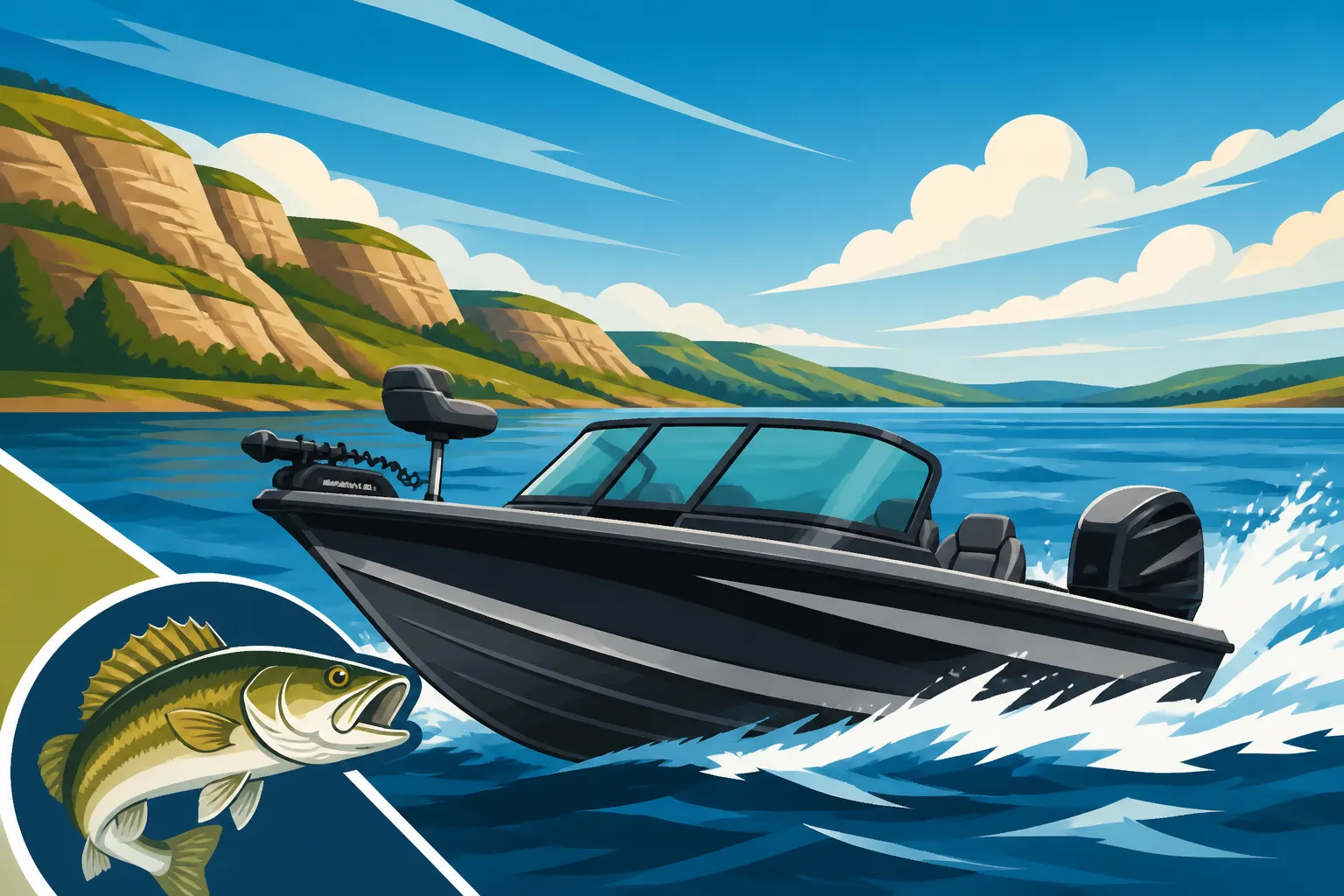
For many North Dakota anglers, the multi-species deep-V aluminum boat is the undisputed king of Lake Sakakawea. Brands like Lund, Alumacraft, Crestliner, and Warrior have built their reputations on these rugged, versatile vessels. They offer an excellent blend of durability, fuel efficiency, and big-water capability. The deep-V aluminum hull, often featuring a double-plated bow, can take a beating from chop and shallow encounters without suffering major damage.
These boats are incredibly versatile, designed to fish everything from walleye and northern pike to salmon and even smallmouth bass. They typically come equipped with spacious casting decks, ample rod storage, large livewells, and comfortable seating. Their aluminum construction makes them lighter than fiberglass counterparts, meaning they're generally easier to tow and launch. For the angler who wants a reliable workhorse that can handle anything Sakakawea throws at it, while still being able to fish a smaller lake or river, a 18-20 foot deep-V aluminum rig is often the perfect choice. You can find a huge selection of these at retailers like Bass Pro Shops, ready to be outfitted for your next adventure.
Fiberglass Multi-Species Boats: Comfort Meets Capability
While aluminum boats are popular, fiberglass multi-species boats, often from brands like Ranger, Skeeter, and Nitro, offer a different set of advantages, particularly in terms of ride comfort and performance. Fiberglass boats tend to be heavier and have a more rigid hull, which allows them to cut through waves with less pounding and provide a smoother, drier ride, especially at higher speeds. They also often feature more refined finishes, integrated storage, and sleeker designs.
The added weight and rigidity of fiberglass can be a huge benefit when you're making long runs across rough water. You'll feel less fatigue at the end of the day. While generally more expensive than comparable aluminum boats, and heavier to tow, their superior ride quality on truly rough days can be a game-changer. For serious anglers who prioritize comfort and don't mind the added investment, a 20-22 foot fiberglass multi-species boat is an exceptional choice for Lake Sakakawea. Just remember to consider your tow vehicle's capacity!
When Smaller Boats Just Won't Cut It
It's tempting to think a smaller, less expensive boat might suffice for the occasional trip to Lake Sakakawea. Perhaps a 16-foot utility boat, a bass boat, or even a large Jon boat. However, on Sakakawea, trying to save money on boat size often leads to a compromised, uncomfortable, and potentially dangerous experience.
| Boat Type | Typical Length (feet) | Pros | Cons | Sakakawea Suitability |
|---|---|---|---|---|
| Deep-V Aluminum | 17-20 | Rugged, versatile, good rough water handling, lighter weight | Can be noisier than fiberglass, less refined ride than fiberglass | Excellent |
| Fiberglass Multi-Species | 19-22 | Smoother/drier ride, higher performance, more comfortable | Heavier, more expensive, requires larger tow vehicle | Excellent |
| Traditional Bass Boat | 18-21 | Fast, excellent for calm water fishing, good storage | Poor rough water handling, low freeboard, wet ride in chop | Poor |
| Small Aluminum Utility | 14-16 | Inexpensive, easy to launch/store, fuel-efficient | Very poor rough water handling, unsafe in waves, limited capacity | Dangerous |
| Kayak/Canoe | Varies | Inexpensive, quiet, good for sheltered areas | Extremely dangerous on open water, limited range/capacity | Dangerous on open water |
A traditional bass boat, while fast and excellent on calmer waters, typically has a flatter hull design and low freeboard, making it unsuitable for Sakakawea's relentless chop. Similarly, small aluminum utility boats, kayaks, or canoes should be strictly limited to sheltered bays on calm days, and even then, with extreme caution. Is Kayak Fishing Safe on Lake Sakakawea? is a great read if you're considering paddle power for this huge body of water. For anything beyond the calmest, most protected areas, these boats are simply not designed for the big water environment, and prioritizing safety means choosing a vessel that is.
Key Features and Rigging for Big Water Success
Beyond the basic boat type, the way a boat is rigged and equipped plays a massive role in your comfort, efficiency, and success on Lake Sakakawea. Modern fishing boats are more than just hulls and motors; they are sophisticated fishing platforms.
Advanced Electronics and Navigation Systems
On a lake as vast and complex as Sakakawea, having robust electronics is absolutely non-negotiable. A high-quality GPS chartplotter with detailed mapping is essential for navigation, marking productive fishing spots, and safely returning to the ramp, especially if fog or darkness rolls in. You don't want to get lost on Sakakawea; it's easy to do if you're not equipped. Many anglers opt for a large screen at the console, like a 10-inch or 12-inch unit, making it easy to see detailed maps and sonar readings.
Complementing the chartplotter, a powerful sonar unit with capabilities like Down Imaging, Side Imaging, and 2D CHIRP sonar will revolutionize your fishing. These technologies allow you to "see" underwater structure, baitfish schools, and even individual fish, miles from shore. Being able to mark a specific hump or channel on your chartplotter, then use advanced sonar to precisely position your boat over feeding walleye, makes all the difference. Companies like Humminbird and Lowrance offer excellent systems that are perfect for North Dakota's big waters. Our Best Fish Finders for Boat Fishing article dives deeper into this topic.
Reliable Trolling Motors and Battery Power
A bow-mount electric trolling motor with adequate thrust is another critical piece of equipment for effective fishing on Lake Sakakawea. When the wind blows, which it almost always does, a powerful trolling motor allows you to hold your boat on a contour, follow a break line, or slowly work a weed edge with precision. Features like GPS-guided "spot lock" (Minn Kota's i-Pilot or Lowrance's Ghost) are absolute game-changers, allowing you to anchor electronically without dropping a physical anchor, freeing you up to focus on fishing.
Given the need for powerful electronics and trolling motors, you'll also need a robust battery system. Most big water boats will have a dedicated starting battery for the main engine and at least two, often three, deep-cycle batteries for the trolling motor, sometimes with a fourth for other accessories. A good on-board charger is essential to keep these batteries topped up after a long day of use. You need enough juice to power your electronics and keep you positioned for hours on end, even against strong winds. For more details, check out our guide on Best Trolling Motors for North Dakota Lakes.
Ample Storage, Livewells, and Comfort Features
When you're out on Sakakawea for a full day, you'll accumulate a lot of gear: multiple rods, tackle boxes, rain gear, safety equipment, food, and drinks. Ample, well-organized storage is key to keeping your boat clutter-free and safe. Look for dry storage compartments that can protect your gear from spray, dedicated rod lockers to keep expensive rods secure, and tackle storage systems.
A large, aerated livewell is essential if you plan to keep your catch, especially for species like walleye. Many big water boats feature multiple livewells, allowing you to separate fish or keep bait healthy. Finally, don't underestimate the value of comfort. Padded seats, a good windshield to deflect spray, and even a convertible top for shade or rain can significantly enhance your enjoyment, particularly on those long days when the weather isn't perfectly cooperative. Retailers like Amazon offer a wide array of specialized storage solutions, boat seats, and other comfort accessories that can be easily added to your rig.
Making Your Investment: New, Used, and Ongoing Costs
Buying a boat for Lake Sakakawea is a significant investment. It's crucial to consider not just the initial purchase price but also the long-term costs and where you'll find the right vessel for your needs.
Assessing New vs. Used Boat Options
The choice between a new and used boat often comes down to budget and personal preference. A new boat offers the latest technology, a full warranty, and the peace of mind that comes with knowing its history. You can often customize it exactly how you want it, from engine size to electronics package. However, new boats depreciate quickly, and the upfront cost can be substantial.
Used boats, on the other hand, can offer significant savings. You might be able to get a larger, better-equipped boat for the same price as a smaller new one. When buying used, thorough inspection is paramount. Look for signs of hull damage, engine hours, maintenance records, and the condition of the trailer. Consider having a qualified marine mechanic perform a pre-purchase inspection. A well-maintained used boat from a reputable big-water brand can be an excellent value, but buyer beware – a neglected boat can quickly become a money pit.
Understanding Long-Term Ownership and Maintenance
The purchase price is just the beginning of boat ownership. You'll have ongoing costs like fuel, insurance, registration fees, and maintenance. North Dakota boat registration requirements and fees, for example, need to be factored in. For specific details on these costs, you can refer to North Dakota Boat Registration Fees by Size. Given the harsh North Dakota winters, proper winterization is critical to protect your investment. This involves stabilizing fuel, draining water systems, and protecting the engine, which can be a DIY task or a service you pay for.
Regular maintenance, such as oil changes, lower unit fluid checks, and propeller inspections, are crucial for reliable operation. Remember, a breakdown on Lake Sakakawea can be more than just an inconvenience; it can be dangerous. Budgeting for these ongoing expenses ensures your boat remains reliable and ready for adventure.
Finding Deals and Trusted Retailers
When you're ready to buy, look for reputable dealers specializing in multi-species fishing boats. They often have experienced sales staff who understand the demands of North Dakota's waters and can guide you toward the right boat and rigging options. Visiting boat shows can be a great way to see many different brands and models side-by-side and often find special pricing.
For used boats, online marketplaces, local classifieds, and even dealer trade-ins can be good sources. Always exercise caution and, if possible, inspect the boat in person and take it for a test drive. Many North Dakota anglers find that dealers in larger cities, or even across the border in Minnesota, offer a wider selection of big water-ready rigs. Whether new or used, choosing a trustworthy source is just as important as choosing the right boat.
Maintaining Your Big Water Vessel for Longevity
Owning a boat that can handle Lake Sakakawea means you need to treat it right. Proper maintenance isn't just about keeping it running; it's about extending its life, preserving its value, and ensuring it's always safe when you head out into those vast waters.
Winterizing for North Dakota's Harsh Climate
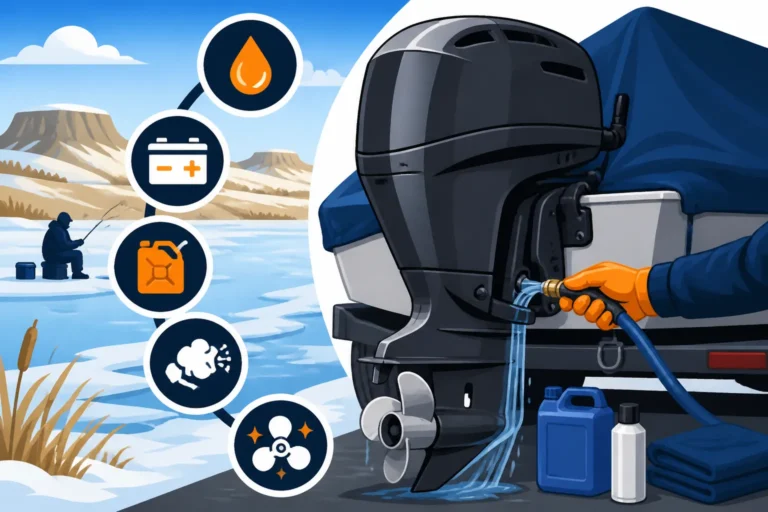
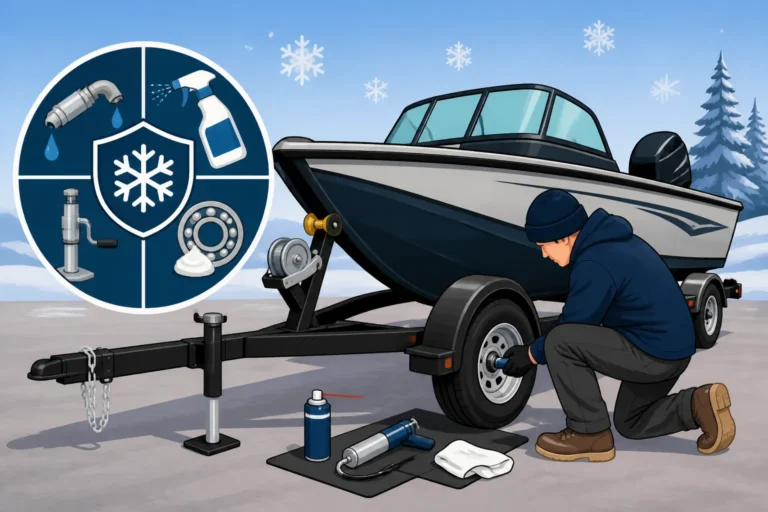
North Dakota winters are famously brutal, and they demand serious attention when it comes to boat storage. Neglecting proper winterization is a surefire way to encounter costly repairs in the spring. The process involves stabilizing the fuel, flushing and draining the engine's cooling system (and adding antifreeze if necessary), changing the oil and filter, lubricating moving parts, and removing batteries for storage in a warm place. It's also crucial to ensure all water is drained from livewells, bilge pumps, and any onboard water systems to prevent freezing and cracking.
For comprehensive steps, our article on How to Winterize a Boat Motor offers detailed guidance. Additionally, consider how and where you store your boat. Covering it properly to protect it from snow and ice, or storing it indoors, will go a long way in preventing wear and tear from the elements. A little effort in the fall saves a lot of headaches (and money) in the spring.
Regular Checks and Seasonal Maintenance
Even during the fishing season, regular checks are vital. Before each outing, a quick walk-around inspection should include checking tire pressure on the trailer, ensuring lights are working, and verifying all safety gear (life jackets, throwable devices, fire extinguisher) is on board and accessible. Check your bilge pump operation, battery charge, and fuel levels. On Lake Sakakawea, being stranded due to a preventable issue is not an option.
Throughout the season, pay attention to the little things: is your prop dinged? Are there any loose wires? Is the trolling motor operating smoothly? Regular cleaning also plays a huge role in longevity. Washing down your boat after each trip prevents grime and mineral buildup, and helps you spot potential issues early. Treating your boat with respect and attention will ensure it's a reliable partner for many seasons of North Dakota fishing adventures.
Disclaimer
This article is for general informational purposes only and does not constitute professional advice. Laws, prices and regulations vary by location and change over time. Consult a qualified professional for guidance on your specific situation.