Best Trolling Motors for North Dakota Lakes
Anyone who's spent a day battling the relentless North Dakota wind or trying to hold position over a prime fishing spot knows the frustration. Your arms ache from constantly adjusting, you drift off target, and those subtle bites become impossible to detect when you're fighting the elements. This guide is all about cutting through that struggle, helping you understand how the right trolling motor can transform your fishing experience on our magnificent North Dakota lakes, giving you unparalleled boat control and more time to focus on what really matters: catching fish.
Why a Quality Trolling Motor is a Game-Changer on North Dakota Lakes
When you think about fishing here in North Dakota, you probably envision vast expanses of water like Lake Sakakawea or Devils Lake, perhaps the mighty Missouri River. What all these bodies of water share, besides incredible fishing opportunities, is the potential for challenging conditions. Wind can whip up waves in a heartbeat, and currents, even subtle ones, can make precise boat positioning feel like an Olympic sport. This is precisely where a quality trolling motor truly shines, turning potential frustration into a seamless and enjoyable day on the water.
Battling Wind and Current Effectively
Imagine trying to keep your boat perfectly aligned along a submerged weed line or holding steady over a deep-water hump while a brisk northwest wind is trying to push you off course. Without a good trolling motor, you're constantly fighting your outboard, burning precious fuel, and making a racket that can spook any fish within earshot. A powerful electric trolling motor, however, allows you to point your bow into the wind or current and hold your position with minimal effort, often with just a tap of a foot pedal or a button on a remote. This sustained, quiet control is invaluable on our big, windy lakes.
The sheer power and responsiveness of a modern trolling motor mean you can maintain a consistent boat speed for trolling or creep along at just the right pace for casting, even when mother nature is doing her best to hinder you. This saves your back, your arms, and your sanity, letting you spend more time focused on your electronics, your retrieve, and the subtle tap of a walleye or pike taking your bait. It’s the difference between wrestling with your boat all day and effortlessly gliding to your next hotspot.
Stealth and Precision for Better Fishing Success
One of the most significant advantages of an electric trolling motor is its near-silent operation. Unlike a gas outboard, which can send vibrations and noise through the water, a trolling motor allows you to approach fishing spots with incredible stealth. This is crucial when targeting wary species like walleye or northern pike in shallow water or when trying to sneak up on schooling perch. You can effectively slip into quiet bays, work along rocky shorelines, or explore flooded timber without announcing your presence to every fish in the area.
This quiet approach, combined with the precision control a trolling motor offers, translates directly into more bites. You can hold your boat exactly where you want it, making precise casts to specific pieces of structure or slowly working your bait through a productive area without drifting too quickly. Whether you're jigging vertically over a rock pile or casting crankbaits to visible cover, the ability to control your boat's movement with such finesse puts you in the driver's seat and significantly increases your chances of a successful outing.
Enhanced Boat Control and Hands-Free Fishing
Think about trying to land a trophy fish while simultaneously trying to steer your boat with one hand. It’s a recipe for chaos. Modern trolling motors, especially those with foot pedals or wireless remotes, free up your hands completely. This hands-free control is an absolute game-changer, allowing you to dedicate both hands to casting, working your lure, setting the hook, and battling that hard-fighting walleye or feisty smallmouth bass. When you’re focused solely on the fish, you’re more effective, and you enjoy the fight a whole lot more.
Beyond just the basic steering, many advanced trolling motors now integrate GPS technology, offering features like "Spot-Lock" or "Autopilot." Imagine being able to drop anchor electronically with the push of a button, holding your boat in place over a hotspot regardless of wind or current. Or setting your motor to automatically follow a specific contour line or straight track while you drift your spinner rigs. These features don't just make fishing easier; they open up new strategies and allow you to fish spots more effectively than ever before, truly making your boat an extension of your fishing instincts.
Key Factors to Consider When Choosing a Trolling Motor
Choosing the right trolling motor isn't just about picking the biggest or most expensive one. It's about matching the motor to your specific boat, the kind of fishing you do, and the often challenging conditions of North Dakota's waters. Getting these factors right will ensure you have enough power, the right reach, and the endurance to enjoy your time on the water without constant worry. It's an investment, and understanding these key components will help you make the best decision.
Thrust Rating: Powering Through North Dakota's Waters
Thrust is arguably the most critical factor, measured in pounds (lbs), and it dictates how much power your trolling motor can generate to move your boat. North Dakota's wide-open lakes, like Lake Sakakawea, and the sometimes-swift currents of the Missouri River often demand more thrust than you might initially think. A good rule of thumb is to have at least 2 pounds of thrust for every 100 pounds of fully loaded boat weight. This includes the boat itself, your motor, fuel, gear, and passengers. If you have an 18-foot walleye boat that, fully loaded, weighs 2,000 pounds, you'd be looking for at least 40 pounds of thrust.
However, on North Dakota's notoriously windy days, you'll often want to over-spec your thrust. Fighting a 20 mph wind on a big lake requires significantly more power to hold your position or move against the chop. For most medium-sized fishing boats (16-20 feet), a 55-80 lb thrust motor is common. For larger deep-V boats (20+ feet) that often brave Best Boats for Lake Sakakawea's Big Water, you might be looking at 80-112 lbs of thrust to ensure you have enough power to control your vessel in truly nasty weather. It's always better to have a bit too much thrust than not enough, as running a motor at maximum power constantly will drain your batteries much faster and reduce its lifespan.
Shaft Length: Reaching the Water in All Conditions
The shaft length of your trolling motor is crucial to prevent the propeller from coming out of the water, a phenomenon known as "prop blowout," especially in choppy conditions. When the prop comes out of the water, you lose thrust and control, which can be frustrating and even dangerous in big waves. To determine the right shaft length, you'll typically measure the distance from the top of your bow (where the motor will be mounted) to the waterline. Then, add about 10-20 inches to that measurement to account for waves and boat bounce.
For instance, a standard 18-foot deep-V walleye boat fishing on a lake like Devils Lake might need a shaft length of 52-60 inches, while a smaller jon boat used for calmer waters might get by with a 45-inch shaft. Different boat hull designs also play a role; a high-sided deep-V will require a longer shaft than a flatter-bottomed aluminum boat. Ensure you account for typical wave heights you'll encounter on our large North Dakota lakes. Getting the shaft length right ensures consistent contact with the water, giving you continuous thrust and control when you need it most.
Battery Voltage and Battery Life Considerations
Trolling motors operate on 12-volt, 24-volt, or 36-volt systems, and this directly correlates to the thrust rating. Generally, higher thrust motors require higher voltage systems:
- 12-volt systems are common for motors with 30-55 lbs of thrust, using one deep-cycle marine battery.
- 24-volt systems are for motors with 65-80 lbs of thrust, requiring two 12-volt deep-cycle batteries wired in series.
- 36-volt systems power motors with 100-112+ lbs of thrust, needing three 12-volt deep-cycle batteries wired in series.
The more batteries you have, the longer your run time will generally be, assuming they are properly charged and maintained. For a full day of fishing on extensive North Dakota waters, especially if you're frequently using Spot-Lock or high-speed settings, adequate battery capacity is non-negotiable. Investing in quality deep-cycle marine batteries and a reliable onboard charger is just as important as the motor itself. Remember, these motors are drawing power constantly, and running out of juice far from the boat ramp can quickly turn a great day into a challenging one. Plan your battery setup with longevity in mind, particularly for those long summer days on the water. For more details, check out Best Trolling Motor Battery for All-Day Fishing.
Mount Types and Control Systems for North Dakota Anglers
The way your trolling motor attaches to your boat and how you control it dramatically influences your fishing experience. Different mounting options offer distinct advantages in terms of boat control and maneuverability, while various control systems cater to different fishing styles and preferences. Understanding these differences will help you choose a setup that feels natural and effective for your adventures on North Dakota's diverse waterways.
Bow-Mount vs. Transom-Mount Trolling Motors
The choice between a bow-mount and a transom-mount trolling motor is fundamental to boat handling.
Bow-Mount Trolling Motors: These motors attach to the front (bow) of your boat and are typically found on larger fishing boats, especially those designed for walleye, bass, and pike.
- Pros: They pull the boat rather than push it, offering superior control, maneuverability, and responsiveness, especially in wind or current. You can steer the boat precisely from the front, allowing for fine adjustments to your drift or trolling path. Most advanced GPS features like Spot-Lock are exclusive to bow-mount models. They also keep the propeller away from the main outboard, reducing the chance of tangles or prop strikes.
- Cons: Installation is more complex, often requiring drilling into the boat and dedicated wiring runs to the bow. They take up deck space and are generally more expensive.
- Ideal for: Serious anglers on medium to large boats (16ft+), anyone who needs precise boat positioning for casting or trolling, and those who frequently fish in windy conditions on lakes like Lake Sakakawea.
Transom-Mount Trolling Motors: These motors attach to the rear (transom) of your boat.
- Pros: Simple to install (usually clamp-on), often more affordable, and highly portable. They are great as primary propulsion for smaller boats or as a backup/secondary motor for larger vessels.
- Cons: They push the boat from the rear, which offers less precise steering and can be harder to control in wind or when trying to hold a specific line. They are typically hand-controlled, meaning one hand is always occupied.
- Ideal for: Smaller jon boats, canoes, inflatable boats, or kayaks where space and portability are key. They're also useful as a secondary trolling motor for slow-trolling or back-trolling on calmer waters.
Foot Pedal, Hand Control, and Wireless Remote Options
How you interact with your trolling motor defines your hands-on experience while fishing.
Foot Pedal Control: This is the preferred method for many serious tournament and recreational anglers using bow-mount motors.
- How it works: A rugged foot pedal sits on your boat's deck, allowing you to steer (heel-toe rocking) and control speed (dial or buttons) with your foot.
- Pros: Keeps both hands free for casting, retrieving, and fighting fish. Provides intuitive, instantaneous control, almost like driving a car.
- Cons: Requires dedicated deck space for the pedal and cable routing. Can take some getting used to.
- Ideal for: Anglers who prioritize hands-free operation and precise boat control while actively fishing.
Hand Control (Tiller Handle): Most common on transom-mount motors.
- How it works: A tiller handle extends from the motor, which you grasp to steer and control speed (often with a twist-grip or push buttons).
- Pros: Simple, direct, and very responsive. No extra wiring or controls needed beyond the motor itself.
- Cons: One hand is always occupied with steering, which can be a disadvantage when fighting a fish or making complex casts.
- Ideal for: Smaller boats, kayaks, or those who prefer a direct, no-frills approach to motor control.
Wireless Remote Control: Available on many modern bow-mount motors, often integrated with GPS capabilities.
- How it works: A small, handheld remote (or even a smartwatch-style remote) allows you to control steering, speed, and advanced features from anywhere in the boat.
- Pros: Ultimate freedom of movement. Great for multispecies anglers who might be moving around the boat, or for setting a course and then focusing entirely on fishing. Often works in conjunction with foot pedals or integrated GPS.
- Cons: Relies on battery power for the remote. Can sometimes be less precise than a foot pedal for very fine, instantaneous adjustments.
- Ideal for: Anglers who want maximum flexibility and access to advanced features like Spot-Lock, especially when fishing solo or moving around a larger boat.
Integrated GPS and Advanced Features (Spot-Lock, Autopilot)
This is where modern trolling motors truly revolutionize fishing, especially on the expansive and diverse waters of North Dakota. Brands like Minn Kota's i-Pilot and MotorGuide's Pinpoint GPS systems have set the standard.
Integrated GPS: These systems use GPS satellites to pinpoint your boat's location and allow the trolling motor to make micro-adjustments to maintain a course or hold a position.
- How it works: The motor communicates with GPS satellites, knowing its exact position. You can then use the remote or a connected fish finder to command it.
- Benefits: Unmatched boat control, reduced effort, and the ability to execute complex fishing strategies.
Spot-Lock (or Anchor Mode): This is arguably the most beloved feature for many North Dakota anglers.
- How it works: With the push of a button, the trolling motor uses its GPS to hold your boat's position, like an electronic anchor. It will automatically adjust for wind and current, keeping you within a very small radius of your chosen spot.
- Pros: Frees you from conventional anchoring or constant boat adjustments. Perfect for fishing small pieces of structure, working a specific breakline, or waiting for a bite when the fish are concentrated. It’s incredibly useful on windy days on Lake Oahe or when fishing river sections of the Missouri.
- Cons: Can sometimes consume more battery power if constantly making large adjustments in strong conditions.
- Hypothetical Scenario: You find a school of walleyes on your fish finder over a small rock pile on Lake Audubon. Hit Spot-Lock, and your boat stays put, allowing everyone to drop their jigs or cast their baits precisely without drifting off. This is a game-changer!
Autopilot (or Jog/Track/Cruise Control): These features allow the motor to steer the boat automatically along a set course or at a specific speed.
- How it works: You can tell the motor to follow a compass heading, a previously saved track, or even a contour line from your depth map.
- Pros: Ideal for hands-free trolling, covering large areas, or precisely working a contour without needing to constantly steer. It allows you to focus on line management, lure presentation, and watching your sonar.
- Cons: Still requires some attention to avoid obstacles, especially in busy areas.
- Hypothetical Scenario: You're trolling for walleyes on Lake Sakakawea, following a contour at a specific depth. With Autopilot, you set your course, and the motor keeps you on track, allowing you to meticulously adjust your crankbait depth or watch your rods for strikes.
These integrated GPS features, often found on higher-end Minn Kota or MotorGuide models available at retailers like Bass Pro Shops or online at Amazon, dramatically increase fishing efficiency and enjoyment, especially when facing the challenges of North Dakota's vast and often blustery waters.
Specialized Trolling Motor Considerations for Different North Dakota Watercraft
Just as you wouldn't use the same lure for walleye and carp, you wouldn't use the same trolling motor for every kind of boat. North Dakota anglers use a wide array of watercraft, from large walleye rigs to nimble kayaks, and each has its own specific needs when it comes to trolling motor selection. Matching the motor to your vessel ensures optimal performance, safety, and an enjoyable experience on the water.
Trolling Motors for Larger Walleye Boats and Deep-V's
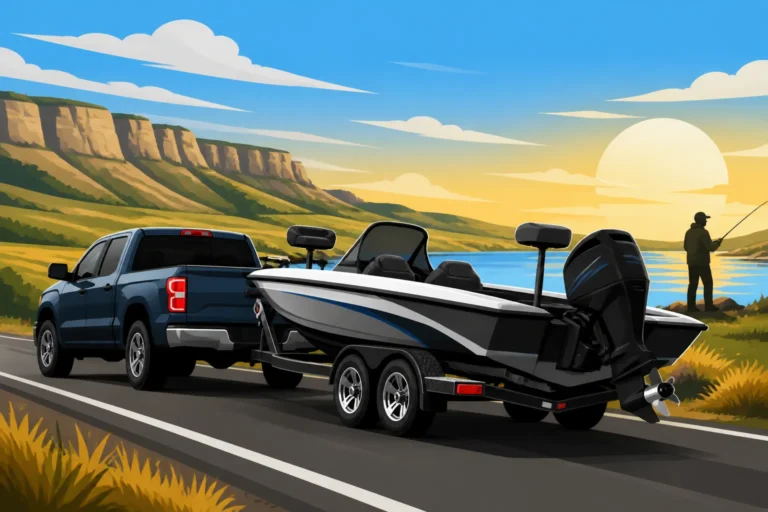
If you're running a typical North Dakota walleye boat, usually a 18-22 foot deep-V aluminum or fiberglass rig, you're looking at a specific class of trolling motor. These boats are designed to handle big water, and so should their motors.
- High Thrust is Key: You'll almost certainly need a bow-mount motor with significant thrust – think 80-112 lbs, often running on a 24-volt or 36-volt system. This power is essential for controlling a heavy boat in strong winds and chop, which are common on lakes like Lake Sakakawea, Lake Oahe, or Devils Lake. You don't want to be underpowered when a squall rolls in.
- Long Shaft Length: Deep-V hulls sit higher in the water and need longer shafts to keep the prop submerged in waves. Shafts of 52 inches, 60 inches, or even 72 inches are common for these boats. This prevents cavitation and ensures continuous thrust.
- Integrated GPS is a Must-Have: Features like Spot-Lock and Autopilot are practically standard for serious walleye anglers. Being able to electronically anchor over a submerged reef or follow a contour line precisely is invaluable for jigging, slip-bobbering, or precise trolling. These advanced features are worth the investment for the efficiency and control they provide.
- Durability and Reliability: Look for robust construction that can withstand constant use and exposure to harsh elements. These motors are often subjected to significant stress, so a well-built unit from a reputable brand like Minn Kota or MotorGuide is crucial. You might find a good selection at Bass Pro Shops or online platforms. For general information on such boats, see Best Boat for Windy Big Water Lakes.
Trolling Motors for Smaller Fishing Boats, Jon Boats, and Canoes
For those who fish from smaller, lighter vessels like jon boats, aluminum utility boats, or canoes, the requirements shift towards portability, ease of installation, and sufficient power for calmer waters.
- Transom Mount is Often Preferred: Transom-mount motors are frequently chosen for these boats due to their simple clamp-on installation and portability. They are easy to attach and remove, which is convenient if you're loading and unloading your boat frequently.
- Moderate Thrust and 12-Volt Systems: A 30-55 lb thrust motor, running on a single 12-volt deep-cycle battery, is usually sufficient for these lighter craft. They provide enough propulsion for cruising quiet sloughs, moving slowly along shorelines, or positioning in smaller lakes and calm rivers.
- Hand Control or Basic Remote: Hand control (tiller handle) is very common on these motors, offering straightforward operation. Some models may offer a basic wireless remote, which can add convenience, but advanced GPS features are less common and often unnecessary for this class of boat.
- Weight and Storage: Consider the overall weight of the motor and battery, especially if you need to carry them long distances from your vehicle to the water. Portability and compact storage are key factors for these smaller vessels. These are perfect for exploring the smaller fishing lakes in North Dakota or navigating the more secluded sections of our rivers.
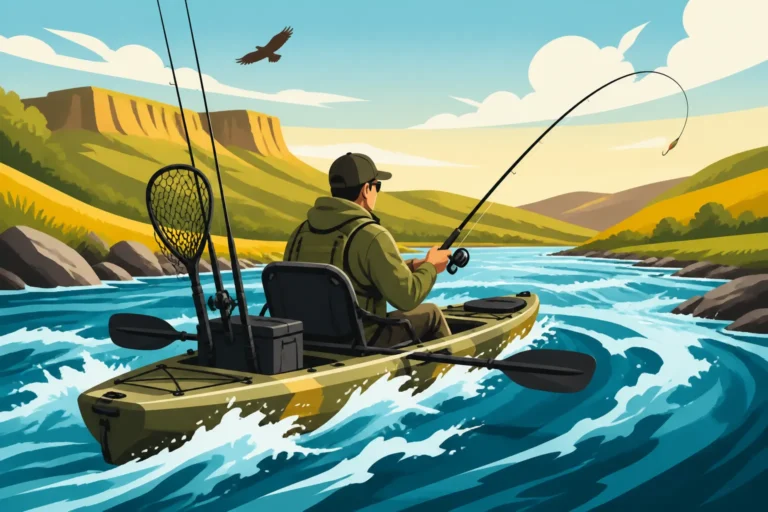
Kayak and Stand-Up Paddleboard Trolling Motor Integration
The world of kayak fishing has exploded, and integrating a trolling motor can greatly expand your range and fishing capabilities, especially on our smaller lakes or calmer arms of bigger waters.
- Specialized Mounts: Kayaks require unique mounting solutions. Many manufacturers offer specific kayak-friendly transom mounts, or you might look into aftermarket bow or side-mount systems that attach to track systems on your kayak. Best Trolling Motor Mount for a Fishing Kayak provides excellent details on this.
- Compact and Lightweight Motors: Look for motors designed for smaller vessels, prioritizing light weight and compact size. Thrusts in the 30-45 lb range are typical. Some innovative motors are designed specifically for kayak use, with smaller props and more streamlined designs.
- Battery Management: Battery space and weight are premium in a kayak. You'll need a compact, lightweight deep-cycle battery, often a lithium-ion battery (though more expensive), to maximize run time without overloading your kayak. Battery box solutions that are waterproof and compact are essential.
- Remote Control for Hands-Free Operation: A wireless remote is highly advantageous for kayak anglers, as trying to reach a tiller handle while paddling or fishing can be awkward. Keeping your hands free is crucial for safety and efficiency in a kayak.
- Registration Considerations: It's important to remember that adding a trolling motor might change your vessel's classification. You might need to consider Do You Need to Register a Kayak With a Trolling Motor? in North Dakota, so always check the latest regulations. This is true for any powered vessel, even small ones. For a detailed guide on kayak fishing hot spots, see Best Kayaks for Devils Lake.
Installation, Maintenance, and Troubleshooting Your Trolling Motor
Getting your trolling motor properly installed and knowing how to care for it are just as important as choosing the right one. A poorly installed motor can lead to frustration and even damage, while proper maintenance ensures longevity, especially with the demanding conditions encountered on North Dakota's waters. Being prepared for basic troubleshooting can also save your fishing trip from an untimely end.
Proper Installation for Optimal Performance
Whether you're installing a bow-mount or a transom-mount motor, taking the time to do it correctly will prevent headaches down the road.
For bow-mount motors, the most crucial steps involve securely fastening the mount to your boat's bow. This often means drilling holes and using backing plates or large washers to distribute the stress, especially on fiberglass hulls. Ensure the mount is positioned so the motor deploys and stows without obstruction. Wiring is the next critical component. You'll need heavy-gauge marine-grade wire (typically 6 or 8 gauge) to run from your batteries to the motor, making sure to use a marine circuit breaker close to the battery bank. If you're running a 24-volt or 36-volt system, correctly wiring your batteries in series is essential – connecting the positive terminal of one battery to the negative terminal of the next, and then running your motor's positive and negative leads from the remaining open terminals. Incorrect wiring can damage your motor and batteries. If you're unsure, consulting a marine technician or an experienced friend is always a good idea.
Transom-mount motors are generally simpler, often clamping directly onto the transom. The key here is to ensure the clamps are tight and the motor is positioned correctly so the prop is submerged, and the shaft isn't rubbing against the transom. While easier, don't skimp on securing the motor to prevent it from bouncing loose, especially in choppy water. Even with simpler installation, connecting to a battery with appropriate wiring and a fuse or circuit breaker is crucial for safety and performance.
Essential Maintenance for Longevity in Harsh Conditions
North Dakota's fishing season can span everything from the freezing cold of early spring to the scorching heat of summer, and this variation takes a toll on your gear. Regular maintenance of your trolling motor is vital to ensure it performs reliably season after season.
After every trip, especially if you've been in silty or muddy water, rinse the lower unit and propeller with fresh water. This removes weeds, grit, and any corrosive elements. Periodically inspect the propeller for nicks, cracks, or fishing line wrapped around the shaft. Even a small piece of fishing line can work its way into the seals and cause serious damage. Keep the battery terminals clean and free of corrosion, using a wire brush and a baking soda solution if needed. Apply a marine-grade dielectric grease to connections to protect them. Regularly check all electrical connections for tightness and signs of wear.
When it comes to winterization, especially important in North Dakota, ensure your trolling motor is clean and thoroughly dry before storing it in a warm, dry place. Remove batteries from your boat and store them in a cool, dry place, keeping them charged with a trickle charger or smart charger to prevent them from freezing and becoming damaged. These steps are crucial for prolonging the life of your motor and batteries, preventing costly repairs and ensuring it's ready to go when North Dakota fishing season rolls around again. For broader winterization tips, consider How to Winterize a Boat Motor.
Common Troubleshooting Tips on the Water
Even with the best preparation, things can sometimes go wrong on the water. Knowing a few basic troubleshooting steps can often get you back to fishing quickly.
If your motor stops working or has intermittent power:
- Check Battery Connections: Are all terminals tight and corrosion-free? Even a slightly loose connection can cause issues.
- Check Circuit Breaker/Fuse: Has the circuit breaker tripped (usually a button you can push to reset) or a fuse blown? This is often the culprit if the motor just suddenly dies.
- Check Battery Charge: Is your battery sufficiently charged? Sometimes a low battery can cause erratic behavior or simply not enough power to run the motor effectively.
- Check Kill Switch: Many motors have a kill switch (often a magnet or button) that must be engaged for the motor to operate. Ensure it's in place.
If the prop isn't turning or is making strange noises:
- Inspect the Propeller: Is there any fishing line, weeds, or debris wrapped around the prop or shaft? Clear it carefully.
- Check for Obstructions: Is the prop hitting anything underneath the water? Raise the motor and inspect.
- Shear Pin: Some older or simpler motors use a shear pin that breaks if the prop hits something hard, protecting the motor. If it's broken, you'll need a spare to replace it.
Always carry basic tools, such as pliers, a wrench for battery terminals, and spare fuses or shear pins, if applicable. A fully charged portable jump starter pack for your trolling motor battery can also be a lifesaver. Being able to address these common issues on the spot ensures you maximize your time on North Dakota's beautiful fishing grounds.
| Feature | Bow-Mount Trolling Motors | Transom-Mount Trolling Motors |
|---|---|---|
| Control | Foot pedal, wireless remote, integrated GPS | Hand control (tiller handle), sometimes basic remote |
| Maneuverability | Excellent, precise steering from the front | Good for straight-line propulsion, less precise steering |
| Boat Size | Medium to large fishing boats (16ft+) | Small boats, canoes, kayaks, as secondary motor |
| Power/Thrust | Often higher thrust options (80-112+ lbs), 24V/36V systems | Typically lower thrust (30-55 lbs), 12V systems |
| Installation | More complex, requires drilling, dedicated wiring | Simple, clamps directly to transom |
| Cost | Generally higher initial investment | Generally lower initial investment |
| Ideal For | Walleye, bass, pike fishing; active angling; big, windy lakes | Jon boats, small utility boats, kayaks, calm water trolling |
Choosing the right trolling motor for your North Dakota fishing adventures is about so much more than just propulsion. It's about enhancing your connection to the water, giving you superior boat control, and ultimately putting more fish in your boat. From battling the relentless winds on Lake Sakakawea with an advanced GPS-enabled bow-mount motor to quietly sneaking into a secluded backwater in a kayak with a portable transom-mount, the perfect trolling motor frees you up to truly enjoy the experience. By considering thrust, shaft length, battery life, and control systems, you're not just buying a piece of gear; you're investing in countless more successful and enjoyable days on North Dakota's incredible lakes and rivers. So go ahead, equip your boat with the right tools, and prepare for an even better fishing season!
Disclaimer
This article is for general informational purposes only and does not constitute professional advice. Laws, prices and regulations vary by location and change over time. Consult a qualified professional for guidance on your specific situation.