Best Jigs for North Dakota Walleye
If you've ever stood in front of a tackle display, staring at countless jigs, feeling utterly overwhelmed, then you know the struggle. North Dakota's walleye are legendary, but they can also be incredibly finicky, making the choice of the "right" jig feel like cracking a secret code. This guide is here to demystify the world of jigs and help you confidently pick the best options to entice those elusive walleye across our beautiful state.
The Indispensable Role of Jigs in North Dakota Walleye Fishing
When it comes to putting walleye in the boat or on the ice in North Dakota, jigs are often the unsung heroes of many tackle boxes. They’re simply one of the most versatile and effective lures you can tie on, capable of mimicking a wide array of forage and adapting to diverse fishing conditions. From the vast expanse of Lake Sakakawea to the flooded timber of Devils Lake, a well-presented jig can be the key to a successful outing.
Jigs offer a direct connection to the fish, allowing you to feel every subtle bite, every tap, and every change in the bottom composition. This direct feedback is crucial when walleye are lethargic or just barely "nosing" your bait. Unlike crankbaits or spinner rigs that work on a more automated retrieve, jigging is an interactive dance between you and the fish, making it incredibly rewarding when you crack the code.
Why Jigs Are So Effective for Walleye
Walleye are primarily bottom-oriented predators, often lurking near structure, breaks, or current seams, waiting to ambush unsuspecting prey. This is where the jig truly shines. It can be worked directly on the bottom, bounced along contours, or subtly suspended in the strike zone, putting it right in front of a walleye's nose. The natural flutter and darting action of a jig, especially when paired with a minnow or soft plastic, perfectly imitates a struggling baitfish or an injured critter, triggering a predatory response.
Think about a small chub or shiner trying to hide in the rocks or weeds. A jig can replicate that vulnerable movement with a flick of the wrist. This subtle presentation is particularly effective during tough bites or in colder water when walleye aren't chasing down fast-moving lures. Plus, the sheer variety of jig styles, weights, and colors means there's almost always an option to match the specific conditions you're facing.
Versatility Across Seasons and Waters
One of the greatest strengths of jigs is their year-round effectiveness and adaptability to North Dakota's varied waters. In the spring, when walleye are shallow, post-spawn, and often relating to new weed growth or rocky points, lightweight jigs with soft plastics can be deadly. As summer progresses and fish move deeper to structure like humps and breaklines on lakes like Lake Sakakawea, heavier jigs with live bait become essential for reaching them. North Dakota Walleye Fishing Guide delves deeper into these seasonal patterns.
Even through the ice, jigs remain a cornerstone. Small tungsten jigs tipped with wax worms or plastics are irresistible to panfish and walleye alike, while larger spoons and jigging raps can call in aggressive predators. Whether you're vertical jigging over a deep basin on Lake Oahe, pitching to shallow riprap on the Missouri River, or working flooded timber on Devils Lake, there's a jigging technique and a jig style that will get the job done.
Understanding the Different Types of Walleye Jigs
The world of walleye jigs is vast, but understanding the primary types can help you narrow down your choices and select the best tool for the job. Each style has its own unique characteristics, best suited for different presentations and environments that North Dakota's diverse fisheries present.
Lead Head Jigs: The Foundation of Walleye Fishing
The classic lead head jig, often called a ball head or round head jig, is probably what most anglers picture when they think of a jig. It's simple, effective, and incredibly versatile. These jigs typically feature a round or slightly flattened lead head molded onto a hook. The eye of the hook usually protrudes at a 90-degree angle from the shank, allowing the jig to hang relatively horizontally in the water.
These jigs are fantastic for tipping with live bait like minnows or leeches, which are frequently irresistible to walleye. They can be cast and retrieved, bounced along the bottom, or vertically jigged. The simple design allows the angler to impart a lot of action through rod tip movements, making the bait come alive. You'll find these in just about any tackle shop, from small local bait stores to large retailers like Bass Pro Shops, in a huge range of weights and hook sizes.
Stand-Up Jigs: Keeping Your Bait Visible
Stand-up jigs are designed with a flat bottom or a unique head shape that causes them to "stand up" when resting on the lakebed. This means the hook and your bait remain elevated, off the bottom, making them more visible to cruising walleye. This is a huge advantage, especially when fishing in mucky or silty conditions where a traditional jig might sink and get buried, obscuring your offering.
These jigs are excellent for dragging presentations, particularly when you want to cover ground slowly and methodically, presenting your bait directly in the walleye's eye-line. They're also great for deadsticking, where you leave the bait relatively still. Imagine fishing a soft, sandy flat on Lake Sakakawea; a stand-up jig ensures your minnow isn't lost in the sediment, making it an easy target for a passing walleye.
Finesse and Specialty Jigs: Adapting to Finicky Fish
Beyond the basic lead head, there's a whole world of finesse and specialty jigs designed for particular situations. These include:
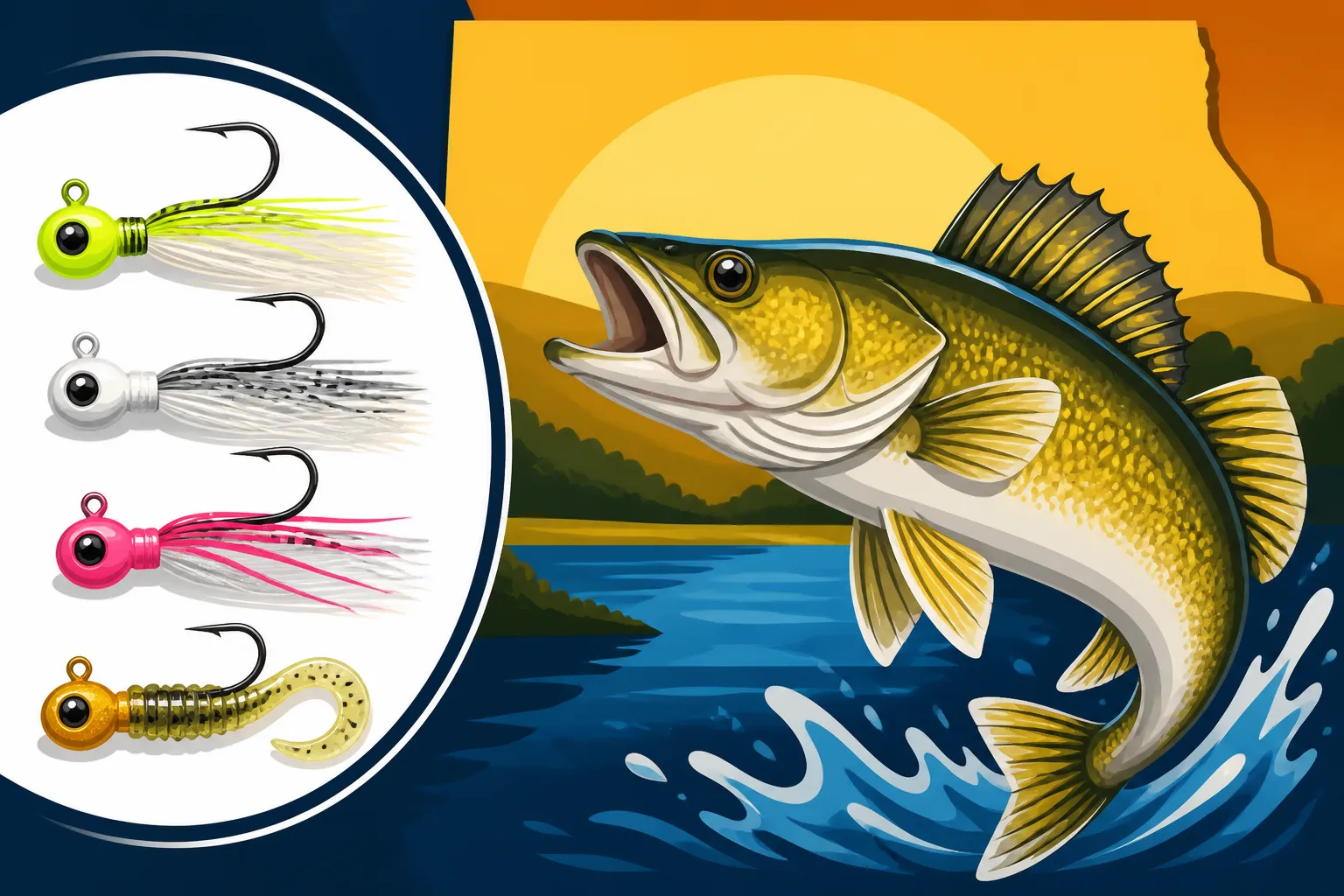
- Hair Jigs: Often made with deer, bear, or squirrel hair, these jigs offer a natural, flowing action in the water that's incredibly enticing, especially in cold water. They are typically lighter and excel when a subtle, less aggressive presentation is required. Walleye often key in on the slow fall and subtle pulse of the hair.
- Blade Baits/Jigging Raps: While technically not "jigs" in the traditional sense, these lead-bodied lures are often worked with jigging motions. They have a distinct vibrating action on the lift and flutter on the fall, making them irresistible to aggressive walleye, particularly during ice fishing season or in cold, open water.
- Swim Jigs: Designed to be fished with a swimming retrieve, often paired with a paddle-tail soft plastic. They usually have a streamlined head that glides through cover, making them suitable for fishing around submerged vegetation or timber.
- Weedless Jigs: Featuring a brush guard or wire guard, these jigs are built to navigate through weeds, brush, and timber without snagging. They are invaluable when walleye are hiding in heavy cover, which can be the case in certain areas of Devils Lake.
Experimenting with these specialized options, readily available through retailers like Amazon, can often unlock a bite when traditional methods fall short.
Choosing the Right Jig Weight for North Dakota Conditions
The weight of your jig is perhaps one of the most critical factors in successfully presenting your bait to North Dakota walleye. Too light, and you can't get to the fish; too heavy, and you lose the natural action that makes jigs so effective. It's a delicate balance that depends on several environmental factors you'll encounter on waters like the Missouri River, Lake Oahe, or even smaller regional lakes.
Factors Influencing Jig Weight Selection
There are three primary considerations when choosing jig weight:
- Depth: This is usually the most straightforward factor. The deeper you're fishing, the heavier your jig generally needs to be to reach the bottom efficiently and maintain contact. Trying to fish a 1/8 oz jig in 30 feet of water with any precision is like trying to catch a feather in a hurricane. For deep water applications, don't be afraid to go with a 3/8 oz, 1/2 oz, or even a 3/4 oz jig, especially if you're targeting those deep-water humps on Lake Sakakawea. Best Jig Head Weight for Deep Water Walleye offers more specific guidance on this.
- Current: North Dakota's rivers, particularly the Missouri River, often have significant current. Current will lift lighter jigs off the bottom and carry them away from your target zone. To combat this, you'll need to increase your jig weight substantially. What might be a 1/4 oz jig in a lake could become a 1/2 oz or 3/4 oz jig in a strong river current to keep it ticking along the bottom where walleye feed.
- Wind: Wind acts on your fishing line, creating a "bow" that makes it harder to feel bites and keep your jig on target. Strong winds, common across the prairies, will necessitate heavier jigs, even in shallower water, to maintain line control and feel the subtle takes of a walleye. If you're fishing a shallow flat in 10-15 feet of water but battling a 20 mph crosswind, a 1/4 oz or 3/8 oz jig might be more effective than the 1/8 oz you'd normally use.
Matching Weight to Presentation and Sensitivity
Beyond the environmental factors, consider the desired presentation. If you're looking for a slow, seductive fall, a lighter jig is ideal. If you need a fast, aggressive snap-jigging action, a slightly heavier jig might be better to get that crisp snap and drop. The goal is always to use the lightest possible jig that still allows you to maintain contact with the bottom, feel bites, and control your presentation. This maximizes the natural action of the bait and your sensitivity to the fish.
Using too heavy a jig can cause your bait to plummet unnaturally, potentially spooking fish, and makes it harder to detect light bites as the jig simply "thuds" the bottom rather than subtly tapping. Conversely, struggling with a jig that's too light leads to missed bites and frustrating casts that never reach their intended target. It's a skill developed over time, but always start with a weight that you feel allows you to confidently control your lure in the given conditions.
Selecting the Perfect Jig Color for North Dakota Walleye
Jig color selection can feel like a mystery, with some anglers swearing by certain hues and others claiming it doesn't matter much. The truth, like most things in fishing, lies somewhere in the middle. While presentation and location are often more critical, the right jig color can absolutely make a difference, especially when walleye are particular. In North Dakota, where water clarity can range from gin-clear reservoirs to muddy rivers, color choice is an important consideration.
Adapting to Water Clarity
The general rule of thumb for jig color is to match it to water clarity:
- Clear Water: In clear lakes or reservoirs like parts of Lake Sakakawea, natural and subtle colors often perform best. Greens, browns, grays, and whites (especially translucent shades) that mimic natural forage like minnows, gobies, or crawfish tend to be effective. Think about blending in rather than standing out too much.
- Stained or Murky Water: When the water is dirty or stained, such as after heavy rains on the Red River or in certain bays of Devils Lake, you need colors that stand out. Bright, fluorescent colors like chartreuse, orange, pink, or firetiger are excellent choices. These colors have more contrast and visibility in low-light or low-clarity conditions, making it easier for walleye to spot your offering. Best Walleye Jig Color for Stained Water provides more insights here.
- Low Light Conditions (Dawn/Dusk): In periods of low light, both natural and bright colors can work. Sometimes a dark silhouette against a dim sky is effective, so black or dark blue jigs can be surprisingly productive. Other times, a glowing or highly visible color will draw attention.
| Water Clarity | Best Jig Colors (Examples) | Rationale |
|---|---|---|
| Clear | Green Pumpkin, White, Smoke, Perch, Black, Watermelon | Mimics natural forage, less obtrusive |
| Stained/Muddy | Chartreuse, Orange, Firetiger, Pink, Glow | High visibility, creates contrast |
| Low Light | Black, Blue, Purple, Glow, Chartreuse | Creates silhouette or high visibility in dim light |
Mimicking Forage and Light Conditions
Beyond clarity, consider what the walleye are feeding on. If you know they are keying in on perch, a jig in perch patterns or colors might be the ticket. If shiners are prevalent, silver or white jigs can be very effective. Observing local baitfish populations can provide valuable clues.
Light conditions also play a role. On bright, sunny days, sometimes a more subdued, natural color works best, as a flashy or super-bright jig might be too aggressive. On overcast days or when fishing deep, where light penetration is limited, brighter or even glow-in-the-dark jigs can be incredibly effective at attracting attention. This is why many anglers have a range of colors in their tackle box, often organized neatly in a small box within their main Best Tackle Boxes for Walleye Anglers. Don't be afraid to experiment, especially if you're not getting bites on your go-to colors. Try swapping colors frequently until you find what the walleye prefer on that particular day.
Pairing Jigs with Baits: Live and Artificial
The jig head is just one part of the equation; what you tip it with is equally, if not more, important. North Dakota walleye anglers have a plethora of options, ranging from traditional live baits to an ever-expanding array of soft plastics. The choice often comes down to water temperature, fish aggressiveness, and personal preference.
The Irresistible Charm of Live Bait
For many North Dakota walleye anglers, live bait is king, especially when the bite is tough or in colder water. The natural scent, subtle movements, and authentic feel of live bait can be irresistible.
- Minnows: Hands down, minnows are the most popular live bait for walleye in North Dakota. Fatheads, shiners, or rainbows, depending on local availability and what the fish are feeding on, are excellent choices. Hook a minnow through the lips or lightly through the dorsal fin, making sure not to impede its natural swimming action. A lively minnow struggling on a jig is a sight that few walleye can pass up. This is particularly effective during early spring and late fall. Best Live Bait for Early Season Walleye can give you more tips here.
- Leeches: Leeches are incredibly durable and active in the water, making them another top choice, especially as water temperatures rise in summer. Their undulating motion is very enticing. Hook them through the suction cup on the tail end. Leeches stay on the hook well, which is great if you're making longer casts or dealing with smaller fish that might nip at the bait.
- Nightcrawlers: While perhaps less common for jigging than minnows or leeches, a piece of a nightcrawler or a whole crawler can be very effective, particularly in summer. Their scent trail can draw in fish from a distance, and their wiggling action is hard to ignore.
When using live bait, remember to carry a good bait bucket with an aerator, especially in warmer weather, to keep your bait fresh and lively.
The Versatility of Soft Plastics
Soft plastics have revolutionized walleye fishing, offering incredible versatility, durability, and a wide range of actions and colors. They are a fantastic alternative to live bait, especially when fish are aggressive, or you're fishing in areas with lots of bait stealers.
- Paddle-Tail Swimbaits: These plastics have a tail that kicks and vibrates, mimicking a swimming baitfish. Rig them on a plain lead head jig and retrieve them steadily or with a stop-and-go action. They're great for covering water and triggering reaction strikes.
- Grubs/Curl-Tail Grubs: The classic curl-tail grub is still a walleye killer. The tail creates a subtle vibration and swimming action, even on a slow retrieve. These are excellent for pitching to structure or vertical jigging.
- Stick Baits/Flukes: Thin, minnow-shaped plastics that, when rigged on a jig, can be twitched and darted erratically to imitate a fleeing baitfish. These are often used for more aggressive jigging presentations.
- Creature Baits/Craws: While typically bass lures, smaller creature baits or crawfish imitations can be surprisingly effective for walleye, especially when they are feeding on crustaceans in rocky areas.
Soft plastics are durable, so you can often catch multiple fish on a single bait. They also come pre-scented or can be easily enhanced with scent attractants, adding another layer of appeal. The choice between live and artificial often comes down to angler preference and conditions, but a truly prepared North Dakota angler will have both in their arsenal.
Mastering Jigging Techniques for North Dakota Walleye
Having the right jig and bait is only half the battle; knowing how to present them effectively is what truly separates successful anglers from the rest. North Dakota walleye often require nuanced presentations, and mastering a few key jigging techniques will dramatically increase your catch rates.
Vertical Jigging: The Art of Precision
Vertical jigging is one of the most fundamental and effective ways to present a jig to walleye, especially when they are schooled up or holding tight to structure in deeper water. This technique involves positioning your boat directly over the fish or structure and dropping your jig straight down, using your sonar (fish finder) to watch your lure and any interested fish.
The basic action involves lifting your rod tip sharply a foot or two, then letting the jig fall back down on a semi-slack line. The key is to control the fall, allowing the jig to flutter naturally. Most bites happen on the fall, so pay close attention to any slack line or subtle taps. This method is incredibly effective for targeting walleye on humps, breaklines, or even in flooded timber on lakes like Devils Lake. You can enhance your vertical jigging by using a rod with a sensitive tip, like those you might find at Bass Pro Shops, to detect those light bites. Jigging for Walleye on Lake Sakakawea outlines how important this technique is on larger bodies of water.
Pitching and Casting Jigs: Covering Ground and Stealth
While vertical jigging is great for precision, pitching and casting jigs allows you to cover more water and approach fish that might be spooked by a boat directly overhead. This is often the go-to method for targeting shallower walleye relating to shorelines, points, or weed edges.
- Pitching: This involves making short, accurate casts to specific pieces of structure or cover. The idea is to gently "pitch" the jig past the target and then slowly retrieve it, allowing the jig to fall and bounce along the bottom. This is particularly effective in areas with current, like river eddies, where you can let the current carry your jig to the fish.
- Casting: For covering larger areas, longer casts are necessary. Cast your jig out, let it sink to the bottom, and then retrieve it with a series of short hops, drags, or sweeps of the rod tip. Vary your retrieve speed and action until you find what the walleye respond to. This method is excellent for working rocky points, riprap, or transition zones from shallow to deep.
When pitching or casting, ensure your line is taut enough to feel the jig contact the bottom and detect bites, but not so tight that you're pulling the jig off the bottom too quickly. It's a feel-based technique that improves with practice.
Dragging and Drifting: Subtle Presentations for Finicky Fish
Sometimes, walleye are so lethargic or pressured that they won't react to aggressive jigging. This is when dragging or drifting jigs can be deadly. These methods involve slow, subtle presentations that keep the bait in the strike zone for extended periods.
- Dragging: This technique involves using your trolling motor to slowly pull your jig and bait along the bottom. The jig barely lifts off the bottom, creating a natural presentation that resembles a foraging baitfish or crawfish. Use a slightly heavier jig than you would for vertical jigging to ensure constant bottom contact. This method is very effective over flat bottoms, sand expanses, or subtle contour changes.
- Drifting: Similar to dragging, but you use the wind or current to move your boat, rather than the trolling motor. This allows for an even slower, more natural presentation. When drifting, periodically lift and drop your rod tip to give the jig some action, then let it settle back to the bottom. This works wonders on large, open flats where walleye might be scattered, and you need to present a bait very naturally.
Both dragging and drifting require patience and attention to detail. Watch your rod tip closely for any subtle bends or taps, and don't be afraid to leave your rod in a holder for a while, letting the natural motion of the boat and water do the work. Often, the softest bites come when the jig is barely moving.
Essential Gear for North Dakota Walleye Jigging
Having the right jigs is just the beginning. To truly excel at walleye jigging in North Dakota, you'll want to pair them with appropriate rods, reels, and line. The right gear will enhance your sensitivity, control, and overall enjoyment on the water.
Rods and Reels for Jigging
For walleye jigging, sensitivity is paramount. You need to feel those subtle "thunks" and "ticks" that indicate a walleye has picked up your lure.
- Rods: Look for spinning rods in the 6'6" to 7'6" range, with a fast or extra-fast action. This means the rod bends mostly in the tip section, allowing for quick hook sets and excellent feel. A medium-light or medium power is usually ideal for handling the typical jig weights and fighting walleye without overpowering them. Many top brands offer specific "walleye jigging" rods designed for this purpose, and you can often find a good selection from online retailers like Amazon. Best Fishing Rods for North Dakota Anglers covers more general rod advice.
- Reels: A good quality spinning reel in the 2000-3000 size range will balance well with most walleye jigging rods. Look for a smooth drag system and a good retrieve ratio. Consistency in line retrieval and drag performance is crucial when battling a strong walleye. A reel that allows for precise casting and smooth operation will make a huge difference over a long day of fishing.
Fishing Line Considerations
The type of fishing line you choose has a significant impact on your jigging success. Different lines offer different characteristics important for feel, casting, and strength.
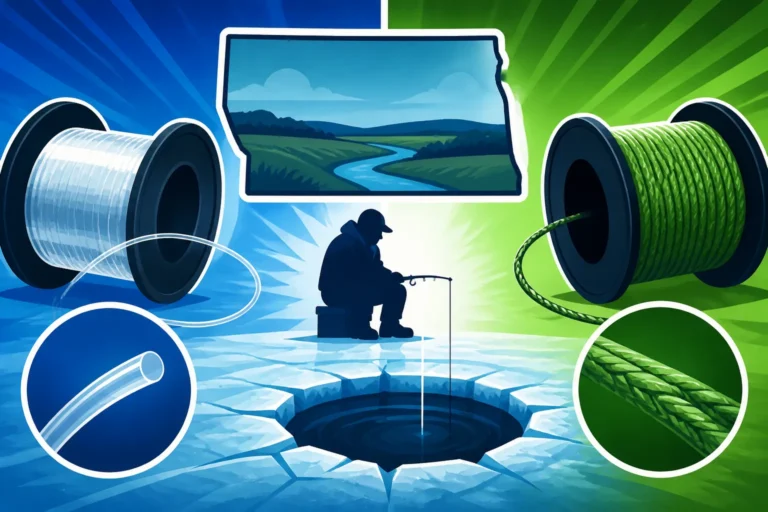
- Braided Line: Braided line has virtually no stretch, which translates to incredible sensitivity. You'll feel every tap and bottom contact. It's also very strong for its diameter, allowing for powerful hook sets. Many anglers use 8-10 lb braided line for walleye jigging. The downside is its visibility, so it's almost always paired with a fluorocarbon leader.
- Fluorocarbon Line: While some anglers use straight fluorocarbon, it's more commonly used as a leader material in conjunction with braided line. Fluorocarbon is nearly invisible in water and offers good abrasion resistance. Its low stretch provides a decent feel, but not quite as much as braid. A 6-8 lb fluorocarbon leader is a common choice for walleye jigs.
- Monofilament Line: Monofilament has more stretch than braid or fluorocarbon, which can dampen sensitivity, but it's very forgiving and easy to tie knots with. It's less common for dedicated jigging but can still be effective, especially for beginners. If using mono, stick to 6-8 lb test.
The most common setup for experienced walleye jigging anglers in North Dakota is braided main line (e.g., 10 lb) tied to a 6-8 lb fluorocarbon leader. This gives you the best of both worlds: sensitivity and invisibility.
Troubleshooting Common Jigging Challenges
Even with the right gear and techniques, walleye jigging can present its challenges. North Dakota's ever-changing weather, water conditions, and fish moods mean you'll constantly need to adapt. Here are some common problems and how to troubleshoot them.
Dealing with Wind and Current
Wind and current are perennial challenges for North Dakota anglers. They make boat control difficult, obscure bites, and prevent your jig from reaching its target.
- Increase Jig Weight: As discussed, the simplest solution for wind and current is to go heavier. Don't be stubborn with a light jig if you can't feel the bottom.
- Angle Your Drift/Troll: Instead of drifting directly with the wind or current, try to angle your boat slightly to slow your drift or maintain better control. A bow-mounted electric trolling motor with GPS capabilities (like those from Minn Kota) is invaluable for holding position or precise slow trolling in these conditions.
- Shorter Casts/Vertical Presentation: In strong winds or current, reduce the length of your casts to minimize line belly. When fishing from a boat, prioritize vertical presentations as much as possible to keep your line directly below you.
- Sensitive Rods and Braided Line: Using a highly sensitive rod and braided line will help you feel those subtle bites even when your line is being buffeted.
Overcoming Finicky Bites
Walleye can be incredibly finicky, especially during cold fronts or when they're heavily pressured. When bites are light, or fish are just "nosing" your bait, it's time to adjust.
- Slow Down: The most common mistake is fishing too fast. Try slowing your retrieve, pausing longer between lifts, or even deadsticking your jig.
- Go Finer: Reduce your jig weight, use a smaller jig profile, or lighten your leader. Sometimes a subtle change in fall rate or bait size is all it takes.
- Change Bait: If live bait isn't working, try a small, subtle soft plastic. If plastics are ignored, switch to a lively minnow or leech.
- Experiment with Color/Scent: Try a completely different color or add a strong scent attractant to your bait. Walleye have an excellent sense of smell.
- "Stingers" and Trailer Hooks: For minnow-tipped jigs, a small stinger hook attached to the main hook and hooked into the minnow's tail can greatly increase your hook-up ratio for short-biting fish.
Remember, every day on the water is a puzzle. The more tools and techniques you have at your disposal, the better equipped you'll be to solve it and bring home those delicious North Dakota walleye.
Disclaimer
This article is for general informational purposes only and does not constitute professional advice. Laws, prices and regulations vary by location and change over time. Consult a qualified professional for guidance on your specific situation.