Best Boat Size for Lake Sakakawea
One of the biggest head-scratchers for North Dakota anglers, especially those dreaming of tackling the vast waters of Lake Sakakawea, is figuring out just what size boat you really need. It's easy to get overwhelmed by all the options, leading to folks either buying too small and feeling unsafe, or going too big and regretting the extra cost and hassle. This guide is here to cut through the confusion and help you determine the best boat size for enjoying Lake Sakakawea safely and effectively.
Understanding Lake Sakakawea's Unique Challenges for Boaters
Before we even talk about specific boat sizes, it’s absolutely critical to understand why Lake Sakakawea demands a certain kind of vessel. This isn't your average small fishing pond or even a medium-sized reservoir. Sakakawea is a behemoth, and she has a personality to match. Ignoring her quirks can quickly turn a fun day into a frightening ordeal.
The Sheer Size and Scope of Sakakawea
Imagine a lake that stretches for nearly 180 miles, boasts over 1,300 miles of shoreline, and covers an area larger than many small states. That's Lake Sakakawea. It's one of the largest man-made lakes in the United States, and its immense size means a few things for boaters. For starters, you'll be covering significant distances, often many miles from the nearest boat ramp or safe harbor. This isn't a place where you can just paddle to shore if something goes wrong.
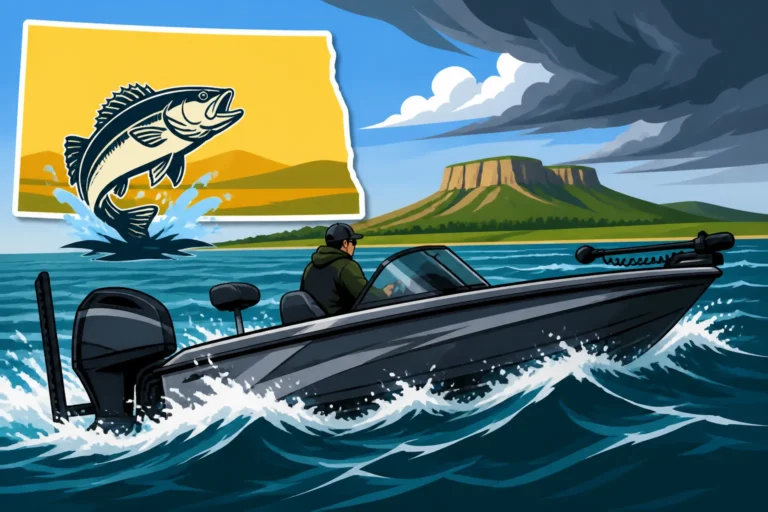
The vastness also means that wind, even a seemingly gentle breeze, can build up enormous waves with a lot of fetch – that's the distance wind travels over open water. A small chop near shore can quickly escalate into towering whitecaps just a mile or two out, catching unsuspecting anglers off guard. These waves aren't just uncomfortable; they can be genuinely dangerous for boats not designed to handle them. Planning for the long haul, both in terms of travel and potential rough water, is paramount when considering any vessel for this lake.
Unpredictable Weather and Water Conditions
If you've spent any time in North Dakota, you know the weather can change on a dime. A sunny, calm morning can quickly morph into an afternoon gale with dark, ominous clouds rolling in faster than you can reel in your line. On Lake Sakakawea, these sudden weather shifts are amplified by the lake's sheer scale. High winds can whip up waves that resemble ocean swells, sometimes reaching several feet in height. Navigating these conditions in an under-sized or ill-equipped boat is not only miserable but incredibly risky.
Beyond the wind, water levels on Sakakawea can fluctuate, exposing submerged hazards or making certain ramps unusable. You need a boat that can handle both the physical demands of these conditions and provide a stable, dry platform for you and your gear. Safety is not just about staying afloat; it's about comfort and the ability to continue fishing effectively when the weather isn't perfectly serene. Having a reliable vessel that inspires confidence is key to truly enjoying your time on this magnificent, yet often challenging, body of water.
Matching Boat Size to Your Fishing Style and Safety Needs
When it comes down to it, the "best" boat size for Lake Sakakawea really depends on your personal priorities: what kind of fishing you do, who you bring along, and how much comfort and safety you demand. There's a spectrum of options, each with its own set of pros and cons for this particular lake.
Smaller Boats: When They Work and When They Don't
For many, the appeal of a smaller boat—think kayaks, canoes, or jon boats under 16 feet—is undeniable. They're often more affordable, easier to transport, and can access incredibly shallow back bays and narrow cuts where larger vessels simply can't go. If your primary goal is to quietly explore calm, protected arms of the lake on a perfectly still day, perhaps for panfish or shallow-water pike, a smaller craft can be fantastic. They offer a unique connection to the water and a sense of minimalist adventure. Many anglers find excellent success with these personal watercraft, especially when targeting specific species in sheltered areas.
However, the "when they don't" part is crucial for Sakakawea. These smaller boats offer very little freeboard (the height of the boat's side above the water) and are highly susceptible to wind and waves. A mild breeze that barely ripples the water on a smaller lake can create whitecaps on Sakakawea that will quickly swamp a canoe or push a kayak uncontrollably. Is It Safe to Drive a Truck on North Dakota Ice? is a great reminder that safety always comes first, and the same principle applies to open water. Even near shore, unexpected wakes from larger boats can be a major hazard. If you're planning to venture far from the ramp, cross large expanses of open water, or fish in anything less than ideal weather, these smaller vessels become a significant safety concern. Their limited storage also means less room for essential safety gear, extra fuel, or even a decent cooler for your catch.
Mid-Sized Boats: The Versatile Workhorses
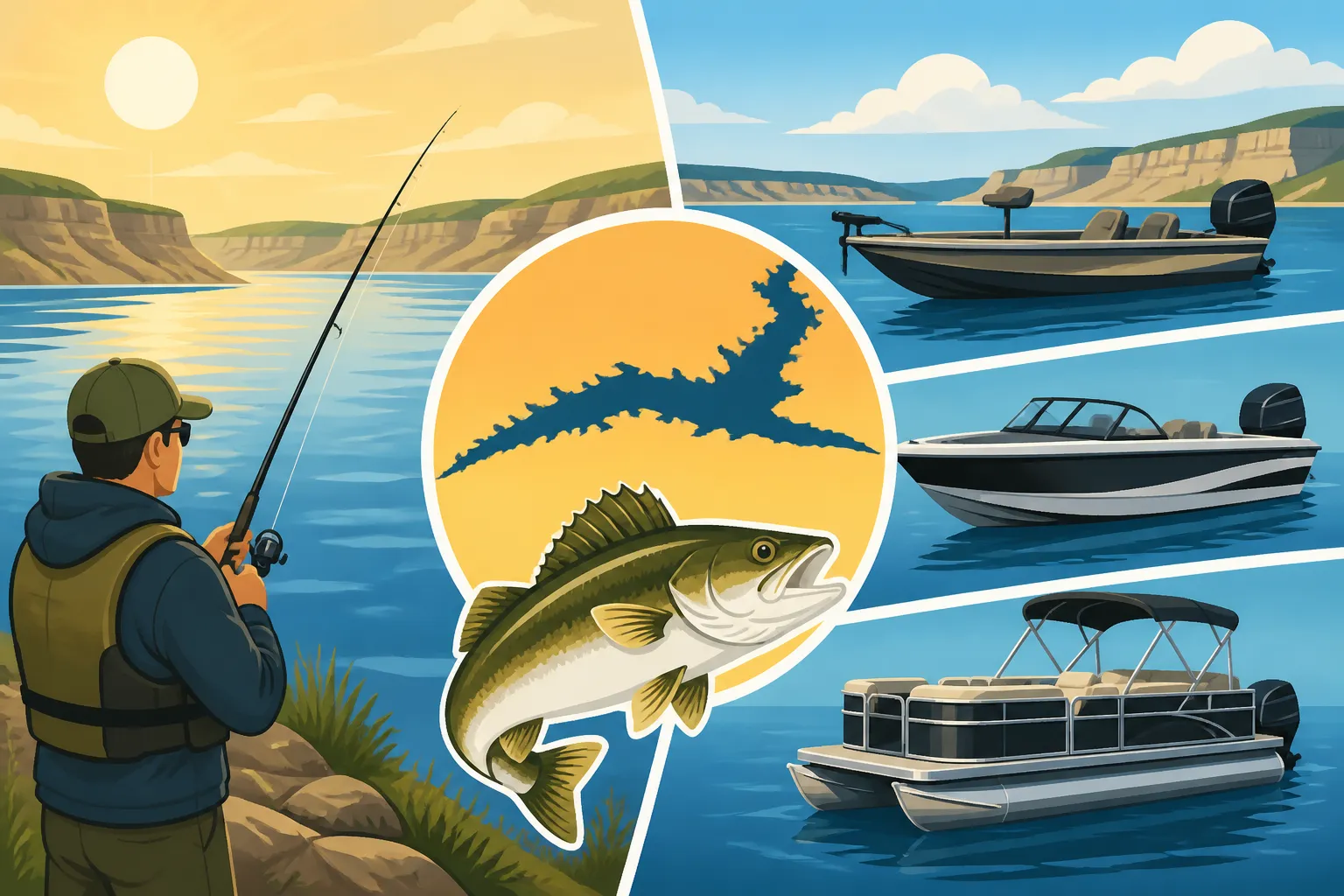
This category, typically encompassing boats between 16 and 20 feet, is where most serious Sakakawea anglers find their sweet spot. These are your classic multi-species fishing boats, often equipped with deeper V-hulls, powerful outboards, and plenty of amenities. Brands like Lund, Alumacraft, Ranger, and Skeeter all have popular models in this range. A 17- to 19-foot boat with a 90-150 HP engine is incredibly versatile. It offers enough length and weight to handle a good chop, provides ample space for 2-3 anglers and their gear, and usually has the speed to cover distances efficiently.
These boats strike a fantastic balance: they're small enough to be relatively easy to trailer and launch (though Sakakawea's low water levels can still make some ramps tricky), yet robust enough to inspire confidence when conditions turn. They'll typically feature livewells, rod storage, and sufficient deck space for casting or trolling. For anglers who want to chase walleye across main lake structure, target northern pike in deeper bays, or even salmon in the open basin, this size range offers the best compromise between capability, comfort, and cost. It's no wonder you see so many of them on the water; they truly are the workhorses of North Dakota fishing. If you're looking for a boat that can do a little bit of everything well on Sakakawea, this is probably your range. You can often find a great selection of these types of boats and accessories like fish finders or trolling motors at stores like Bass Pro Shops or online retailers like Amazon.
Larger Boats: For Serious Big Water Anglers and Comfort
When you step into the 20-foot and up category, you're looking at boats designed for ultimate comfort, stability, and speed on truly expansive waters. These include larger deep-V multi-species boats, dedicated offshore-style center consoles, or even smaller cabin cruisers. These vessels excel in rough water, providing a much smoother and drier ride when the waves are building. They offer significant storage, often accommodate larger groups of people comfortably, and can carry enough fuel for extended trips to remote areas of the lake. For those who frequently fish tournaments, bring large families, or simply demand the most stable and comfortable platform possible regardless of conditions, a boat in this size range can be invaluable. Best Boats for Lake Sakakawea's Big Water would go into more depth here.
The trade-offs, of course, are significant. These boats come with a much higher price tag, both for the initial purchase and ongoing operational costs like fuel and maintenance. Trailering and launching can be a challenge, requiring larger tow vehicles and often limiting you to only the biggest, best-maintained boat ramps. Their sheer size can also make them less maneuverable in tight spots or shallow water. However, if your budget allows and your primary goal is conquering Sakakawea's biggest waves with confidence, staying dry, and fishing in comfort with multiple companions, then a larger boat is a worthy investment. Think of the stability when reeling in a big walleye in choppy conditions – that's where these boats shine.
Practical Considerations Beyond Length
While overall boat length is a huge factor, it's far from the only thing to consider when choosing a vessel for Lake Sakakawea. Many other design and practical elements play a massive role in safety, comfort, and usability on such a large and unpredictable body of water. Overlooking these details can lead to disappointment or, worse, dangerous situations.
Hull Design and Freeboard: Your First Line of Defense
The shape of a boat's hull is arguably more important than its length when it comes to handling rough water. On Sakakawea, a deep-V hull is often preferred because its sharp entry point cuts through waves rather than pounding over them. This provides a smoother, more comfortable ride in choppy conditions, reducing fatigue for you and your passengers. A modified-V hull offers a compromise, providing some stability at rest while still handling waves reasonably well. Flat-bottom boats, while great for shallow rivers or calm backwaters, are generally ill-suited for the main body of Sakakawea as they tend to pound harshly in waves, making for a very wet and uncomfortable experience.
Equally critical is freeboard, which is the height of the boat's side from the waterline to the top rail. High freeboard is your first line of defense against taking on water from waves or boat wakes. On a lake like Sakakawea, where waves can quickly build to several feet, a boat with low freeboard is simply not safe, as water can easily slosh over the sides, potentially swamping the boat. Look for boats with generous freeboard, especially in the bow, to ensure maximum safety and dryness when encountering rough conditions. This design feature will instill confidence when navigating swells and will keep your gear and passengers much drier.
Engine Power and Fuel Capacity: Getting There and Back Safely
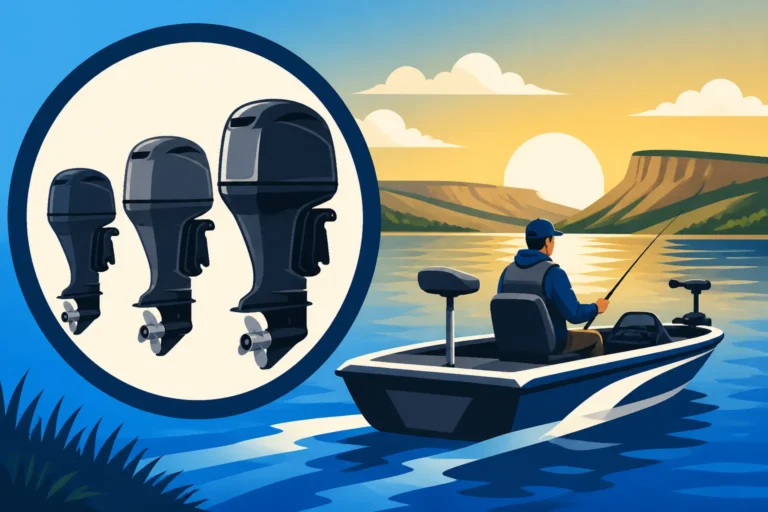
On a lake as vast as Sakakawea, where fishing spots can be miles apart, adequate engine power isn't just about getting there fast; it's about getting there efficiently and safely. Underpowering your boat means struggling against currents or winds, burning more fuel, and taking longer to reach safety if a storm rolls in. A boat in the 17-20 foot range, for instance, should ideally have an outboard motor in the 90 to 150 horsepower range to perform optimally on Sakakawea. It's about having the necessary thrust to get on plane quickly and maintain a comfortable cruising speed, even with a full load of gear and passengers.
Beyond horsepower, fuel capacity is paramount. Long runs to productive fishing areas, coupled with potential detours due to weather, mean you need enough gas to get out, fish all day, and get back with a comfortable reserve. Always overestimate your fuel needs. Many anglers consider carrying extra fuel in approved containers for peace of mind, especially when exploring remote sections of the lake. Some boats also feature auxiliary "kicker" motors, smaller outboards that serve as a backup for trolling or in case your main engine fails. This redundancy can be a lifesaver when you're many miles from the nearest ramp. Having reliable propulsion is key to a stress-free day on the water.
Storage and Features: What You'll Appreciate on the Water
Once you've got the core safety and performance aspects covered, it's time to think about the features that will enhance your fishing experience. Good storage is essential on any boat, but particularly on Sakakawea where you might be out for many hours or even all day. Look for ample, secure rod storage – whether it's in-floor, side compartments, or a dedicated locker – to protect your expensive gear from damage and keep the deck clear. Livewells are practically a necessity if you plan to keep your catch or participate in tournaments, and they should be well-aerated and properly sized for the species you target.
Beyond that, consider comfortable seating, especially if you have passengers or plan long runs. A well-designed console with space for modern fish finders and GPS units is critical for navigation and locating those elusive fish. Many anglers also appreciate features like a quality Best Trolling Motors for North Dakota Lakes for precise boat control, particularly when walleye fishing. You might also want to think about options for sun protection, extra battery power for electronics, and easy access to safety gear like life jackets. While not directly related to boat size, these features greatly contribute to a safe, enjoyable, and productive day on Lake Sakakawea. Many of these specialized items, from robust fishing rods to comprehensive first aid kits, are readily available on Amazon or at a Bass Pro Shops location.
Boat Size Comparison for Lake Sakakawea
To give you a clearer picture, here's a table comparing different boat sizes and their suitability for Lake Sakakawea:
| Boat Size Category | Typical Length (feet) | Best Use Cases on Sakakawea | Pros for Sakakawea | Cons for Sakakawea |
|---|---|---|---|---|
| Small Boats | Under 16 ft | Calm, protected bays; close-to-shore fishing; serene days. | Highly portable, fuel-efficient, accesses shallow areas. | Very limited rough water capability, low freeboard, minimal storage, poor stability. |
| Mid-Sized Boats | 16-20 ft | General fishing, walleye trolling, family outings, moderate distances. | Good balance of stability, speed, comfort, and maneuverability; handles moderate chop. | Can still be challenged in very rough conditions; higher cost than small boats. |
| Large Boats | Over 20 ft | Serious open water fishing, long runs, tournaments, large groups, all-weather comfort. | Superior rough water handling, excellent stability, abundant storage, high comfort. | High purchase and operating cost, harder to launch/trailer, less fuel-efficient, limited shallow water access. |
Making Your Decision and Next Steps
Choosing the right boat for Lake Sakakawea isn't just a purchase; it's an investment in countless hours of enjoyment, adventure, and perhaps even a few trophy fish stories. It's a decision that blends practical considerations with your personal aspirations for what a day on the water should be. Don't rush it; do your homework and make an informed choice that will serve you well for years to come.
Balancing Budget, Needs, and "Want"
Let's be real: budget often dictates a lot, and that's okay. You might want the biggest, most luxurious deep-V fishing machine, but your wallet might be whispering about a more modest mid-sized option. The key is to find the sweet spot where your boat meets your primary needs for safety and functionality on Sakakawea without breaking the bank. It's perfectly fine to start with a reliable 17-footer and then, if your passion grows and your finances allow, upgrade later. Many anglers have started small and worked their way up, gaining valuable experience along the way.
Consider your typical fishing crew size. Are you usually a solo angler or do you always bring a couple of buddies or the whole family? This will impact not just the required length but also the seating and deck space you'll need. Think about the species you target most often and the techniques you use. Trolling for walleye across open water demands a different boat than casting for pike in sheltered coves. Don't let marketing hype sway you from what truly fits your North Dakota fishing lifestyle. Remember, the goal is to enjoy the fishing, not just own a fancy boat.
Essential Safety Gear for Any Size Boat
Regardless of the size of the boat you ultimately choose, one thing remains non-negotiable: safety. Lake Sakakawea can be unforgiving, and being prepared is paramount. Always have enough Best Life Jackets for Cold Water Fishing for everyone on board, and ensure children are wearing theirs at all times. A reliable marine radio or satellite communication device is essential, as cell service can be spotty in remote areas. A well-stocked first aid kit, a throwable flotation device, a strong anchor with plenty of rope, and visual distress signals are not optional; they are mandatory.
Before every outing, check the weather forecast meticulously, and if conditions look questionable, err on the side of caution. Even in a large, capable boat, knowing when to stay off the water is the mark of a truly experienced angler. Familiarize yourself with the North Dakota Boat Registration Guide and ensure your vessel meets all legal requirements. Take a boating safety course, especially if you're new to operating on big water. There's so much to learn, from understanding wind and wave dynamics to basic navigation and emergency procedures. Being safe means you get to enjoy more days fishing, and that's what it's all about.
Disclaimer
This article is for general informational purposes only and does not constitute professional advice. Laws, prices and regulations vary by location and change over time. Consult a qualified professional for guidance on your specific situation.