Best Boat for Fishing the Missouri River Current
Anyone who has spent time on North Dakota's mighty Missouri River knows it's a completely different beast than many of our calmer lakes. The persistent current, the variable depths, and the occasional debris can turn a relaxing day of fishing into a real challenge if you're not in the right vessel. This guide is here to help you navigate those choices, outlining the best types of boats and crucial features you'll need to confidently and effectively fish the Missouri River's unique currents.
Understanding the Missouri River's Unique Demands
The Missouri River isn't just a big body of water; it's a dynamic, ever-changing environment that demands respect and the right tools. Trying to fish its stretches with a boat designed for a small, calm lake can quickly lead to frustration, or worse, put you in a precarious situation. Understanding what you're up against is the first step in choosing your ideal fishing machine.
Current, Depth, and Debris: What You're Up Against
The defining characteristic of the Missouri River is its current. This isn't a subtle drift; in many sections, especially below the Garrison Dam or around bends, the current can be quite strong. This force constantly pulls at your boat, making it difficult to hold a position over a promising fishing spot, whether you're trying to jig for walleye or anchor for catfish. You'll need substantial power and control to counteract it. Beyond the obvious current, the river's depth can fluctuate dramatically, from shallow sandbars that can appear seemingly out of nowhere to deep channels carved by years of water flow. This means you need a boat that can handle varying depths without constantly getting stuck or damaging your propeller.
Then there's the issue of debris. Trees, branches, and other floating items are a common sight, especially after heavy rains or during spring runoff. These aren't just minor annoyances; a large log can easily damage a fragile hull or jam a propeller, leaving you stranded. A sturdy, resilient boat is not just a preference, it's a necessity. Anglers often spend a lot of time on the river, and understanding these factors is crucial when preparing for a successful trip.
Navigating Variable Conditions: From Calm Pools to Swift Channels
What makes the Missouri River particularly tricky is its incredible diversity. You might launch your boat into a relatively calm, wide pool, perfect for slow trolling or casting to the shoreline. But just a short distance downstream, you could encounter a narrow channel where the current picks up significantly, creating powerful eddies and boils. These transitions require a boat that can adapt. A vessel that performs well in a calm bay might be overwhelmed in a swift, turbulent channel.
Moreover, the river isn't always a smooth ride. Wind can whip up substantial chop, especially on wider sections, turning calm waters into a bouncy, spray-filled experience. Your boat needs to be able to handle these conditions comfortably and safely. This means considering both the hull design for wave cutting and the overall stability to keep you and your gear secure. From navigating current seams for sauger to scouting for new walleye spots, a boat that can handle both extremes will greatly enhance your fishing opportunities and overall enjoyment on the water.
Key Boat Features for Missouri River Anglers
When you're out on the Missouri, your boat isn't just a platform; it's your lifeline and your fishing partner. Choosing the right one means focusing on specific features that stand up to the river's challenges and enhance your angling experience. Forget about what works on smaller, calmer lakes – the Missouri demands more.
Hull Design and Stability: Cutting Through or Floating Over
The hull is the backbone of your boat, and its design dictates how it interacts with the water. For the Missouri River, you generally want a hull that offers a good balance of stability and the ability to handle chop. Deep V-hulls are excellent at cutting through waves, providing a smoother ride in rougher conditions often found on wide stretches of the river. They displace water efficiently, reducing the jarring impact of waves. However, deeper V-hulls also tend to draw more water, which can be a concern in shallower areas or when approaching shorelines.
Alternatively, some anglers opt for modified V-hulls or even flatter-bottomed jon boats, especially if they plan to mostly fish shallower backwaters or areas with less pronounced current and chop. While these boats might not offer the smoothest ride in waves, their reduced draft allows access to areas a deep V might struggle with. The key is to assess your primary fishing style and the sections of the river you frequent most. A stable platform is paramount, whether you're standing to cast or battling a large fish. Consider how a boat handles a cross-wind and current simultaneously; a wider beam often translates to better stability, which is invaluable when fishing solo or with a partner.
Motorization and Control: Power to Navigate, Finesse to Fish
Without adequate power, you'll be fighting the Missouri River's current all day, and losing. An outboard motor with sufficient horsepower is critical not only for getting to your fishing spots quickly but, more importantly, for holding your position against the current, or getting back upstream safely if conditions worsen. For larger boats, a 90hp or even 150hp motor isn't uncommon. The ability to trim your motor is also vital for navigating varying depths, allowing you to lift the prop in shallow water and tuck it in for efficiency in deeper runs.
Beyond the main engine, a reliable trolling motor is a game-changer for finesse fishing. A powerful bow-mount electric trolling motor with GPS Spot-Lock technology is invaluable. This feature allows you to electronically anchor your boat over a specific spot, completely hands-free, letting you focus on fishing. Brands like Minn Kota and Motorguide offer robust options that can handle strong currents. Having enough thrust is crucial; don't skimp here. A 24-volt or 36-volt system will provide the power needed to fight the current and keep you locked onto that key structure. You'll find a wide selection of these at retailers like Bass Pro Shops.
| Feature | Deep V-Hull | Modified V-Hull | Jon Boat (Heavy Duty) | Jet Boat (Aluminum) |
|---|---|---|---|---|
| Primary Advantage | Smoothest ride in chop, good stability. | Balanced ride, decent shallow water access. | Maximum shallow water access, very durable. | Extreme shallow water access, no prop to hit. |
| Current Handling | Excellent with sufficient power. | Good with appropriate power. | Can struggle with strong currents; needs strong trolling motor. | Excellent maneuverability in current. |
| Debris Tolerance | Generally good, prop can be vulnerable. | Good, prop can be vulnerable. | Very high, flat bottom slides over obstacles. | Highest (no exposed prop). |
| Draft (Water Depth) | Deeper, can limit access to very shallow areas. | Moderate, better than deep V. | Very shallow, ideal for skinny water. | Extremely shallow. |
| Ride in Chop | Best, cuts through waves. | Decent, can be bouncy in heavy chop. | Rough, pounds waves. | Good for its size, but can be bouncy. |
| Best For | All-around river fishing, larger waters. | Versatile, combines comfort and access. | Backwaters, smaller rivers, very shallow areas. | Rivers with many sandbars/rocks, rapid sections. |
Durability and Construction: Withstanding the River's Rigors
The Missouri River isn't kind to flimsy boats. You need a vessel built to take a beating, both from constant current and the occasional encounter with submerged obstacles or shoreline rocks. Aluminum is the material of choice for most Missouri River anglers, and for good reason. It's tough, relatively lightweight, and can flex without cracking, unlike fiberglass which can be more susceptible to impact damage. Look for thicker gauge aluminum (e.g., .100 gauge or higher for the hull) and robust, all-welded construction over riveted designs. Welded seams are generally stronger and less prone to leaks over time, especially with the constant vibration and stress of river conditions.
When examining boat construction, pay attention to the transom and floor. The transom needs to be solid to support the powerful outboard motor, and the floor should be stable and slip-resistant, even when wet. Self-bailing cockpits are a huge plus, as they allow water from rain or spray to drain out automatically, keeping your deck drier. The stronger the build, the more confident you'll feel when the river throws a curveball, whether that's hitting an unexpected current seam or navigating through a flurry of cottonwood debris. For a deep dive into materials, check out Aluminum vs Fiberglass Boats for North Dakota Lakes.
Top Boat Types for the Missouri River Current
Now that we know what to look for, let's explore the types of boats that most successfully tackle the Missouri River. Each has its strengths and weaknesses, so consider how your specific fishing habits align with what these boats offer.
V-Hull Aluminum Fishing Boats: The Versatile Workhorse
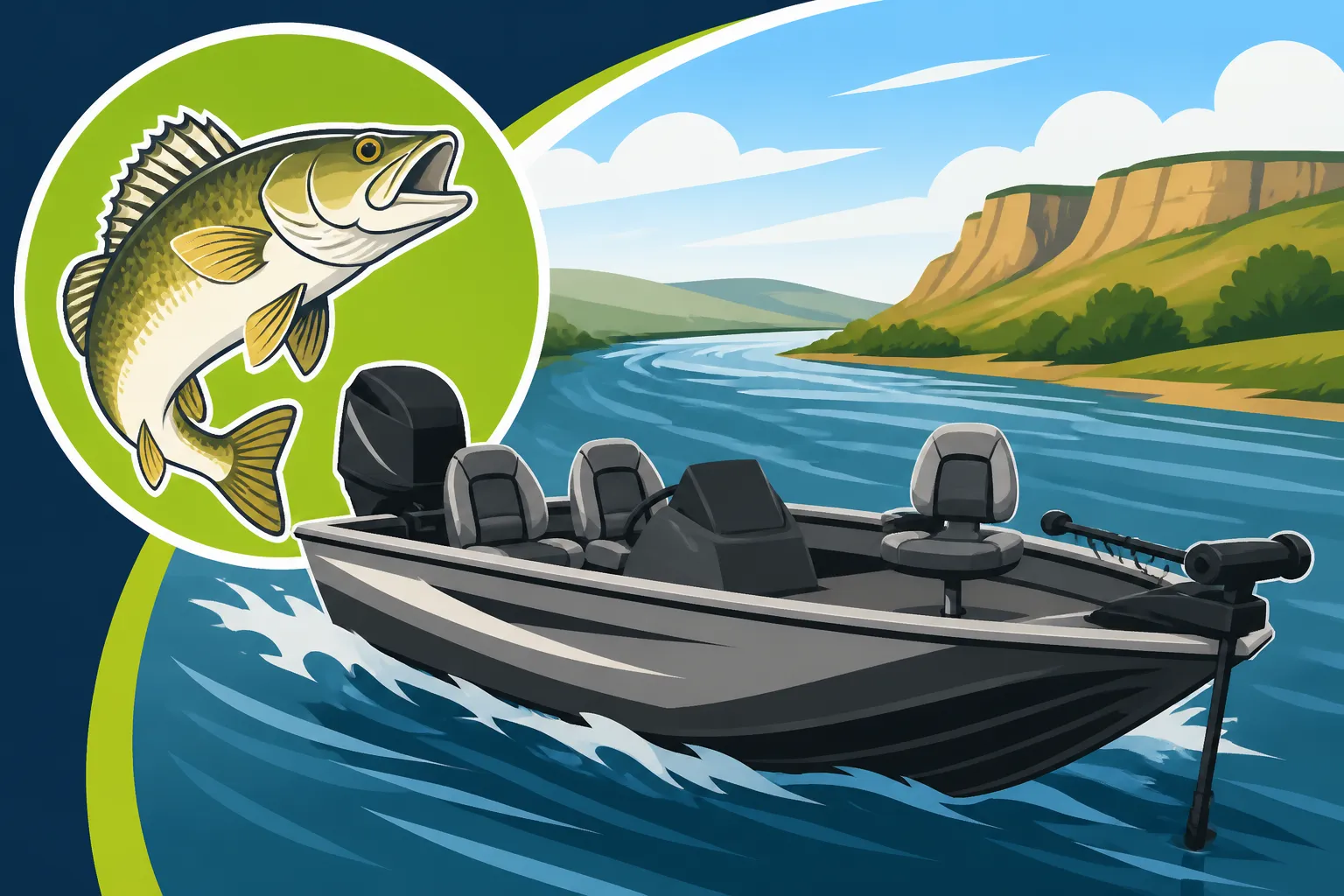
When most people picture a fishing boat on a large river or lake, they're likely imagining a V-hull aluminum fishing boat. These are incredibly popular for North Dakota fishing, and for good reason. Their V-shaped hull is designed to cut through waves and chop, providing a relatively smooth and dry ride, which is crucial on the often-windy Missouri. The aluminum construction ensures durability against debris and the occasional bump. You'll find these boats in various sizes, from 16 to 20 feet, and they come equipped to handle powerful outboards, making upstream runs a breeze.
Many of these models feature casting decks, livewells, and ample storage, making them very functional for a day of chasing walleye, bass, or northern pike. Brands like Alumacraft, Crestliner, and Lund offer excellent V-hull options that are well-suited for the Missouri. They strike a fantastic balance between comfort, capability, and cost. While they can draw a bit more water than flatter-bottomed boats, skilled navigation and a good trolling motor can still get you into many prime spots. If you're looking for an all-around performer that handles both the big water and the currents effectively, this is often the go-to choice. For more on general river boating, consider Best Boats for River Fishing in North Dakota.
Jet Boats: When Shallow Water is a Factor
For anglers who prioritize accessing extremely shallow water, jet boats offer a unique advantage: no propeller. Instead of a prop, they use an impeller to draw in water and then expel it at high velocity, propelling the boat forward. This means you can run in mere inches of water without fear of damaging a prop or lower unit on submerged rocks or sandbars, which are plentiful in certain stretches of the Missouri River. This is especially beneficial for those targeting species in skinny water or navigating braids and channels that traditional prop boats can't reach.
Jet boats are incredibly maneuverable in current, capable of turning sharply and stopping quickly. However, they do have a learning curve. Steering can feel different, and they require a bit more power to achieve comparable speeds to prop boats because of inherent inefficiencies in jet drive systems. They can also suck up weeds or debris into the intake, requiring occasional clearing. While they might not offer the same luxurious fishing platforms as some V-hulls, their ability to conquer shallow, rocky areas makes them invaluable for a specific type of river angler. If you're constantly running into prop trouble or avoiding certain sections due to depth, a jet boat, often found at powersports dealers or through specialized manufacturers, might be your perfect match.
Heavy-Duty Jon Boats: Simplicity Meets Toughness
Don't underestimate a well-built jon boat on the Missouri River. While often associated with smaller, calmer waters, heavy-duty, all-welded aluminum jon boats, especially those 16 feet or longer with wider beams, are incredibly rugged and versatile. Their flat or modified V-bottom design allows them to run in very shallow water, rivaling jet boats for skinny-water access. What they lack in smooth-riding comfort in choppy conditions, they make up for in sheer durability and utility. Many hardcore river anglers, particularly those chasing catfish on the Red River Catfish Fishing Spots in North Dakota (a different river, but similar concept for heavy-duty boats), swear by them.
Jon boats are typically simpler in design, often with open floor plans that allow for customization. You can add pedestal seats, rod holders, a robust trolling motor, and electronics to tailor it precisely to your needs. They are also generally more affordable than comparably sized V-hulls or jet boats, both in initial purchase price and maintenance. The key is to choose a heavy-duty model, not a lightweight backyard pond boat. Look for thick aluminum, reinforced transoms, and strong welds. While they might pound a bit in rough waves on a windy day on Lake Sakakawea, they are incredibly stable for standing and casting, and their resilience makes them ideal for navigating areas where you might encounter submerged logs or rocky bottoms. You can often find suitable heavy-duty jon boats at outdoor retailers or even on Amazon for accessories.
Additional Considerations for Missouri River Boating
Beyond the boat itself, there are other crucial elements to consider when preparing for a successful and safe fishing trip on the Missouri River. Ignoring these details can quickly turn a dream trip into a nightmare.
Safety Gear and Preparedness: More Than Just Life Jackets
The Missouri River is beautiful, but it can be unforgiving. Safety should always be your top priority. While life jackets are mandatory and non-negotiable for everyone on board, especially children, there's more to river safety. Always carry a throwable flotation device, such as a cushion or ring buoy, readily accessible. A loud air horn or whistle is vital for signaling other boats, particularly in low visibility or around blind bends. A well-stocked first-aid kit is essential for dealing with minor cuts, hooks, or other injuries that can occur.
Beyond immediate safety gear, consider communications. Cell service can be spotty in certain river stretches, so a marine VHF radio is a smart investment for contacting other boaters or emergency services. Always tell someone your float plan – where you're launching, where you intend to go, and when you expect to return. The current can carry you far downstream if you have engine trouble, so a strong anchor with plenty of rope (at least three to five times the depth you expect to fish) is crucial for holding your position or for emergency situations. Check out Best Life Jackets for Cold Water Fishing if you're planning on spring or fall trips, as cold water presents additional risks.
Outfitting Your Boat for Success: Electronics and Accessories
Once you've got your core boat, the right electronics and accessories can transform your fishing experience. A quality fish finder/chartplotter combo is almost non-negotiable on the Missouri River. Given the varied depths and structures, a unit with GPS mapping helps you navigate safely, mark productive fishing spots, and locate those crucial underwater contours and humps where fish hide. Look for units with side-imaging and down-imaging capabilities to get a comprehensive view of the river bottom and any hidden structure or fish. Brands like Humminbird and Lowrance are popular choices. You can often find great deals on these units at places like Bass Pro Shops or online platforms like Amazon.
Beyond electronics, practical accessories make a huge difference. Rod holders, particularly adjustable ones, allow you to troll effectively or keep extra rods at the ready. A good quality cooler is essential for keeping your catch fresh and your drinks cold. If you plan on doing a lot of anchoring in current, a stout anchor retriever or a power winch can save your back. Don't forget a reliable net, especially if you're targeting larger species like catfish or northern pike. Investing in quality accessories not only makes fishing easier but also more enjoyable and productive.
Maintenance and Storage: Protecting Your Investment
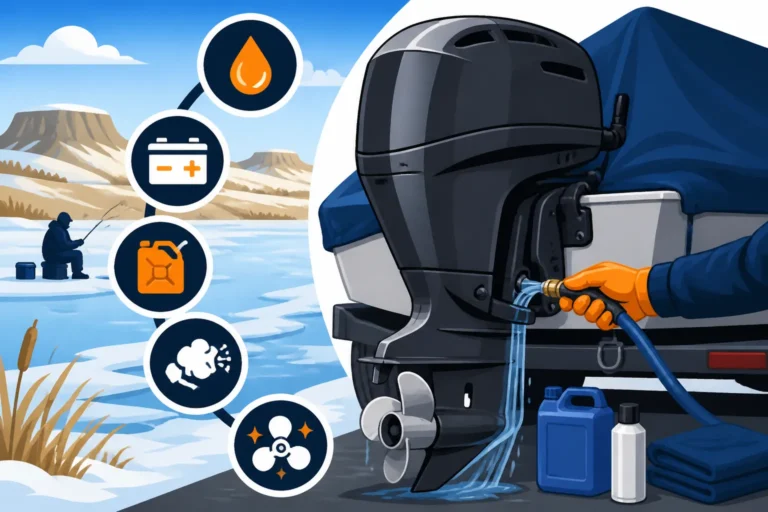
A boat is a significant investment, and proper maintenance and storage are key to its longevity and reliability, especially when constantly exposed to the demands of the Missouri River. After every trip, thoroughly clean your boat to remove mud, weeds, and any potential aquatic nuisance species. This includes flushing your engine with fresh water if you've been in silty or sandy areas, which can be harsh on cooling systems. Regularly check your trailer lights, tires, and bearings – North Dakota roads can be tough on trailers, and a breakdown can quickly ruin a fishing trip.
When it comes to storage, protecting your boat from the elements is crucial. If possible, keep it garaged or under a secure cover to prevent UV damage and weather-related wear and tear. During the winter, proper winterization of your engine and plumbing systems (livewells, washdowns) is non-negotiable to prevent freezing damage. This might involve draining all water, adding fuel stabilizer, and fogging the engine cylinders. Staying on top of routine maintenance ensures your boat is always ready when the bite is hot and helps prevent costly repairs down the line. Regular checks on your North Dakota Boat Registration Requirements and renewals are also part of good boat ownership.
The Missouri River offers incredible fishing opportunities, but it demands respect and the right equipment. By carefully considering the river's unique characteristics and focusing on durability, power, and control in your boat choice, you'll be well on your way to a safer, more productive, and much more enjoyable experience on this magnificent waterway.
Disclaimer
This article is for general informational purposes only and does not constitute professional advice. Laws, prices and regulations vary by location and change over time. Consult a qualified professional for guidance on your specific situation.