North Dakota Northern Pike Daily Limit
Figuring out the exact rules for fishing in North Dakota can sometimes feel like trying to untangle a particularly stubborn knot in your fishing line. You're out there, enjoying the peace of the water, and then a nagging thought pops into your head: "Did I remember the daily limit for Northern Pike on this lake?" It’s a common frustration, especially with regulations that can vary from one body of water to another. This guide is here to cut through that confusion, providing you with a clear, detailed understanding of the North Dakota Northern Pike daily limit, possession limits, and other crucial regulations so you can fish with confidence and stay within the law.
Understanding North Dakota's Northern Pike Daily Limit
Northern Pike are a fantastic sportfish in North Dakota, known for their aggressive strikes and powerful fights. But before you head out, knowing the daily and possession limits is paramount. Misunderstanding these can quickly turn a great day on the water into a headache with local game wardens.
The Statewide Standard for Northern Pike
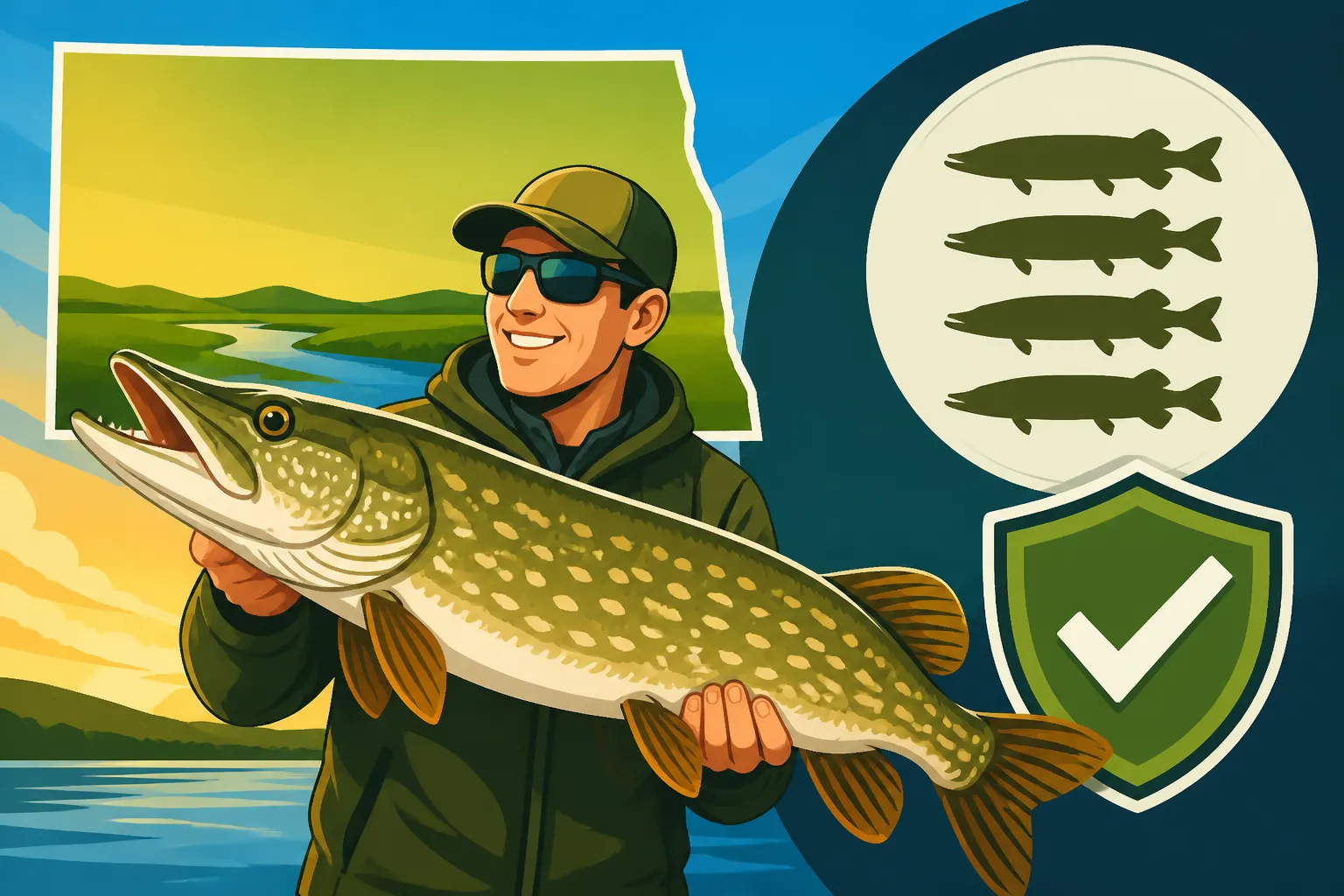
Across the vast majority of North Dakota's waters, the statewide daily limit for Northern Pike is 5 fish. This means that in any single calendar day, you are allowed to harvest and take home a maximum of five Northern Pike. Simple enough, right? This standard limit is put into place by the North Dakota Game and Fish Department (NDG&F) to ensure sustainable populations of pike across the state. It's a balancing act: allowing anglers to enjoy their sport and harvest fish, while also protecting the species from overfishing and ensuring there are plenty of pike for future generations.
These limits are part of a broader conservation strategy, often influenced by population surveys, spawning success, and the overall health of the ecosystem. For instance, if a lake’s pike population is thriving and perhaps even outcompeting other species, the NDG&F might consider liberalizing limits to encourage harvest. Conversely, if a population is struggling, limits might be tightened. The statewide limit provides a baseline that helps manage the species broadly. Imagine you're spending a gorgeous spring day casting for pike on Lake Audubon. You hook into a few beauties, and by late afternoon, you've got five solid fish in your livewell. At that point, even if the bite is still hot, you know it's time to either switch to catch-and-release fishing for pike or target a different species. It’s all about respecting the resource. If you want to dive deeper into the general rules, our comprehensive guide on North Dakota Fishing Regulations Explained can offer a broader perspective.
Differentiating Daily and Possession Limits
Here's where some anglers, especially those new to North Dakota or planning multi-day trips, can get a bit mixed up. It's crucial to understand the difference between a "daily limit" and a "possession limit."
The daily limit refers to the maximum number of fish of a single species that an individual person can legally take during a 24-hour period, from midnight to midnight. Once you've caught and kept your daily limit, you cannot harvest any more of that species until the next calendar day. For Northern Pike in North Dakota, this is generally 5 fish.
The possession limit, on the other hand, refers to the maximum number of fish of a single species that an individual can have in their possession at any given time. This includes fish at your home, in your freezer, in your vehicle, or on your boat. For Northern Pike in North Dakota, the statewide possession limit is typically 10 fish, which is double the daily limit.
Let's illustrate with a scenario: You go fishing on a Saturday and catch your daily limit of 5 Northern Pike. You take them home and clean them, storing the fillets in your freezer. On Sunday, you decide to go fishing again. You can legally catch another 5 Northern Pike because a new calendar day has begun, and you haven't exceeded your possession limit of 10 (5 from Saturday + 5 from Sunday = 10). However, if you were to go out on Monday and wanted to keep more pike, you would first need to consume or give away some of the fish from your freezer to fall back under the 10-fish possession limit. This rule is designed to prevent anglers from stockpiling an excessive amount of fish, which can put undue pressure on fish populations over time. It's about moderation and ensuring fair access for all anglers. Always be mindful of both limits to avoid any issues. For a broader understanding of what you need to fish legally, check out our North Dakota Fishing License Guide.
Special Regulations and Exceptions for Northern Pike
While the statewide daily limit of 5 and possession limit of 10 for Northern Pike applies to most waters, North Dakota's diverse fisheries mean that there are indeed special regulations and exceptions. These localized rules are incredibly important and can drastically change what you're allowed to keep. Ignoring them is a surefire way to run into trouble.
Specific Lake and River Pike Regulations
Not all bodies of water are created equal when it comes to Northern Pike. The North Dakota Game and Fish Department frequently implements special regulations for specific lakes, rivers, or even sections of rivers, based on local population dynamics and management goals.
One of the most notable exceptions for Northern Pike is often found on the Red River of the North. Historically, the Red River, which forms part of the border with Minnesota, has had incredibly abundant Northern Pike populations. In these areas, the NDG&F has often lifted or significantly liberalized the daily and possession limits for Northern Pike to encourage harvest. This is typically done to manage the population, as an overabundance of pike can sometimes negatively impact other desirable fish species like Walleye or Perch by preying on them. Anglers fishing the Red River might find that there is no daily or possession limit for Northern Pike, essentially allowing them to keep as many as they can legally catch. However, it is absolutely critical to check the current North Dakota Fishing Guide or proclamation because these regulations can change. What was true last year might not be true today.
Other large bodies of water, such as Lake Sakakawea, have also seen varying regulations for Northern Pike over the years. Depending on the current management strategy, which might involve trying to reduce pike numbers to benefit Chinook Salmon or Walleye, Lake Sakakawea has also had periods with very liberal or even no limits for pike. These decisions are made after extensive biological surveys and data analysis by the NDG&F. Before you plan a trip to any specific lake or river, especially major systems like the Missouri River System (which includes Lake Sakakawea and Lake Oahe) or the Red River, make it a point to consult the latest official North Dakota Fishing Proclamation. You can often find this booklet at bait shops, sporting goods stores, or view it online via the NDG&F website. This diligent checking is vital, as a regulation change for a particular species in a specific water body could be a quick update, and you don't want to be caught unaware. If you're interested in general seasonal changes, our North Dakota Fishing Season Dates and Limits article offers useful context.
How Slot Limits and Minimum/Maximum Sizes Impact Pike Keeping
Beyond just daily and possession numbers, special regulations can also include slot limits or specific minimum/maximum size restrictions. These rules dictate not only how many fish you can keep, but which sizes of fish you can keep. While Northern Pike in North Dakota generally don't have widespread slot limits, it’s a tool that the NDG&F uses for other species, and it’s always a possibility for pike in certain situations.
A slot limit means that you can only keep fish that fall within a certain size range (e.g., you can only keep pike between 24 and 30 inches). Fish smaller than the minimum or larger than the maximum size in the slot must be immediately released unharmed. The purpose of a slot limit is often to protect a specific age class of fish, typically the larger, mature spawning fish, while encouraging the harvest of smaller, more abundant fish. This helps maintain a healthy age structure within the fish population. For instance, if a lake has too many small pike, a slot limit might protect the medium to large fish while encouraging anglers to take home the smaller ones, thinning out the population and potentially allowing the remaining fish to grow larger.
Similarly, some regulations might impose a minimum size limit (e.g., all pike kept must be at least 20 inches long) or, less commonly for pike, a maximum size limit (all pike over 40 inches must be released). These are designed for similar conservation purposes. If you encounter such a regulation, it’s essential to carry a reliable measuring device on your boat or tackle bag. Most soft measuring tapes found on sites like Amazon are perfect for this. When you catch a fish, measure it carefully from the tip of the snout to the end of the tail (with the tail compressed). If it doesn't meet the legal requirements, it must go back into the water promptly and gently. Always remember, if you're ever in doubt about a fish's size or if it falls into a special regulation category, the safest bet is always to release it. Checking the North Dakota Fishing Regulations Booklet 2026 to 2028 is your best source for the most up-to-date and localized rules. For comparison, you can look at rules for other species like the North Dakota Walleye Size Limit Rules to see how these regulations vary.
The Fishing, Hunting, Furbearer Certificate and Northern Pike
Beyond just the fishing license itself, North Dakota has an additional requirement that often surprises new anglers: the Fishing, Hunting, Furbearer Certificate. Understanding if this applies to your pike fishing adventures is crucial for staying compliant.
Is the Certificate Required for Pike Fishing?
Yes, for most resident adult anglers and non-resident anglers of a certain age, the Fishing, Hunting, Furbearer Certificate is indeed a required endorsement to your regular North Dakota fishing license if you plan to fish for species like Northern Pike. Think of it as an extra stamp you need to purchase that goes along with your core fishing license. It's not a standalone license but rather an additional fee that contributes to the management and conservation efforts of various wildlife and fish species across the state, including game fish like Northern Pike.
This certificate is part of North Dakota's overall funding mechanism for wildlife management. The revenue generated helps support research, habitat restoration, law enforcement, and fish stocking programs that directly benefit species like Northern Pike. So, while it might seem like an extra step, it plays a vital role in maintaining the quality of North Dakota's fishing and hunting opportunities. For most residents aged 16 and older, and non-residents aged 12 and older, if you are purchasing a regular fishing license, you will also need to purchase this certificate. It’s usually a small, additional fee, but failing to have it, even if you have your primary fishing license, can lead to fines. Our detailed guide, The Fishing, Hunting, Furbearer Certificate Explained, offers a complete rundown on this requirement.
Who Needs the Certificate and Who is Exempt?
It’s important to understand the specific age and residency requirements for the Fishing, Hunting, Furbearer Certificate, as there are some nuances and exemptions.
Residents:
- Ages 16 and older: If you are a North Dakota resident aged 16 or older and plan to fish, you are required to purchase the Fishing, Hunting, Furbearer Certificate in addition to your fishing license. This applies to all forms of fishing, including targeting Northern Pike, Walleye, Perch, or any other game fish.
- Under 16: Resident children under the age of 16 are typically exempt from needing this certificate, though they may still need a regular fishing license depending on their exact age (for example, youth under 16 generally do not need a fishing license, but it's always best to check the current proclamation).
Non-Residents:
- Ages 12 and older: Non-residents aged 12 or older who purchase any North Dakota fishing license (such as a North Dakota Nonresident Fishing License Guide or specific short-term options like a Nonresident 3-Day Fishing License in North Dakota) are also required to purchase the Fishing, Hunting, Furbearer Certificate.
- Under 12: Non-resident children under the age of 12 are generally exempt from needing the certificate and often do not require a fishing license either.
Exemptions and Special Cases:
There are a few specific situations where the certificate might not be required:
- Landowners: Residents fishing on their own land (where they reside) might have specific exemptions for fishing, but it's crucial to verify this with the NDG&F. The general rule is that if you're fishing public waters or waters you don't own, the certificate is needed.
- North Dakota Free Fishing Days: During special designated Free Fishing Days in North Dakota, the fishing license and the Fishing, Hunting, Furbearer Certificate requirements are often waived for residents. Non-residents generally still need to comply with licensing requirements even on these days, so always check the specifics for the year.
- Certain Disability Exemptions: Anglers with specific disabilities might be eligible for reduced fees or exemptions for licenses and certificates.
- Active Military/Veterans: Special discounts or exemptions are often available for active military personnel and veterans. Our guide on Military and Veteran Fishing License Discounts in North Dakota provides more details on this.
It is always, always best practice to check the current North Dakota Fishing Proclamation or the NDG&F website for the most up-to-date and precise information regarding who needs the certificate and any specific exemptions that might apply to your situation. This small step ensures you're fishing legally and contributing to North Dakota's incredible outdoors. You can often find official forms and purchase options through the NDG&F website, or through licensed vendors like local sporting goods stores or even major retailers like those found on Amazon that sell licenses through third-party services.
Enforcement and Penalties for Exceeding Pike Limits
Fishing regulations aren't just suggestions; they are laws designed to protect North Dakota's natural resources. Exceeding daily or possession limits for Northern Pike, or any other species, can lead to serious consequences that can quickly ruin your fishing trip and put a dent in your wallet. It's not just about getting caught; it's about being a responsible angler and steward of the environment.
What Happens If You Exceed the Daily or Possession Limit?
The consequences for violating fishing regulations in North Dakota, including going over the Northern Pike daily or possession limit, can range from a simple warning to significant fines, confiscation of your catch and gear, and even loss of fishing privileges. The severity often depends on the number of fish over the limit, whether it's a first offense, and the discretion of the game warden.
- Fines: This is the most common penalty. You will likely be issued a citation and required to pay a monetary fine. These fines can be substantial, often increasing with the number of fish illegally possessed. For example, being one or two fish over the limit might incur a base fine, but being significantly over the limit could result in much higher penalties.
- Confiscation of Fish: Any fish caught or possessed illegally will almost certainly be confiscated by the game warden. Not only do you lose your catch, but you also waste the resource that was taken unlawfully.
- Confiscation of Gear: In more serious or repeat offenses, game wardens have the authority to confiscate fishing equipment, including rods, reels, tackle, and even boats, depending on the circumstances. Imagine losing your prized trolling setup or your new ice fishing shelter because of a regulatory lapse!
- Loss of Fishing Privileges: This is arguably one of the most impactful consequences for a passionate angler. Depending on the severity of the violation, your fishing license could be suspended or revoked for a period, potentially even for several years. This means you wouldn't be able to fish legally in North Dakota, or in some cases, even in other states due to reciprocity agreements.
- Criminal Charges: While less common for minor over-limit violations, repeated or egregious offenses could potentially lead to more severe legal action, including misdemeanor charges, especially if combined with other violations like fishing without a license or poaching.
It's a serious matter, and game wardens are dedicated to enforcing these rules. They are constantly patrolling lakes, rivers, and access points, and they know the regulations inside and out. Remember, the goal of these penalties isn't just to punish, but to deter violations and protect the fish populations that draw so many anglers to North Dakota. For a general idea of how seriously the state takes these matters, you can refer to our article on Penalties for Fishing Without a License in North Dakota.
The Role of Game Wardens and Self-Regulation
North Dakota Game and Fish Department (NDG&F) game wardens are the frontline protectors of the state's natural resources. Their job is multifaceted: they enforce fishing, hunting, and boating regulations, educate the public, investigate violations, and participate in conservation efforts. When you see a game warden, remember they are there to ensure fair play and sustainable practices for everyone.
Game wardens have the authority to stop you on the water, at boat ramps, or in the field to check your license, your catch, and your compliance with all regulations. They are highly trained professionals who often use various methods, including boat patrols, vehicle patrols, and even plain clothes observation, to monitor fishing activity. They are incredibly knowledgeable about local waters and fishing patterns, making it very difficult for someone intentionally violating the rules to go unnoticed for long. They might ask to see your fish, measure them, and verify that you are within the legal limits.
Beyond the watchful eye of the game warden, there's a strong emphasis on self-regulation and ethical angling within the fishing community. Most anglers understand and respect the regulations because they recognize their importance for the health of the fishery. Responsible anglers know their limits and adhere to them, not just to avoid penalties, but because it's the right thing to do. If you accidentally catch an extra fish, the ethical choice is to immediately release it unharmed, rather than trying to hide it. Promoting a culture of compliance ensures that North Dakota's reputation as a premier fishing destination continues, and that everyone has the chance to enjoy a quality fishing experience. Before heading out, it's always wise to give the official North Dakota Fishing Regulations Explained a quick once-over, even if you think you know them.
Practical Tips for Staying Within Northern Pike Limits
Let's face it, when the fishing is hot, and you're in the zone, it can be easy to lose track of your count, especially with a species like Northern Pike that can sometimes be very cooperative. But staying within the legal limits is non-negotiable. Here are some practical tips to help you avoid any accidental violations.
Keeping Track of Your Catch
The most important step to staying within your Northern Pike limit is to meticulously track every fish you keep. It sounds simple, but distractions are plentiful on the water.
- Use a Clicker Counter: This is perhaps the easiest and most reliable method. A small, handheld tally counter (often available on Amazon or at any sporting goods store) can be clipped to your belt or tackle box. Every time you put a legal Northern Pike into your livewell or cooler, give the clicker a press. A quick glance at the number tells you exactly where you stand.
- Designated Cooler Sections: If you're fishing with multiple people or targeting multiple species with different limits, consider using a cooler with internal dividers or even separate coolers. You could have one section specifically for your Northern Pike, making it easy to see how many you have. This also helps keep your catch organized and fresh.
- Visual Cues and Mental Notes: While not as foolproof as a clicker, developing a habit of making a mental note or even a quick note on a waterproof pad every time you keep a fish can help. For instance, when you boat your third pike, consciously think "three pike in the well."
- Release Once Limit is Met: As soon as you've reached your daily limit for Northern Pike, switch immediately to catch-and-release only for that species. This means carefully unhooking and releasing any additional pike you catch. Have a good pair of long-nose pliers or a hook remover readily available to minimize handling stress on the fish. For techniques on how to handle these feisty fish, our North Dakota Northern Pike Fishing Guide offers some great advice.
- Tagging/Marking (if applicable): While not typically required for general daily limits, in some specialized tournaments or research programs, tagging or specific marking might be used. Always adhere to those rules if participating.
The goal is to eliminate any doubt about your count. Better to be overly cautious than accidentally go over the limit.
Planning Your Trip Around Pike Regulations
A little pre-trip planning can save a lot of headaches on the water. Regulations can and do change, and being prepared means knowing the latest rules for your specific fishing destination.
- Consult the Latest Proclamation: Before every fishing season, or even before heading to a new body of water, make it a habit to check the most current North Dakota Fishing Proclamation. This official booklet, published by the NDG&F, contains all the rules, limits, and special regulations for every species and every significant body of water. You can download a digital copy, pick up a physical one at bait shops, or even sometimes order one through online retailers like Amazon. Don't rely on outdated information or what someone "heard" was the rule last year. The North Dakota Fishing Regulations Booklet 2026 to 2028 is your authoritative source.
- Specific Waterbody Research: If you're heading to a specific lake or river, do a quick search on the NDG&F website for any special regulations pertaining to that particular water. As discussed, places like the Red River often have different pike rules than a smaller lake in central North Dakota.
- Carry Regulations (Digital or Physical): Always have a copy of the regulations with you. A digital copy on your phone is convenient, but a printed copy can be useful if you're in an area with no cell service. This allows you to quickly reference a rule if a question arises.
- Communicate with Your Fishing Partners: If you're fishing with friends or family, make sure everyone is on the same page regarding the limits. Designate one person to keep the official count, or ensure everyone is using a clicker. Clear communication prevents confusion.
- Understand the "Why": Knowing that regulations are in place for the health of the fishery and for future generations of anglers can foster a deeper respect for the rules. This understanding promotes responsible behavior. Consider looking into How to Fish for Northern Pike in North Dakota for techniques that support sustainable angling. Furthermore, if you're chasing the biggest pike, our article on Trophy Northern Pike Waters in North Dakota highlights areas where conservation is key.
By being proactive and informed, you not only stay legal but also contribute to the long-term sustainability of North Dakota's incredible Northern Pike fishery.
North Dakota Northern Pike Limits at a Glance
For quick reference, here’s a summary of the general Northern Pike regulations in North Dakota. Remember, always consult the current North Dakota Fishing Proclamation for the most up-to-date and specific regulations for the water you plan to fish.
| Regulation Type | Statewide Standard | Common Exceptions (Check Local Regs) | Purpose |
|---|---|---|---|
| Daily Limit | 5 Northern Pike | Red River: Often no limit. Lake Sakakawea: Historically liberal or no limit. | Prevents overharvest on a daily basis, ensures sustainable population. |
| Possession Limit | 10 Northern Pike | Red River: Often no limit. Lake Sakakawea: Historically liberal or no limit. | Prevents stockpiling of fish, ensures fair distribution of the resource over time. |
| Size Restrictions | Generally None | May apply to specific waters; e.g., slot limits or minimum length. | Protects specific age classes (e.g., large spawners) or encourages harvest of abundant smaller fish. |
| Fishing, Hunting, Furbearer Certificate | Required for residents 16+ and non-residents 12+ (with fishing license). | Exemptions for certain youth, landowners on own land, or during Free Fishing Days (for residents). | Funds conservation and management efforts for fish and wildlife across North Dakota. |
Disclaimer:
The information provided in this guide is for general informational purposes only and is based on typical North Dakota fishing regulations. Fishing regulations, including daily and possession limits, are subject to change at any time by the North Dakota Game and Fish Department (NDG&F). It is the angler's responsibility to review and comply with the most current official North Dakota Fishing Proclamation before engaging in any fishing activity. Failure to comply with regulations may result in fines or other penalties.