How Much It Costs to Start Ice Fishing
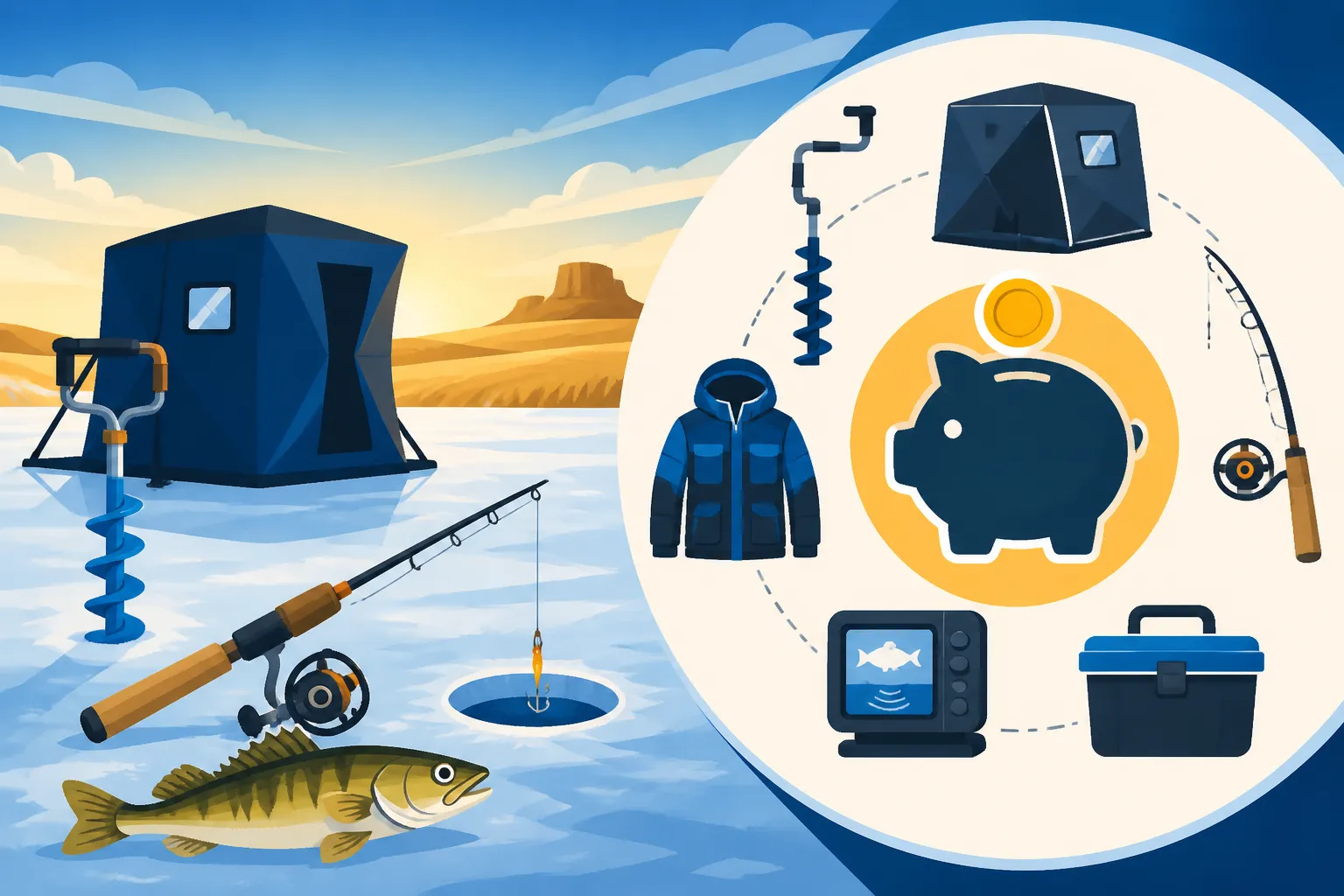
So, you're thinking about diving into the world of ice fishing here in North Dakota, huh? That's fantastic! There's nothing quite like the crisp air, the quiet solitude (or lively camaraderie, depending on your crew), and the thrill of pulling a walleye through a hole in the ice. But, if you're like many folks, your first thought probably quickly shifts from the excitement of a bite to a very practical question: "How much is this going to cost me?" It's easy to feel a bit overwhelmed by all the gear you see seasoned anglers using. This guide is going to break down the expenses involved, from the absolute essentials to the nice-to-haves, so you can plan your budget and hit the ice with confidence, not sticker shock.
The Initial Investment: Essential Gear to Get Started
When you're starting out, it's easy to feel like you need every gadget under the sun. Trust me, you don't. The key is to distinguish between what you absolutely need to stay safe and catch fish, and what can wait until you're hooked on the sport (pun intended!). We'll focus on the non-negotiables first.
The Bare Minimum: Rods, Reels, and Line
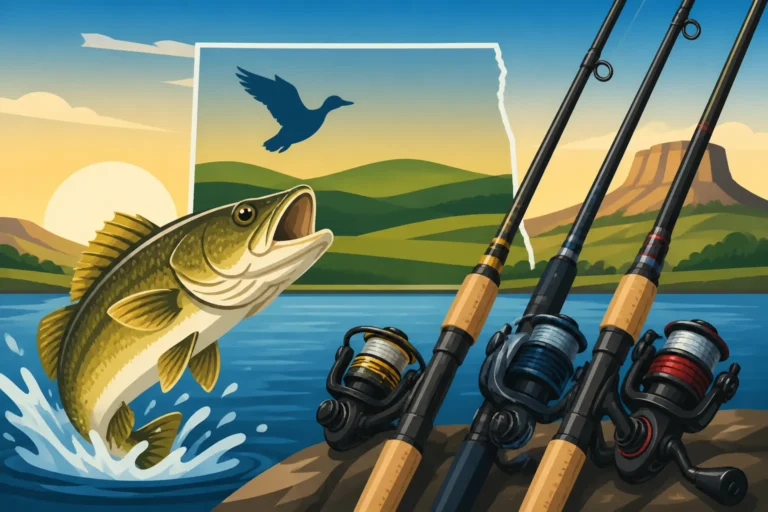
You simply can't fish without something to fish with! For ice fishing, you're not using your typical open-water setup. Ice fishing rods are much shorter, usually between 24 and 36 inches, allowing you to fish comfortably inside a shelter or huddled over a hole.
You'll want to aim for a rod that has decent sensitivity in the tip so you can feel those subtle bites, especially from finicky perch or walleye. For reels, a small spinning reel, often in a 500 to 1000 size, is perfect. These are typically very affordable. As for line, many ice anglers opt for a monofilament or fluorocarbon line in the 4 to 8-pound test range. It's less prone to freezing than braided line, though some folks do use braid with a fluorocarbon leader for extra sensitivity.
When you're first looking, you'll find plenty of "ice fishing combos" that include a rod and reel together. These are often excellent starting points and can be quite budget-friendly. You might find a perfectly serviceable combo from brands that cater to general outdoors enthusiasts at places like Bass Pro Shops or even a quick search on Amazon. The price range here varies quite a bit, but you can certainly get a functional setup without breaking the bank. It's an area where you can spend very little to test the waters, or invest a bit more for something that will last you many seasons. Think about getting two combos – one lighter action for perch and panfish, and one medium action for walleye and pike.
Keeping Warm: Apparel and Safety Gear
North Dakota winters are no joke, and staying warm isn't just about comfort; it's about safety. Don't skimp here. Frostbite and hypothermia are real dangers.
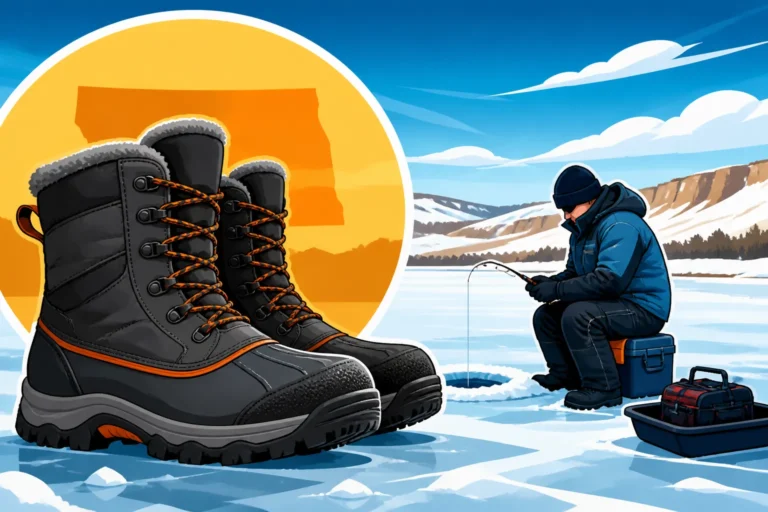
Your core clothing should be layered. Start with a moisture-wicking base layer, add a fleece or wool mid-layer, and finish with a waterproof and windproof outer shell. Insulated bibs and a parka designed for extreme cold are highly recommended. You'll want to keep your head, hands, and feet warm too. A good insulated hat, waterproof gloves or mittens, and quality insulated boots are essential. Forget those flimsy fashion boots; you need serious protection. Consider boots rated for temperatures well below zero.
Beyond just staying warm, safety gear is paramount. The single most important safety item, in my opinion, are ice picks. These are small, sharp spikes connected by a cord that you wear around your neck. If you happen to break through the ice, they give you something to grip and pull yourself out. They are inexpensive and can literally save your life. Another critical item is a spud bar or an ice chisel. Before stepping out onto new ice, you use this to test the thickness and strength. Don't rely solely on what you hear or see others doing. Your safety is your responsibility. Always remember to prioritize your well-being over catching fish. How Thick Ice Needs to Be for Ice Fishing is a great resource to understand safe ice conditions.
Making Holes: Augers and Their Varieties
You can't get your line in the water without a hole, right? This is where an auger comes in, and this is often one of the bigger initial expenses, but again, there are options.
- Hand Augers: These are the most basic and affordable. You use your own muscle to drill the holes. They are perfect for targeting smaller fish like perch, or for fishing very early or late in the season when the ice isn't super thick. They are lightweight, require no fuel, and are silent, which can be an advantage. The downside? Your arms will get a workout, especially in thicker ice.
- Propane or Gas Augers: These are workhorses, cutting through thick ice with ease. They're faster and less physically demanding, making them popular for serious anglers who drill many holes or fish in very cold conditions. The cost is higher than a hand auger, and they require fuel, maintenance, and produce exhaust.
- Electric Augers: Gaining popularity rapidly, electric augers offer the power of gas/propane without the noise, fumes, or maintenance of a combustion engine. They run on rechargeable batteries and are usually quieter and lighter than gas models. Their main drawback is often their higher upfront cost and the need to manage battery life, especially in extreme cold. Many anglers are now pairing electric auger heads with drills they already own, which can sometimes be a more economical entry point for power drilling.
For a beginner, a hand auger is a perfectly respectable and economical way to start. If you find yourself going out frequently and struggling with the hand auger, you can always upgrade later. Brands like Eskimo and ION are popular choices for power augers, while many reliable hand augers are available on Amazon or at your local Bass Pro Shops. Don't forget to check out Best Auger Size for North Dakota Ice Fishing for more details on choosing the right size.
Enhancing the Experience: Comfort and Convenience Gear (Optional but Recommended)
Once you've got the essentials, there's a whole world of gear that makes ice fishing more comfortable, efficient, and enjoyable. These aren't critical for your very first outing, but they're definitely things to consider as you get more into the sport.
Shelter From the Storm: Portable Ice Houses
Sitting out on the open ice can be brutally cold, even with the best apparel. An ice shelter makes a world of difference, especially on those windy North Dakota days.
- Hub Shelters: These are like pop-up tents for the ice. They set up quickly by extending poles that form a "hub" shape. They offer a lot of interior space for their footprint, making them great for groups or if you like to spread out your gear. They're typically lighter and more compact when packed down.
- Flip-Over Shelters: These are often mounted on a sled, and the top simply "flips over" to create a sturdy, wind-resistant shelter. They're quick to set up and take down, and the sled serves as convenient transport and storage for your gear. They are generally heavier and less spacious than hub shelters for the same number of occupants but offer excellent protection from the elements.
Insulated versions of both types are highly recommended for North Dakota's harsh winters, as they retain heat much better, allowing you to run a small heater inside comfortably. Clam and Eskimo are two well-known brands that make excellent portable shelters. If you're planning on fishing a lot, especially with family or friends, a good shelter quickly becomes a favorite piece of gear. You can learn more about specific types in Best Portable Ice Shelters for Wind.
Seeing Below the Ice: Electronics and Fish Finders
This category can range from simple to highly advanced, and it's where technology truly helps you find and catch more fish. While not strictly necessary to start, a basic fish finder can dramatically improve your success rate.
- Flashers: These are traditional ice fishing electronics that provide a real-time, circular display of what's directly beneath your hole. They're excellent for seeing your jig, how fish are reacting to it, and their depth. They provide instant feedback, which is incredibly valuable for active ice fishing.
- Portable Fish Finders/Sonar: Many open-water fish finders come in portable packs that can be used for ice fishing. These often provide a more traditional graphing display, showing history and sometimes even GPS mapping features. Some also offer flasher modes.
- Underwater Cameras: While not a "fish finder" in the sonar sense, an underwater camera allows you to visually see what's happening beneath the ice. This can be fascinating, helping you identify species, observe their behavior, and even see if your bait presentation is appealing.
For a beginner, a basic flasher or a simple portable sonar unit can be a game-changer. It helps you understand what's down there and builds confidence. You can certainly catch fish without one, but once you use one, it's hard to go back. How to Read a Fish Finder for Ice Fishing provides a great starting point if you decide to invest in one.
Hauling Your Gear: Sleds and Transport
As you accumulate more gear – an auger, a bucket, a cooler, a shelter – you'll quickly realize that carrying everything by hand across snowy, icy terrain is a pain. A durable sled becomes almost essential.
- Basic Pull Sleds: These are tough plastic tubs that you can load up and pull by hand or with a rope. They are affordable and incredibly useful for transporting all your essentials, protecting them from snow and slush.
- Larger Sleds/Cargo Sleds: If you have a larger shelter, a power auger, and more gear, you might opt for a larger sled designed to be pulled behind an ATV, snowmobile, or even a small utility vehicle. These are more robust and can handle heavier loads over longer distances.
A simple, strong plastic sled is an excellent investment for any ice angler. It keeps your gear organized and makes getting to your spot much easier. Brands like Otter and Shappell make popular sleds for ice fishing.
Recurring Costs and Hidden Expenses
Beyond the initial gear purchase, there are ongoing costs that you need to factor into your ice fishing budget. These might seem small individually, but they certainly add up over a season.
Licenses and Fees
First and foremost, to legally fish in North Dakota, you need a fishing license. This isn't a one-time purchase; it's an annual requirement. The good news is that they are generally quite affordable.
In North Dakota, you'll need a fishing license, and often a "Fishing, Hunting, Furbearer Certificate" (which sometimes bundles with your main license or is an additional small fee). The cost varies depending on whether you're a resident or a nonresident, and your age. Always check the current regulations and fees on the North Dakota Game and Fish Department website. While I can't give you exact numbers, understand that this is a non-negotiable annual expense. It's a small price to pay for the conservation efforts that keep North Dakota's fisheries healthy. North Dakota Fishing License Guide and North Dakota Fishing License Cost Guide are excellent resources to find the most up-to-date information on licenses and fees. Don't forget, there are sometimes discounts for seniors, disabled anglers, or military personnel.
Bait, Lures, and Tackle
This is where many anglers find themselves constantly spending a little bit here and a little bit there.
- Live Bait: Minnows, waxworms, and spikes are incredibly effective for ice fishing. You'll buy these by the dozen or by the scoop. They're usually quite inexpensive per purchase, but if you go out frequently, these costs add up. And sometimes, you just can't resist buying more, especially if the bite is on!
- Lures: Jigs, spoons, and small crankbaits designed for ice fishing are essential. You'll want a variety of colors and sizes to match different conditions and target different species. Lost lures are a fact of fishing life, so you'll constantly be replenishing your tackle box. This is another area where you can start with a basic assortment and expand as you learn what works best for you and your target species. Walmart, Bass Pro Shops, and Amazon all offer a wide range of ice fishing lures.
- Terminal Tackle: Think hooks, sinkers, swivels, and leader material. These are small items that are cheap individually but are consumed regularly.
It's easy to get carried away in the tackle aisle, but starting with a few proven jigs (like a VMC Tungsten Series or a Clam Drop-Kick jig for panfish, or a Northland Buck-Shot Rattle Spoon for walleye) and a couple of bags of minnows is a great start.
Fuel, Food, and Travel
These are the "hidden" costs that often get overlooked but can significantly impact your overall budget.
- Fuel for Travel: North Dakota lakes can be spread out, and driving to your favorite ice fishing spot can consume a fair amount of gas, especially if you're pulling a larger sled or an ice house.
- Fuel for Equipment: If you opt for a gas or propane auger, you'll need to factor in the cost of fuel for that. If you're using an electric auger or other battery-powered electronics, consider the electricity cost for charging.
- Food and Drink: A day on the ice means bringing snacks, drinks, and maybe even a hot meal to cook on a portable stove in your shelter. These small expenses add up quickly.
- Miscellaneous: Don't forget things like hand warmers, extra batteries, a thermos for coffee, or even a basic first-aid kit.
These are the costs of doing business, so to speak, but by being mindful of them, you can budget accordingly.
Budgeting for Your First Ice Fishing Season
So, what's the bottom line? It's tough to give an exact number because there's so much variability, but we can look at a few common scenarios.
Entry-Level vs. Mid-Range Setup
Let's imagine two scenarios for a beginner:
| Category | Entry-Level Setup (Bare Bones) | Mid-Range Setup (Comfort & Efficiency) |
|---|---|---|
| Fishing Combos (2) | Two basic rod/reel combos (e.g., ~$20-30 each) | Two mid-range combos (e.g., ~$50-80 each) |
| Warm Apparel | Layers from home, basic insulated boots, hat, gloves (some existing) | Dedicated ice fishing parka & bibs, quality insulated boots, hat, gloves |
| Safety Gear | Ice picks, spud bar (essential, inexpensive) | Ice picks, spud bar, float suit (added safety) |
| Auger | Hand auger (manual effort, but gets the job done) | Electric or Propane auger (power, less effort) |
| Shelter | Fishing out in the open, or sharing a friend's | Small portable hub or flip-over shelter (insulated) |
| Electronics | None (relying on luck and observation) | Basic flasher or portable sonar (to find fish) |
| Sled | Basic plastic utility sled | Durable ice fishing sled |
| Licenses/Certificate | Required (check current NDGFD rates) | Required (check current NDGFD rates) |
| Bait/Lures (Starter Pack) | A few basic jigs, some minnows | Wider assortment of jigs, spoons, live bait & plastics |
| Estimate | Low-end: Potentially a few hundred dollars to get truly started with new gear. | Mid-range: Several hundred to over a thousand dollars, depending on brands and sales. |
As you can see, the spread is significant. You can definitely get on the ice for a relatively small initial outlay if you're willing to bundle up and manually drill holes. However, for a more comfortable and potentially more successful experience, investing a bit more into a shelter and an auger will pay dividends in enjoyment.
Buying Smart: Used Gear and Sales
One of the best ways to save money when starting out, especially with bigger ticket items like augers and shelters, is to buy used. Check online marketplaces, local classifieds, or even ask around at local bait shops or fishing clubs. Many anglers upgrade their gear regularly, and you can find perfectly functional, well-maintained items for a fraction of the new price. Just be sure to inspect items thoroughly before purchasing.
Another smart strategy is to look for end-of-season sales. Once spring rolls around, many retailers like Bass Pro Shops will clear out their ice fishing inventory to make way for open-water gear. This can be a prime time to snag some great deals on new equipment for the next winter season. Don't be afraid to compare prices between brick-and-mortar stores and online retailers like Amazon.
Prioritizing Your Purchases
If your budget is tight, here's how I'd prioritize your purchases:
- Safety Gear: Ice picks, a spud bar, and proper warm clothing (especially insulated boots). These are non-negotiable.
- Fishing License: It's the law, and it supports the sport.
- Basic Rod/Reel Combo and a Hand Auger: You need to be able to fish and make a hole.
- A Few Essential Lures and Live Bait: Get enough to give yourself a chance.
- A Basic Sled: To haul your minimal gear comfortably.
Once you've got these, and you've decided ice fishing is for you, then you can start saving for upgrades like a portable shelter, a power auger, or a fish finder. Best Ice Fishing Gear for North Dakota can offer some additional ideas as you look to expand your collection.
Ultimately, the cost to start ice fishing in North Dakota is what you make it. You can ease into the sport with a minimalist setup, or you can jump in with both feet and invest in more advanced gear right away. The most important thing is to get out there safely and enjoy the unique experience that North Dakota's frozen waters offer!
Disclaimer
This article is for general informational purposes only and does not constitute professional advice. Laws, prices and regulations vary by location and change over time. Consult a qualified professional for guidance on your specific situation.