Is Bowfishing Legal in North Dakota?
It's incredibly frustrating when you're keen to try a new fishing method, like bowfishing, but the rules feel like a tangled mess. You want to make sure you're enjoying the outdoors legally and responsibly, but finding clear, concise information about niche activities can be a real challenge. This guide will cut through the confusion and give you a comprehensive understanding of whether bowfishing is legal in North Dakota, what permits you need, which fish you can target, and where you can enjoy this exciting sport.
Understanding North Dakota's Bowfishing Regulations
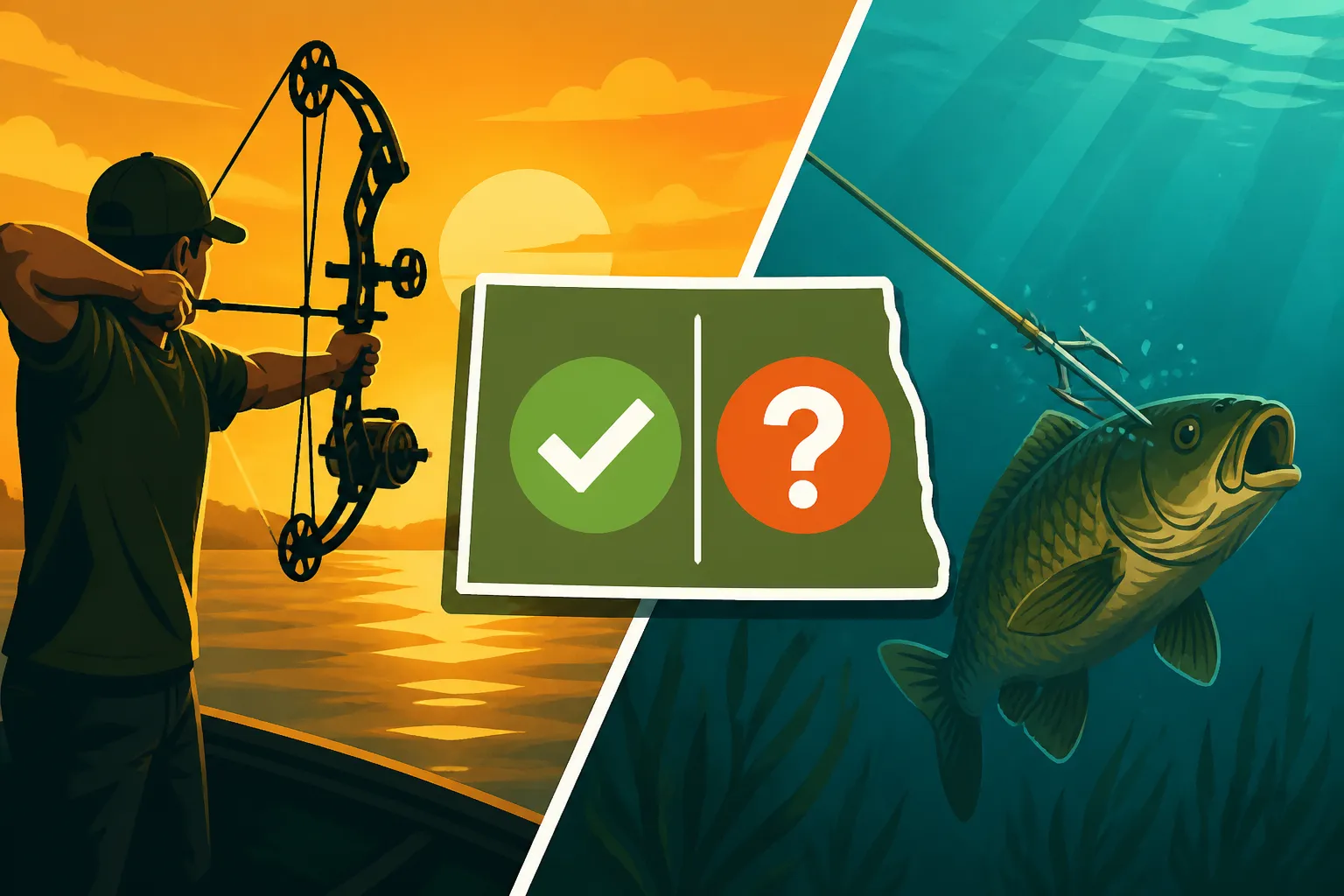
Let's dive right into the heart of the matter. Bowfishing is indeed a legal and exciting way to harvest certain fish species in North Dakota, but it's not a free-for-all. There are specific rules and guidelines set forth by the North Dakota Game and Fish Department (NDGFD) that anglers must adhere to. Ignoring these rules can lead to fines and a spoiled day out, so understanding them upfront is key.
General Legality and Licensing Requirements
First and foremost, if you plan to go bowfishing in North Dakota, you absolutely need a valid North Dakota fishing license. This isn't just for rod-and-reel anglers; it applies to anyone attempting to take fish, regardless of the method. Many people assume bowfishing is so distinct it might have its own separate license, but in North Dakota, your standard fishing license covers it. You can learn all about the general requirements in our comprehensive guide on the North Dakota Fishing License Guide.
Think of it this way: your fishing license is your golden ticket to participate in any fishing activity. Without it, you're not just breaking a minor rule; you're fishing illegally. This general license typically lasts from January 1st to December 31st of each year, so make sure you check the expiration date. Whether you're a resident or a nonresident, the requirement remains the same. The cost varies, of course, and you can find detailed information on the North Dakota Fishing License Cost Guide to plan your budget. It's really quite simple to pick one up, and understanding How to Get a North Dakota Fishing License can save you a lot of hassle.
One crucial detail for many anglers is the Fishing, Hunting, and Furbearer Certificate. If you're 16 years or older, this certificate is required in addition to your fishing license. It's a small but significant fee that many forget about. It's meant to fund various conservation programs across the state, so while it might feel like an extra step, it's contributing to the very resources you're enjoying. Always make sure you have both your license and this certificate in your possession when you're out on the water, because game wardens do check. The penalties for fishing without a license can be quite steep, and nobody wants that kind of day, so knowing about Penalties for Fishing Without a License in North Dakota is a smart move.
Permitted Species for Bowfishing
Here's where bowfishing really carves out its niche: it's primarily a method for harvesting "rough fish" or "non-game fish." In North Dakota, you cannot bowfish for game fish like walleye, northern pike, perch, or bass. These species are managed for rod-and-reel harvest and have specific size and creel limits to ensure their populations thrive. The thought of shooting a trophy walleye with a bow might be tempting, but it's strictly against the rules and carries serious repercussions. Always refer to the North Dakota Fishing Regulations Explained for the most current information.
The main targets for bowfishing in North Dakota are species like common carp, buffalo, suckers, and freshwater drum. These fish are often considered less desirable by traditional anglers, can become overpopulated, and sometimes compete with game fish for resources. Bowfishing provides an effective and exciting way to help manage these populations. For example, the Red River is famous for its massive North Dakota Channel Catfish Fishing Guide opportunities, and while channel catfish can be legally bowfished, it's often more popular to target them with traditional methods due to their fighting qualities on a line. However, species like carp are abundant and offer a fantastic challenge for bowfishers.
When you're out on the water, positive identification of your target is critical. If you're not 100% sure what fish you're aiming at, don't shoot. It's better to let a potential target pass than to accidentally harvest a protected game fish. This is particularly important in lakes where rough fish and game fish might inhabit similar areas. Understanding the difference between species, like the visual distinction between a walleye and a sauger, is paramount. You certainly don't want to accidentally violate North Dakota Walleye Size Limit Rules by bowfishing for one.
Prohibited Waters and Seasons
While bowfishing is generally legal for the permitted species, there are specific waters and sometimes seasonal restrictions you need to be aware of. The North Dakota Game and Fish Department periodically updates its regulations, so always consult the most current proclamation before heading out.
Some waters might be designated as "no bowfishing" zones, often due to high concentrations of game fish, specific conservation efforts, or safety concerns for other water users. For instance, smaller, managed trout lakes or urban fishing ponds are typically off-limits for bowfishing due to their specific management goals and the proximity of other recreational users. It's not always about the species present; sometimes it's about the overall use and safety of a particular body of water.
In terms of seasons, bowfishing for rough fish is generally permitted year-round in most open waters where it's not explicitly prohibited. However, there might be temporary closures or restrictions for certain species during their spawning seasons to protect populations or in specific areas where other angling activities are prioritized. It's less common to have strict "bowfishing seasons" as you would for deer hunting, but localized restrictions can occur. For a full picture of the fishing calendar, consult the North Dakota Fishing Season Dates and Limits guide. Always double-check the current North Dakota Fishing Proclamation, which is the official rulebook, before your trip. It's often available on the NDGFD website or at license vendors.
Equipment Restrictions and Safety
Bowfishing requires specialized equipment, and while there aren't many restrictions on the type of bow, there are some important considerations for arrows and safety. You can use a recurve, compound, or even a crossbow for bowfishing. The key is that the arrow must be tethered to a fishing line, which is then attached to a reel on your bow. This line is crucial for retrieving your arrow and, hopefully, your fish.
- Arrows: Bowfishing arrows are distinct. They are heavier, have no fletching (feathers/vanes), and feature a specialized tip designed to penetrate and hold fish. These tips often have barbs that spring out upon impact to prevent the fish from slipping off. The arrow must also have an eyelet or hole at the back to tie off your line securely. Never use broadhead hunting arrows for bowfishing; they are designed for different purposes and can be dangerous or illegal in a water environment.
- Reels: You'll typically use either a simple hand-wrap reel, a spincast reel, or a specialized bottle reel attached to your bow. The bottle reel, in particular, is very popular for its quick line deployment and retrieval.
- Safety: Safety is paramount. Always ensure your arrow is securely tethered to your line and reel before you draw your bow. An untethered arrow can become a projectile hazard, not to mention a lost arrow in the water. Always be aware of your surroundings, ensuring no people, boats, or property are in your line of fire. Never shoot blindly into the water or at anything you haven't positively identified. Treat a bowfishing setup with the same respect you would any firearm. When bowfishing from a boat, always be mindful of other boaters and follow all North Dakota Boat Registration Requirements and safety guidelines.
The "When and Where" of North Dakota Bowfishing
Now that we've covered the legalities, let's talk about the practical aspects of bowfishing in North Dakota – when and where you're most likely to find success and enjoyment. Bowfishing is an active sport, often requiring stealth and precision, so timing and location are critical.
Best Times of Year for Bowfishing
The prime bowfishing season in North Dakota generally kicks off in late spring, around May, and extends through the summer months, often into early fall. This timing aligns with several key factors:
- Water Temperature: As water temperatures rise, many rough fish species become more active and move into shallower waters, making them more accessible to bowfishers. They'll often be found cruising mud flats, submerged weed beds, or along shorelines.
- Spawning Season: For many common bowfishing targets like carp, their spawning season in late spring and early summer often brings them into very shallow, often murky water. This makes them highly visible and vulnerable to bowfishing. While game fish spawning areas are usually protected, rough fish spawning aggregations can offer fantastic opportunities for bowfishing, especially for population control.
- Visibility: Warmer weather usually means less turbulent water, leading to better visibility. Clearer water is a bowfisher's best friend, allowing you to spot your targets more easily. However, some bowfishers prefer slightly stained water, as it can make fish less wary.
As fall progresses and water temperatures drop, rough fish tend to move back into deeper waters, making bowfishing more challenging. It's generally not a winter sport in North Dakota, as the ice cover makes it impossible.
Public Access and Popular Bowfishing Locations
North Dakota offers a variety of water bodies that can be excellent for bowfishing. When choosing a location, look for areas with shallow, often murky water, plenty of vegetation, and good access.
- Missouri River System: The mighty Missouri River and its associated reservoirs like Lake Sakakawea and Lake Oahe hold immense populations of carp, buffalo, and drum. While the main channels can be very deep, the shallow bays, backwaters, and tributary mouths often teem with rough fish. Access points along the river near cities like Bismarck or Mandan, or various boat ramps on the reservoirs, can be great starting points. Always remember that larger bodies of water, like Lake Sakakawea, can be formidable, so ensure your boat is suitable if you're venturing out. You can find more information about Best Places to Fish in North Dakota in our broader guide.
- Red River of the North: Famous for its colossal catfish, the Red River also has an abundance of carp and other rough fish. Its slow, often murky waters are ideal for bowfishing, particularly from a boat or at accessible bends and oxbows. The river flows along the eastern border with Minnesota, and you'll find various public access points near towns like Fargo and Grand Forks.
- Smaller Lakes and Ponds: Many smaller lakes, impoundments, and even larger drainage ditches across the state can hold significant populations of rough fish. These are often excellent spots for shore-based bowfishing, offering easier access than vast reservoirs. Look for areas known to have high carp populations, as these are often the go-to species for bowfishing. However, always confirm local rules, as some smaller lakes might have specific use restrictions.
When you're launching a boat, remember to always follow the Aquatic Nuisance Species Rules for Boaters. This involves cleaning, draining, and drying your boat and gear to prevent the spread of invasive species like zebra mussels, which can devastate North Dakota's precious ecosystems.
Navigating Tribal and Private Land Rules
This is a critical point that many anglers, especially those new to an area, often overlook. Fishing regulations on tribal lands in North Dakota are often different from state regulations. North Dakota is home to several Native American reservations, and their tribal waters may require a separate tribal fishing permit in addition to, or sometimes instead of, a state fishing license.
For example, Devils Lake, a premier fishing destination, has parts that lie within the Spirit Lake Nation's traditional territory. While a state license generally covers most of Devils Lake, it's always best to check with the Spirit Lake Nation's Game and Fish Department directly if you plan to fish in areas that might be on tribal lands. The same applies to areas around Lake Sakakawea that fall within the Fort Berthold Indian Reservation. Always assume that if you're on or near tribal lands, there might be additional permitting requirements. Disregarding tribal laws can lead to serious consequences.
Similarly, bowfishing on private land requires explicit permission from the landowner. Just because you have a state license doesn't give you the right to trespass. Always seek permission before accessing private property, whether it's for bank fishing or launching a boat. Respecting landowners' rights is crucial for maintaining positive relationships and ensuring future access for all anglers.
Ethical Considerations and Conservation
While bowfishing is a legal and sometimes encouraged method for managing certain fish populations, it's imperative to practice it ethically and with conservation in mind. As with any outdoor activity, our actions have an impact, and being a responsible angler is about more than just following the law.
Responsible Harvesting and Disposal
One of the most common questions about bowfishing centers on what to do with the harvested fish. Unlike game fish, which are often prized for their table fare, many rough fish like common carp aren't as widely consumed, though they certainly can be prepared for eating.
- Harvesting What You Will Use: The golden rule of any fishing or hunting activity is to only take what you intend to use. If you plan to eat the fish, great! Learn how to clean and prepare them properly. Many traditional anglers shy away from carp because of perceived "muddy" taste or boniness, but properly cleaned and prepared carp can be quite delicious, especially when smoked or fried.
- Proper Disposal: If you're bowfishing strictly for population control and don't plan to eat your catch, responsible disposal is crucial. Never simply leave fish on the bank to rot. This is not only unsightly and creates a nuisance for other users but can also attract scavengers, spread disease, and is illegal in many areas. The best practice is to bury the fish well away from the water, take them home for disposal in a composting or waste system, or utilize designated disposal sites if available. Some bowfishers even use their carp catches as fertilizer for gardens. The key is to remove the fish from the immediate environment.
- Minimizing Waste: Consider the size of the fish you're shooting. While it might be thrilling to land a massive carp, if you have no intention of utilizing it, smaller fish might be a more responsible target. Every fish you harvest contributes to the overall ecosystem, so mindful harvesting is always best.
Minimizing Impact on Other Anglers and Wildlife
Bowfishing, by its very nature, can be a bit more visually and audibly impactful than quiet rod-and-reel fishing. Being considerate of others sharing the resource is paramount.
- Respect Other Anglers: If you arrive at a fishing spot and see traditional anglers already there, try to give them a wide berth. The splashing and activity associated with bowfishing can disturb game fish and negatively impact their experience. Choose locations or times of day when there's less conflict. For example, some bowfishers prefer to go out at night with lights, which offers a unique experience and often less interaction with other daytime users.
- Wildlife Disturbances: Be aware of local wildlife, especially nesting birds or other sensitive species. Avoid bowfishing in areas that might disturb them, particularly during breeding seasons. The goal is to enjoy the outdoors without negatively impacting its inhabitants or other users.
- Property Damage: When bowfishing from shore, be extremely careful of private property, docks, or boats. An errant arrow can cause significant damage. Always maintain a clear background and know your target and beyond.
- Water Quality: Be mindful of boat wakes if you're operating a boat. Excessive speed in no-wake zones or near shorelines can erode banks, damage vegetation, and disturb wildlife habitats.
By embracing these ethical considerations, bowfishers can ensure their sport remains positive and contributes to the overall enjoyment and health of North Dakota's aquatic environments.
Getting Started with Bowfishing Gear
If you're convinced that bowfishing is the adventure for you, you'll need the right gear to get started. While it seems like a specialized niche, the basic setup isn't overly complicated, and many items can be found readily.
Essential Bowfishing Equipment Checklist
To hit the water effectively, here’s a basic list of what you'll need:
- Bow: As mentioned, a recurve, compound, or crossbow will work. Many choose a dedicated bowfishing bow which often has a lower draw weight (making it easier for repetitive shooting) and is more resistant to water damage. Brands like Muzzy and Cajun Archery are popular in this space.
- Bowfishing Reel: You'll need a reel that attaches to your bow. Options include:
- Hand-wrap Reel: Simple, cheap, but slow to retrieve.
- Spincast Reel: A standard fishing reel adapted for bowfishing. Can be faster, but sometimes struggles with heavy line.
- Bottle Reel (or Drum Reel): Arguably the most popular, this reel sits on top of your bow and allows the line to peel straight off without friction. Very fast and efficient.
- Bowfishing Arrows: These are specialized, heavy, and fletchless, with barbed tips and a line attachment point. Always have a few spares!
- Bowfishing Line: Heavy-test braided line (80-200 lb test) is common to handle powerful fish and abrasive underwater structures.
- Arrow Rest: A specialized arrow rest that fully encapsulates the arrow to prevent it from falling off, even when holding the bow at odd angles.
- Safety Slide System: This is CRUCIAL. A safety slide keeps your line in front of the bow and prevents it from snapping back into your bowstring or arm after the shot. Never shoot a bowfishing arrow without one.
- Polarized Sunglasses: These are invaluable for spotting fish under the water's surface by reducing glare.
- Waders or Old Clothes: You're often going to be in shallow, muddy water, so dress accordingly.
- Net or Gaff: For landing larger fish once they're close.
- Boat or Kayak (Optional): While you can bowfish from shore, a small boat or kayak can open up many more opportunities. Consider a kayak for stealthy approaches in shallow areas, perhaps checking out options from a guide on Best Kayaks for North Dakota Fishing.
Where to Find Your Gear
Finding quality bowfishing gear is easier than ever, thanks to a wide range of outdoor retailers and online options.
Many local sporting goods stores in North Dakota, especially those in larger cities like Bismarck or Fargo, will carry a selection of bowfishing equipment, particularly during the peak season. Places like Scheels or smaller independent tackle shops are great places to start, as you can often get advice from knowledgeable staff.
For a broader selection and competitive pricing, online retailers are an excellent resource. You can often find comprehensive bowfishing kits, individual components, and a wide array of specialized arrows and accessories on platforms like Amazon. Browsing on Amazon allows you to compare different brands such as Muzzy, Cajun, or AMS Bowfishing, and read reviews from other bowfishers, which can be incredibly helpful when you're just starting out. Don't forget to look for deals on Amazon, especially if you're trying to put together a full setup without breaking the bank. Just make sure whatever you order meets North Dakota's regulations, particularly regarding arrow types. Many experienced bowfishers will tell you that a well-chosen setup from Amazon can perform just as well as something from a specialty store, as long as you've done your homework.
| Bowfishing Practice | Legality in North Dakota | Key Details |
|---|---|---|
| Harvesting Common Carp | Legal | Primary target. No daily limit. |
| Harvesting Walleye | Illegal | Walleye are game fish; cannot be taken by bow. Strict penalties apply. |
| Having a Fishing License | Required | Absolutely essential for any method of fishing. |
| Bowfishing from a Boat | Legal | Ensure boat is registered and follow all safety and Aquatic Nuisance Species (ANS) rules. |
| Bowfishing on Private Land | Requires Permission | Must have explicit permission from the landowner. |
| Leaving Fish on Shore | Illegal / Unethical | Proper disposal (burial, waste) is required. Do not litter or create nuisance. |
| Using Broadhead Arrows | Illegal | Must use specialized bowfishing arrows with barbed tips; broadheads are for hunting game animals on land. |
| Bowfishing at Night | Legal (generally) | Often productive; ensure local rules don't prohibit. Lights may be used to illuminate targets. |
| Fishing on Tribal Waters | Check Local Rules | May require separate tribal permits. Always confirm with the respective tribal game and fish department. |
Disclaimer
Please note that fishing regulations can change. While every effort has been made to provide accurate and up-to-date information in this guide, it is always your responsibility to consult the most current North Dakota Fishing Proclamation issued by the North Dakota Game and Fish Department (NDGFD) before engaging in any fishing activities, including bowfishing. This guide is for informational purposes only and should not be considered a substitute for official legal documents.