Missouri River Fishing Guide
The Missouri River in North Dakota is a truly magnificent beast, offering some of the most diverse and exciting fishing opportunities in the state. However, its sheer size, powerful currents, and complex structure can feel incredibly daunting to new anglers, or even seasoned veterans visiting for the first time. It's easy to feel lost trying to figure out where to drop a line or what bait to use. This comprehensive guide is designed to cut through that confusion, helping you unlock the secrets of this legendary waterway and consistently catch fish, no matter your experience level.
Understanding the Mighty Missouri River in North Dakota
When we talk about the Missouri River in North Dakota, we're not just talking about a single, uniform stretch of water. It's a dynamic system that transforms as it flows through the state, from a powerful, cold-water river below Garrison Dam, through the sprawling expanse of Lake Sakakawea and Lake Oahe, and then back into a more conventional river setting further south. Each section presents its own unique set of challenges and rewards, making it a truly fascinating waterway to explore.
Unique Characteristics and Flow Dynamics
The Missouri River's character is heavily influenced by the Garrison Dam, which creates Lake Sakakawea, one of the largest man-made lakes in the world. Downstream from the dam, the river is known for its cold, consistent water temperatures, strong currents, and a nutrient-rich environment thanks to the outflow. This tailrace area is a magnet for various species, especially during colder months. The flow dynamics are often controlled by releases from the dam, which can significantly impact water levels and current speeds, meaning anglers need to stay informed about daily conditions. This constant flow sculpts the river bottom, creating deep scour holes, current seams, and submerged structures that act as prime fish habitat.
Further downstream, particularly around cities like Bismarck and Mandan, the river widens, and while currents are still present, they might be less intense than immediately below the dam. This section features a mix of deep channels, sandbars, rock piles, and riparian vegetation. The clarity of the water can also vary depending on recent rainfall and tributary inflows, sometimes presenting a formidable challenge to anglers accustomed to clearer lakes. Understanding these micro-environments and how fish relate to them is key to consistent success.
Key Sections of the River for Anglers
For practical purposes, anglers often divide the North Dakota portion of the Missouri River into a few distinct zones. The uppermost section, often referred to as the "tailrace," extends for several miles downstream from the Garrison Dam, all the way to the headwaters of Lake Oahe. This area is characterized by extremely strong currents and deep water, especially in the main channel. It's a challenging but incredibly rewarding section for those targeting walleye, sauger, and even some resident lake trout that occasionally find their way down.
The middle section, primarily flowing through and around Bismarck and Mandan, represents a more urbanized yet still wild stretch of the river. Here, anglers will find a mix of public access points, boat ramps, and plenty of shoreline fishing opportunities. This stretch is renowned for its diverse fishery, including excellent walleye, sauger, northern pike, and a growing population of smallmouth bass. The river bottom here is a patchwork of gravel, sand, and rock, creating a complex array of current breaks and feeding lanes.
Finally, the river transitions into Lake Oahe, a massive reservoir that stretches into South Dakota. While technically a reservoir, the upper reaches of Lake Oahe in North Dakota retain many riverine characteristics, with a discernible main channel and numerous tributary arms. This area offers incredible fishing for walleye, northern pike, and especially colossal channel catfish. The confluence of the Missouri River and its tributaries within Lake Oahe creates rich feeding grounds and diverse habitats that can hold fish year-round. Understanding these distinct zones is the first step in planning your North Dakota fishing adventure.
Prime Fishing Spots Along the North Dakota Missouri River
Knowing the general characteristics of the Missouri River is one thing, but knowing exactly where to drop a line is where the rubber meets the road. The Missouri River is vast, and certain areas consistently produce better results due to their unique hydrodynamics and fish-holding structures.
The Tailrace Below Garrison Dam
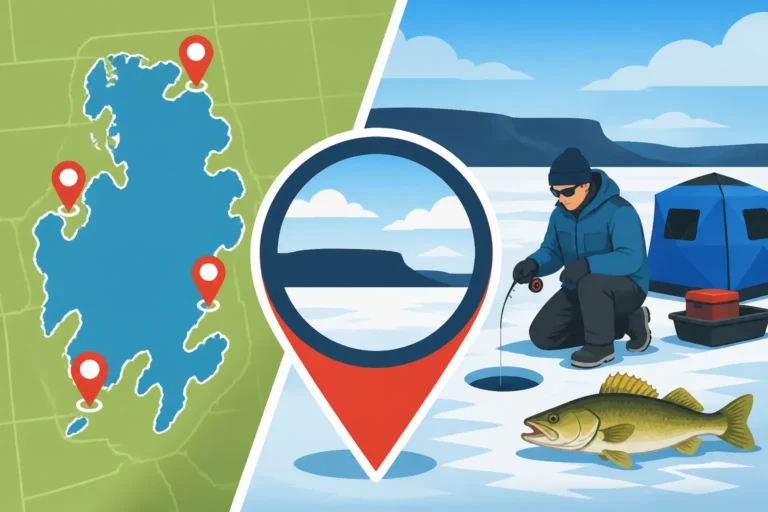
The area immediately downstream from the Garrison Dam is a true trophy factory, particularly for walleye and sauger. The churning water from the dam's release creates an oxygen-rich environment that concentrates baitfish, and in turn, hungry predators. This section is dynamic; the specific spots that hold fish can change daily depending on the dam's release schedule and water levels. Anglers often target deep scour holes, current seams where fast water meets slower eddies, and submerged rock piles.
One legendary spot is the "spillway" area itself, though access and fishing methods are highly regulated directly below the dam. Further downstream, points and bends in the river that create natural current breaks are excellent targets. During certain times of the year, particularly late fall and early spring, large numbers of fish stack up here. This area demands heavy jigs, stout tackle, and a keen understanding of how current affects your presentation. Many anglers prefer fishing from a boat here to effectively work the deep channels and varying currents, but there are some excellent shore fishing opportunities as well, if you know where to look. Checking out specific details in our guide on Missouri River Fishing Below Garrison Dam in North Dakota can be a game-changer for this challenging yet rewarding section.
The Bismarck/Mandan Stretch
The section of the Missouri River flowing through the Bismarck and Mandan metropolitan areas is arguably the most accessible and popular for anglers. It's not just convenient; it's incredibly productive. This stretch features numerous public boat ramps, fishing piers, and shoreline access points, making it easy for anyone to get out on the water or cast from shore. The river here offers a diverse fishery, from walleye and sauger to northern pike, smallmouth bass, and even impressive channel catfish.
Key spots include the many sandbars and associated drop-offs that line the main channel. Fish often hold on the edges of these sandbars, especially where they transition into deeper water or where current breaks occur. Bridge pilings and other man-made structures also create excellent current breaks and ambush points for predators. Areas around local parks like Sertoma Park in Bismarck offer fantastic shore fishing opportunities, and it's not uncommon to see families enjoying a relaxed day casting for panfish or catfish. For those looking for local expertise, platforms like FishingBooker can connect you with experienced guides who navigate these waters daily, offering insights into the best current hotspots. Learning more about this specific area in our article on Missouri River Fishing Through Bismarck, North Dakota is highly recommended.
Lake Oahe and its Tributaries
As the Missouri River flows south from Bismarck, it gradually transitions into the upper reaches of Lake Oahe, a massive reservoir spanning into South Dakota. While it's a reservoir, the North Dakota portion still maintains a strong riverine influence, particularly in the main channel and the mouths of its numerous tributaries. This area is celebrated for its incredible walleye fishing, but it's also a hotspot for giant channel catfish and trophy northern pike.
The key to fishing Lake Oahe's upper reaches lies in understanding the submerged river channel and the numerous bays and creek arms that feed into it. During different seasons, fish will migrate between the main lake and these tributaries, often following baitfish concentrations. Key spots include the confluence areas where smaller creeks meet the main body of water, long points that extend into the lake, and submerged humps or islands. The deeper waters of Oahe can be intimidating, but a good contour map and sonar are invaluable tools here. For serious catfishing, anchoring on sharp bends in the old river channel or near submerged timber can yield exceptional results. Our comprehensive Lake Oahe Fishing Guide provides even more detailed insights into this fantastic fishery.
Top Fish Species to Target in the Missouri River
The beauty of fishing the Missouri River in North Dakota is the sheer diversity of species you can encounter. From predatory game fish to hard-fighting bottom dwellers, there’s truly something for every angler, no matter your preferred style. Each species has its own habits, preferred habitats, and best baits, making every outing a unique learning experience.
Walleye and Sauger
Walleye and sauger are, without a doubt, the reigning kings of the Missouri River in North Dakota. These toothy predators are highly sought after for their delectable white meat and challenging fight. While they are often found together, there are subtle differences in their preferred habitats and behaviors. Walleye tend to favor slightly shallower, clearer water and relate more to structure like rock piles, current breaks, and weed edges, especially in the more lake-like sections or calmer river stretches. Sauger, on the other hand, are often found in deeper, darker, more turbid waters and thrive in stronger currents, making them a common catch directly below the Garrison Dam.
Both species are active feeders and respond well to a variety of techniques. Jigs tipped with minnows or plastics are incredibly effective, especially when fished along current seams or near structure. Trolling crankbaits is another popular and productive method, particularly in the wider, deeper sections of the river. The key is to match your presentation to the current and the depth where the fish are holding. Remember to always be aware of the North Dakota Walleye Size Limit Rules to ensure you're compliant with regulations. It’s not just about catching them; it’s about understanding their world.
Northern Pike and Smallmouth Bass
While walleye might get most of the attention, northern pike offer an adrenaline rush that few other fish can match. These aggressive ambush predators are found throughout the Missouri River system, particularly in areas with slower currents, weed beds, and submerged timber. They are notorious for their explosive strikes and powerful runs, making them a favorite target for anglers looking for a fight. Large spoons, spinnerbaits, and swimbaits are incredibly effective for pike, especially when cast near cover or trolled along breaklines. You'll often find them lurking in calmer eddies near the main current, waiting to dart out and ambush unsuspecting baitfish. Always be mindful of the North Dakota Northern Pike Daily Limit to help maintain a healthy population.
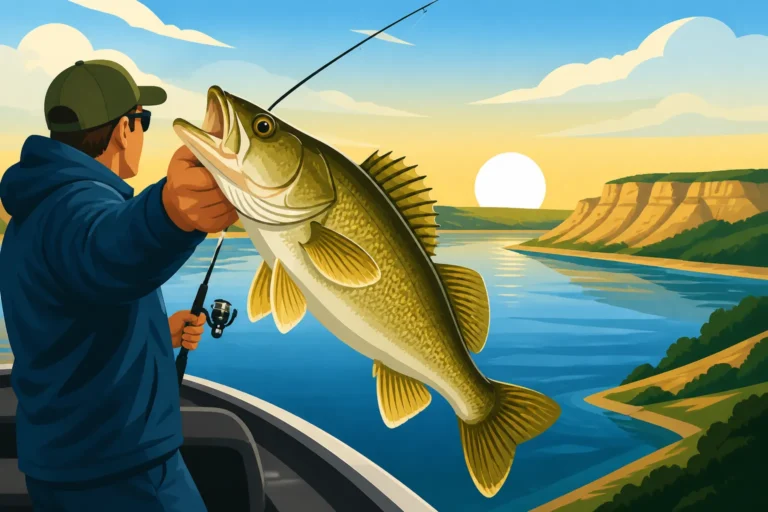
Smallmouth bass are another fantastic sport fish that have really established themselves in the Missouri River, especially in the rocky, current-swept areas. Known for their acrobatic jumps and hard fighting, smallmouth provide excellent action during the warmer months. Look for them around riprap, bridge pilings, rocky points, and submerged timber. Smallmouth respond well to a variety of lures, including crankbaits, jerkbaits, spinnerbaits, and soft plastics fished on jig heads. They're opportunistic feeders and can often be found in relatively shallow water, making them accessible to both boat and shore anglers. The Missouri River offers a robust population of these bronze beauties, and once you hook into one, you'll understand why they're so beloved.
Channel Catfish and Other Bottom Dwellers
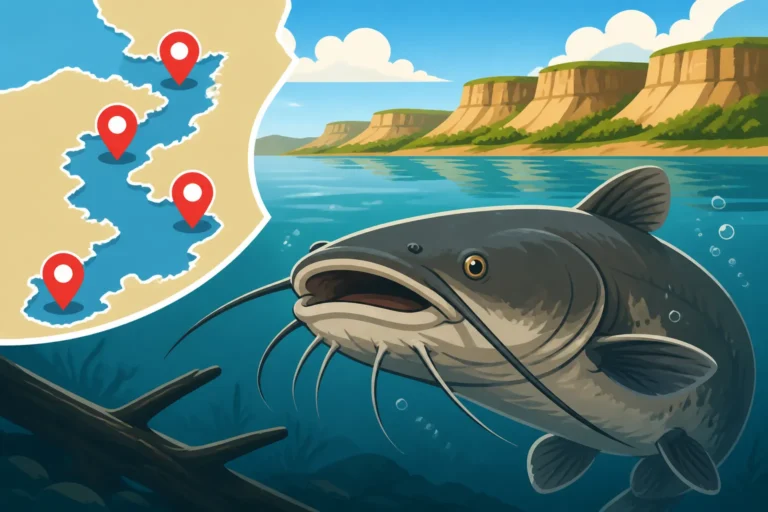
For those who appreciate a powerful pull and consistent action, channel catfish are a Missouri River staple. The river, particularly the lower stretches and the upper reaches of Lake Oahe, is home to a thriving population of channel cats, including some truly monstrous specimens. These fish are primarily bottom feeders, often found in deep holes, along current breaks, and near submerged logs or debris piles. They are most active during the warmer months and particularly eager to bite at night.
Popular baits for channel catfish include cut bait (especially shad or sucker), stink baits, chicken livers, and even large chunks of shrimp. A heavy bottom rig with a strong hook and plenty of lead to hold bottom in the current is essential. Don't be surprised if you hook into a catfish weighing well over 10 pounds; the Missouri River produces some true giants! Our dedicated guide to North Dakota Channel Catfish Fishing Guide dives deep into tactics for these impressive fish. Beyond catfish, anglers might also encounter freshwater drum (sheepshead), carp, and occasionally burbot (eelpout) in the colder months, adding to the river's diverse bottom-dwelling inhabitants. Each offers a unique challenge and a strong fight, proving that the Missouri River truly has something for everyone.
Essential Fishing Techniques for Missouri River Success
Successfully fishing the Missouri River isn't just about knowing where the fish are; it's about understanding how to present your bait or lure in a way that entices them to bite. The dynamic currents and varied structure of the river demand adaptable techniques. What works in one section might not be effective in another, so having a diverse toolkit of methods is key.
Current Seam and Structure Fishing
Fishing current seams is perhaps one of the most critical techniques for Missouri River anglers. A "current seam" is simply the line where fast-moving water meets slower water, creating an eddy. Fish, especially walleye, sauger, and smallmouth bass, love to position themselves in the slower water just out of the main current, waiting for baitfish to be swept past them. They expend less energy while having a prime ambush point. Learning to identify these seams, whether visually on the surface or with your electronics below, is fundamental.
To fish a current seam effectively, you need to cast your bait or lure into the faster water upstream and allow the current to carry it into the slower water where the fish are holding. This creates a natural presentation. Jigs, soft plastics, and live bait rigs (like a Lindy rig or bottom bouncer) are excellent choices for this. You'll need enough weight to get your presentation down to the desired depth without getting swept away too quickly. Similarly, fishing structure like submerged rock piles, humps, or timber demands precision. These spots often hold fish that are tightly schooled, and accurate casts or precise boat positioning are crucial to getting your lure into the strike zone. Sometimes, a subtle lift-and-drop retrieve is all it takes to trigger a bite from fish hunkered down in the current.
Trolling and Drifting Strategies
For covering vast amounts of water and locating active fish, especially walleye and sauger, trolling and drifting are incredibly effective strategies on the Missouri River. Trolling involves using your boat's motor (or a dedicated trolling motor) to pull lures, typically crankbaits or spinner rigs, through specific depths and areas. This allows you to present your bait to a wide range of fish and experiment with different speeds and lure colors until you find what's working. GPS and sonar units are invaluable here, helping you stay on course along contours or over submerged structure, and identifying baitfish or fish arches.
Drifting is another highly effective method, particularly in areas with a consistent current. It involves allowing the river's current (and sometimes wind) to propel your boat, slowly carrying your bait or lure downstream. This can be done with simple jig and minnow presentations, live bait rigs, or even bottom bouncers. The key to successful drifting is controlling your speed relative to the current. Sometimes, using a drift sock or even briefly engaging your trolling motor to slow down or speed up your drift can make all the difference. This controlled drift mimics how natural food sources move in the river and can be irresistible to waiting fish. Whether you're trolling or drifting, understanding the nuances of how these techniques interact with the river's unique flow is vital.
Bank Fishing and Kayak Tactics
Not everyone has access to a large fishing boat, and the good news is that the Missouri River offers fantastic opportunities for both bank anglers and kayak enthusiasts. Bank fishing is often most productive in areas with good public access, like city parks or designated fishing piers, especially where the shoreline drops off quickly into deeper water or where current breaks are present. Casting out live bait (minnows, worms, or cut bait) on a simple bottom rig can yield great results for walleye, sauger, and catfish. For northern pike and smallmouth bass, casting spoons, spinnerbaits, or soft plastics along weed lines or rocky banks can be very effective. Look for public access sites or bridge areas that create natural fish-holding structure.
Kayak fishing on the Missouri River is growing in popularity, offering a stealthy and intimate way to experience the river. Kayaks allow anglers to access spots that larger boats can't reach and can be excellent for navigating shallower bays or smaller tributaries. When using a kayak, safety is paramount due to the river's currents and potential barge traffic. Always wear a life jacket, carry a whistle, and be aware of your surroundings. Kayakers can effectively fish current seams, submerged timber, and rocky shorelines using jigs, small crankbaits, or live bait. The maneuverability of a kayak makes it ideal for precision casting to specific pieces of structure. Remember, whether on shore or in a kayak, being prepared with the right Best Fishing Tackle for North Dakota Lakes and keeping an eye on river conditions will enhance your experience.
Seasonal Fishing Strategies for the Missouri River
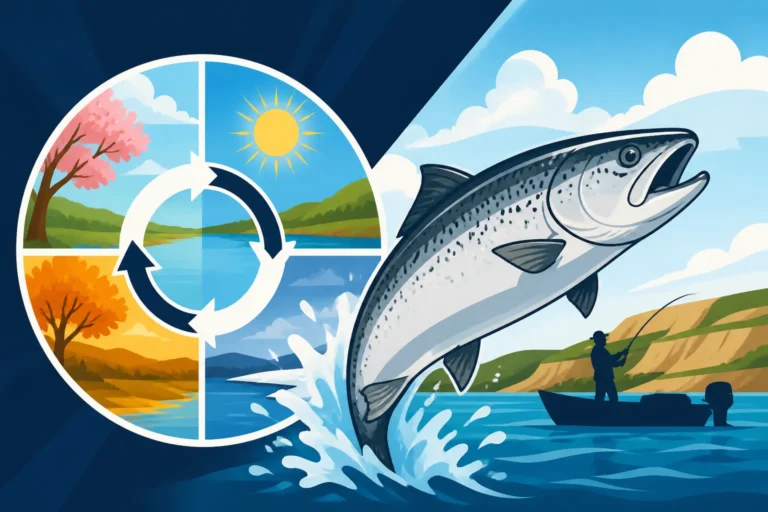
Just like any large waterway, the Missouri River's fishing patterns change dramatically with the seasons. Water temperatures, clarity, and fish spawning cycles all play a crucial role in determining where fish are, what they're eating, and what techniques will be most effective. Adapting your approach to the time of year is fundamental to consistent success.
Spring Fishing Patterns
Spring on the Missouri River is a time of awakening and intense feeding activity, especially as fish recover from winter and prepare for or complete their spawning rituals. As the ice breaks (or "ice-out" occurs), and water temperatures begin to rise into the 40s and 50s Fahrenheit, many species become incredibly active. Walleye and northern pike are often concentrated in shallower areas, particularly near river mouths, tributary inflows, and current-protected bays, as they move in to spawn or feed heavily after spawning.
Early spring can be fantastic for targeting walleye in the main river channel below the Garrison Dam, or in shallower bays and protected areas near Bismarck and Mandan. Jigs tipped with minnows are often deadly, as fish are lethargic but opportunistic. As the water warms further, northern pike become incredibly aggressive, readily hitting spoons and spinnerbaits cast into weed beds or shallow flats. Smallmouth bass will also start to become active, moving into rocky areas. This time of year often means dealing with fluctuating water levels and potentially muddy conditions from snowmelt, so adjusting lure colors and presentations to match water clarity is vital. Checking the North Dakota Fishing Season Calendar for specific species can help you fine-tune your spring game plan.
Summer Heat and Deep Water Tactics
When North Dakota summer heats up, the Missouri River fishery shifts. As water temperatures climb into the 60s and 70s Fahrenheit, many fish species move to deeper, cooler water, often relating to the main river channel, submerged humps, and deep structural elements. While shallow bites can still occur, especially during low-light conditions, daytime fishing often requires a focus on depth.
Walleye and sauger will be found in the cooler, oxygenated waters of the main channel or concentrated around deep current breaks. Trolling with deep-diving crankbaits or bottom bouncers with spinner rigs becomes a prime tactic for covering water and finding these fish. Channel catfish really hit their stride in the summer, with evening and night fishing providing exceptional action, especially in deep holes or along strong current edges. Large cut baits are irresistible to them. Northern pike will often retreat to deeper weed lines or shady areas, but can still be caught by targeting structure with large spoons or swimbaits. Smallmouth bass will relate to deep rock piles and current-swept areas, often holding tight to cover. During the summer, fishing during the cooler parts of the day, such as early morning or late evening, often yields the best results.
Fall Feeding Frenzy
Fall on the Missouri River is a magical time for anglers. As water temperatures begin to drop, many fish species engage in a massive feeding frenzy, packing on reserves for the upcoming winter. This period can offer some of the most consistent and exciting fishing of the year. Walleye become incredibly aggressive, moving to shallower flats, humps, and points during low-light conditions, and can be caught trolling crankbaits, casting jigs, or using live bait rigs. The bite can be particularly hot in the Bismarck/Mandan stretch and the upper reaches of Lake Oahe.
Northern pike are also at their prime, often found in shallow, weedy bays or cruising points, ready to smash large spoons, spinnerbaits, or even dead bait presented under a bobber. Their aggression and size can be impressive during this time. Smallmouth bass will also put on the feedbag, often schooling up on rocky points and humps before retreating to their wintering grounds. Channel catfish continue to be active until water temperatures drop significantly, still hitting cut bait in deep holes. The fall period often brings stable weather conditions and fewer crowds, making it an ideal time to experience the best of what the Missouri River has to offer. For more generalized advice on how to approach the changing seasons, our guide to the Best Time of Year to Fish in North Dakota is a great resource.
Essential Gear and Safety for Missouri River Anglers
Fishing the Missouri River, with its expansive waters and sometimes challenging conditions, requires not only the right techniques but also the appropriate gear and a strong emphasis on safety. Being prepared can make the difference between a frustrating day and a successful, enjoyable outing.
Recommended Rods, Reels, and Line
For walleye and sauger, a medium-light to medium-power spinning rod, typically 6'6" to 7' long, paired with a 2500 or 3000 series spinning reel, is a versatile setup. This allows for sensitive jigging presentations and enough backbone for trolling or battling fish in current. Spool your reel with 8-10 pound braided line for sensitivity and strength, adding a 6-8 pound fluorocarbon leader for stealth and abrasion resistance. If you're specifically targeting larger fish or using heavier presentations like bottom bouncers, a medium-heavy baitcasting setup might be more appropriate.
For northern pike, a medium-heavy to heavy-power casting or spinning rod, 7' to 8' in length, is ideal. Pair this with a robust baitcasting or spinning reel capable of holding 20-40 pound braided line. Pike hit hard and fight dirty, so stout tackle is a must. For channel catfish, especially the bigger ones, a medium-heavy to heavy-power rod, 7' to 9' long, with a strong spinning or baitcasting reel spooled with 15-30 pound monofilament or braided line, is recommended. Monofilament offers good abrasion resistance against submerged snags, while braid provides extreme strength. For those just starting out or looking to upgrade, our Best Fishing Rods for North Dakota Anglers guide offers detailed recommendations.
Boat and Kayak Considerations
If you plan to cover significant water or access the best fishing spots on the Missouri River, a boat is almost essential. For the main river, especially the wider sections and the upper reaches of Lake Oahe, a V-hull boat (like a multi-species fishing boat or a deep-V aluminum boat) 16 feet or longer is often preferred for its stability in choppy conditions and ability to handle strong currents. A reliable outboard motor is crucial for navigating long distances and fighting current. For those fishing the Missouri, a good trolling motor, either bow-mounted electric or a sturdy kicker motor, is invaluable for precise boat control, especially when working current seams or drifting. For specific vessel insights, refer to our Best Boats for North Dakota Lakes resource.
Kayakers should prioritize stability and tracking, especially if venturing into areas with moderate current or potential boat traffic. A sit-on-top fishing kayak, 10-14 feet in length, often provides the best balance of stability, storage, and paddle efficiency. Ensure your kayak is equipped with essential safety gear, including a bright flag for visibility, a whistle, and a personal flotation device (PFD) that you wear at all times. Always let someone know your float plan and expected return time. Regardless of your vessel, all boats, including motorized kayaks, must adhere to North Dakota Boat Registration Requirements.
| Species | Preferred Depth/Structure | Best Baits/Lures | Recommended Gear |
|---|---|---|---|
| Walleye/Sauger | Current seams, deep holes, rock piles, sandbar edges | Jigs (minnows/plastics), crankbaits, bottom bouncers (spinners) | Med-light to Med spinning (6'6"-7'), 8-10lb braid + fluorocarbon leader |
| Northern Pike | Weed lines, submerged timber, current eddies, shallow bays | Spoons, spinnerbaits, swimbaits, large minnows | Med-heavy to Heavy casting/spinning (7'-8'), 20-40lb braid |
| Smallmouth Bass | Riprap, rocky points, bridge pilings, current breaks | Crankbaits, jerkbaits, spinnerbaits, soft plastics | Med-light to Med spinning (6'6"-7'), 6-10lb fluorocarbon/braid |
| Channel Catfish | Deep holes, current breaks, submerged logs, river bends | Cut bait (shad/sucker), stink bait, chicken liver, shrimp | Med-heavy to Heavy conventional/spinning (7'-9'), 15-30lb mono/braid |
Safety Tips for Big River Fishing
The Missouri River is a powerful force of nature, and safety should always be your top priority. Strong currents, rapidly changing weather, and potential boat traffic demand respect. Always wear a properly fitted life jacket, even if you're an experienced swimmer. North Dakota law requires children under 10 to wear a PFD while on board a vessel, but it's wise for everyone to wear one, especially when navigating potentially dangerous waters.
Inform someone of your plans – where you're going, when you expect to return, and who is with you. Carry a fully charged cell phone (in a waterproof bag) and a VHF radio if boating long distances. Be aware of weather forecasts and be prepared for sudden changes; North Dakota weather can be unpredictable. When boating, understand navigation rules and respect other users of the river. If fishing from shore, be mindful of slippery banks and uneven terrain. For those who are not familiar with river conditions, consider hiring a local guide, which can be easily arranged through services like FishingBooker, to learn the ropes safely and efficiently. Never underestimate the power of the current, and always prioritize caution over ambition.
Regulations and Conservation on the Missouri River
Fishing the Missouri River in North Dakota comes with a responsibility: to understand and abide by the regulations designed to protect this incredible natural resource. Following these rules ensures that future generations can enjoy the same fantastic fishing opportunities we have today.
Understanding State and Local Rules
Before you even cast a line, ensure you have a valid North Dakota fishing license. Whether you're a resident or a nonresident, and regardless of your age, there are specific requirements. Our North Dakota Fishing License Guide provides all the details you need to get properly licensed. Beyond the general license, it's crucial to understand the specific regulations for the Missouri River system. These can include daily creel limits (how many fish you can keep), possession limits (how many you can have at home), and size restrictions for certain species like walleye, northern pike, and catfish. Some areas might have special restrictions, so always consult the current North Dakota Game and Fish Department (NDGFD) fishing proclamation, which is updated regularly.
Additionally, pay attention to specific bait restrictions, such as the prohibition of certain live baits in certain waters to prevent the spread of aquatic invasive species. The Missouri River is also subject to specific rules regarding methods of take (e.g., snagging rules for paddlefish, which require a special tag, or limitations on the number of lines you can fish). Ignorance of the law is not an excuse, and penalties for fishing without a license or violating limits can be severe. It's always best to be over-informed. Our guide, North Dakota Fishing Regulations Explained, provides a comprehensive overview of these crucial rules.
Practicing Responsible Angling
Beyond simply following the rules, responsible angling involves a commitment to conservation and ethical practices. Catch and release is a vital part of maintaining healthy fish populations, especially for larger breeding-size fish or species that are not intended for the dinner table. When practicing catch and release, handle fish gently with wet hands, minimize their time out of water, and use appropriate tools like de-hookers to remove hooks quickly and cleanly. Avoid dragging fish through sand or gravel, which can remove their protective slime layer.
Preventing the spread of aquatic nuisance species (ANS) is another critical aspect of responsible angling. Always "Clean, Drain, Dry" your boat, trailer, and all fishing gear after leaving the water. This means removing all weeds and debris, draining all water from your boat (including livewells, bilge, and engine), and allowing everything to thoroughly dry before launching in another body of water. Never transport live bait from one body of water to another, and dispose of unwanted bait in the trash, not in the water. These simple steps, while sometimes inconvenient, are absolutely essential for preserving the ecological balance of the Missouri River and preventing the spread of harmful invaders like zebra mussels. By being proactive and responsible, we can all contribute to the long-term health and vitality of this magnificent fishery.
Disclaimer
Please note that fishing regulations, conditions, and best practices can change. Always consult the latest North Dakota Game and Fish Department regulations and local advisories before planning your trip. The information provided here is for general guidance only.