Lake Audubon Smallmouth Bass Fishing
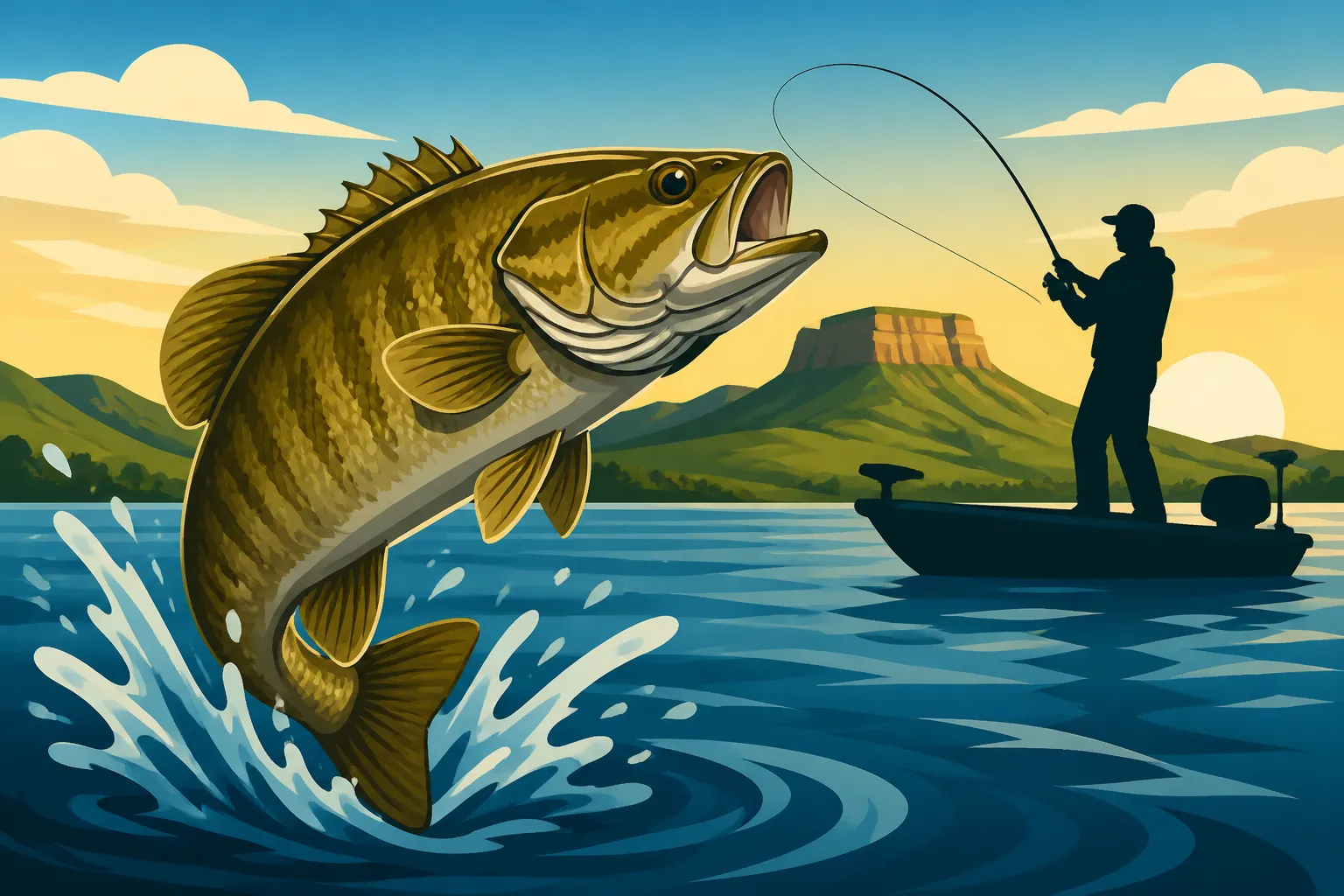
If you've spent any time on North Dakota's legendary waters, you know the quest for a truly exhilarating fight often leads to the magnificent walleye. But for those of us who crave a different kind of challenge, the smallmouth bass offers an incredible, acrobatic battle that's hard to beat. This guide is all about unlocking the secrets to successful smallmouth bass fishing on one of North Dakota's hidden gems: Lake Audubon, giving you the insights you need to hook into these feisty bronzebacks.
Why Lake Audubon Stands Out for Smallmouth Bass Fishing
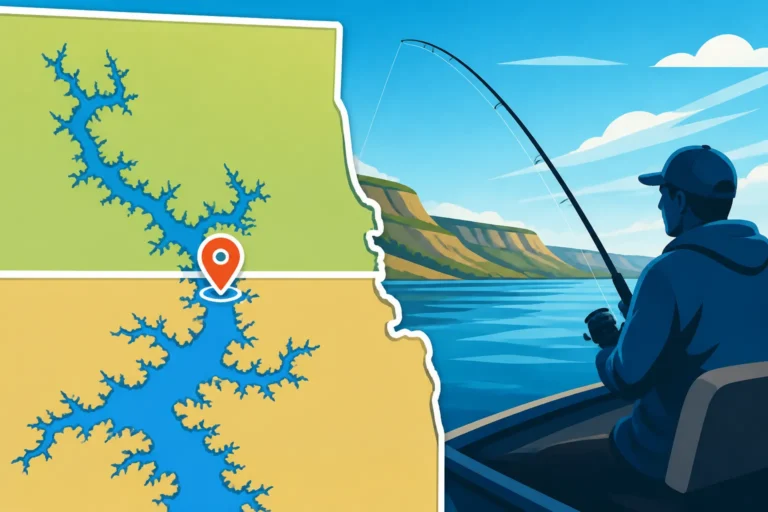
Lake Audubon might not always grab the headlines like its giant neighbor, Lake Sakakawea, or the famous Devils Lake, but for smallmouth bass enthusiasts, it's an absolute treasure. This reservoir, connected to Lake Sakakawea by a large culvert, offers a distinct and often overlooked smallmouth fishery. Anglers often complain about the difficulty of finding consistent smallmouth action in certain parts of the state, but Audubon's unique characteristics make it a prime destination, a stark contrast to some of the more turbid or featureless bodies of water.
The Unique Habitat of Lake Audubon
What makes Lake Audubon such a haven for smallmouth bass? It really boils down to its diverse and plentiful habitat. Unlike some of North Dakota's flatter, shallower lakes, Audubon boasts significant rocky structure, drop-offs, and clear to moderately clear water conditions. Smallmouth bass absolutely thrive in these environments, using rocks and boulders for ambush points and protection. The lake's irregular shoreline, punctuated by points, coves, and submerged humps, creates a complex underwater landscape that offers ideal foraging and spawning grounds. You'll find areas with gravelly bottoms transitioning into vast rock fields, which are exactly what these fish are looking for.
Moreover, the water clarity in Lake Audubon, particularly compared to some of the more prairie-fed systems, allows sight-feeding smallmouth to hunt effectively. This clarity also encourages the growth of aquatic vegetation in certain bays and sheltered areas, providing additional cover and attracting baitfish, which in turn draws in the smallmouth. It's a self-sustaining ecosystem designed for aggressive predators.
Smallmouth Bass Thriving in Lake Audubon
Smallmouth bass aren't native to North Dakota; they were introduced here, and Lake Audubon has proven to be an excellent home for them. While walleye and northern pike definitely have a strong presence, the smallmouth here have carved out their own niche, particularly in the rockier, deeper sections of the lake. Their preference for hard structure and relatively clear water means they often aren't directly competing with walleye for the exact same prime spots, though some overlap certainly occurs.
The lake’s abundant forage base, consisting of various minnow species, crayfish, and insects, provides a consistent food supply that fuels healthy growth rates for the smallmouth. This robust food chain means you're likely to encounter fish that are not only aggressive but also in excellent condition, ready to put up a phenomenal fight. The balance of species in Lake Audubon allows the smallmouth to prosper without being overwhelmed by other predators or suffering from a lack of food, a problem sometimes seen in less diverse fisheries.
Understanding Lake Audubon's Smallmouth Bass
Knowing your quarry is half the battle when it comes to successful fishing, and smallmouth bass on Lake Audubon are no exception. These aren't just any bass; they're resilient, opportunistic, and incredibly fun to catch. Understanding their life cycle, dietary preferences, and typical behavior patterns throughout the seasons will dramatically increase your chances of finding them and getting them to bite. It's about thinking like a smallmouth.
Behavioral Patterns and Forage
Lake Audubon's smallmouth bass are highly attuned to their environment, and their behavior shifts significantly with water temperature and forage availability. In cooler water, such as early spring or late fall, they tend to be more sluggish, conserving energy and often holding tight to structure in deeper water. As the water warms, their metabolism ramps up, and they become incredibly active, chasing down baitfish and crayfish with impressive speed and aggression. They are visual predators, so water clarity is a huge factor.
Their diet is varied, but crayfish are often at the top of the list, especially in a rocky lake like Audubon. Shiners, perch fry, and various insect larvae also make up a significant portion of their meals. Understanding this means you can "match the hatch" or, more accurately, "match the forage" with your lure choices. If you're seeing lots of crayfish on the shoreline rocks, a jig imitating a crayfish is probably a good bet. If schools of minnows are flickering on the surface, topwater or jerkbaits come into play. Many seasoned anglers planning a trip to North Dakota for bass check with local guides on FishingBooker to get the latest intel on what the smallmouth are biting on.
Average Size and Growth Rates
While Lake Audubon might not produce the state-record smallmouth every year, it consistently offers anglers the chance to catch respectable fish. The Lake Audubon Smallmouth Bass Average Size often ranges from 12 to 18 inches, with many fish in the 2- to 3-pound range. However, 4- to 5-pound bruisers are certainly not uncommon, and trophy fish exceeding 6 pounds are caught annually. The clear, productive waters and ample food supply contribute to these healthy growth rates.
Unlike some overfished smallmouth fisheries, the pressure on Audubon smallmouth is generally lower, thanks to the lake's vastness and the predominant focus on walleye by many anglers. This allows the fish to reach impressive sizes. Catching a good number of these solid fighters in a single outing is a realistic expectation, making it a rewarding experience for both casual anglers and those looking for a true battle.
Best Times and Seasons for Smallmouth Bass on Lake Audubon
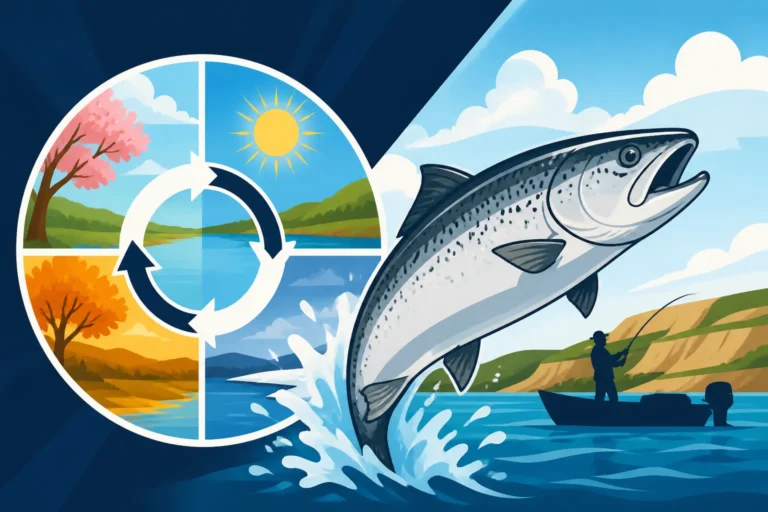
Timing is everything when it comes to smallmouth bass fishing, and Lake Audubon offers distinct opportunities throughout the open water season. From the frosty edges of ice-out to the crisp winds of late fall, understanding the seasonal movements and feeding patterns of these fish is crucial for consistent success. Each season presents its own challenges and rewards, and being prepared for them will make all the difference.
Spring Spawning and Post-Spawn Bites
As the ice reluctantly retreats from Lake Audubon, usually in late April or early May, the smallmouth begin to stir. This "ice-out" period, and the subsequent pre-spawn phase, can be incredible. Water temperatures are still chilly, typically in the low to mid-40s Fahrenheit, and the smallmouth will be staging in deeper water adjacent to their eventual spawning grounds. Look for them on main lake points, rocky flats, and submerged humps that transition to deeper water. Jerkbaits, suspending stickbaits, and slow-rolled spinnerbaits can be highly effective during this sluggish period.
Once water temperatures climb into the mid-50s to low-60s, typically from late May through early June, the smallmouth move shallow to spawn. They seek out gravelly or rocky flats in protected bays or on the lee side of main lake points. During this time, they become very aggressive defending their nests. Post-spawn, usually mid-June, the fish are often hungry but a bit weary. They'll drop back to slightly deeper cover near their spawning areas and are receptive to tube jigs, shaky heads, and small crankbaits. This period can offer some of the year's most consistent action. To understand the wider regulatory context for this time, check out our guide on North Dakota Fishing Regulations Explained.
Summer Deep Water and Topwater Action
Summer on Lake Audubon brings warmer water, and smallmouth bass respond by moving to deeper, cooler haunts during the heat of the day. They'll relate strongly to deep rock piles, submerged humps, offshore points, and the ledges of main lake channels. Finding these structures with your electronics is key. Drop-shot rigs, football jigs, and deep-diving crankbaits become highly effective for targeting these deeper fish. The fish might be scattered, but once you find a school, the action can be fast and furious.
However, summer also offers incredible topwater opportunities, particularly during low-light conditions (early morning, late evening) or on cloudy, windy days. When the smallmouth are actively feeding on the surface, chasing baitfish, nothing beats the explosive strike on a walking bait, popper, or buzzbait. This is when the true thrill of smallmouth fishing really shines, seeing a bronzeback blow up on your lure. It's a completely different experience than the more subtle bites you might get fishing deep.
Fall Feeding Frenzy
As autumn colors paint the North Dakota landscape and water temperatures begin to drop, Lake Audubon's smallmouth enter their famous fall feeding frenzy. This is arguably the best time of year to target trophy smallmouth. The fish know winter is coming, and they need to pack on calories, becoming incredibly aggressive. They will often move shallower than in mid-summer, relating to the same rocky points, humps, and flats they used in spring, but they'll be much more active.
Jerkbaits, spinnerbaits, crankbaits, and even large swimbait imitations can be deadly during the fall. The fish are often schooled up, so once you find one, you've likely found several. This period can last well into October and even early November, depending on how quickly the lake cools. The key is to cover water, looking for active schools on structure. It's a fantastic time to get out on the water before the long winter sets in, and you might even discover some of the Best Places to Fish in North Dakota during this golden season.
| Season | Water Temperature Range | Typical Location | Preferred Lure Types | Notes |
|---|---|---|---|---|
| Early Spring | 40-55°F | Deep points, rocky flats, transition zones | Jerkbaits, suspending stickbaits, blade baits | Slow retrieves, fish are sluggish but hungry. |
| Late Spring | 55-65°F | Shallow rocky flats, protected bays | Tube jigs, creature baits, small crankbaits | Spawning and post-spawn, aggressive. |
| Summer | 65-75°F | Deep humps, offshore points, ledges | Drop-shots, football jigs, deep crankbaits | Low-light periods for topwater; deeper in midday. |
| Fall | 60-40°F | Rocky points, humps, shallow structure | Jerkbaits, spinnerbaits, crankbaits, swimbaits | Aggressive feeding, fish schooling up for winter. |
Top Techniques and Lures for Lake Audubon Smallmouth
Successfully catching smallmouth bass on Lake Audubon often comes down to employing the right techniques and choosing the most effective lures for the conditions. These fish can be finicky one day and incredibly aggressive the next, so having a versatile approach is key. Don't be afraid to experiment, but having a solid foundation of proven methods will get you started. Remember, guides available through FishingBooker are often experts in these exact techniques.
Casting and Jigging Strategies
For Lake Audubon's smallmouth, casting and jigging are fundamental techniques. When targeting rocky shorelines, points, and shallow flats, accurate casting with various lures is paramount. Start by fan-casting an area to determine fish presence, then focus on specific pieces of structure. A quick retrieve with a spinnerbait or crankbait can draw reaction strikes, while a slower, more deliberate presentation with a jerkbait or soft plastic can entice less active fish. For deeper fish, vertical jigging with tube jigs or blade baits directly over submerged structure can be incredibly effective, especially when you pinpoint schools with your electronics.
When it comes to Smallmouth Bass Techniques on Rocky Shorelines, pay close attention to transitional areas where rocks meet sand or weed lines. These are often high-traffic zones. Pitching jigs or creature baits into pockets in the rocks and slowly working them back can mimic a foraging crayfish, a favorite meal for smallmouth. Always be aware of line watching for subtle bites, as smallmouth can sometimes just "tick" the bait without a strong pull.
Recommended Lures and Baits
The tackle box for Lake Audubon smallmouth should be diverse, covering various depths and presentations. Here's a rundown of some must-have lures:
- Jerkbaits: Suspending jerkbaits in natural baitfish colors (silver, perch patterns) are deadly in cooler water and on windy days. Brands like Rapala or Lucky Craft are popular choices. A hard twitch-twitch-pause retrieve often triggers violent strikes.
- Crankbaits: Medium to deep-diving crankbaits in shad or crayfish patterns are excellent for covering water and targeting different depths. Choose models that dive to the depth you're marking fish.
- Tube Jigs: These soft plastics, typically 3-4 inches, mimic crayfish or gobies (if present). Rigged on an internal jig head, they're fantastic for skipping under docks or working along rocky bottoms. Green pumpkin, brown, and watermelon colors are staples.
- Spinnerbaits: Single or double willow-leaf spinnerbaits in white, chartreuse, or perch colors are great for covering water quickly, especially around submerged vegetation or wind-blown points. They create flash and vibration that smallmouth can't resist.
- Topwater Baits: Poppers, walking baits (like a Heddon Super Spook), and buzzbaits provide explosive surface action. Use them in low light, calm conditions, or over shallow cover.
- Soft Plastics (Creature Baits, Wacky Worms, Drop Shots): These are incredibly versatile. Creature baits rigged on a Texas rig or shaky head are excellent for imitating crayfish. Wacky-rigged worms offer a subtle, tantalizing fall. Drop-shot rigs are unbeatable for targeting deep, suspended fish with precise bait presentation. Our guide on Best Lures for Smallmouth Bass in North Dakota provides even more detailed recommendations.
Essential Gear for Lake Audubon Smallmouth Fishing
Having the right equipment can significantly impact your success and enjoyment when chasing smallmouth bass on Lake Audubon. From the rod in your hand to the electronics on your boat, each piece plays a vital role. Investing in quality gear designed for bass fishing will make your day on the water more productive and much more comfortable, especially when you hook into one of those aggressive bronzebacks.
Rods, Reels, and Line Choices
For smallmouth bass, versatility in your rod and reel setup is important. Most anglers will benefit from a combination of spinning and casting gear.
- Spinning Rods: A medium-light to medium power, fast action spinning rod, typically 6'6" to 7'2" in length, is ideal for throwing lighter baits like tube jigs, drop shots, wacky worms, and small jerkbaits. Pair this with a 2500- or 3000-series spinning reel spooled with 6-10 lb braided line, a fluorocarbon leader of 6-10 lb test, for sensitivity and casting distance. You can find more general advice in our guide on Best Fishing Rods for North Dakota Anglers.
- Casting Rods: A medium-heavy power, fast action casting rod, 6'8" to 7'6" in length, is perfect for heavier presentations such as spinnerbaits, crankbaits, larger jerkbaits, and pitching jigs. Match this with a baitcasting reel with a gear ratio between 6.4:1 and 7.3:1, spooled with 12-17 lb fluorocarbon or 30 lb braided line (with a fluorocarbon leader). Fluorocarbon is excellent for crankbaits due to its low stretch and abrasion resistance around rocks.
The choice of line is critical. Braided line offers superior sensitivity and casting distance, making it great for detecting subtle bites. A fluorocarbon leader is essential when using braid, as it's nearly invisible underwater and highly abrasion-resistant, crucial around Lake Audubon's rocky bottom. Monofilament can also be used, especially for topwater baits where its buoyancy is an advantage, but it has more stretch and less sensitivity.
Electronics and Navigation
Modern fish finders are indispensable tools for smallmouth bass fishing on a lake as large and structured as Audubon. A good unit with GPS, 2D sonar, side imaging, and down imaging will dramatically improve your ability to locate fish and productive structure.
- Fish Finders: Use your 2D sonar to identify bottom contours, humps, and drop-offs. Side imaging is fantastic for scanning wide areas to find submerged rock piles or isolated boulders that hold smallmouth. Down imaging provides a clearer, photographic-like view directly beneath your boat, helping you discern fish from structure. The GPS functionality allows you to mark waypoints for productive spots and navigate safely. Many anglers consult our article on Best Fish Finders for Boat Fishing when making their selection.
- Mapping: Pre-loaded lake maps or digital mapping cards (like those from Lakemaster or Navionics) are invaluable. They show detailed contours, depths, and potential structure that you might not otherwise see. This helps you focus your efforts on prime smallmouth real estate.
- Trolling Motor: A reliable bow-mount electric trolling motor with GPS capabilities (like Minn Kota's Ulterra with Spot-Lock) is a game-changer. It allows you to precisely position your boat on structure, hold against wind, and quietly navigate shallow areas without spooking fish. This hands-free control lets you focus on fishing.
Navigating Lake Audubon: Access and Safety
Lake Audubon is a significant body of water, and while it offers fantastic fishing, it demands respect and careful planning, especially when it comes to access and on-water safety. Whether you're launching a large bass boat or a kayak, understanding the lake's facilities and potential hazards is crucial for a successful and safe outing. It's a different beast than smaller, more protected bodies of water.
Public Access Points and Ramps
Lake Audubon offers several public access points, making it relatively easy for anglers to launch their boats. The Garrison Dam National Fish Hatchery area provides excellent ramps and facilities, often with plenty of parking. Other popular access points include those near Wolf Creek and Audubon Wildlife Refuge areas. These ramps are generally well-maintained and can accommodate larger boats, which is important for navigating the expansive waters of Audubon.
For smaller craft like kayaks or canoes, informal access points might exist, but always prioritize safety and legality. When planning your trip, consider the prevailing wind direction, as some ramps might be more exposed than others, making launching and loading challenging. Checking ramp conditions and water levels before you head out is always a smart move. If you're wondering how Lake Audubon compares to other major fisheries in the state, you might be interested in knowing How Far Is Lake Audubon From Lake Sakakawea or looking into Best Boats for North Dakota Lakes for navigating these larger bodies of water.
Safety Considerations on Large Waters
Fishing on a large reservoir like Lake Audubon comes with inherent risks, and safety should always be your top priority.
- Weather: North Dakota weather can change rapidly and unpredictably. Strong winds can quickly whip up dangerous waves on Audubon's open expanses. Always check the forecast before heading out and be prepared to cut your trip short if conditions deteriorate. Keep an eye on the sky for rapidly approaching storms.
- Vessel Readiness: Ensure your boat is in good working order, with enough fuel for your trip and extra, functioning navigation lights, and all required safety equipment. This includes personal flotation devices (PFDs) for everyone on board – it's not just a good idea, it's the law, and Best Life Jackets for Cold Water Fishing are particularly important in spring and fall.
- Navigation: With its numerous points, bays, and submerged structures, Lake Audubon can be tricky to navigate, especially at high speeds or in low light. Rely on your GPS and lake maps to avoid unmarked hazards like shallow reefs or rock piles that can damage your lower unit.
- Solo Fishing: If you're fishing alone, always let someone know your float plan – where you're going, when you expect to return, and what ramp you'll be using. A dead phone battery can quickly become a serious problem on big water.
- Kayaking Safety: For those who prefer Fishing From a Kayak in North Dakota, Lake Audubon demands extra caution. Strong winds and boat traffic can make paddling challenging and dangerous. Always wear your PFD, paddle close to shore, and avoid crossing large open expanses if the wind is up. A quality anchor is also crucial for holding position in current or wind.
Disclaimer
Please note that fishing regulations, license requirements, and local conditions can change. Always consult the latest North Dakota Game and Fish Department (NDGFD) regulations and local advisories before planning your fishing trip. This guide is for informational purposes only and should not be considered a substitute for official rules and safety guidelines.