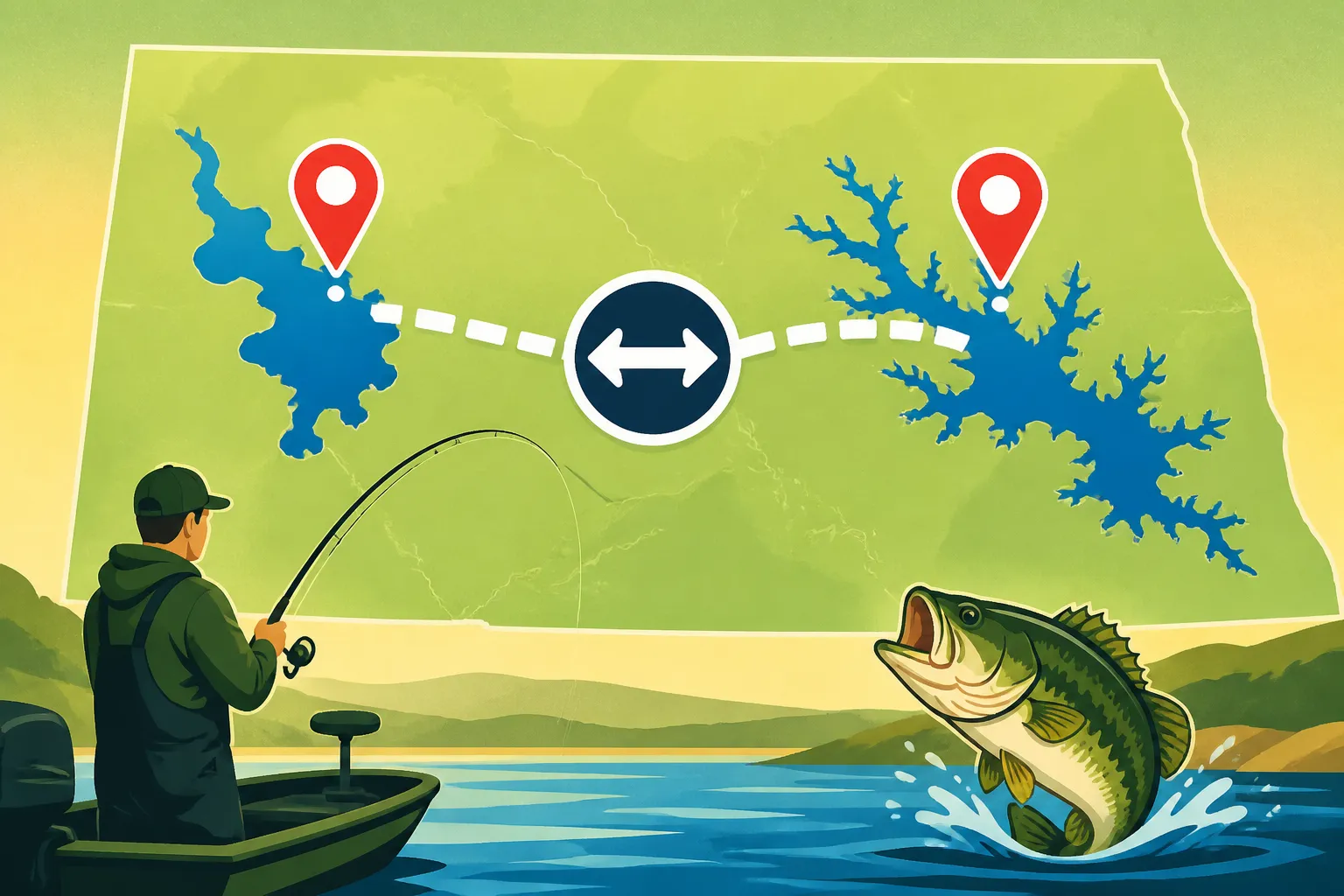
How Far Is Lake Audubon From Lake Sakakawea?
It's a common question for anglers planning a trip to the central part of North Dakota: just how far apart are Lake Audubon and Lake Sakakawea? The truth is, these two fantastic fisheries are intimately connected, almost as if they're two arms of the same body of water, making it incredibly convenient for those looking to explore diverse angling opportunities. This guide will dive deep into their geographical relationship, practical travel distances, and what their connection means for your next fishing adventure.
Understanding the Proximity of Lake Audubon and Lake Sakakawea
Many anglers assume Lake Sakakawea and Lake Audubon are entirely separate bodies of water, perhaps some miles apart. However, the reality is far more integrated, offering a unique dynamic for fishing in North Dakota. Their connection is a defining feature of the central Missouri River System.
The Geographical Relationship and Distance
Lake Sakakawea, a massive reservoir created by the Garrison Dam, is one of North America's largest man-made lakes. Just to its east, also formed as part of the Garrison Diversion Project, lies Lake Audubon. The crucial link between them is the Snake Creek Embayment, a channel that literally connects the two lakes. This means that by water, they are not "miles apart" but rather flow into each other.
If you're talking about driving distance, it largely depends on which specific points you're measuring between. For instance, the town of Riverdale sits right on the main body of Lake Sakakawea, very close to the Garrison Dam. From Riverdale, you can be at various Lake Audubon access points, such as the Snake Creek Embayment Recreation Area or points near Coleharbor, with just a short drive of about 5-15 minutes. It's more of a quick hop than a long journey. The drive across the top of Garrison Dam itself, which separates parts of the main lake from the channel leading to Audubon, is an experience in itself and shows just how close these waters are. For practical purposes, many consider them part of the same complex system, easily accessible from each other for a multi-faceted fishing trip.
Why Anglers Often Ask About This Connection
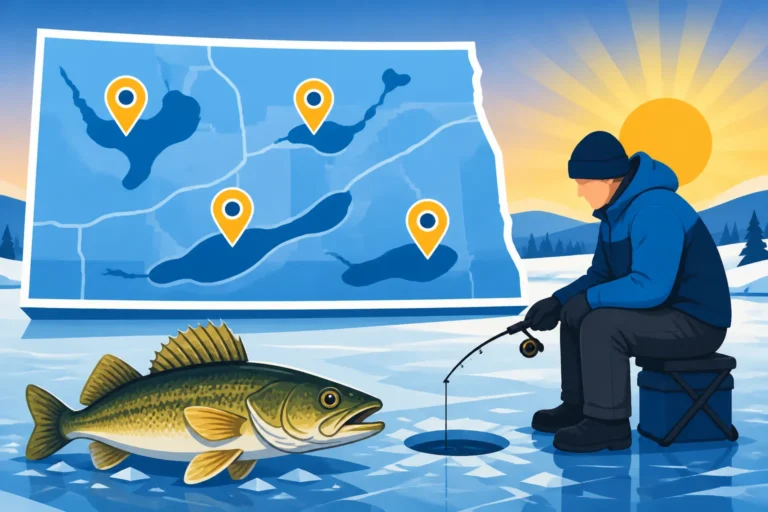
Anglers frequently inquire about the distance between Lake Audubon and Lake Sakakawea because they often present different fishing opportunities within a very close radius. Lake Sakakawea is renowned for its vast walleye and Chinook salmon populations, offering big water challenges and rewards. Many serious anglers consult a detailed Lake Sakakawea Fishing Guide for North Dakota Anglers before hitting these waters. On the other hand, Lake Audubon, while still holding good walleye, is particularly famous for its thriving smallmouth bass fishery, as detailed in our guide on Lake Audubon Smallmouth Bass Fishing.
The question isn't just about physical distance, but about the logistics of maximizing a fishing trip. Can I launch my boat on Sakakawea and easily reach Audubon? Or vice versa? The answer is generally yes, especially if you're using the Snake Creek Embayment as your aquatic highway. This proximity allows anglers to target diverse species and experience different water conditions without wasting precious fishing time on long drives. It also enables them to adapt quickly if weather conditions make one lake less favorable than the other, providing a convenient fallback plan for a successful day on the water.
Driving Routes and Travel Time Between the Lakes
While the lakes are connected by water, many anglers prefer to drive their boats between different launch points or explore various shore access areas. Understanding the driving routes and estimated times is crucial for efficient trip planning.
Main Roadways and Estimated Travel Times
The primary artery connecting access points around Lake Sakakawea and Lake Audubon is US Highway 83, running north-south, and North Dakota Highway 37, running east-west. If you're starting from a central point like Riverdale or Pick City on Lake Sakakawea, getting to key Lake Audubon access points is remarkably quick.
- From Riverdale (Sakakawea) to Snake Creek Embayment Recreation Area (Audubon): This is a very short drive, often less than 10 minutes. You essentially drive over or around the Garrison Dam complex, which inherently separates (and connects) the two.
- From Riverdale to Coleharbor (Audubon): Heading north on US-83 then east on ND-37, this drive might take around 15-20 minutes, depending on traffic and specific access points you're targeting.
- From Garrison (Sakakawea side, west of Audubon) to key Audubon spots: This would be a similar timeframe, perhaps 15-25 minutes, often involving ND-37 which skirts the northern edge of Lake Audubon.
These relatively short driving times mean you can easily move between the main lakes, allowing for more flexible fishing plans. For instance, you could start your morning trolling for walleye on the vast expanses of Lake Sakakawea, then switch gears to cast for smallmouth bass in the rockier coves of Lake Audubon in the afternoon, all without spending hours on the road. Remember to always consult a map for the most accurate, real-time directions to your specific launch and fishing spots.
Navigating Access Points and Boat Ramps
Both Lake Sakakawea and Lake Audubon boast numerous public access points and boat ramps, making it easy to get on the water. The close proximity really shines here because many of these ramps are concentrated around the Garrison Dam area, which acts as a central hub for both lakes.
For Lake Sakakawea, popular ramps include those near Riverdale, Pick City, and Garrison. These ramps are generally well-maintained and offer ample parking, crucial for launching larger boats suitable for Sakakawea's vast waters. Our guide on North Dakota Boat Registration Requirements outlines what you'll need before you launch.
For Lake Audubon, key access points are found at the Snake Creek Embayment Recreation Area, Totten Trail, and the Van Hook Arm. The Snake Creek access is particularly convenient as it's right on the connecting channel. While some anglers might attempt to navigate from Sakakawea into Audubon by boat, especially in smaller craft, many prefer the convenience of trailering their boat the short distance to a separate Audubon ramp to avoid potential navigation challenges in the narrowest parts of the embayment, especially during fluctuating water levels. Knowing where to launch and having an Essential Gear Checklist for North Dakota Fishing can make these transitions seamless. When planning your route or looking for specific fishing spots, resources like FishingBooker can sometimes help you identify local guides who specialize in navigating the best access points for both lakes.
Exploring the Water Connection: Snake Creek Embayment
The true magic behind the proximity of Lake Audubon and Lake Sakakawea lies in their direct water connection: the Snake Creek Embayment. This area isn't just a conduit; it's a significant fishery in its own right and plays a vital role in the ecosystem of both lakes.
The Role of Snake Creek Embayment
The Snake Creek Embayment is essentially a large, sprawling bay that connects the eastern arm of Lake Sakakawea (near the Garrison Dam) to the western side of Lake Audubon. It was formed as part of the Garrison Diversion Project, allowing water from Lake Sakakawea to be diverted into Lake Audubon and then further east for irrigation purposes. However, its primary role for anglers is as a natural passageway and a unique habitat.
This embayment features a mix of depths, submerged structure, and varying current, especially near the control structures. It often warms up quicker in spring and retains heat longer into the fall compared to the deeper, main bodies of Sakakawea. This can make it a magnet for baitfish and, consequently, predatory game fish. Anglers need to be aware of any specific rules or access limitations around the control structures, as these can sometimes be restricted for safety or operational reasons. It's always a good idea to check the latest North Dakota Fishing Regulations Explained for any nuances specific to this connecting waterway.
Fishing Opportunities in the Connecting Waters
The Snake Creek Embayment is a fantastic fishing destination, often overlooked by those who focus solely on the main lakes. It acts as a transitional zone, attracting species from both Sakakawea and Audubon. You'll find excellent populations of walleye, northern pike, and yellow perch here.
- Walleye: Often, walleye will stage in the embayment during their spawning runs or use it as a feeding ground due to its abundant baitfish. Jigging or trolling crankbaits can be very effective, especially where subtle currents are present. Check out our deep dive into North Dakota Walleye Fishing Techniques for more tips.
- Northern Pike: The shallower, weedy areas of the embayment provide ideal habitat for pike. Casting large spoons, spinnerbaits, or even using tip-ups during ice fishing season can yield impressive results.
- Yellow Perch: Schools of perch are common, particularly in areas with deeper holes and access to structure. Small jigs tipped with a minnow or a piece of plastic are often irresistible.
Because of its unique environment, fishing here can be quite different from fishing the main lakes. It often offers calmer waters on windy days, which is a huge bonus in North Dakota. This makes it an ideal spot for anglers using smaller boats, kayaks, or even for those who prefer to fish from shore. Many local guides listed on platforms like FishingBooker are intimately familiar with the nuances of fishing the Snake Creek Embayment and can offer invaluable insights into its ever-changing conditions.
Planning a Fishing Trip Involving Both Lakes
Given their close proximity and water connection, combining a trip to Lake Sakakawea and Lake Audubon is not only feasible but highly recommended for any avid angler looking to maximize their North Dakota experience.
Advantages of Fishing Both Lake Audubon and Lake Sakakawea
The biggest advantage of fishing both Lake Audubon and Lake Sakakawea is the incredible diversity they offer. Imagine having access to two distinct fisheries that are essentially neighbors.
- Species Diversity: Lake Sakakawea is a titan, famous for its trophy walleye and the unique opportunity to catch Chinook salmon. It’s one of the Best Walleye Lakes in North Dakota. Lake Audubon, while also having good walleye, truly shines with its robust smallmouth bass population, providing a different kind of fight and a chance to use different techniques. Plus, both lakes offer great northern pike and yellow perch action. This allows you to tailor your day to your mood or target a specific grand slam.
- Environmental Variety: Sakakawea is a vast, open-water reservoir, sometimes prone to heavy winds and large waves, requiring more substantial boats. Audubon, being smaller and often having more protected bays and coves, can offer calmer fishing, especially on those notoriously windy North Dakota days. You can adjust your fishing plans based on weather, water levels, or even just your preference for big water versus more intimate settings.
- Seasonal Flexibility: Each lake might "turn on" at different times for different species. For example, early spring smallmouth fishing might be hotter on Audubon, while summer walleye trolling might be prime on Sakakawea. Having both at your fingertips means you can chase the bite wherever it's best according to the North Dakota Fishing Season Calendar.
This dual-lake approach essentially doubles your angling options and significantly increases your chances of a successful and memorable trip.
Logistical Tips for a Combined Adventure
To make the most of a multi-lake fishing trip involving Lake Sakakawea and Lake Audubon, a little planning goes a long way.
- Accommodation: Consider lodging or camping options in central locations like Riverdale, Garrison, or Coleharbor. These towns are strategically placed to give you easy access to both lakes within minutes. There are several state parks and private campgrounds that offer excellent facilities.
- Gear Considerations: While much of your walleye gear might cross over, consider bringing specific setups for smallmouth bass if you plan to target them on Audubon. This might include lighter rods, different lure selections (e.g., small crankbaits, tubes, soft plastics), and finesse tackle. When packing your Best Boats for North Dakota Lakes, remember that Sakakawea often demands a more robust vessel for safety and comfort in larger waves, while Audubon might be more forgiving for smaller craft or even kayaks.
- Regulations: Always double-check the North Dakota Game and Fish Department's regulations. While many rules are statewide, there can be specific nuances for certain waters, especially regarding length limits or daily creel limits for particular species. Understanding these rules ensures you're fishing legally and responsibly.
- Guide Services: If you're new to the area or want to maximize your time, consider hiring a local fishing guide. Many guides are intimately familiar with both Lake Sakakawea and Lake Audubon and can put you on fish quickly. Platforms like FishingBooker are excellent resources for finding experienced North Dakota guides who can tailor a trip that might even cover both lakes in a single outing, providing all the necessary gear and local expertise. This can be a game-changer, especially for first-time visitors who want to learn the unique characteristics of each body of water.
By keeping these tips in mind, you can seamlessly transition between these two fantastic North Dakota fishing destinations and enjoy the best of both worlds.
| Feature | Lake Sakakawea | Lake Audubon | Snake Creek Embayment |
|---|---|---|---|
| Primary Connection | Garrison Dam | Garrison Dam | Connects Sakakawea and Audubon |
| Water Body Type | Large reservoir, main stem Missouri River | Diversion reservoir, primarily smaller | Connecting channel, large bay |
| Typical Depth | Very deep (up to 180+ feet) | Moderately deep (up to 50-60 feet) | Mixed depths, often shallower |
| Key Fish Species | Walleye, Chinook Salmon, Northern Pike, Perch | Smallmouth Bass, Walleye, Northern Pike, Perch | Walleye, Northern Pike, Perch |
| Driving Proximity | Center of the state, via US-83, ND-37 | Adjacent to Sakakawea, via US-83, ND-37 | Directly between the two |
| Access Points | Numerous, major ramps (Riverdale, Pick City) | Several, well-developed (Snake Creek, Totten Trail) | Specific access at Snake Creek Recreation Area |
| Typical Travel | Large boats, deep-V | Smaller boats, kayaks, shore fishing | Versatile for various craft |
Ultimately, the question of "how far is Lake Audubon from Lake Sakakawea" reveals a fantastic opportunity for anglers. They aren't far at all; they're intimately connected, providing a diverse and exciting fishing experience right in the heart of North Dakota. Whether you're chasing trophy walleye on the main lake or battling smallmouth bass on Audubon's rocky shores, you're never far from your next adventure.
Disclaimer
The information provided in this guide is for general informational purposes only and does not constitute professional advice. Fishing regulations, conditions, and access points can change frequently. Always consult the latest North Dakota Game and Fish Department regulations and local advisories before planning your trip. Exercise caution and prioritize safety on the water.