Fishing Spots on the Sheyenne River
Many anglers, myself included, often fall into the trap of thinking the only worthwhile fishing in North Dakota happens on the big reservoirs or legendary lakes. We spend countless hours chasing walleye on Sakakawea or perch on Devils Lake, sometimes forgetting the hidden gems closer to home. If you've ever felt overwhelmed by the sheer size of those waters or simply craved a more intimate, less crowded fishing experience, then the Sheyenne River might just be your new favorite spot. This guide is dedicated to uncovering the fantastic fishing opportunities this often-overlooked river provides, detailing prime locations, target species, and proven techniques to help you hook into some memorable catches.
The Unique Character of the Sheyenne River Fishery
The Sheyenne River, a tributary of the Red River, is a beautiful and often surprising waterway that carves its way through eastern North Dakota. Unlike the vast, open expanses of the state's larger lakes, the Sheyenne offers a diverse, winding environment that feels more like a traditional river fishing experience. It's a place where you can escape the crowds, enjoy the quiet, and still find some impressive fish if you know its secrets.
A Meandering Mosaic of Habitats
From its headwaters in Sheridan County, the Sheyenne River takes a long, circuitous journey, creating a wide array of habitats along its path. In its upper stretches, it's often a narrower, quicker-flowing stream, dotted with riffles, small pools, and plenty of natural cover like fallen trees and brush. As it winds downstream, especially closer to towns like Valley City and Lisbon, it begins to widen, deepen, and slow down, forming more pronounced bends, oxbows, and deep holes. This varied topography is precisely what makes it such a productive fishery. You'll find everything from shallow, oxygenated rapids where smallmouth bass might ambush prey to sluggish, deep pools perfect for lurking walleye or monster catfish. The constant change in current, depth, and structure means that fish are distributed throughout, always offering a new challenge and a different type of spot to explore.
A Hidden Gem of Biodiversity
While it might not be famous for one single species like Devils Lake is for perch, the Sheyenne River boasts a surprising array of fish. You're not just looking for one type of bite here; the river supports healthy populations of game fish and panfish alike. Anglers frequently pull out respectable walleye, aggressive northern pike, and chunky channel catfish, especially in the wider, slower sections of the river. But don't overlook the panfish, with yellow perch and various sunfish species providing consistent action, particularly for families or those looking for a relaxed day on the water. Even smallmouth bass can be found in rocky, faster-flowing areas, offering a feisty fight. The river's ability to sustain such a diverse ecosystem makes it an exciting prospect for any angler, as you never quite know what might hit your line next. It's truly a microcosm of the Fish Species Found in North Dakota Lakes and Rivers.
Accessible but Intimate Fishing Experiences
One of the Sheyenne's biggest draws is its blend of accessibility and intimacy. While some sections require a bit of exploration to find good public access, many areas run through or near state parks and public lands, offering convenient entry points. You won't typically see the armada of large fishing boats found on Lake Sakakawea here. Instead, the Sheyenne is perfectly suited for shore anglers, waders, and those who prefer to fish from kayaks or canoes. This smaller scale allows for a more focused and peaceful fishing experience, where you can often have a stretch of river all to yourself. It's a fantastic alternative for those times you want to avoid crowded boat ramps and jostling for a spot, providing a true sense of solitude while still offering excellent fishing. If you're new to the area, or just want to quickly find out where guides might launch, services like FishingBooker can sometimes offer insights into popular access points by showing where local charters operate.
Prime Fishing Zones and Access Points Along the Sheyenne
The Sheyenne River flows over 500 miles, so breaking it down into manageable fishing zones is key. Each section offers a slightly different character and potential for various species. Knowing these general areas can help you plan your trip and increase your chances of success.
Upper Reaches: Near Cooperstown and Finley
In its uppermost sections, roughly from its origin near Harvey down through towns like Cooperstown and Finley, the Sheyenne River is a much smaller, more winding creek-like waterway. Here, the river is often narrow, with clear, sometimes swift-moving water, making it a prime location for those who enjoy wading or fishing from the bank.
You'll find numerous road crossings and small bridges that offer easy access to the banks. While not known for trophy-sized fish, these upper reaches are fantastic for panfish like yellow perch and various sunfish species, which often congregate around submerged logs, brush piles, and undercut banks. Small northern pike can also be quite active in these areas, especially in the deeper pools carved out by sharp bends in the river. Fly fishing can be particularly rewarding here, targeting smaller pike or even some of the more aggressive panfish. It's a very peaceful setting, often surrounded by agricultural fields or small stands of trees, providing a classic stream fishing feel. Be mindful of private land and always secure permission if you're venturing off public access points.
Central Stretches: Around Valley City and Lisbon
As the Sheyenne River flows further south and east, particularly through areas like Valley City and Lisbon, it begins to mature. The river becomes wider, deeper, and its flow generally slows, though current breaks and deeper holes are still prominent. This is where the Sheyenne truly starts to shine for game fish.
Valley City, often called the "City of Bridges," offers numerous points of public access right within the town. The river here can be quite deep in places, with a good mix of structure, including bridge pilings, riprap, and natural wood cover. Walleye and northern pike are popular targets in this section, often found in deeper pools or along current seams. The city parks along the river often have designated fishing areas or easy bank access. Further downstream, near Lisbon, the river continues to offer excellent opportunities. Fort Ransom State Park, a bit further south, provides beautiful surroundings and public access to the river, often with designated spots for shore fishing. This stretch is ideal for anglers with canoes, kayaks, or smaller jon boats, allowing them to cover more water and reach less-pressured spots. If you're looking for walleye, consider exploring the deeper bends with jigs and minnows, or trolling small crankbaits along the edges of the main channel. For more detailed information on regulations that apply here, consult the North Dakota Fishing Regulations Explained.
Lower Reaches: Near Kindred, Horace, and Fargo
The lower stretches of the Sheyenne River, as it approaches its confluence with the Red River of the North near Fargo, take on a different character entirely. Here, the river is significantly wider and slower, often influenced by the backwater of the Red River, particularly during high water periods. This makes it an absolute hotspot for some species.
This lower section is arguably the best part of the Sheyenne for targeting channel catfish and larger northern pike. The deep, sluggish pools, especially those with plenty of fallen timber and muddy bottoms, are ideal catfish habitat. Night fishing for catfish can be incredibly productive here, using cut bait or stink baits. Anglers often fish from the banks or use smaller boats to anchor in strategic spots. Several public access points exist in this area, including some maintained by the North Dakota Game and Fish Department or local parks near towns like Kindred and Horace. Near Fargo, the river is easily accessible in many urban parks, though finding quieter spots may require a bit more effort or a small watercraft. These areas are also great for larger northern pike, which will lurk in the expansive weed beds and heavy cover, ready to ambush unsuspecting prey. Remember, before you cast a line, make sure you understand the requirements for a North Dakota Fishing License Guide to ensure you're fishing legally. If you're coming from out of state, or even if you're a local looking to optimize your chances, a quick search on FishingBooker can help you connect with guides who specialize in these specific lower river sections and can pinpoint the most productive spots.
Targeting Key Species and Seasonal Strategies on the Sheyenne
The Sheyenne River offers a dynamic fishing experience that changes with the seasons and varies depending on what species you're after. Understanding these patterns is crucial for consistent success.
Walleye: The Elusive River King
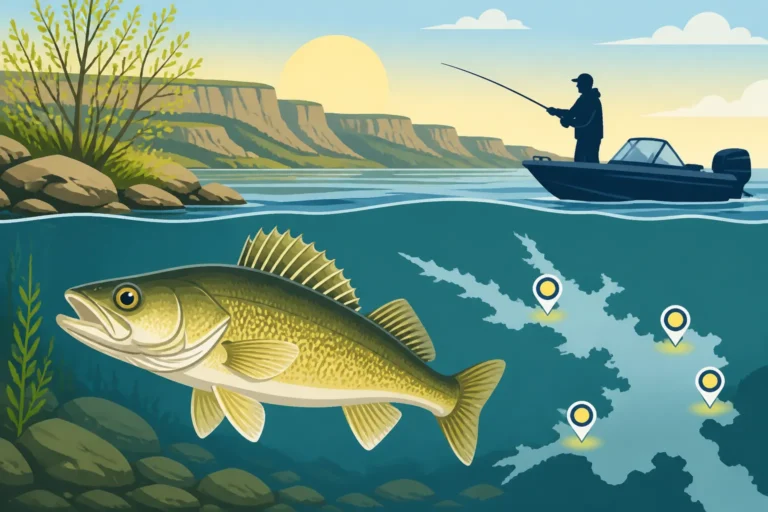
While not as famous for its walleye as Lake Sakakawea or Devils Lake, the Sheyenne River holds a healthy population of these prized game fish. River walleye often behave differently than their lake-dwelling cousins, typically being smaller but incredibly feisty. You'll generally find walleye in the central and lower reaches of the river, concentrating in deeper pools, current breaks behind structure like fallen trees or bridge pilings, and along the edges of the main channel.
Spring, shortly after ice-out, and fall, as water temperatures begin to drop, are often the most productive times for walleye. In spring, they'll be moving into shallower spawning areas, and then retreating to deeper holes. In fall, they feed aggressively to prepare for winter. Jigging with live minnows or artificial soft plastics, slowly bouncing them along the bottom, is a highly effective technique. Small crankbaits or spinner rigs trolled slowly through deeper runs can also entice strikes. During warmer summer months, they might move to even deeper, cooler water or become more active during low-light periods like dawn, dusk, or even at night. For more specific tactics, check out our North Dakota Walleye Fishing Guide.
Northern Pike: The River's Toothiest Predator
Northern pike are abundant throughout much of the Sheyenne River, from the narrow upper sections to the wide lower stretches. These aggressive predators love to hide in cover, making weed beds, fallen timber, and undercut banks their preferred ambush points. If you're looking for action, pike rarely disappoint.
They are active almost year-round, but spring and fall offer some of the most exciting fishing. In spring, after spawning, they'll be hungry and eager to hit anything that moves. Large spoons, spinnerbaits, and even topwater lures can draw explosive strikes from pike lurking in shallow cover. As summer progresses, they might move slightly deeper to cooler water but will still be close to weed lines. During the fall, they feed heavily, offering opportunities for trophy fish. Consider casting large, bright-colored crankbaits or throwing swimbaits into heavy cover. Using a stout rod and at least 20-pound braided line with a wire leader is highly recommended to prevent bite-offs from their razor-sharp teeth. For more in-depth advice on catching these toothy critters, read our North Dakota Northern Pike Fishing Guide.
Channel Catfish: The Bottom-Dwelling Brutes
If there's one species that truly thrives in the Sheyenne River, especially in its central and lower reaches, it's the channel catfish. These powerful fish can grow to impressive sizes in the river's rich environment, providing hard-pulling fights that are a blast on medium-heavy tackle.
The best time to target channel catfish is typically from late spring through early fall when water temperatures are warmest. They favor deep holes, log jams, and areas with slower currents and muddy bottoms. The lower stretches of the Sheyenne, where it widens and slows, are particularly productive, often yielding many fish in a single outing. Popular baits include cut bait (especially oily fish like sucker or goldeye), chicken livers, and various prepared "stink baits." Fishing on the bottom with a slip-sinker rig is the standard technique, allowing the bait to sit naturally in the current. Night fishing for catfish is exceptionally productive, as they become more active feeders after dark. Be sure to bring a strong headlamp and plenty of bait! Learn more about chasing these whiskered warriors in our North Dakota Channel Catfish Fishing Guide.
Yellow Perch and Panfish: Fun for Everyone
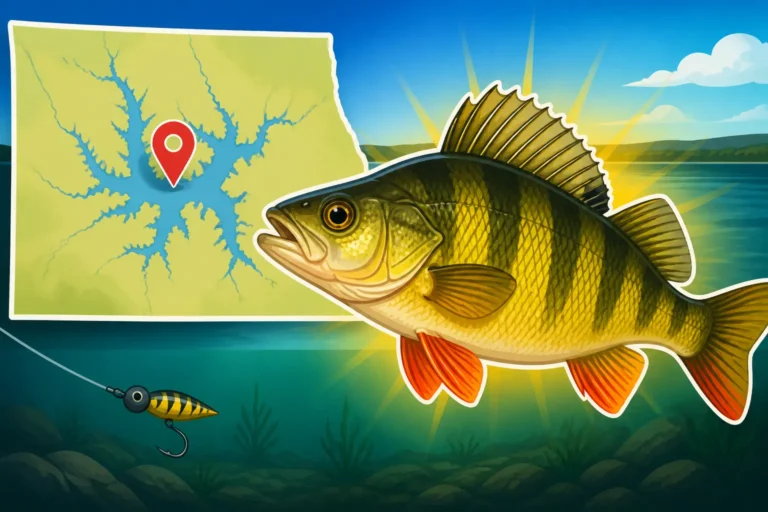
For a more relaxed day of fishing, or if you're introducing kids to the sport, the Sheyenne River's yellow perch and other panfish species like bluegill and crappie are an excellent option. While not usually trophy-sized, they offer consistent bites and are found throughout the river, often in calmer pools or backwater areas with plenty of submerged structure.
These fish are relatively easy to catch and can provide continuous action, especially during the warmer months. Small jigs tipped with a piece of worm, minnow, or even a small plastic grub, fished under a bobber, are deadly effective. They often congregate around docks, fallen trees, brush piles, or weed edges. The upper reaches of the river, being smaller and calmer, can be particularly good for finding schools of panfish. This makes for a great family outing or a relaxing afternoon if you're looking to simply enjoy the tug of a fish on your line.
Navigating the Seasons
Fishing on the Sheyenne River is a year-round affair, with each season offering unique opportunities.
- Spring (Ice-Out to June): As the ice recedes, the river comes alive. Walleye and northern pike become very active, feeding heavily after winter. Water levels can be high, so scout access points carefully.
- Summer (July-August): Warmer water means active catfish and panfish. Walleye and pike might be found in deeper, cooler holes or during low-light periods. This is a great time for an evening catfish trip.
- Fall (September-November): Many consider fall to be one of the best times to fish the Sheyenne. Fish feed aggressively, bulking up for winter. Walleye and pike bites intensify, and catfish remain active until water temperatures drop significantly. For more details on this productive period, check out our North Dakota Fall Fishing Guide.
- Winter (Ice Fishing): Yes, you can ice fish on the Sheyenne! Deeper, wider pools and backwater areas that freeze sufficiently offer opportunities for perch, pike, and even some walleye. Always prioritize ice safety.
Essential Gear and Techniques for Sheyenne River Success
To truly unlock the Sheyenne River's potential, having the right gear and understanding effective techniques will make a world of difference. Since it's a river, certain approaches work better than on a big lake.
Rod and Reel Setups for Versatility
Given the variety of species and fishing situations on the Sheyenne, a versatile rod and reel setup is highly recommended. You don't need a boatload of specialized gear, but a couple of go-to combos will serve you well.
- Medium Power Spinning Combo: This is your workhorse for most Sheyenne River fishing. A 6'6" to 7' medium power, fast action spinning rod paired with a 2500 or 3000 size spinning reel spooled with 8-12 lb monofilament or fluorocarbon, or 15-20 lb braided line, will handle everything from panfish to decent-sized walleye and pike. This setup is perfect for casting jigs, small crankbaits, and live bait. It's light enough for enjoyable panfish action but has enough backbone to handle a surprise pike or a feisty channel cat.
- Medium-Heavy Power Baitcasting or Spinning Combo: If you're specifically targeting larger northern pike or big channel catfish, stepping up your gear is a good idea. A 7' medium-heavy, fast action rod with a sturdy baitcasting or larger spinning reel (4000 series) spooled with 30-50 lb braided line will give you the power to wrestle fish out of heavy cover and stand up to their strong runs. This is especially useful in the lower river where big cats lurk.
Lures and Baits: Sheyenne River Favorites
Matching your bait to the target species and conditions is key.
- Jigs: Essential for walleye and panfish. Try 1/8 to 1/4 oz jigs tipped with live minnows, worms, or soft plastic grubs (like paddle tails or curly tails) in natural colors (green pumpkin, black) or brighter colors (chartreuse, orange) for stained water.
- Crankbaits: Great for walleye and pike. For walleye, small to medium-sized diving crankbaits in natural baitfish patterns or perch colors work well. For pike, larger, flashier crankbaits or lipless crankbaits can be very effective. Look for models that dive to 5-10 feet.
- Spinnerbaits and Spoons: Pike magnets! Brightly colored spinnerbaits (chartreuse, white, firetiger) or shiny spoons (silver, gold, five of diamonds) cast into weed lines or around cover will often draw aggressive strikes.
- Live Bait: Minnows (for walleye, pike, perch), worms (for panfish, catfish), and leeches (for walleye) are consistently effective.
- Catfish Baits: Cut bait (sucker, carp, goldeye), chicken livers, and commercial stink baits are top choices for channel catfish. Rig them on a sturdy hook with a slip sinker.
The Advantage of Kayaks and Small Boats
While there's plenty of good shore access, a kayak, canoe, or small jon boat significantly expands your fishing horizons on the Sheyenne River. These smaller watercraft allow you to access stretches of the river that are unreachable from the bank, opening up countless untouched pockets of fish-holding structure.
Navigating the Sheyenne in a small boat is generally quite manageable, though you should always be aware of potential shallow areas, submerged logs, and current. A portable depth finder can be invaluable for locating deeper holes and structure. Kayak fishing, in particular, has exploded in popularity on rivers like the Sheyenne, offering a quiet, stealthy approach that often allows you to get right on top of fish without spooking them. Remember to always wear your life jacket, especially when in a kayak or canoe, and be aware of changing weather conditions.
Shore Fishing and Wading Strategies
For those without a boat, the Sheyenne River remains an incredibly viable fishery. Shore Fishing Techniques for Beginners are often perfected on rivers like this. Many public access points, bridges, and parks offer easy bank access. When fishing from shore, focus on areas with natural or man-made structure that extends into the water – fallen trees, bridge pilings, rock piles, or current seams. These are prime ambush points for fish.
Wading can be an excellent strategy in the shallower, upper and central reaches of the river, allowing you to cover more ground and present your bait more effectively. Always wear appropriate waders and cleated boots for safety, and use a wading staff to test depth and footing, especially in areas with current. Stealth is important when wading; move slowly and cast ahead of yourself to avoid spooking fish. Whether you're casting from the bank or wading, remember to bring a reliable pair of polarized sunglasses to help you see into the water and identify potential fish-holding structure.
No matter how you plan to fish the Sheyenne, having an Essential Gear Checklist for North Dakota Fishing prepared before you head out is always a good idea. From basic tackle to safety equipment, being prepared ensures a more enjoyable and successful day on the water.
Disclaimer
Fishing laws and regulations are subject to change. Always consult the latest North Dakota Game and Fish Department proclamations and regulations before you go fishing. This guide is for informational purposes only and does not constitute legal advice.