Best Walleye Crankbait Colors for Lake Sakakawea
Trying to figure out which crankbait color will entice a walleye on a vast, dynamic lake like Sakakawea can feel like an overwhelming task. With changing light, water clarity, and seasonal patterns, it's easy to second-guess your tackle box choices. This guide is here to demystify the art and science behind choosing the most effective crankbait colors for North Dakota's premier walleye factory, helping you make confident selections every time you hit the water.
Understanding Walleye Vision and Color Perception
When we talk about crankbait colors, it’s not just about what we think looks good. It's crucial to put ourselves in the "fins" of a walleye and understand how they perceive their underwater world. Walleye have incredible adaptations that allow them to thrive in low-light conditions, which directly impacts how they see and react to different colors. It's a game of light, depth, and clarity, and once you grasp the basics, your color choices will become much more intuitive.
Light Conditions and Water Clarity Influence
The amount of light penetrating the water column, along with the water's clarity or murkiness, fundamentally alters how colors appear underwater. Think about how colors change when you wear polarized sunglasses—that's just on the surface! Underwater, colors are absorbed at different rates. Red, for instance, is the first color to disappear, typically vanishing at relatively shallow depths. Orange follows, then yellow, green, and finally blue. This is why a crankbait that looks vibrant red on the boat deck might appear brown or gray just a few feet down in the water.
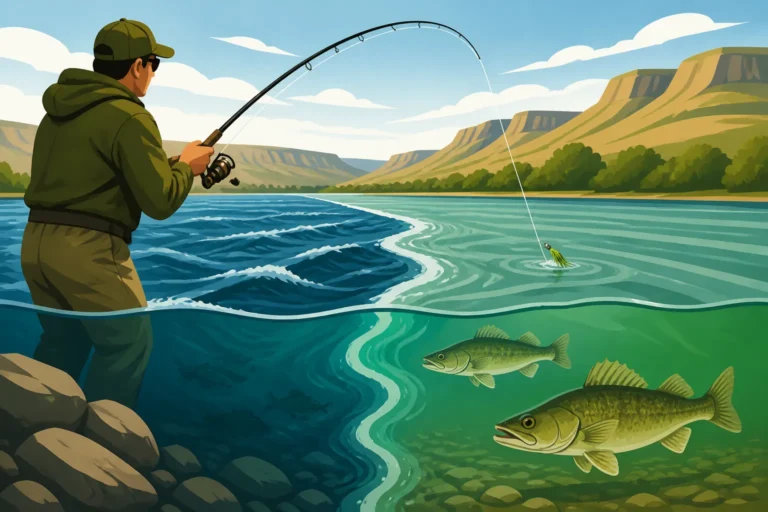
On bright, sunny days with clear water, natural, muted colors often excel because they mimic the walleye's natural forage. The abundant light allows all colors to be seen, but overly flashy or unnatural hues can sometimes spook fish. Conversely, on cloudy days, at dawn or dusk, or in stained or murky water, where light penetration is limited, those same natural colors might become invisible. This is where brighter, more fluorescent options come into play, as they can retain some visibility longer in low-light environments, giving the walleye something to key in on. Considering the sheer size and varying clarity of Lake Sakakawea, from its clearer western reaches to potentially more turbid areas after heavy rains, having a range of colors is essential.
Walleye Eye Structure and Sensitivity
Walleye are renowned for their incredible low-light vision, a trait that gives them a significant advantage over many prey species, especially during twilight hours or deep water. Their eyes contain a specialized layer called the tapetum lucidum, which reflects light back through the retina, effectively amplifying available light. This is similar to how a cat's eyes glow in the dark. This adaptation means walleye are particularly sensitive to light and movement, making them highly efficient predators in dimly lit environments.
Because of this heightened light sensitivity, certain colors and patterns might be more visible or, conversely, too harsh for them depending on the conditions. In extremely bright conditions, a highly reflective, chrome-colored bait might be overwhelming, leading fish to shy away. However, in low light, that same reflective property could be the very thing that helps them pick up on the bait's presence. Understanding this sensitivity helps us decide not just what color, but how much flash or vibrancy to present. It’s a delicate balance, and often, a subtle shift in hue or finish can make all the difference in triggering a bite. For more insights on their feeding habits, check out our comprehensive guide on North Dakota Walleye Fishing Guide.
Key Crankbait Color Categories for Lake Sakakawea
Navigating the vastness of Lake Sakakawea requires more than just knowing where the fish are; it demands an understanding of what makes them bite. When it comes to crankbaits, color is a huge part of that equation. You can generally break down effective walleye crankbait colors into a few key categories, each with its own strengths depending on the conditions you encounter. Having a well-rounded selection from each category will put you in a prime position to adapt to whatever the lake throws at you.
Natural Patterns for Clear Water and Bright Days
When Lake Sakakawea's waters are clear and the sun is high, walleye tend to be more scrutinizing. In these conditions, they're often feeding by sight, and baits that closely mimic their natural forage, like shiners, smelt, or perch, tend to be most effective. Colors such as silver, white, chrome, natural perch patterns, or subtle bluegill hues are fantastic choices. These natural patterns blend into the environment, offering a realistic presentation that doesn't scream "artificial."
Think about a common baitfish like a cisco or a smelt; they have shiny, silvery sides that reflect light subtly, often with darker backs to blend in from above. A crankbait with a chrome body and a blue or black back perfectly imitates this. Similarly, perch are a primary forage in many areas of Sakakawea, making crankbaits with green, yellow, and orange bars incredibly effective. These patterns are designed to fool the walleye into thinking it's an easy, natural meal, especially when the water clarity allows for detailed visual inspection. Many anglers find great success with these options when targeting walleye during the day or in shallower, clear sections of the lake. You can find a wide array of these realistic baits on platforms like Amazon, offering everything from classic Shad Raps to more specialized custom lures.
Bright and Fluorescent for Stained Water and Low Light
Conversely, when the water in Lake Sakakawea is stained from runoff, churned up by wind, or when you're fishing during those magical low-light hours of dawn, dusk, or even at night, visibility is severely reduced. This is where bright, fluorescent, and even glow-in-the-dark crankbaits truly shine. Colors like chartreuse, hot pink, firetiger, or bright orange don't rely on accurate color perception but rather on their ability to create a visible profile or contrast in murky conditions. Walleye will often detect these baits through movement and vibration first, and then the bright color provides just enough visual cue for them to strike.
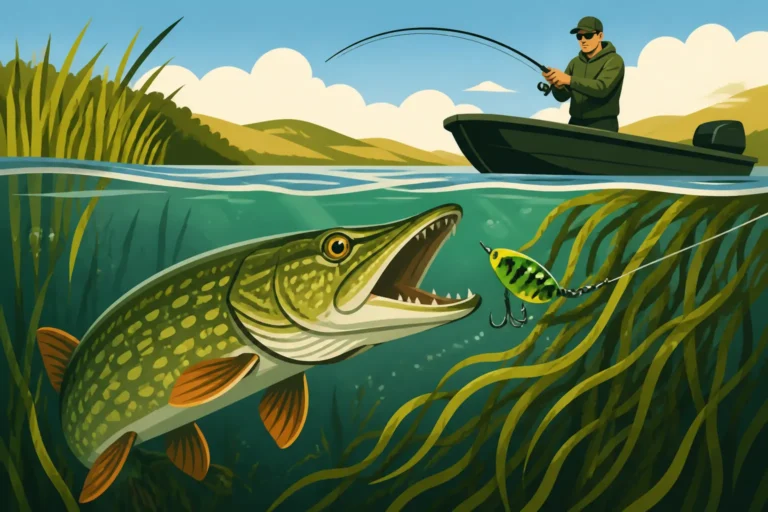
Firetiger, with its vibrant mix of green, orange, and yellow stripes, is a legendary pattern for stained water across the Midwest, and it’s no different on Sakakawea. The contrasting colors create a strong silhouette that fish can see from a distance, even when the water is muddy. Chartreuse is another consistent performer, often having a UV reactive property that makes it pop. These colors are not trying to mimic a specific baitfish; instead, they're designed to be noticed. If you're out there fishing in tough conditions, don't be afraid to tie on a crankbait that looks almost comically bright out of the water – it might be exactly what the walleye need to see. For more on angling in challenging conditions, consider reviewing our advice on Fishing During a Cold Front in North Dakota.
Contrasting Colors for Reaction Bites
Sometimes, walleye aren't actively feeding but can be coaxed into a "reaction strike." This is where crankbaits with sharp, contrasting color patterns come into play. These aren't necessarily natural or fluorescent; they are often combinations of two distinct colors, like black and silver, purple and white, or even black and orange. The stark contrast creates a very bold silhouette, often perceived as an injured or erratic baitfish, which can trigger an aggressive, territorial, or opportunistic strike from a walleye.
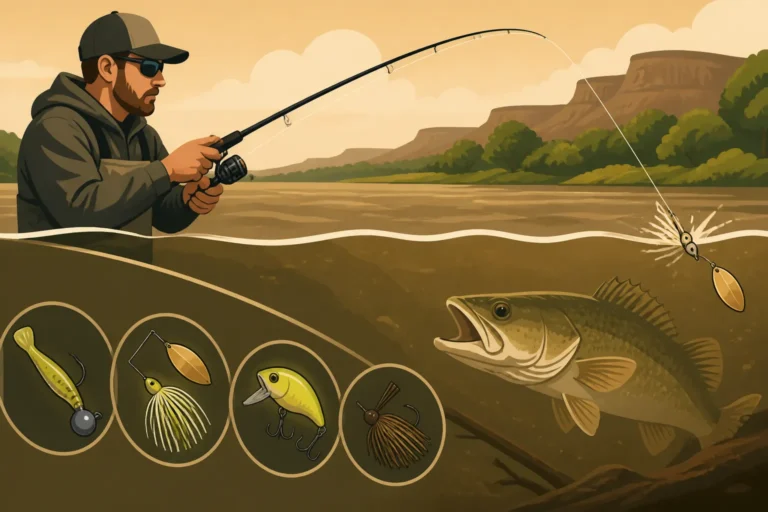
For example, a black back with a silver belly can be incredibly effective, especially in moderate clarity or overcast conditions. The dark back provides contrast against the sky, while the silver belly flashes when the bait shimmies. Another popular contrasting pattern is purple and white, especially effective during certain times of the year when walleye might be keying in on different forage or simply reacting to something that stands out. The key here is not to perfectly imitate, but to provoke. The sudden flash or the stark visual difference can often be enough to make a walleye commit, even if they're not in a full-blown feeding frenzy. Having a selection of these contrasting patterns, often found in popular brands like Rapala or Berkley on retail sites like Amazon, can really turn a slow day around.
| Color Category | Best Water Clarity | Best Light Conditions | Example Patterns | Target Walleye Behavior |
|---|---|---|---|---|
| Natural Patterns | Clear to Moderate | Bright Sun to Overcast | Silver, Chrome, Natural Perch, Bluegill | Actively Feeding by Sight |
| Bright/Fluorescent | Stained to Murky | Low Light (Dawn/Dusk), Cloudy | Chartreuse, Firetiger, Hot Pink, Orange | Seeking Visible Profile/Contrast |
| Contrasting Patterns | Moderate to Stained | Any (especially when fish are neutral) | Black/Silver, Purple/White, Black/Orange | Reaction Strikes, Aggressive Bites |
Top Crankbait Color Combinations for Different Seasons and Depths
Lake Sakakawea is a massive fishery, and what works in one bay in April might not cut it in a different section in August. Understanding how walleye behavior and their preferred forage change throughout the seasons and at various depths is critical to selecting the right crankbait color. It’s about adapting to the conditions and giving those walleye exactly what they’re looking for.
Spring and Early Summer Color Strategies
As the ice retreats and the waters of Lake Sakakawea begin to warm, walleye start to move shallower, often congregating in bays and along shorelines for spawning and early season feeding. During this time, the water can often be a bit stained from runoff, and the fish are typically recovering from the spawn, making them somewhat finicky. For spring and early summer, subtle yet visible colors are often the ticket.
Think about colors that offer a strong profile without being overly aggressive. Chartreuse and perch patterns with a good amount of yellow or green are excellent choices. Many anglers find that baits with a strong orange component, like "clown" patterns or bright orange bellies, really shine during this period. The orange mimics the belly of many baitfish species when viewed from below, and it's a color that penetrates moderately stained water well. Consider trolling these at shallower depths, typically 5-15 feet, depending on the specific structure and water temperature. Remember to pay close attention to the North Dakota Fishing Season Calendar for optimal timing. As the water clears and warms into early summer, don't be afraid to transition towards more natural silver/blue or silver/black patterns, especially on brighter days.
Mid-Summer Deep Water Color Choices
Once mid-summer arrives and the surface temperatures on Lake Sakakawea climb, many walleye retreat to deeper, cooler water. They'll often suspend over main lake basins or relate to significant underwater structures like humps, points, and channel edges. At these depths, light penetration is significantly reduced, and the walleye's incredible low-light vision becomes a major factor. This means your color choices need to account for what colors are still visible when sunlight barely reaches.
At deeper depths, blue and green spectrum colors retain their vibrancy the longest. Therefore, crankbaits with blue, green, silver, and even purple hues become extremely effective. Chrome/blue, chrome/green, or natural silver patterns with a slight blue tint are perennial favorites. Often, a subtle UV additive in the paint can make a huge difference, as it allows the bait to "glow" in the deeper, darker water. For techniques, consider how to fish Summer Walleye Trolling Techniques effectively for suspended fish. When targeting walleye that are holding near the bottom on deep humps or contours, a good fish finder is invaluable. You might also want to review Best Fish Finder Settings for Walleye to optimize your electronics for deep water. The key is to select colors that offer both contrast and some degree of visibility where direct sunlight is minimal.
Fall Transition and Low Light Options
The fall transition on Lake Sakakawea can be magical for walleye fishing, as fish begin to gorge themselves in preparation for winter. Water temperatures cool, and walleye often become more aggressive, moving into shallower feeding flats and points during prime feeding windows. However, fall also brings shorter days and often cloudier, windier conditions, meaning low light is frequently a factor.
During the fall, a mix of bright and contrasting colors often performs best. Firetiger, with its high contrast, can be deadly, especially when fish are chasing baitfish aggressively. Gold, orange, and even black-and-silver patterns can also be exceptionally productive. Gold is particularly effective in fall as it offers a warm, reflective flash that can imitate the dying weeds or specific baitfish. Often, it's about making a statement and getting the walleye's attention. As temperatures drop further, don't overlook baits with some red or orange in them, even if red theoretically disappears first. These colors can still provide a "bleed" effect in the water, mimicking injured baitfish. For more detailed strategies, our guide on Best Time of Day to Catch Walleye offers excellent insights into low-light feeding patterns that become even more pronounced in fall.
Beyond Color: Crankbait Action and Size Considerations
While crankbait color is undoubtedly important, it’s only one piece of the puzzle when it comes to consistently catching walleye on Lake Sakakawea. Even the perfect color choice won't yield results if the bait isn't presented correctly or if its other attributes aren't matching what the walleye are keying in on. To truly master crankbait fishing, you need to think about the entire package: how the lure moves, how big it is, and how it aligns with the local forage.
The Importance of Lure Action and Vibration
Walleye are highly attuned to vibrations and movement in the water, even before they see a lure. The action of a crankbait—its wobble, dive, and retrieve characteristics—sends out vibrations that walleye can detect with their lateral line system. This is a critical sense, especially in stained water or low-light conditions where visual cues are limited. Some crankbaits have a tight, subtle wiggle, while others have a wide, aggressive wobble. Understanding which action is appropriate for the conditions is just as important as the color.
For example, when walleye are lethargic or spooky, a subtle, natural swimming action might be more effective. A crankbait with a tight wobble, perhaps a "flicker shad" or "minnow" profile, can be incredibly enticing. Conversely, when fish are aggressive or when you're trying to cover a lot of water and draw them in from a distance, a crankbait with a wide, thumping wobble and loud rattles might be the ticket. Brands like Rapala with their Shad Rap and Original Floater lines, or Berkley with their Flicker Shads, offer a range of actions. Experimenting with different actions can often make the difference between a few bites and a full livewell. When trolling, the correct Best Crankbait Diving Depth for Trolling also works hand-in-hand with action to present the bait optimally.
Matching Hatch and Profile Size
Walleye are opportunistic feeders, but they often develop a "search image" for specific forage items that are abundant in their environment. This phenomenon, known as "matching the hatch," suggests that if the walleye are primarily feeding on 2-inch smelt, throwing a 5-inch crankbait might not be as effective. The size and profile of your crankbait should closely resemble the prevalent baitfish in Lake Sakakawea, which can vary by season and location. For instance, in areas where cisco or smelt are abundant, longer, slender minnow-profile crankbaits are often ideal. If perch are the primary forage, a shorter, fatter profile with a more aggressive wobble might be better.
Don't be afraid to vary your lure size based on the season and what the walleye are eating. Smaller baits (2-3 inches) can be deadly in the spring and early summer when baitfish are smaller, or when fish are pressured. Larger baits (4-6 inches) often excel in the fall when walleye are bulking up on bigger meals. Pay attention to your fish finder to spot bait balls; that can give you a clue about what size prey the walleye are targeting. Also, selecting the right rod can amplify your ability to present different lure sizes; consider reading up on the Best Walleye Rods for Lake Sakakawea for more details. Sometimes, a tiny change in profile can fool even the wariest of walleyes.
Experimentation and Local Patterns
The truth about walleye fishing on a lake as vast and diverse as Sakakawea is that there's no single "magic bullet" color or lure. Conditions change daily, even hourly, and what worked yesterday might not work today. Therefore, the most crucial tool in any walleye angler's arsenal is the willingness to experiment. Start with colors and actions that have historically produced in similar conditions, but always be ready to change if the fish aren't responding.
Pay attention to what other successful anglers are reporting, or consult local bait shops for current hot patterns. Keep notes on what colors, sizes, and actions worked on specific parts of the lake, at certain depths, and under various weather conditions. This personal data collection will build your expertise over time. Don't forget that many excellent crankbaits are available on Amazon, allowing you to easily research and acquire a wide variety of options for your tackle box. Always have a diverse selection of crankbaits, ranging in color, size, and action, and be confident in making adjustments until you find the winning combination. This spirit of ongoing learning and adaptation is what truly makes a great walleye angler.
Disclaimer
The information provided in this guide is for general informational purposes only. Fishing regulations, conditions, and fish behavior can change rapidly. Always consult the official North Dakota Game and Fish Department regulations and local advisories before heading out on the water. Fishing inherently involves risks; please prioritize safety and exercise caution at all times.