Best Jig Size for Perch Through the Ice
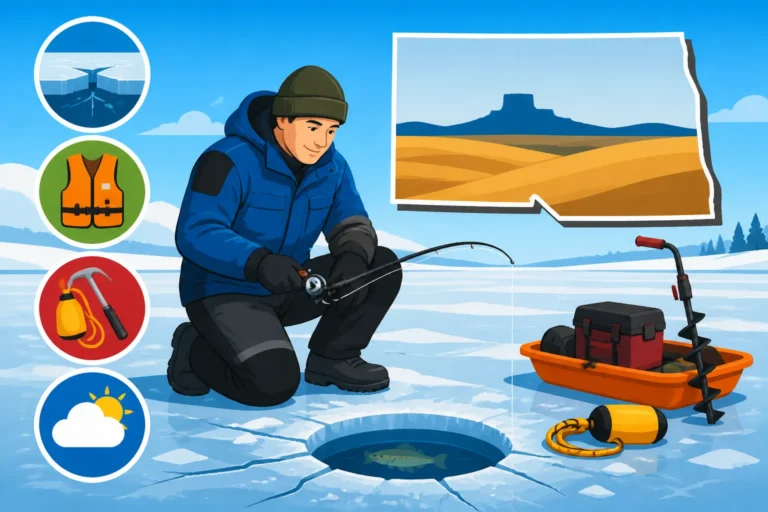
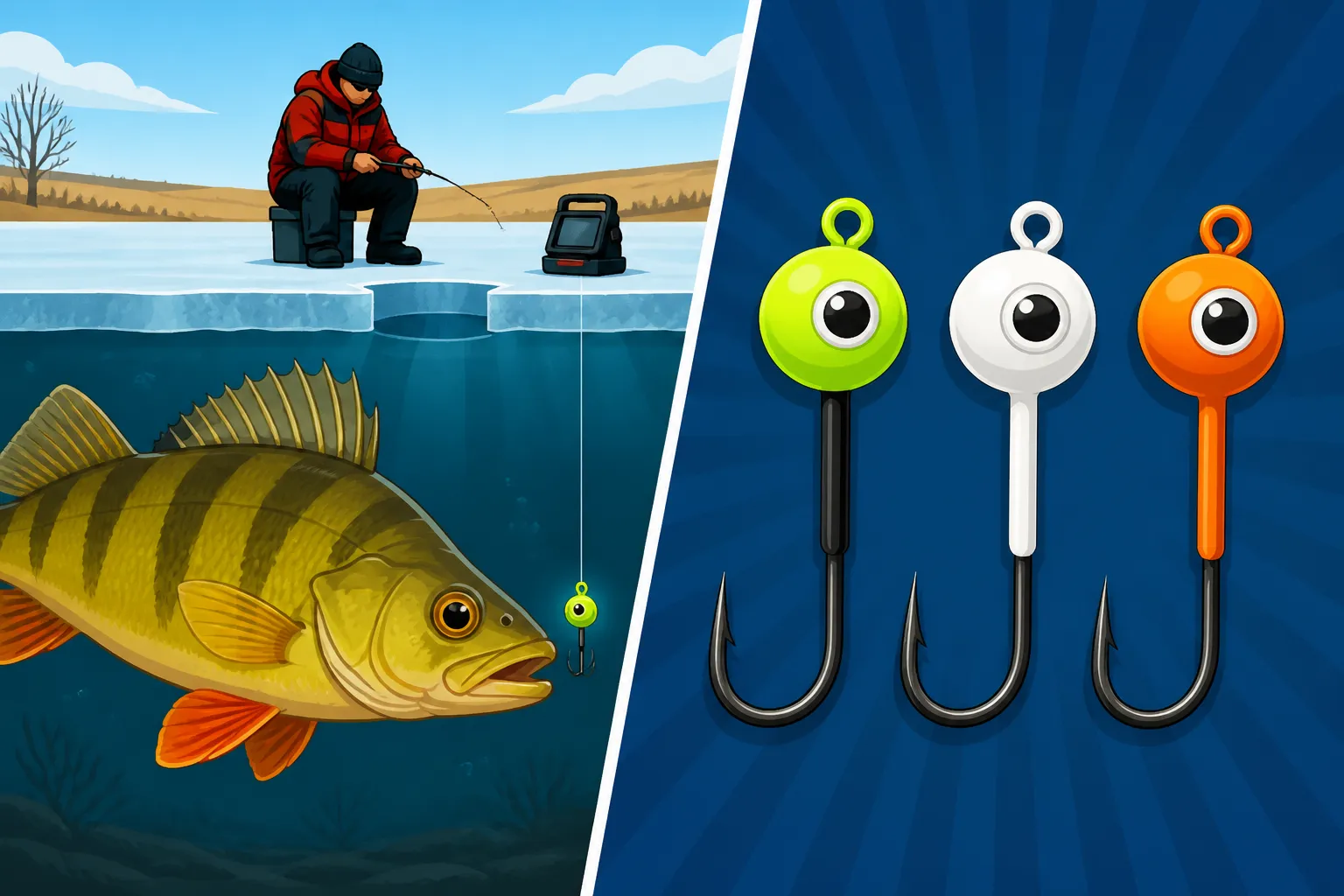
Oh, the eternal ice fishing question: what's the perfect jig size for those elusive North Dakota perch? It's a dilemma every ice angler faces, standing over a freshly drilled hole, staring at a tackle box overflowing with tiny lures. You want to tempt those finicky little buggers, but too big and they ignore it, too small and you can't feel it. It can be incredibly frustrating to know there are perch down there, but they just aren't biting what you're presenting. This guide will dive deep into the nuances of choosing the best jig size for yellow perch through the ice, helping you understand how to match your tackle to the conditions and increase your catch rate on North Dakota's frozen waters.
Understanding Why Jig Size Matters for Ice Perch
When you're out on a frozen lake like Devils Lake or Lake Ashtabula, trying to coax yellow perch into biting, the size of your jig is far more critical than you might imagine during open-water season. Perch in cold water behave differently than in warmer temperatures, and understanding these behaviors is key to success.
Perch Metabolism and Feeding Habits in Winter
Think about it: during the winter, everything slows down. That includes the metabolism of fish like yellow perch. Their energy levels are lower, and they're generally less willing to chase down a big, flashy meal. Instead, they're often looking for an easy, compact snack. This is why smaller presentations tend to be more effective. A tiny jig perfectly mimics a dormant insect larva, a small minnow, or another micro-organism that's easier for a lethargic perch to consume with minimal effort. If your jig is too large, it can simply appear intimidating or too much work for them to bother with, especially if they're not in an aggressive feeding mood. This isn't to say big jigs never work, but it certainly shifts the odds.
The Role of Presentation and Water Clarity
Beyond just the size of the offering, how that offering moves and looks in the water is equally important. North Dakota lakes can vary wildly in water clarity, from the stained, turbid waters of some bays on Devils Lake to the clearer expanses of Lake Sakakawea or other smaller fisheries. In clear water, fish have a better chance to scrutinize your bait. A jig that's too clunky or unnatural can be easily spotted and rejected. Conversely, in murkier conditions, a slightly larger jig might offer just enough presence and vibration to be detected, even if the perch can't see it perfectly. However, the jig still needs to move naturally. A heavy jig on light line will often plummet to the bottom like a stone, which rarely mimics natural prey. A lighter, appropriately sized jig will have a more subtle, enticing fall that can trigger a bite. The tiny profile also means less resistance, allowing for a more sensitive feel on your rod tip, which is crucial for detecting those often incredibly subtle perch bites through the ice.
Matching Jig Size to Specific Fishing Conditions
The "best" jig size isn't a fixed rule; it's a dynamic choice based on several factors unique to your fishing situation. Being able to adapt on the fly is what separates consistent anglers from those who struggle.
Water Depth and Current Considerations
One of the most immediate factors influencing jig size is the depth of water you're fishing and any presence of current. If you're targeting perch in shallow areas, say 5-10 feet, a very small, lightweight jig – like a 1/32 ounce or even 1/64 ounce – can be perfect. It allows for a slow, enticing fall, and you can easily feel its subtle movements. However, if you're fishing in 30-40 feet of water, that tiny jig might take forever to reach the bottom, and you'll have a hard time feeling it on your line, especially if it's windy. For deeper water, you'll need a heavier jig, perhaps 1/16 ounce or even 1/8 ounce, to get down efficiently.
Similarly, if you're fishing in an area with some subtle current, like near an inlet or outlet, or on a larger reservoir where water movement occurs, a slightly heavier jig might be necessary to maintain contact with the bottom and prevent your presentation from washing away too quickly. While North Dakota's ice fishing often takes place on relatively still bodies of water, understanding how your jig moves in varying depths and potential currents is key to maintaining control and presentation. This is where a good How to Read a Fish Finder for Ice Fishing can make all the difference, showing you exactly how your jig is behaving underwater.
Perch Activity Levels and Bait Choices
The mood of the perch is a huge determinant. Are they actively feeding and aggressive, or are they neutral and sluggish? An aggressive perch might be willing to hit a slightly larger jig or a small spoon. If you're on a hot bite and fish are practically jumping on your line, you might even size up a bit to get your bait back down faster and keep catching. However, more often than not, especially in colder mid-winter conditions, perch can be incredibly finicky. This is when smaller jigs, often in the 1/32 ounce to 1/16 ounce range, truly shine.
Your choice of bait also plays a critical role in jig size selection. If you're tipping your jig with small live baits like maggots, spikes, or wax worms, you'll want a jig size that complements them without overpowering them. A tiny 1/32 ounce tungsten jig with one or two spikes looks incredibly natural and irresistible to a finicky perch. If you're using slightly larger baits, like a small minnow head or a larger piece of plastic, you might opt for a 1/16 ounce or 1/8 ounce jig that can hold the bait securely and still present it effectively. The goal is always a natural, compact presentation that doesn't scream "artificial." Many anglers find that the right combination of jig and bait is often found through a bit of trial and error, so don't be afraid to experiment! For more on bait options, check out our guide on the Best Bait for North Dakota Fishing.
Here's a quick reference table to help guide your jig size selection:
| Fishing Depth | Perch Activity Level | Preferred Jig Weight (Approx.) | Typical Jig Style | Recommended Bait/Plastic |
|---|---|---|---|---|
| Shallow (5-15 ft) | Neutral to Active | 1/64 oz – 1/32 oz | Teardrop, Horizontal | Spikes, Small Plastics |
| Mid-Depth (15-25 ft) | Neutral | 1/32 oz – 1/16 oz | Teardrop, Horizontal | Spikes, Wax Worms |
| Mid-Depth (15-25 ft) | Active | 1/16 oz – 1/8 oz | Small Spoon, Horizontal | Minnow Head, Larger Plastic |
| Deep (25-40+ ft) | Neutral to Active | 1/16 oz – 1/8 oz | Tungsten Teardrop, Spoon | Wax Worms, Minnow Head |
| Any Depth | Highly Aggressive | 1/8 oz – 1/4 oz (for attraction) | Rattling Spoon | No Bait, Small Minnow |
Popular Jig Sizes and Styles for North Dakota Perch
Navigating the vast array of jigs available can be daunting. However, a few key sizes and styles consistently produce results for North Dakota perch anglers. Understanding the strengths of each will help you build a well-rounded tackle box.
Tiny Tungsten Jigs (1/64 oz to 1/16 oz)
Without a doubt, tiny tungsten jigs are the absolute workhorses for perch ice fishing, especially in North Dakota. Tungsten is much denser than lead, meaning a 1/32 ounce tungsten jig is physically much smaller than a lead jig of the same weight. This small profile, combined with its heavier weight, offers several distinct advantages. It gets down to the fish quickly, even in deeper water, and more importantly, it offers incredible feel. You can feel those subtle "ticks" and "pauses" that indicate a perch has inhaled your bait, even on a light jigging rod. Many experienced anglers swear by the sensitivity tungsten provides, allowing them to detect bites they might otherwise miss with lead.
For perch, 1/32 ounce and 1/16 ounce tungsten jigs are the most common and versatile sizes. The 1/32 ounce is fantastic for very finicky fish, clear water, or when you're fishing shallow. It presents a very small, natural target. The 1/16 ounce is a great all-around choice, offering a good balance of size and weight for most conditions, and it's easier to feel in deeper water or when there's a slight breeze. You'll find these in various shapes, from classic teardrops to horizontal jigs and those with small wings that give them a unique gliding action. Brands like VMC, Clam, and Northland offer excellent selections. When you're stocking up for your next Devils Lake adventure, a quick search on Amazon can reveal a huge selection of these tungsten micro jigs, often in multi-packs with various colors.
Small Spoons and Rattling Jigs (1/8 oz to 1/4 oz)
While smaller jigs often tempt the finicky eaters, sometimes you need to call in the cavalry. Small spoons and rattling jigs, typically in the 1/8 ounce to 1/4 ounce range, are excellent for attracting perch from a wider area, especially when they're more aggressive. A small spoon, like a Custom Jigs & Spins Slender Spoon or a Northland Forage Minnow Spoon, has a wobbling, fluttering action on the fall that mimics a wounded baitfish. This flash and movement can often trigger a reaction strike, even from perch that weren't actively feeding.
Rattling jigs, such as the VMC Tingler Spoon or a small Jigging Rap, add an acoustic element to the mix. The subtle rattle can be just enough to grab a perch's attention in darker water or when they're holding tight to the bottom. These larger baits are often used as "search lures" to locate schools of perch, and once fish are found, you might then switch to a smaller tungsten jig to seal the deal on more bites. They can also be fantastic when the perch are aggressively feeding, allowing you to catch bigger fish and often multiple perch in a short period. Don't be afraid to try a small minnow head on the treble hook of a spoon or rattling jig for added scent and visual appeal. You can find a good variety of these on Amazon too, making it easy to compare styles and colors.
Fine-Tuning Your Perch Jigging Approach
Selecting the right jig size is a significant step, but mastering ice fishing for perch means continually fine-tuning your presentation. Even the "perfect" jig needs the right touch to convert lookers into biters.
The Importance of Line Selection and Knots
It might seem secondary to jig size, but your fishing line plays a monumental role in how your jig performs and how well you detect bites. For ice fishing perch, ultra-light line is typically the way to go. Most experienced anglers use 2-4 lb test monofilament or fluorocarbon main line, sometimes with a very small fluorocarbon leader if they're using braided line. Why so light? Lighter line has less memory, which helps your jig fall more naturally and prevents coiling. More importantly, it has a smaller diameter, which reduces water resistance. This means your tiny jig will fall faster and more directly, and you'll have a much better feel for those incredibly subtle perch bites. When a perch mouths a tiny jig, it might just be a slight slackening of your line, or a barely perceptible "tick." Heavier line can mask these crucial signals.
Beyond line weight, the knot you use to tie on your jig is also critical. A strong, compact knot like a Palomar or an improved clinch knot ensures your jig hangs correctly and doesn't hinder its action. Avoid bulky knots that can affect the lure's balance. You want every element of your presentation to be as streamlined and natural as possible. Light line also pairs perfectly with the Best Ice Fishing Rods for Perch, which are designed for maximum sensitivity.
Reading Fish Reactions with Electronics
In modern ice fishing, your electronics are your best friend, especially when dialing in your jig presentation. A good flasher or an advanced unit with LiveScope capabilities allows you to see your jig in the water column and, crucially, how fish are reacting to it. Are they rising up to inspect your tiny jig? Are they ignoring it entirely? Are they approaching but then turning away? This visual feedback is invaluable for fine-tuning your jig size and presentation.
If fish are shying away from your 1/16 ounce jig, it might be a signal to switch to a smaller 1/32 ounce tungsten. If they're showing interest but not committing, perhaps a change in jig color, or adding more bait, or even a subtle jigging cadence change is needed. Sometimes, the perch are hugging the bottom so tightly that your jig needs to be almost motionless to tempt them. Other times, a vigorous series of lifts and drops can get their attention. By watching their reactions on your screen, you can quickly experiment with different jig sizes, actions, and baits until you find what triggers a strike. This kind of real-time feedback is an absolute game-changer for becoming a more efficient and successful ice angler, helping you hone your Perch Jigging Techniques for Devils Lake or any other North Dakota perch hot spot.
The Power of Experimentation and Subtle Movement
Ultimately, there's no single magic bullet when it comes to jig size. The best anglers are the ones who are willing to experiment and adapt. Start with a commonly successful size, like a 1/32 or 1/16 ounce tungsten jig tipped with a couple of spikes. If the fish aren't biting, don't be afraid to change. Try going even smaller, or switch to a slightly larger spoon to see if you can trigger a reaction. Change colors. Change bait. The perch on any given day might have a preference for something specific.
Beyond size, pay close attention to your jigging cadence. Sometimes a dead stick (a rod held perfectly still with a small jig) is the ticket. Other times, tiny, almost imperceptible quivers are what they want. Sometimes a sharp rip followed by a long pause. Perch can be very sensitive to these subtle movements. Think of it as a dance: you're trying to find the rhythm that the fish want to move to. Remember that small adjustments can make a huge difference in converting those curious looks into solid hooksets. Don't be afraid to have a second rod rigged with a different presentation – perhaps one with a tiny tungsten jig and another with a small rattling spoon – so you can quickly switch between options and discover what the perch are truly biting on. You might also want to explore our guide on How to Catch Perch Through the Ice in North Dakota for more detailed strategies.
Disclaimer
Fishing regulations, license requirements, and local conditions can change. Always consult the latest North Dakota Game and Fish Department regulations before heading out on the ice. Stay safe, be aware of ice conditions, and fish responsibly.