Best Bait for Channel Catfish in North Dakota
If you've ever spent hours by the water, rod in hand, waiting for that tell-tale tug from a powerful channel catfish in North Dakota, only to be met with frustrating silence, you know the struggle. Figuring out the absolute best bait for these aggressive bottom-dwellers can feel like a never-ending quest, especially with so many options out there. This guide is dedicated to cutting through the noise, offering practical, tried-and-true advice on the most effective baits to help you land those impressive whiskered warriors.
Understanding North Dakota Channel Catfish and Their Diet
To truly master the art of catching channel catfish, you first need to get inside their heads – or rather, their mouths! These fish are incredible opportunists and scavengers, known for their keen sense of smell and their willingness to sample just about anything that seems like an easy meal. But what they prefer can often depend on a few key factors.
What Makes Channel Catfish Tick? Their Natural Instincts and Feeding Habits
Channel catfish are primarily nocturnal feeders, though they're certainly not opposed to a daytime snack. Their superior olfactory senses allow them to detect food from a considerable distance, even in murky water or low light conditions. This is why strongly scented baits are so effective. They're also generalists, meaning their diet is incredibly varied. They'll eat insects, crustaceans, smaller fish, and even plant matter. Their feeding behavior often involves cruising along the bottom, using their barbels (whiskers) to "taste" and feel for potential food items. They're not particularly picky, but they are driven by scent and the promise of a substantial meal.
In North Dakota, you'll find healthy populations of channel catfish in larger river systems like the Red River and the Missouri River, as well as some of the larger reservoirs like Lake Oahe and the lower sections of Lake Sakakawea. Understanding their natural environment, such as the often turbid waters of the Red River, further emphasizes the importance of scent over sight. If you're looking for a deeper dive into these fish, check out our comprehensive guide on North Dakota Channel Catfish Fishing Guide.
Seasonal Changes in Catfish Diet
Just like us, catfish have changing appetites throughout the year. What works in the scorching heat of summer might not be as effective in the cool waters of spring or fall.
- Spring (Post-Spawn): After the spawn, typically in late spring or early summer when water temperatures are in the 70s Fahrenheit, catfish are often hungry and aggressive. They're replenishing energy, so they'll hit a wide variety of baits. Cut bait, worms, and stink baits are all excellent choices during this period. They're actively seeking out easily accessible, high-protein meals.
- Summer (Peak Activity): This is prime time for active catfish. Warmer water generally means higher metabolism, so they're feeding frequently. Stink baits and prepared baits really shine now, as their potent odors disperse quickly in the warm water, attracting fish from afar. Night fishing can be particularly productive during the hot summer months, a topic we explore further in Catfishing at Night in North Dakota. Strong currents in rivers can also be feeding hotspots where catfish ambush prey.
- Fall (Pre-Winter Build-Up): As water temperatures begin to drop, catfish start to bulk up for the colder months. They'll still be aggressive, but might lean towards larger, more substantial meals like large chunks of cut bait. Their activity might slow a bit, and they may move to deeper holes or slower currents. This can be a fantastic time for trophy catfish. You can learn more about the seasonal movements of these fish in our article on Best Time of Year for Catfish on the Red River.
- Winter (Slow Period): Catfish are much less active in cold water. They still eat, but their metabolism slows significantly. You'll need to present baits directly to them, usually in deeper, slower areas. Small pieces of cut bait or even worms can still entice a bite, but don't expect the aggressive strikes of summer.
The All-Stars: Top Baits for North Dakota Channel Catfish
When it comes to bait, the North Dakota catfish angler has a smorgasbord of choices. The key is knowing which one to pick for the situation at hand.
Natural Baits That Always Deliver
These are the classics, the baits that have put countless catfish in the cooler for generations. They're reliable, effective, and often readily available.
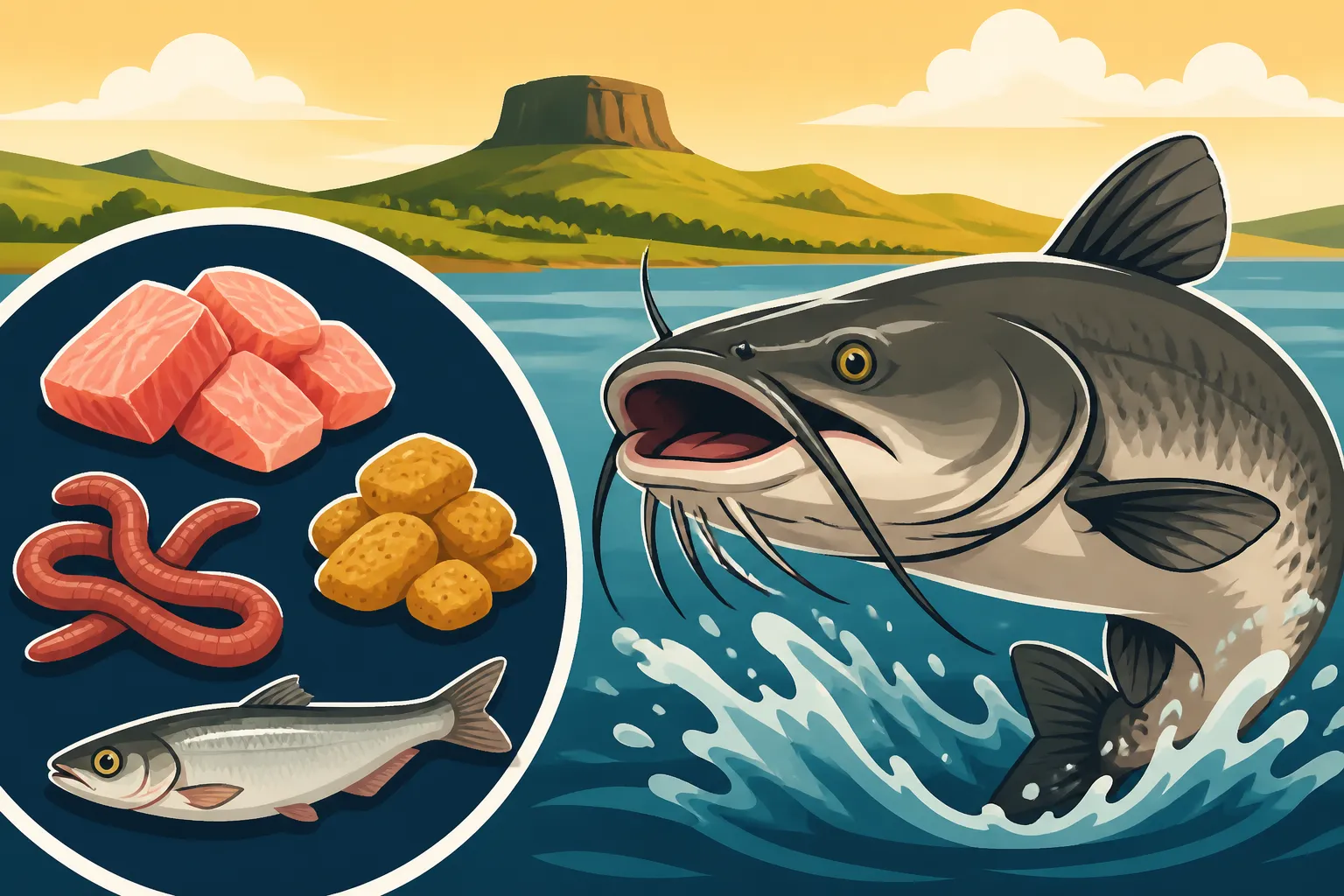
- Cut Bait: Hands down, this is often considered the king of catfish baits, especially for targeting bigger fish. Cut bait refers to pieces of smaller fish, like sucker, chub, goldeye, shad, or even carp, cut into chunks. The blood and oils released into the water are irresistible to catfish, tapping directly into their scavenging nature and powerful sense of smell. For best results, use fresh baitfish, and don't be afraid to use fairly large pieces, especially if you're after a trophy. Many anglers find the belly meat of a fresh sucker to be particularly effective. You can learn more about specific techniques in How to Rig Cut Bait for Catfish.
- Live Bait (Minnows & Worms): While not as potent as cut bait for scent dispersal, live minnows can be incredibly effective, especially if catfish are actively preying on smaller fish. Presenting a lively minnow on a hook can mimic natural prey and trigger an aggressive strike. Nightcrawlers or large garden worms are another timeless classic. They offer natural movement and scent, and nearly every fish species will hit a worm, making them a great all-around choice. For catfish, threading a few worms onto a hook or using a gob of them works best to create a larger, more enticing target.
- Chicken Livers: This might sound a little unconventional to some, but chicken livers are a long-standing favorite for many catfish anglers. They're incredibly soft and messy, which means they leak a lot of blood and scent into the water – precisely what a catfish is looking for. The challenge with chicken livers is keeping them on the hook, especially during a strong cast or in current. Many anglers will tie them to the hook with a small piece of thread or fishing line, or use specialized treble hooks with bait keepers. You can often find them readily available at local grocery stores or butchers.
Prepared Baits: The Stinkier, The Better
If you want to maximize scent and draw catfish from a distance, prepared baits are your go-to. These are engineered to be incredibly odorous and irresistible.
- Stink Baits: The name says it all. Stink baits are formulated with a strong, often pungent odor designed specifically to attract catfish. They come in various forms:
- Dip Baits: These are thick, sticky concoctions that you "dip" a specially designed bait worm or sponge onto. Brands like Catfish Charlie or Sonny's Super Sticky are popular choices. The bait worm holds the dip bait, slowly releasing its scent.
- Punch Baits: Similar to dip baits but often thicker, allowing you to "punch" a treble hook directly into the container to load it up. Danny King's Punch Bait is a well-known option that adheres well to a hook. These baits are fantastic for their long-lasting scent trail.
- Dough Baits: These are often softer, moldable baits that can be kneaded around a hook. While some are less potent than true stink baits, many have strong fish or cheese odors. They're generally easier to handle than dip or punch baits and can be found in various textures and scents.
You can find a wide variety of these prepared baits, along with specialized bait holders, available on Amazon, making it easy to experiment with different options.
The Unexpected Winners
Sometimes, the best bait isn't found in a tackle shop at all, but in your kitchen! These unconventional baits can be surprisingly effective.
- Hot Dogs: Yes, plain old hot dogs! Many experienced catfish anglers swear by them. Cut into coin-sized pieces, hot dogs are relatively firm, stay on the hook well, and have a unique processed meaty scent that catfish seem to enjoy. You can even "jazz them up" by soaking them in garlic powder or cherry Kool-Aid for an extra attractant. They're cheap, easy to find, and can be a fantastic emergency bait.
- Marshmallows: Believe it or not, marshmallows, particularly scented ones (like strawberry), can attract catfish. They float, which can be an advantage for presenting bait slightly off the bottom, and their sweetness seems to appeal to some catfish, especially smaller ones. They're not a primary choice for trophy hunting, but they can definitely put fish in the boat on slower days.
- Soap: While it sounds wild, chunks of strong-smelling soap (like Ivory or Zote) have a cult following among some old-school catfishermen. The idea is that the strong, lingering scent attracts catfish out of curiosity or an exploratory feeding instinct. This is definitely one for the adventurous angler, but it's worth noting that it's a tactic many swear by!
- Shrimp: Raw shrimp from the grocery store, especially if it's a bit older and has a stronger smell, can be excellent catfish bait. The natural scent and texture are appealing, and it stays on the hook reasonably well. It's a bit pricier than other options, but it can be very effective, particularly in areas where crustaceans are part of the catfish's natural diet.
Mastering Your Bait Presentation for North Dakota Catfish
Having the best bait in the world won't do you much good if you don't present it effectively. The way you rig your bait and where you cast it are just as crucial as the bait itself.
Rigging Your Bait for Success
The goal of your rig is to keep your bait where the catfish are, present it naturally, and ensure a solid hookset.
- Carolina Rig: This is perhaps the most popular and versatile rig for channel catfish. It consists of a slip sinker (often an egg sinker or no-roll sinker) on your main line, followed by a bead (to protect the knot), a swivel, and then a leader (usually 12-24 inches) tied to your hook. The slip sinker allows the line to pass through freely, so a biting catfish doesn't feel the weight of the sinker, giving you a better chance to set the hook. This rig works well for both stationary fishing and for slowly dragging bait along the bottom.
- Slip Sinker Rig: Similar to a Carolina rig but often simpler, with just a slip sinker above a swivel, then the leader and hook. It's a reliable setup for bottom fishing, keeping your bait in the strike zone while minimizing resistance to the fish.
- Knocker Rig: For fishing in heavier current or directly over structure, a knocker rig can be effective. This rig involves tying your hook directly to your main line, and then sliding a barrel sinker down the line so it rests right on top of the hook. This keeps the bait firmly on the bottom and allows the sinker to "knock" against the bottom, creating extra vibration that can attract curious catfish.
- Hook Choices: For channel catfish, you generally want strong, sharp hooks. Circle hooks are highly recommended because they are designed to hook fish in the corner of the mouth, leading to fewer gut-hooked fish and making catch-and-release easier (if you choose to release some, keeping within North Dakota Catfish Limit Rules). Sizes typically range from 2/0 to 8/0, depending on the size of your bait and the catfish you're targeting. Using a sturdy, braided line is also often preferred for catfish, as discussed in our guide on Best Braided Line Pound Test for Catfish.
Where and When to Deploy Your Bait
Understanding catfish habitat and their preferred feeding times will significantly increase your success rate.
- Structure: Catfish love structure – anything that provides cover, current breaks, or ambush points. Look for submerged logs, rock piles, drop-offs, bridge pilings, and even old tires or debris. In rivers like the Red River or the Missouri River, deeper holes and the outside bends of channels are often prime locations. These areas concentrate baitfish and provide excellent hiding spots for catfish. Our article on Channel Catfish Habitat on the Red River provides more specific insights into where to find these fish.
- Current Seams: In rivers, areas where fast current meets slower water (current seams) are feeding highways for catfish. They can sit in the slower water, expending less energy, while waiting for food to drift by in the faster current. Casting your bait just into or along these seams can be incredibly productive. If you're fishing from a boat, knowing How to Anchor a Boat on the Red River can be critical for staying on these productive spots.
- Time of Day: As mentioned earlier, catfish are often most active from dusk through dawn. The low light conditions give them an advantage due to their superior sense of smell. So, don't be afraid to try night fishing, especially during the warmer months. However, they'll still bite during the day, particularly on overcast days or in deep, turbid water. On the other hand, early mornings can be fantastic as well, right as the sun is starting to peek over the horizon.
- Seasonal Movements: Remember how catfish diet changes with the seasons? Their location does too. In spring, they might be shallower, near spawning grounds or newly flooded areas. In summer, they might move to deeper, cooler water during the day, then roam shallower flats at night. Fall sees them moving back into deeper river channels and holes. Consult the North Dakota Fishing Season Calendar to align your fishing trips with peak activity times.
DIY Catfish Baits and Storage Tips
For those who love a good project or want to save a few bucks, making your own catfish bait can be a fun and surprisingly effective endeavor. Plus, knowing how to store your bait properly ensures it stays fresh and potent.
Crafting Your Own Potent Brews
There's a certain satisfaction that comes from catching a fish on bait you made yourself. Here are a couple of popular DIY options.
- Fermented Cut Bait: This is a classic for a reason – it works. Take a jar or bucket with a tight-fitting lid, add chunks of baitfish (sucker, carp, shad), and then cover them with water. Let it sit in the sun for several days to a week (or more, if you can stand the smell!). The fermentation process creates an incredibly strong, pungent odor that catfish can't resist. Just be warned: the smell is intense, so this is best done in a well-ventilated area, far from your house! The resulting liquid and mushy bait can be used as a dip bait or packed onto a sponge.
- Homemade Stink Baits: There are countless recipes online for homemade stink baits, often involving a blend of cheese, garlic, flour, blood, and various "secret" ingredients like anise oil or fermented corn. The key is to create a gooey, odorous mixture that adheres to a hook or a bait holder. Experimentation is half the fun! Many anglers believe that the consistency needs to be just right – not too runny that it washes off, but not too stiff that it doesn't release scent. You might find a favorite recipe that beats anything you can buy in a store.
Keeping Your Bait Fresh and Effective
Proper storage is crucial, especially for natural and homemade baits, to ensure they remain potent and safe to handle.
- Refrigeration/Freezing for Natural Baits: Fresh cut bait or chicken livers should be kept cold, ideally on ice in a cooler, until you're ready to use them. If you have extra, freezing them in small, individual portions is an excellent way to preserve them for future trips. Thaw them slowly in the refrigerator before use.
- Airtight Containers for Prepared/Homemade Baits: For stink baits, punch baits, or your own fermented concoctions, always use airtight containers. Not only does this keep the potent odors contained (which your family and fellow anglers will appreciate!), but it also helps prevent the bait from drying out or spoiling prematurely. Some prepared baits, especially those with natural ingredients, might also benefit from refrigeration after opening.
- Preventing Spoilage: Always avoid direct sunlight and extreme heat for most baits. If a bait smells off in a way that isn't its intended "stink," it's probably best to discard it. Contaminated bait can be ineffective and, in some cases, even harmful to the fish or environment if introduced in large quantities.
| Bait Type | Pros | Cons | Best Use |
|---|---|---|---|
| Cut Bait | Strong, natural scent; attracts big fish; versatile. | Can be messy; requires baitfish preparation. | Trophy hunting, river fishing, active catfish. |
| Chicken Livers | Highly scented; affordable; widely available. | Very soft; hard to keep on hook; messy. | Still water, shorter casts, strong current if tied on. |
| Nightcrawlers | Universal appeal; easy to find; natural movement. | Can attract smaller fish; less scent than cut/stink bait. | All-around fishing, slow days, when other species are present. |
| Stink/Punch Baits | Maximum scent dispersion; attracts from afar; long-lasting. | Messy to handle; strong, lingering odor; specialized holders needed. | Turbid water, warm water, targeting active catfish from a distance. |
| Hot Dogs | Cheap; easy to use; stays on hook well; decent scent. | Not always as effective as natural or prepared baits. | Casual fishing, backup bait, good for kids. |
| Shrimp | Natural scent and texture; stays on hook. | More expensive; can attract other species. | General catfish bait, when other options aren't working. |
No matter which bait you choose, remember that patience and persistence are your greatest allies when chasing North Dakota channel catfish. Pay attention to your surroundings, adapt to conditions, and don't be afraid to experiment. Happy fishing!
Disclaimer
Fishing regulations, including bait restrictions and limits, can change. Always consult the latest North Dakota Game and Fish Department proclamations before heading out on the water. This article is intended for informational purposes only and does not supersede official regulations.