How Cold It Gets Ice Fishing in North Dakota
For anyone who's ever dreamed of the ultimate North Dakota ice fishing adventure, the thought of hitting the hard water often comes with a chilling question: just how cold does it really get out there? It's a valid concern, because while the bite can be incredible beneath the ice, the elements above can be unforgiving. This guide is here to give you a realistic picture of North Dakota's winter chill, explain what makes it feel so cold, and equip you with the knowledge to stay safe and comfortable, no matter what the thermometer says.
Understanding North Dakota's Winter Climate for Anglers
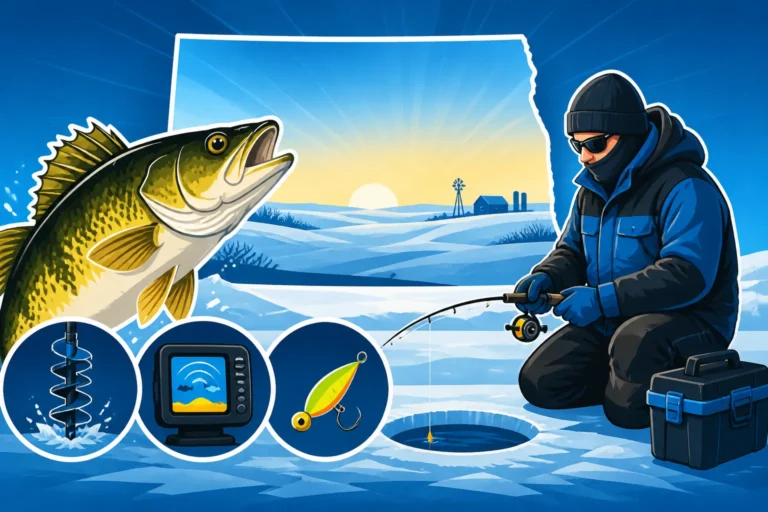
North Dakota winters aren't for the faint of heart, but they are absolutely incredible for ice fishing. We experience a truly continental climate, which means cold, dry air masses often sweep down from the Arctic, bringing some seriously frigid temperatures. When you're standing on a vast expanse of frozen lake, like Lake Sakakawea or Devils Lake, you feel every bit of that northern chill.
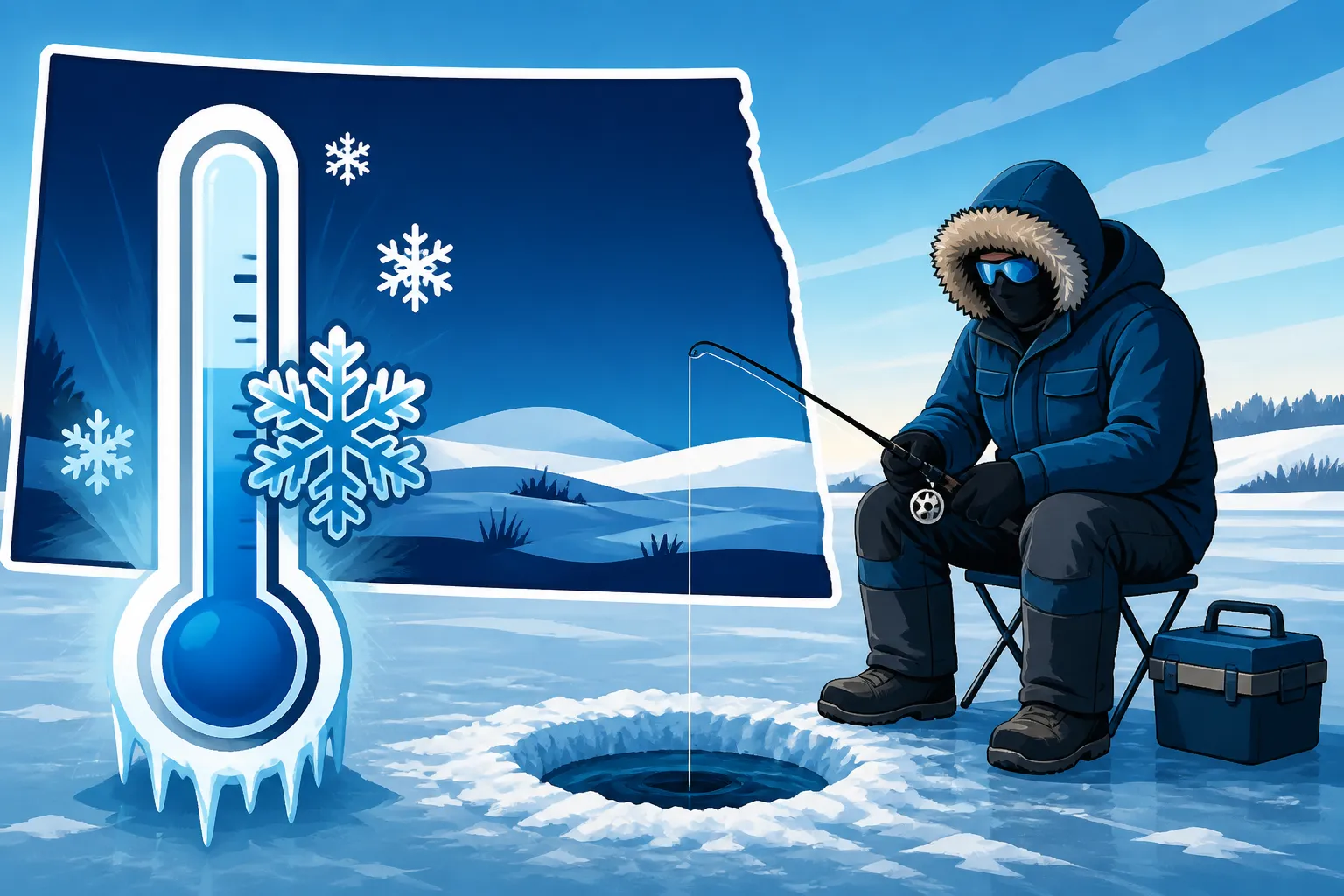
Typically, throughout December, January, and February – our prime ice fishing months – daytime high temperatures often hover in the single digits or even dip below zero Fahrenheit. Nighttime lows can easily plunge into the negative teens, 20s, or even 30s. I know, it sounds brutal, and sometimes it truly is. But here's the kicker: the number on the thermometer is only part of the story. The real challenge, and what makes the cold truly bite, is the wind chill. A relatively mild 10-degree Fahrenheit day can feel like -20 degrees with a brisk 20 mph wind, cutting right through inadequately prepared clothing. This is a common frustration for newcomers and even seasoned anglers who underestimate the prairie wind. Knowing the North Dakota Fishing Season Dates and Limits can help you plan, but always remember that the weather can change quickly.
We often have periods of sustained cold, sometimes stretching for weeks, where the mercury barely climbs above zero. Then there are the occasional "polar vortex" events or extreme cold snaps that push temperatures into the -30s or -40s before even factoring in the wind. During these times, the ice thickens rapidly, but the risks to anglers also increase significantly. It's during these moments that proper preparation isn't just about comfort, but about safety.
The Real Feel: Factors Influencing Perceived Cold on the Ice
It’s one thing to see a temperature reading on your phone, but it’s an entirely different experience when you’re out on the wide-open ice. Many factors combine to create that "real feel," and understanding them is key to truly preparing for a successful, and comfortable, day of ice fishing.
The Relentless North Dakota Wind
If you've spent any time in North Dakota, you know the wind is a constant companion, especially in winter. On the ice, there's nothing to block it. This means that a relatively mild air temperature can feel absolutely frigid when combined with even a moderate breeze. Wind chill is essentially how cold it feels on exposed skin due to the combined effect of wind and temperature. A stiff 15-20 mph wind on a 0-degree Fahrenheit day can make it feel like -25 degrees, and that's enough to cause frostbite in minutes if you're not protected. This is often the biggest complaint I hear from anglers: "I was dressed for the temperature, but the wind just cut right through me!" It’s crucial to select gear specifically designed to block this relentless wind, especially if you plan to be out in the open. For maximum comfort and protection against this, consider checking out articles like Best Portable Ice Shelters for Wind.
The Role of Humidity and Sunlight
While North Dakota winters are generally quite dry, which can sometimes make the cold feel less penetrating than a damp cold at the same temperature, humidity can still play a role. However, it's often overshadowed by the wind. More deceiving, perhaps, is the sun. A bright, sunny winter day might trick you into thinking it's warmer than it actually is. The sun can feel nice on your face, but it doesn't do much to warm the air or stop the wind. Many an angler has been lured out by a "beautiful, sunny day" only to find themselves shivering as soon as they stop moving or the sun ducks behind a cloud. Always prioritize protection from the wind and ambient air temperature, rather than relying on solar warmth. If you're heading to a popular spot, understanding details specific to that body of water, like How Cold It Gets Ice Fishing on Devils Lake, can give you a better idea of what to expect from the microclimate.
The Game Changer: Ice Fishing Shelters
Perhaps the single biggest factor in mitigating the extreme cold is a good ice fishing shelter. There’s a world of difference between sitting out in the open, exposed to every gust, and being tucked inside a well-insulated, heated shack. Even a basic flip-over style shelter provides a significant windbreak, raising the perceived temperature by many degrees. Add a portable heater, and you can transform a -10-degree day into a shirt-sleeve experience inside your shelter. Modern shelters are designed for quick setup and portability, making them indispensable for staying warm. They block the wind, trap body heat, and allow you to enjoy the fishing without battling the elements constantly. This truly is where you can make or break your comfort level for a day on the ice.
Preparing for Extreme Cold: Essential Gear and Layering Strategies
When it comes to ice fishing in North Dakota, your gear isn't just about catching fish – it's about survival and comfort. Trying to skimp on proper clothing is a recipe for a miserable, and potentially dangerous, experience. Here's how to gear up effectively for the deep freeze.
The Foundation: Layering for Success
The key to staying warm in extreme cold is layering. Forget that one big, bulky coat; multiple thinner layers trap air more efficiently, providing better insulation, and you can adjust them as conditions or your activity level change. Think of it in three main parts:
- Base Layer (Wicking): This is the layer against your skin. Its primary job is to wick moisture (sweat) away from your body. Cotton is a no-go here because it holds moisture and will make you cold. Instead, opt for synthetic materials like polyester or natural fibers like merino wool. Merino wool is a personal favorite because it's incredibly warm, still insulates when damp, and resists odors. You can find excellent base layers on Amazon from brands known for outdoor gear.
- Mid-Layers (Insulation): These layers provide the bulk of your warmth. Fleece jackets, down vests, or synthetic insulated jackets work perfectly. The number of mid-layers you wear will depend on the day's temperature and your activity level. If it's truly brutal, you might wear two or even three mid-layers.
- Outer Layer (Protection): This is your shield against the elements. It needs to be windproof, waterproof (or highly water-resistant), and heavily insulated. Many experienced ice anglers swear by a full ice fishing suit (bibs and a jacket) specifically designed for cold weather. These suits often have features like reinforced knees, flotation assistance (a huge safety bonus), and plenty of pockets. Brands like Eskimo, Clam, and Striker are popular choices, and while they are an investment, they are worth every penny for the protection they offer. Learn more about selecting this crucial attire in our guide on What to Wear Ice Fishing in North Dakota.
Protecting Your Extremities
Your head, hands, and feet are where you lose the most heat, and they're also most susceptible to frostbite. Don't neglect them!
- Head: A good, insulated winter hat that covers your ears is essential. On extremely cold or windy days, a balaclava or neck gaiter worn under your hat can make a huge difference, protecting your face, nose, and neck.
- Hands: This is tricky because you need warmth but also dexterity to tie knots or handle fish. A common strategy is to layer: wear thin liner gloves for dexterity, and then put on heavily insulated, waterproof mittens or convertible mittens (that expose your fingers when needed) over them. Keep extra pairs of dry gloves on hand. Hand warmers, easily bought in bulk on Amazon, can be a lifesaver, especially if you place them inside your mittens.
- Feet: Invest in high-quality, insulated winter boots rated for extreme cold (e.g., -40F or colder). Paired with thick wool or synthetic thermal socks, these will keep your toes toasty. Avoid cotton socks at all costs. Again, Amazon offers a wide selection of highly-rated winter boots for comparison. You'll find a more extensive list of options in Best Cold Weather Gear for Ice Fishing.
Beyond Clothing: Essential Gear for Warmth
Your clothing is crucial, but other pieces of gear significantly enhance your comfort in the cold:
- Portable Heaters: For inside your ice shelter, a portable propane heater is a game-changer. Ensure it's rated safe for indoor use and has an oxygen depletion sensor. This turns a frigid day into a pleasant one. You can read up on selecting the right one in Best Portable Heater for an Ice Shelter.
- Ice Shelter: As mentioned, a well-insulated ice fishing shelter is your mobile warm zone. Whether it's a flip-over, hub-style, or permanent shack, it provides critical protection from wind and cold. Check out our guide on Best Ice Fishing Shelters for North Dakota for detailed recommendations.
- Hot Drinks and High-Calorie Snacks: A thermos full of hot coffee, tea, or cocoa provides internal warmth and a morale boost. High-calorie snacks like energy bars, nuts, and jerky give your body fuel to generate heat.
- Power Ice Auger: While not directly for warmth, struggling with a manual auger in sub-zero temps can quickly sap your energy and generate sweat, which then makes you colder. A good power auger, whether gas or electric, makes quick work of drilling holes, keeping you warmer and more efficient. Explore options in Best Ice Auger Brands for North Dakota.
Staying Safe and Warm: Tips for a Successful Cold-Weather Trip
Even with the best gear, ice fishing in North Dakota's extreme cold requires vigilance and smart practices to ensure your safety and enjoyment. It's not just about enduring the cold, but respecting it.
Monitor Yourself and Your Companions
The biggest dangers in extreme cold are hypothermia and frostbite. Don't let the excitement of fishing distract you from these serious risks.
- Hypothermia: This occurs when your body loses heat faster than it can produce it, leading to a dangerously low body temperature. Symptoms include shivering, confusion, slurred speech, clumsiness, and drowsiness. If you or a fishing buddy show these signs, get to a warm, dry place immediately, remove wet clothing, and provide warm drinks.
- Frostbite: This is injury to body tissue caused by freezing. It most commonly affects fingers, toes, ears, and nose. Skin might look waxy, grayish, or blistered, and feel numb or tingly. Never rub frostbitten areas; slowly rewarm them in warm (not hot) water, and seek medical attention.
- Stay Hydrated and Fueled: It might seem counterintuitive to drink water in the cold, but dehydration can hinder your body's ability to regulate temperature. Drink plenty of non-alcoholic fluids and eat high-calorie foods to keep your internal furnace burning.
The Buddy System and Warming Strategies
Never, ever fish alone in extreme cold. Having a fishing partner means you have someone to help if you encounter a problem, whether it's falling through the ice (though proper How Thick Ice Needs to Be for Ice Fishing is key to avoiding this) or showing signs of hypothermia. Even if you're in a heated shelter, having another person there for safety and camaraderie is invaluable.
- Take Breaks: Don't feel pressured to stay out in the elements for too long. If you're getting cold, take a break in your heated shelter, or better yet, warm up in your vehicle if it's nearby. Periodically warming up completely can reset your core temperature and make your time on the ice much more enjoyable and safer.
- Stay Dry: Wet clothes lose their insulating properties rapidly. If you get wet, change into dry layers immediately. This is why having extra socks and base layers is so crucial.
- Know When to Call It: There will be days when the cold is simply too extreme, even for the most prepared angler. If you're feeling miserable, losing feeling in your extremities, or the conditions become unsafe (e.g., whiteout blizzard), don't hesitate to pack up and head home. The fish will be there another day. Always prioritize your safety and comfort over catching a few more fish. For more on ensuring your outings are secure, consult our Early Ice Fishing Safety Tips and remember to How to Check Ice Thickness Safely.
Ice fishing in North Dakota's cold can be an incredibly rewarding experience, offering some of the best fishing opportunities of the year. With the right knowledge, gear, and a healthy respect for the elements, you can stay warm, safe, and enjoy everything our frozen lakes have to offer.
Disclaimer
This article is for general informational purposes only and does not constitute professional advice. Laws, prices and regulations vary by location and change over time. Consult a qualified professional for guidance on your specific situation.