Fly Fishing the Sheyenne River
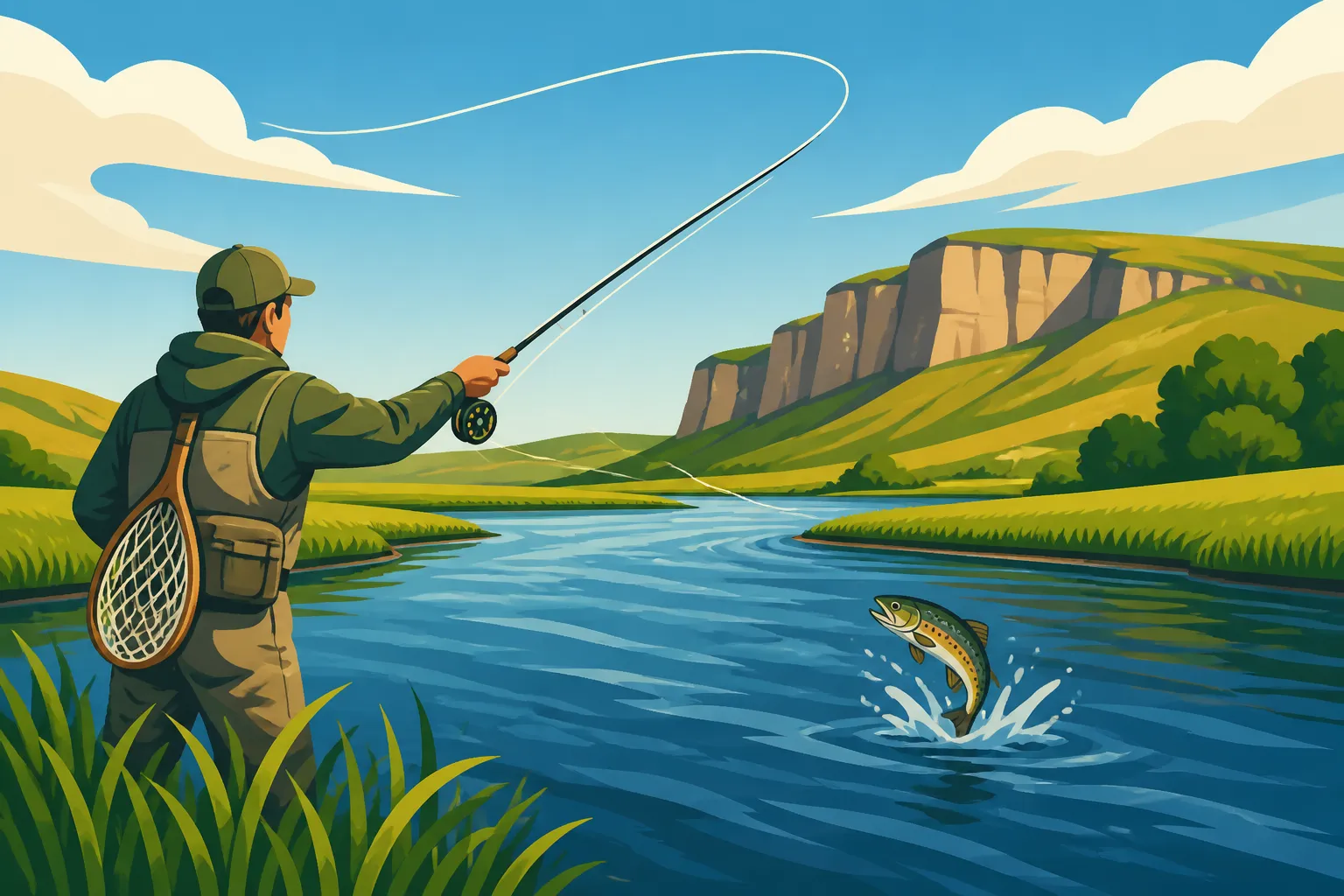
Finding good fly fishing opportunities in North Dakota can sometimes feel like searching for a needle in a haystack, especially when you picture the vast lakes and prairie rivers. Many anglers overlook the Sheyenne River, thinking it's not a prime fly-fishing destination, but they couldn't be more mistaken. This guide will walk you through everything you need to know to successfully fly fish the Sheyenne River, from understanding its unique character to the gear and techniques that will put fish on your line.
Understanding the Sheyenne River's Unique Fly Fishing Appeal
The Sheyenne River offers a distinct fly-fishing experience that sets it apart from the larger, more well-known waters in North Dakota. It's not a mountain stream, nor is it a massive tailwater fishery; it's a prairie river, winding its way through diverse landscapes, offering intimate fishing spots and a surprising array of species. Many anglers are accustomed to fishing lakes like Lake Sakakawea or Devils Lake, but the river experience offers a completely different challenge and reward.
The river's flow and depth can vary significantly depending on recent rainfall and the time of year, which means adaptability is key. You'll find sections with slow, meandering pools, faster riffles, and undercut banks that hold fish. It’s this varied character that makes it so intriguing for the fly angler, requiring a keen eye for reading the water and a willingness to explore. It's often less crowded than other popular fishing spots, too, providing a peaceful escape into nature.
The Sheyenne River's Fish Species for Fly Anglers
While the Sheyenne isn't known for trout, it hosts a healthy population of other game fish that readily take a fly, making it a fantastic warmwater fly-fishing destination. You might be surprised at the variety you encounter.
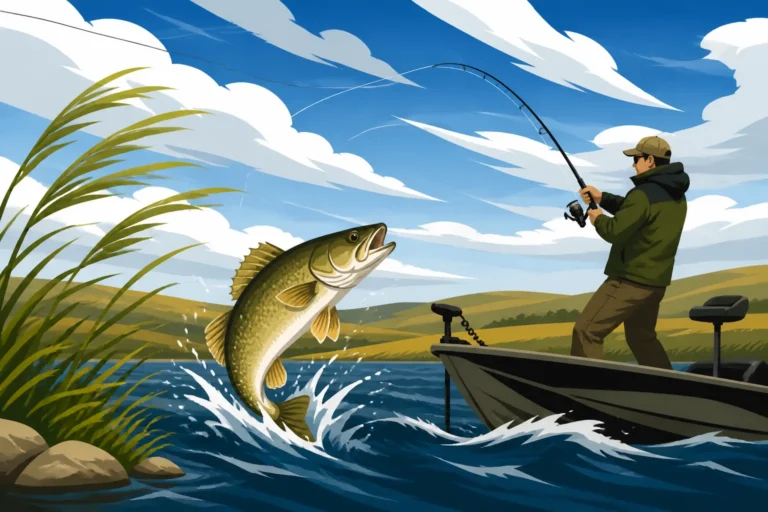
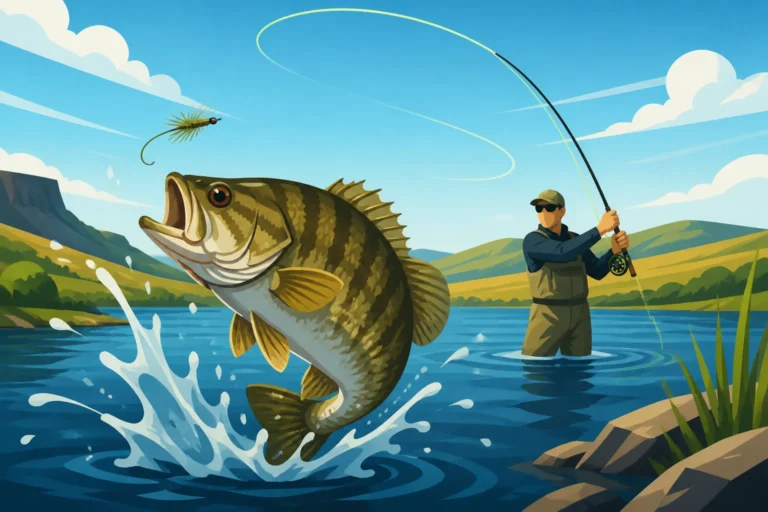
One of the most popular targets for fly anglers on the Sheyenne is the smallmouth bass. These feisty fish love the river's structure, like rocky areas, fallen timber, and current breaks. They fight hard and aggressively strike poppers, streamers, and crayfish patterns, offering incredible action on a fly rod. If you've never hooked a smallmouth on a 5-weight, you're in for a treat. They provide an exhilarating challenge, especially in the shallower sections where you can visually hunt for them.
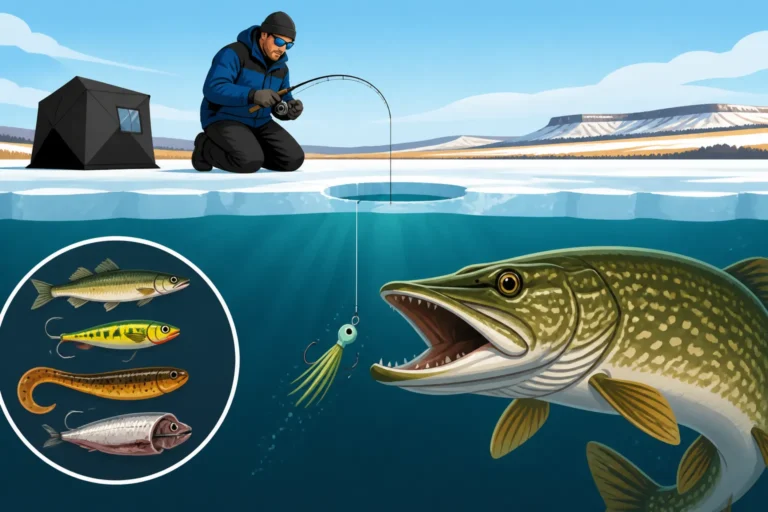
Beyond smallmouth, you'll also find respectable populations of northern pike. While often associated with larger lakes, pike thrive in many river sections, lurking in weed beds and ambush points. Throwing large, flashy streamers can entice these toothy predators, providing powerful strikes and memorable battles. For those who enjoy a bit of a challenge and a chance at a bigger fish, targeting pike on the fly is an absolute blast. Just be sure to use appropriate leader material to prevent bite-offs.
Panfish, such as yellow perch and various sunfish, are also abundant throughout the Sheyenne. These smaller fish are perfect for beginners or when you just want consistent action. They'll readily take small nymphs, wet flies, and even tiny poppers. Catching a handful of chunky bluegill on a light fly rod is pure joy, and it’s a great way to introduce kids to the sport. Additionally, catfish, especially smaller channel cats, can sometimes be caught on flies, particularly large nymph or streamer patterns fished near the bottom in deeper holes. You can learn more about specific regulations in our North Dakota Fishing Regulations Explained guide.
Seasonal Considerations for Sheyenne River Fly Fishing
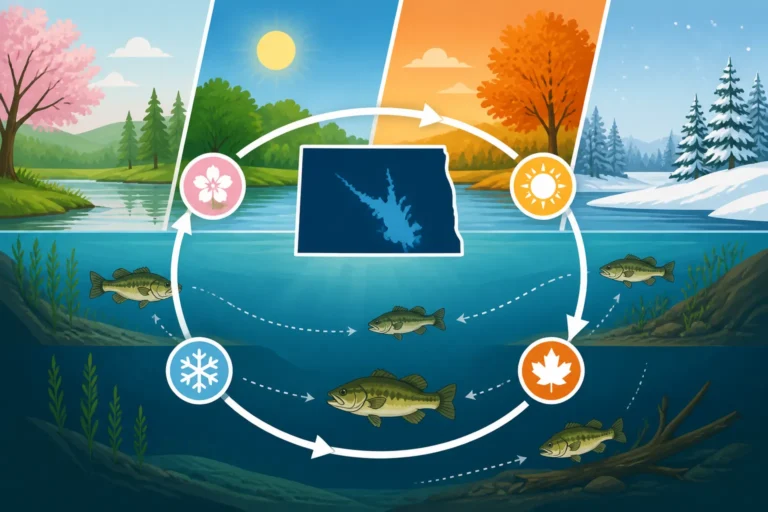
The Sheyenne River offers fly fishing opportunities throughout the open water season, but conditions and target species will shift with the changing months. Understanding these seasonal nuances is crucial for maximizing your success.
Spring, typically from April through May after ice-out, can be fantastic for early-season northern pike and emerging panfish. As water temperatures rise, fish become more active, moving into shallower areas to feed and eventually spawn. This is a great time to target pike with large streamers near submerged cover or to probe slower pools for walleye, which can also be caught on the fly, although less frequently than other species. Keep an eye on river levels during spring, as runoff can cause high, muddy water, making fishing challenging. For general timing, consult the North Dakota Fishing Season Calendar.
Summer, from June through August, is prime time for smallmouth bass and panfish. The water is warmer, and insect activity is usually at its peak. This is when topwater action can be incredible, with smallmouth exploding on poppers and frog patterns. Terrestrial patterns like hoppers and beetles also become effective as summer progresses. You'll want to focus on sections with good current, oxygen, and structure where bass will ambush prey. Early mornings and late evenings often provide the best bite, especially on hot days.
Fall, from September into October, brings another excellent window for fly fishing. As water temperatures cool, fish become very aggressive, feeding heavily in preparation for winter. Smallmouth bass will school up and can be targeted with streamers and nymphs in deeper holes. Northern pike will also be active, often moving into shallower bays and flats. The vibrant fall foliage along the river banks makes for a beautiful backdrop to your fishing adventure. Always remember to check specific limits, like the North Dakota Northern Pike Daily Limit, before heading out.
Essential Gear for Fly Fishing the Sheyenne River
Having the right gear makes all the difference when you're fly fishing the Sheyenne River. You don't need a high-end, specialized setup for every species, but a versatile rod and a thoughtful selection of flies will serve you well. Many of these items can be easily found and compared on platforms like Amazon, offering a wide range of options to suit your budget and preferences.
When considering your primary rod and reel, versatility is key. While a 5-weight rod is a good all-around choice for many situations, a 6-weight or even a 7-weight can offer more backbone for larger pike or to handle the sometimes-windy North Dakota conditions. For those aiming for smallmouth and panfish, a 4-weight can be incredibly fun.
The reel should balance your chosen rod and hold enough backing. A disc-drag system is generally preferred, especially if you hook into a larger pike or a strong smallmouth. Don't forget a good selection of fly lines – a weight-forward floating line is a staple, but a sink-tip line can be invaluable for getting streamers down to deeper-holding fish, particularly in current. For more general advice on rods, check out our Best Fishing Rods for North Dakota Anglers article.
Rods, Reels, and Lines for River Success
For smallmouth bass, a 5 or 6-weight fly rod is generally perfect. It offers enough power to cast larger poppers and streamers but is still light enough to make fighting even modest-sized bass a thrilling experience. Pair this with a matching reel that has a smooth drag, loaded with a weight-forward floating line. Having a spare spool with a sink-tip line is a smart move, allowing you to quickly adapt to different depths and current conditions without re-rigging your entire setup. This versatility is crucial on a river like the Sheyenne, where depths can change abruptly.
If you're specifically targeting northern pike, consider bumping up to a 7 or 8-weight rod. This heavier setup will make casting large, wind-resistant pike flies much easier and provide the necessary power to land these powerful fish. A heavier line will also turn over those big flies better, ensuring accurate presentations. For pike, a strong reel with a reliable drag is paramount, as they can make powerful runs. Using a wire or heavy fluorocarbon leader (at least 20-30 lb test) is non-negotiable to prevent bite-offs from their razor-sharp teeth.
For panfish, a lighter 3 or 4-weight rod is ideal. This makes even small bluegill feel like trophy catches and allows for delicate presentations of tiny nymphs and dry flies. A simple click-and-pawl reel is often sufficient for these smaller fish, as the rod typically does most of the work. You can find excellent budget-friendly setups for panfish on Amazon, perfect for a casual outing.
Fly Selection and Terminal Tackle
Your fly box for the Sheyenne River should reflect the diverse diet of its inhabitants. For smallmouth bass, think about flies that imitate baitfish, crayfish, and insects. Streamers like Clouser Minnows, Woolly Buggers (in black, olive, or brown), and Half-and-Half patterns are incredibly effective. Sizes #2 to #8 are good starting points. For topwater action, poppers and sliders in various colors (white, chartreuse, black) can be deadly, especially during low-light conditions. Crayfish patterns, fished slowly along the bottom, are also a must-have.
When targeting northern pike, you'll need larger, flashier flies designed to grab their attention. Articulated streamers, bucktail flies, and large synthetic patterns in bright colors like chartreuse, white, and red are excellent choices. Sizes #2/0 to #4 are common. Remember, pike are opportunistic predators, so anything that looks like a struggling baitfish or a fleeing rodent can provoke a strike. Don't be afraid to experiment with bigger flies than you might typically use for other species.
For panfish, your selection can be much smaller and simpler. Small nymphs like Prince Nymphs, Hare's Ear Nymphs, and Pheasant Tail Nymphs in sizes #12-#18 are effective. Wet flies such as soft hackles also work wonders. For dry fly action, small ant and beetle patterns, or even tiny foam spiders, will often get their attention. When you’re looking for specific fly patterns, online retailers like Amazon can be a treasure trove, often stocking niche patterns that local shops might not carry. Don’t forget about some of the Best Bait for North Dakota Fishing to get an idea of what local fish prefer, even if you’re translating it to fly patterns.
Regarding terminal tackle, carrying an assortment of fluorocarbon leader material (8-15 lb test) and tippet (2-6 lb test) is essential. For pike, a bite guard or a short section of heavy fluorocarbon or wire leader is absolutely critical. A good pair of hemostats or pliers for hook removal, clippers for line, and a net (preferably rubberized to protect the fish) complete your essential kit.
Waders, Boots, and Other Essentials
Wading the Sheyenne River is often the best way to access prime fishing spots, especially in its shallower sections. A good pair of breathable chest waders and sturdy wading boots with felt or rubber soles will keep you dry and provide traction on slippery river bottoms. Remember, safety first: always use a wading belt to prevent your waders from filling completely with water should you take a tumble.
Beyond waders, a comfortable fishing vest or chest pack to hold your fly boxes, tippet, tools, and other small essentials is invaluable. Sunscreen, insect repellent, a hat, and polarized sunglasses are also non-negotiable for a comfortable day on the water. Polarized lenses are particularly helpful for spotting fish and submerged structure, giving you a significant advantage. A small backpack can carry water, snacks, and a light rain jacket. For more details on staying dry and comfortable, our Best Waders for Shore Fishing guide offers additional tips.
Techniques and Tactics for Sheyenne River Success
Fly fishing the Sheyenne River requires a blend of traditional fly-fishing techniques and an understanding of warmwater species behavior. It’s not just about casting pretty loops; it’s about reading the water, presenting your fly effectively, and knowing how to entice fish in varying conditions. This means sometimes adapting on the fly, switching patterns, or changing your approach entirely.
Unlike stillwater fishing, river current is a constant factor you must learn to work with, not against. Understanding how fish position themselves in the current to conserve energy while still having access to food is fundamental. They'll often hold in seams, behind obstacles, or in slower pockets of water, waiting for food to drift by. Knowing where these "holding lies" are is the first step to a successful day.
Reading the Water and Identifying Holding Lies
Reading the water on the Sheyenne River involves looking for subtle clues that indicate where fish might be holding. Start by identifying the main current seams – areas where fast and slow water meet. Fish often sit just out of the main current, darting into the faster flow to grab food. Look for obstructions like fallen trees, large rocks, or bridge pilings; these create current breaks and prime ambush points for smallmouth and pike.
Undercut banks are another classic holding lie. The current erodes the bank beneath the surface, creating a hidden pocket where fish can find shelter and ambush prey. Casting parallel to these banks and allowing your fly to drift into the undercut can be incredibly effective. Deeper pools, especially those downstream from riffles or bends, are also prime areas, as they provide refuge and a collection point for drifting food. During periods of high sun or colder water, fish will often gravitate to these deeper, darker areas.
Don't overlook the shallower riffles and gravel beds, particularly in warmer months. Smallmouth bass will often feed actively in these oxygenated areas, especially in the mornings and evenings. Polarized sunglasses will be your best friend here, allowing you to spot subtle changes in depth, structure, and sometimes even the fish themselves. Observing any insect activity or baitfish flicking on the surface can also give you clues about what the fish are feeding on.
Casting and Presentation Techniques
Accuracy and stealth are paramount when fly fishing the Sheyenne. You'll often be targeting specific pieces of structure or tight pockets of water, so precise casting is more important than distance. Practice your roll casts and curve casts, as these can be incredibly useful for getting flies into tricky spots without spooking fish. A good upstream mend will help you achieve a longer, drag-free drift, which is often crucial for fooling wary fish.
For streamers and nymphs, aim to cast slightly upstream of your target and allow the fly to drift naturally with the current. Maintaining a tight line will help you feel subtle takes. For smallmouth, often a strip-retrieve, mimicking a swimming baitfish or crayfish, is effective after the initial drift. Vary your retrieve speed until you find what the fish prefer on a given day. Sometimes a fast, erratic retrieve triggers aggressive strikes, while other times a slow, deliberate crawl along the bottom is more effective.
Topwater fishing with poppers and sliders is all about the "pop" and pause. Cast your popper near structure, let it sit for a few seconds, then give it a gentle twitch or "pop" to create a disturbance. Pause again, then repeat. Many strikes occur during the pause, as the fish moves in to investigate the commotion. Watch for subtle rings or swirls around your fly; these often indicate a fish is interested, even if it doesn't strike immediately. For more general advice on presenting flies, check out Fly Fishing Techniques in North Dakota.
Managing Current and Fighting Fish
Managing the current is a perpetual challenge and a rewarding skill to master on the Sheyenne River. Use upstream mends to control your line and extend your drift. When fishing across the current, learn to throw slack line or use a reach cast to allow your fly to sink and drift naturally before the current pulls your line, creating unnatural drag. The less drag on your fly, the more natural it will appear to a fish.
When you hook a fish, especially a strong smallmouth or a pike, the current becomes another factor in the fight. Try to work the fish out of the main current into slower water if possible, as this makes landing it much easier. Use the flex of your rod to your advantage, keeping steady pressure and letting the fish tire itself out. Be prepared for strong runs, especially from pike, and always keep your rod tip high to maintain tension and absorb head shakes.
If you’re wading, be mindful of your footing when fighting a fish, as your attention will naturally be focused on your catch. Move slowly and deliberately. If you're fishing from shore, be aware of any obstacles or vegetation that might impede your ability to land the fish. A good, long-handled net can be a real asset here, especially when fishing from slightly elevated banks.
Access Points and Considerations for the Sheyenne River
Accessing the Sheyenne River for fly fishing is often one of the biggest challenges, as much of the land along its banks is privately owned. However, there are numerous public access points, bridges, and road crossings that provide opportunities for wade or bank fishing, or for launching small watercraft like kayaks or canoes. Always be respectful of private property and know exactly where you're allowed to be.
The river flows through several counties and passes near towns like Valley City, Lisbon, and Fort Ransom. Each section offers a slightly different character and varying access options. Before heading out, do a little research, perhaps using satellite maps, to identify potential public access points. Our guide on Fishing From a Kayak in North Dakota could offer some helpful insights if you're planning to explore by boat.
Public Access Points and Bridge Crossings
Many of the best fly-fishing spots on the Sheyenne River are accessible via public road crossings and bridges. These spots often provide enough space to park a vehicle and, importantly, legal access to the river itself. When you find a bridge, look upstream and downstream for stretches of public land, which are sometimes marked. You'll often find deeper pools, current breaks from bridge abutments, and varied structure in these areas that hold fish.
For example, sections near Valley City and Lisbon offer a mix of public and private access. Look for state-owned lands or specific public fishing access sites managed by the North Dakota Game and Fish Department. These sites are typically well-marked and provide designated parking and entry points. Always double-check signage to ensure you're on public land or have explicit permission to access private property. Being a good steward of the land ensures these access points remain open for everyone.
Some of the smaller, less-trafficked road bridges over the Sheyenne can also be fantastic spots, often providing access to sections that see less pressure. However, always exercise caution when parking near roads and never block private driveways or farm access points. A simple, polite knock on a farmhouse door can sometimes open up incredible fishing opportunities if you ask for permission to cross their land. The worst they can say is no.
Wading and Shoreline Considerations
The Sheyenne River is generally quite wadeable in many sections, especially during lower water flows in summer and fall. However, conditions can vary greatly, so always approach new sections cautiously. The bottom can be a mix of gravel, sand, and mud, and there may be slippery rocks or submerged debris. A wading staff is highly recommended for stability, especially when crossing faster currents or probing unknown depths.
When wading, be mindful of sudden drop-offs. Some sections of the Sheyenne can go from shallow riffles to deep holes very quickly. Always test the water ahead of you before taking a step. Shoreline fishing is also an option, particularly in areas with open banks or designated fishing piers. However, heavy vegetation and steep banks can sometimes limit bank access, making wading or floating the river a more effective approach. For those just starting, our Shore Fishing Techniques for Beginners guide might be useful.
When you're out there, remember to practice Leave No Trace principles. Pack out everything you pack in, and if you see any trash, take a moment to pick it up. Keeping the Sheyenne River clean and pristine benefits everyone who enjoys its beauty and fishing opportunities.
| Species Targeted | Recommended Fly Rod Weight | Preferred Fly Types | Best Seasons |
|---|---|---|---|
| Smallmouth Bass | 5-6 weight | Streamers, Poppers, Crayfish | Summer, Fall |
| Northern Pike | 7-8 weight | Large Streamers, Bucktail Flies | Spring, Fall |
| Yellow Perch/Panfish | 3-4 weight | Small Nymphs, Wet Flies, Tiny Poppers | Spring, Summer, Fall |
| Channel Catfish | 6-7 weight | Large Nymphs, Dark Streamers | Summer |
Safety and Regulations
Safety on the river is paramount. Always let someone know where you're going and when you expect to return. Be aware of changing weather conditions; North Dakota weather can turn quickly, bringing sudden storms or strong winds. If you're wading, pay attention to current speed and water levels. Rapidly rising water can make a previously safe crossing dangerous.
Before you even step foot in the water, make sure you have a valid North Dakota fishing license. All anglers over the age of 16 need one. You can find detailed information on how to obtain one in our How to Get a North Dakota Fishing License guide. Familiarize yourself with the North Dakota fishing regulations, including daily limits and size restrictions for the species you intend to target. These regulations can change, so always check the latest proclamation. For example, knowing the North Dakota Walleye Size Limit Rules is essential, even if they aren't your primary target.
If you plan to use a kayak or canoe, ensure you understand North Dakota boat registration requirements and wear a life jacket at all times. Even on seemingly calm waters, unexpected currents or obstacles can create hazardous situations. Always prioritize safety so you can enjoy your time exploring the fly-fishing opportunities on the Sheyenne River.
Disclaimer
This article is for general informational purposes only and does not constitute professional advice. Laws, prices and regulations vary by location and change over time. Consult a qualified professional for guidance on your specific situation.